May 22, 2026
Brazil's mining regulatory landscape has undergone significant transformation following high-profile environmental incidents, establishing new compliance frameworks that prioritise water management, tailings safety, and operational transparency. These evolving standards now serve as critical determinants for mining permit approvals and operational continuity across the nation's mineral-rich territories, requiring companies to understand mining permitting basics to navigate this complex environment.
The intersection of environmental compliance and operational efficiency has become particularly complex in Minas Gerais, where regulatory authorities balance economic considerations with stringent safety requirements. Mining companies operating in this region must navigate multiple layers of federal and state oversight while maintaining production targets and investor confidence.
Understanding Brazil's Complex Mining Permit Framework
Brazil's mining permit system operates through a multi-tiered regulatory structure that involves federal agencies, state environmental bodies, and municipal authorities. Each level maintains distinct oversight responsibilities, creating a comprehensive but complex approval process for mining operations.
Federal vs State Regulatory Authority in Minas Gerais
The National Mining Agency (ANM) oversees mineral rights and production quotas at the federal level, while the State Environmental Foundation of Minas Gerais (FEAM) manages environmental licensing and compliance monitoring. This dual authority structure requires mining companies to satisfy both federal production standards and state environmental requirements simultaneously.
Recent regulatory developments have strengthened coordination between these agencies, particularly regarding water usage permits and tailings dam monitoring. Companies must now demonstrate compliance with federal safety protocols while meeting state-specific environmental performance metrics, incorporating waste management solutions into their operational frameworks.
Environmental Licensing Requirements for Iron Ore Operations
Iron ore operations in Minas Gerais must obtain multiple environmental licenses throughout their operational lifecycle. The preliminary license (LP) establishes basic feasibility parameters, while the installation license (LI) authorises construction activities. The operation license (LO) permits actual mining operations but requires ongoing compliance verification.
These licensing requirements have become increasingly rigorous, with enhanced scrutiny of water consumption, dust control measures, and biodiversity impact assessments. Companies must also demonstrate financial capacity to manage environmental liabilities throughout the mine's operational life and closure phases.
Water Management Compliance Standards Post-Brumadinho
Following the Brumadinho incident, Brazilian regulators implemented comprehensive water management protocols that fundamentally altered mining operations standards. These protocols require real-time monitoring systems, automated alert mechanisms, and enhanced emergency response capabilities.
Mining operations must now maintain detailed water balance reports, demonstrate overflow prevention capabilities, and establish redundant safety systems for water retention structures. Non-compliance with these standards can result in immediate operational suspensions and significant financial penalties, highlighting the importance of enhanced safety monitoring.
When big ASX news breaks, our subscribers know first
How Recent Permit Suspensions Impact Vale's Operational Strategy
When Vale regains permit in Minas Gerais, it represents both operational restoration and ongoing regulatory vulnerability. The company's approach to permit management has evolved to emphasise proactive compliance rather than reactive remediation following regulatory interventions.
| Regulatory Timeline | Facility Impact | Production Capacity |
|---|---|---|
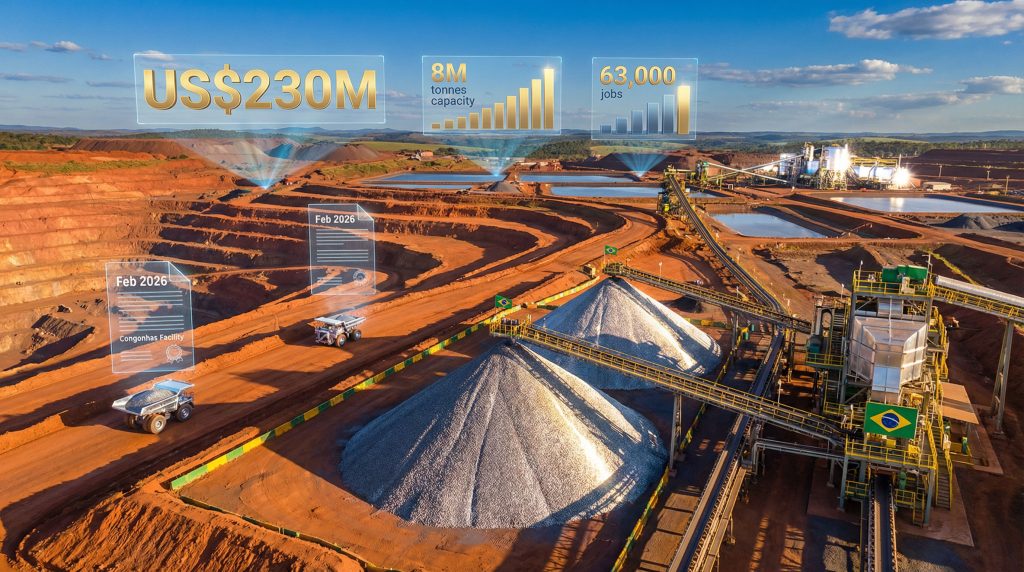
| Early 2026 | Congonhas operations | 8 million tonnes annual capacity |
| February 2026 | Water overflow incidents | Fabrica & Viga pit operations |
| Ongoing | Compliance monitoring | Multiple facility assessments |
Congonhas Facility: 8 Million Tonne Capacity Under Review
The Congonhas mining complex represents one of Vale's significant iron ore production centres in Minas Gerais, with an annual processing capacity of approximately 8 million tonnes. This facility's operational status directly impacts regional employment and global iron ore supply chains.
Regulatory reviews at Congonhas focus on water management systems, tailings processing procedures, and community impact mitigation measures. The facility's strategic importance requires maintaining compliance with evolving environmental standards while ensuring production continuity for international markets, as reported by Vale's recent operational updates.
Water Overflow Incidents at Fabrica and Viga Operations
Water management challenges at the Fabrica and Viga pit operations highlight the technical complexities of maintaining regulatory compliance during varying seasonal conditions. These incidents demonstrate how operational disruptions can cascade through interconnected mining systems.
The regulatory response to these water overflow events established new precedents for rapid intervention protocols and enhanced monitoring requirements. Mining companies must now implement predictive water management systems that account for seasonal variations and extreme weather events.
Ouro Preto Technical Compliance Failures
Technical compliance issues at Ouro Preto operations reveal the broader challenges facing established mining facilities as they adapt to modernised regulatory frameworks. These compliance gaps often involve legacy infrastructure that requires significant capital investment to meet current standards.
The resolution of technical compliance issues requires comprehensive facility assessments, infrastructure upgrades, and enhanced monitoring systems. Companies must balance immediate compliance costs against long-term operational stability and regulatory predictability.
Economic Implications of Regulatory Uncertainty
Regulatory uncertainty in Brazil's mining sector creates complex economic dynamics that extend beyond individual company operations to encompass regional development, employment security, and international market stability. When Vale regains permit in Minas Gerais, it signals regulatory stability but also highlights ongoing compliance costs.
The mining sector's contribution to Minas Gerais represents approximately 15% of the state's GDP, supporting extensive supply chains and service industries that depend on operational continuity at major mining facilities.
Capital Allocation Under Regulatory Pressure
Mining companies operating in Brazil must allocate increasing portions of their capital budgets to compliance infrastructure rather than production expansion. This shift affects long-term growth strategies and investment returns while potentially improving operational sustainability.
Environmental compliance investments typically include water treatment facilities, real-time monitoring systems, emergency response infrastructure, and community engagement programs. These expenditures represent necessary operational costs rather than revenue-generating investments.
Employment Impact: Workforce Stability Considerations
Mining operations in Minas Gerais support extensive direct and indirect employment networks that extend throughout regional economies. Operational disruptions due to permit suspensions affect not only mine workers but also transportation, equipment maintenance, and service industries.
The economic multiplier effect of mining employment means that permit-related operational changes can impact entire communities. Companies must consider these broader social and economic implications when developing compliance strategies and operational contingency plans.
Supply Chain Disruptions for Global Iron Ore Markets
Brazil's position as a major iron ore supplier means that regulatory disruptions at individual mining facilities can influence global commodity markets. International buyers must account for Brazilian regulatory risk when developing supply chain strategies and pricing models.
Alternative supply sources from Australia, West Africa, and other regions provide some market flexibility, but Brazil's high-grade iron ore remains essential for many steel production processes. Regulatory stability in Minas Gerais therefore affects global steel industry planning and investment decisions, as noted in recent industry reports.
Environmental Compliance and Modern Mining Operations
Environmental compliance has evolved from regulatory obligation to operational necessity in Brazil's mining sector. Companies must integrate environmental management systems throughout their operational processes rather than treating compliance as separate administrative requirements, incorporating data-driven mining operations to optimise their environmental performance.
Dry Processing Technology Implementation
Dry processing technologies represent significant technological advancement in iron ore beneficiation, reducing water consumption and eliminating tailings dam requirements. These systems require substantial capital investment but offer enhanced regulatory compliance and operational stability.
The implementation of dry processing technology addresses multiple regulatory concerns simultaneously, including water usage, tailings management, and dust control. Companies investing in these technologies position themselves for long-term regulatory compliance and operational efficiency.
Tailings Reprocessing as Risk Mitigation Strategy
Tailings reprocessing initiatives serve dual purposes of extracting additional mineral value while reducing environmental liability exposure. These projects demonstrate proactive environmental stewardship while generating incremental revenue from previously discarded materials.
Advanced tailings reprocessing technologies can recover significant iron ore content while reducing the volume of stored tailings materials. This approach addresses regulatory concerns about tailings dam safety while improving overall resource utilisation efficiency.
Water Management Systems and Overflow Prevention
Modern water management systems incorporate predictive analytics, automated controls, and redundant safety mechanisms to prevent overflow incidents. These systems represent essential infrastructure investments for maintaining operational permits in Brazil's current regulatory environment.
Effective water management requires integration of meteorological data, operational planning, and emergency response protocols. Companies must demonstrate capability to manage water resources during both normal operations and extreme weather events.
Post-Brumadinho Safety Protocol Evolution
The mining industry's response to the Brumadinho incident established new safety standards that extend beyond tailings dam management to encompass comprehensive operational safety protocols. These protocols require ongoing investment in monitoring technology and emergency preparedness systems.
Enhanced safety protocols include community early warning systems, evacuation procedures, and regular safety audits conducted by independent third parties. These measures represent permanent changes to mining operational standards rather than temporary regulatory responses.
Legal Challenges Facing Mining Operations
Brazil's mining sector operates within a complex legal framework that includes environmental law, mining regulations, labour requirements, and community rights considerations. Legal challenges often involve multiple jurisdictions and can significantly impact operational continuity, particularly regarding class action lawsuit governance.
Asset Freeze Implications for Operational Liquidity
Asset freeze requests from prosecutors can create immediate liquidity challenges for mining operations, even when companies maintain strong cash positions. These legal mechanisms serve as enforcement tools but can disrupt operational planning and investment programmes.
The financial impact of asset freezes extends beyond the frozen amounts to include increased borrowing costs, delayed investment decisions, and potential credit rating implications. Companies must maintain additional liquidity buffers to manage these legal risks.
Criminal vs Civil Liability Frameworks
Brazilian environmental law distinguishes between criminal and civil liability for environmental incidents, with different legal standards and penalty structures. Understanding these distinctions helps companies develop appropriate risk management strategies and legal response procedures.
Criminal environmental liability typically involves intentional violations or gross negligence, while civil liability can result from operational incidents regardless of intent. Companies must address both liability frameworks when developing compliance and risk management programmes.
Insurance Coverage for Environmental Incidents
Environmental insurance products have evolved to address the specific risk profile of Brazilian mining operations, including coverage for regulatory compliance costs, third-party environmental damage, and business interruption due to permit suspensions.
The availability and cost of environmental insurance reflect the perceived risk levels of individual mining operations and the broader regulatory environment. Companies with strong compliance records typically access more comprehensive coverage at lower premiums.
Minas Gerais' Critical Role in Global Iron Ore Supply
The state of Minas Gerais contains approximately 29% of Brazil's iron ore reserves and represents one of the world's most concentrated high-grade iron ore regions. This geological advantage provides strategic importance for global steel production but also creates concentrated regulatory risk.
| Regional Mining Metrics | Volume/Value | Global Context |
|---|---|---|
| Iron ore reserves | 29% of Brazilian total | 7.5% of global reserves |
| Annual production capacity | 240+ million tonnes | 15% of global supply |
| Average iron content | 64-67% Fe | Premium grade classification |
| Export infrastructure | Dedicated rail and port systems | Integrated logistics network |
Geographic Advantages of the Iron Quadrangle
The Iron Quadrangle geological formation provides unique advantages for iron ore extraction, including high-grade ore deposits, established mining infrastructure, and proximity to transportation networks. These natural advantages create competitive positioning but also concentrate regulatory oversight.
The region's geological characteristics enable both open-pit and underground mining operations, providing operational flexibility for different market conditions. However, the concentrated nature of these operations means that regulatory changes affect large portions of global iron ore supply simultaneously.
Infrastructure Dependencies: Railways and Ports
Minas Gerais iron ore operations depend on dedicated railway systems that transport ore from mining facilities to coastal ports for international shipping. This integrated logistics infrastructure represents significant capital investment but also creates operational vulnerabilities.
The Estrada de Ferro Vitória a Minas (EFVM) and Estrada de Ferro Carajás (EFC) railway systems provide essential transportation links between mining operations and export terminals. Operational disruptions at mining facilities can cascade through these transportation networks.
Competition from Australian and West African Producers
Global iron ore markets include significant production from Australia's Pilbara region and emerging West African operations, providing alternative supply sources for international steel producers. However, Brazilian ore often commands premium pricing due to its high iron content and low impurity levels.
The competitive dynamics between major iron ore producing regions influence pricing structures and supply contract negotiations. Brazilian producers must balance competitive pricing with the additional costs associated with enhanced environmental compliance requirements.
The next major ASX story will hit our subscribers first
Investor and Stakeholder Implications
Investment decisions in Brazil's mining sector must account for regulatory risk alongside traditional factors such as ore grades, operational costs, and market conditions. When Vale regains permit in Minas Gerais, it provides short-term operational clarity but highlights ongoing regulatory complexity.
Regulatory Risk Premium in Mining Valuations
Financial markets increasingly incorporate regulatory risk premiums when valuing Brazilian mining assets, reflecting the potential for operational disruptions due to compliance issues. These risk adjustments affect both equity valuations and debt financing costs.
The magnitude of regulatory risk premiums varies based on individual company compliance records, facility conditions, and community relationships. Companies with strong environmental and social governance (ESG) profiles typically access capital at lower costs.
ESG Compliance as Operational Necessity
Environmental, social, and governance considerations have evolved from voluntary corporate initiatives to essential operational requirements for mining companies operating in Brazil. Investor expectations for ESG performance now directly influence access to capital and operational permissions.
Modern mining operations must demonstrate measurable progress on environmental impact reduction, community engagement, and governance transparency. These requirements create additional operational costs but also reduce regulatory risk and improve stakeholder relationships.
Long-term Sustainability vs Short-term Production Pressure
Mining companies face ongoing tension between short-term production targets and long-term sustainability investments. Regulatory frameworks increasingly favour companies that prioritise sustainable operations over short-term production maximisation.
The resolution of this tension requires integrated planning that incorporates environmental compliance costs into production planning and pricing strategies. Companies that successfully balance these priorities typically achieve more stable long-term operations.
Industry Response to Regulatory Changes
The broader mining industry's response to enhanced regulatory requirements in Brazil demonstrates collective adaptation to new operational standards. Industry associations and individual companies are developing shared approaches to compliance challenges.
Industry-Wide Adoption of Enhanced Safety Protocols
Mining companies across Brazil have implemented enhanced safety protocols that exceed minimum regulatory requirements, recognising that industry-wide safety improvements benefit all operators through improved regulatory predictability and public acceptance.
These voluntary safety enhancements include advanced monitoring systems, emergency response protocols, and community engagement programmes. Industry collaboration on safety standards helps establish consistent operational practices across different mining operations.
Technology Investment in Environmental Monitoring
The mining industry's investment in environmental monitoring technology has accelerated significantly, driven by both regulatory requirements and operational efficiency considerations. These technologies provide real-time compliance verification and early warning capabilities.
Advanced monitoring systems incorporate satellite imagery, sensor networks, and predictive analytics to provide comprehensive environmental oversight. These investments improve compliance capabilities while generating operational efficiency benefits.
Collaborative Approaches to Regulatory Compliance
Mining companies are developing collaborative approaches to regulatory compliance that include shared research initiatives, joint infrastructure investments, and coordinated community engagement programmes. These collaborations help reduce individual compliance costs while improving overall industry standards.
Industry collaboration extends to technical research, best practice sharing, and collective advocacy for regulatory clarity. These efforts help establish consistent compliance standards and reduce regulatory uncertainty for all operators.
Future Implications for Brazil's Mining Policy
Brazil's mining policy framework continues evolving in response to environmental incidents, international best practices, and domestic political considerations. Future policy developments will likely emphasise prevention rather than remediation and require ongoing adaptation from mining operators.
Strengthened Environmental Oversight Mechanisms
Future environmental oversight mechanisms will likely incorporate automated compliance monitoring, mandatory third-party auditing, and enhanced penalty structures for non-compliance. These mechanisms represent permanent changes to Brazil's mining regulatory framework.
The integration of technology-based compliance monitoring reduces the potential for compliance gaps while providing regulators with real-time operational visibility. Companies must invest in systems that support these enhanced oversight requirements.
Digital Monitoring and Real-Time Compliance Reporting
Digital monitoring systems enable real-time compliance reporting that provides regulatory authorities with immediate access to operational data. These systems improve regulatory oversight efficiency while reducing compliance uncertainty for mining operators.
The implementation of digital compliance systems requires significant technology investments but provides operational benefits including improved resource management, predictive maintenance capabilities, and enhanced safety monitoring.
Integration of Climate Goals with Mining Operations
Brazil's national climate commitments will increasingly influence mining policy development, requiring operators to demonstrate compatibility between mining operations and national environmental goals. This integration affects operational planning and capital allocation decisions.
Climate-related mining policies may include carbon emission targets, renewable energy requirements, and ecosystem restoration obligations. Companies must incorporate these considerations into long-term operational and financial planning processes.
Frequently Asked Questions About Mining Permit Status
What specific permits has Vale regained in Minas Gerais?
Vale's permit restoration in Minas Gerais involves operational licenses for specific mining facilities that had been suspended due to compliance issues. These permits allow resumption of iron ore extraction and processing activities at designated locations within the state's mining regions.
How long do mining permits typically take to restore?
Mining permit restoration timelines vary significantly based on the nature of compliance issues, required remediation measures, and regulatory review processes. Simple technical compliance issues may be resolved within months, while complex environmental violations can require years of remediation and monitoring.
What are the financial penalties for permit violations?
Financial penalties for mining permit violations in Brazil can range from administrative fines to asset freezes and operational suspensions. The severity of penalties depends on the nature of violations, environmental impact, and company compliance history.
How does this affect Vale's stock performance?
Permit restoration typically provides positive support for Vale's stock performance by reducing operational uncertainty and enabling production planning. However, ongoing legal challenges and regulatory oversight continue to influence investor sentiment and valuation metrics.
Key Takeaways for Mining Sector Stakeholders
The evolution of Brazil's mining regulatory framework represents a fundamental shift toward preventive compliance and enhanced environmental stewardship. When Vale regains permit in Minas Gerais, it demonstrates the possibility of regulatory recovery while highlighting the ongoing importance of proactive compliance management.
Successful mining operations in Brazil's current regulatory environment require integration of environmental compliance throughout operational processes, robust community engagement, and transparent reporting systems that exceed minimum regulatory requirements.
Mining sector stakeholders must recognise that regulatory compliance costs now represent permanent operational expenses rather than temporary adjustments. Companies that integrate these costs into their fundamental business models while investing in advanced compliance technologies position themselves for long-term operational stability and competitive advantage in global markets.
The regulatory environment will continue evolving as Brazil balances economic development with environmental protection and social responsibility. Mining companies that anticipate and adapt to these changes through proactive compliance investments and stakeholder engagement will achieve more predictable operational outcomes and improved access to capital markets.
Considering ASX Mining Opportunities After Brazil's Regulatory Changes?
Discovery Alert's proprietary Discovery IQ model provides instant notifications when significant ASX mineral discoveries are announced, helping investors identify actionable opportunities while global mining markets navigate regulatory complexities. Explore historic examples of major mineral discoveries and their substantial returns, then begin your 14-day free trial today to position yourself ahead of market movements.