May 21, 2026
How Chile's Environmental Regulatory Framework Addresses Large-Scale Mining Operations
Mining operations in Chile's Atacama Desert face increasingly stringent oversight as water resources become more precious than the copper they extract. The environmental compliance landscape has evolved into a sophisticated monitoring system that demands precision in documentation and adherence to specific measurement protocols. Furthermore, understanding permitting essentials becomes crucial for operators navigating this complex regulatory environment.
The SMA's Enforcement Authority Over Copper Production
Chile's Superintendence of the Environment (SMA) operates with comprehensive enforcement capabilities designed to monitor environmental compliance across the nation's mining sector. The regulatory body maintains authority to investigate violations spanning multiple years, as demonstrated by enforcement actions stemming from inspections conducted between 2019 and 2020.
The SMA's monitoring framework requires mining operations to maintain detailed documentation for all water management activities. This includes comprehensive record-keeping for exploration infrastructure and adherence to environmental impact study provisions that govern major mining projects.
Regulatory Requirements for Water Resource Management
Water management compliance in Chilean mining operations operates under strict documentation protocols. Environmental impact studies establish specific monitoring obligations that mining companies must follow throughout project lifecycles. These requirements encompass both groundwater monitoring through exploration wells and surface water measurement at designated locations.
The regulatory framework demands precise measurement frequencies for water resources, particularly in arid regions where every drop counts toward environmental sustainability. Springs and other water sources fall under mandatory monitoring protocols that require consistent documentation and regular measurement schedules.
When big ASX news breaks, our subscribers know first
Understanding the Centinela Copper Mine Environmental Violation
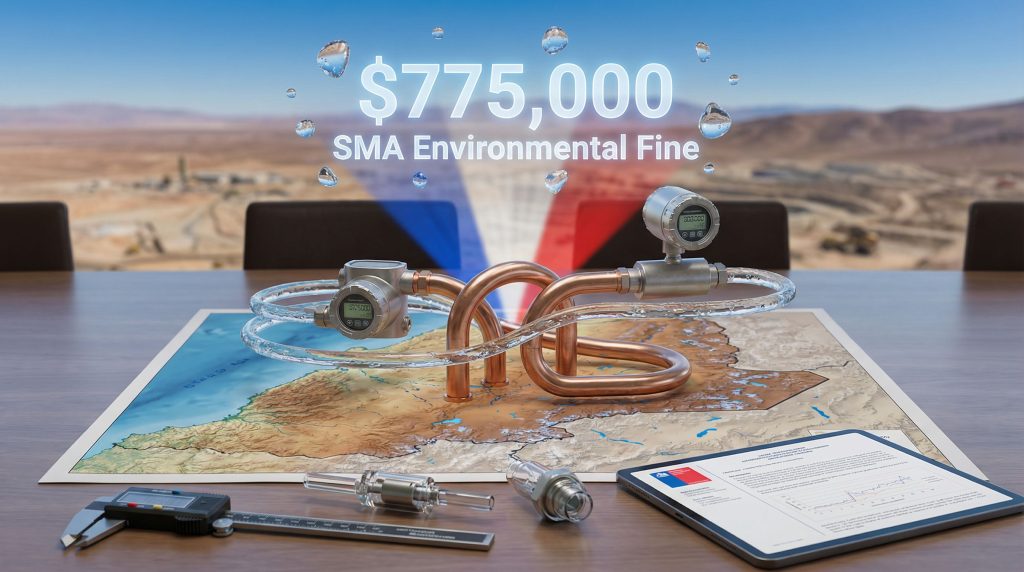
The Antofagasta Centinela copper mine fine of $775,000 resulted from three specific water management compliance failures identified during a comprehensive SMA investigation. These violations provide insight into the detailed nature of Chilean environmental enforcement and the consequences of inadequate monitoring systems.
Documented Water Resource Monitoring Failures
The enforcement action revealed systematic failures in water resource tracking at the Centinela operation. Missing documentation for exploration well LE-1 represented a significant compliance gap, demonstrating that regulatory authorities expect complete record-keeping for all exploration infrastructure.
Additionally, inadequate measurement frequency at La Cascada spring violated established protocols outlined in the El Tesoro project's environmental impact study. The failure to maintain proper measurement schedules indicates that regulatory compliance requires consistent adherence to predetermined monitoring timelines.
The third violation involved non-compliance with additional monitoring plan requirements, suggesting that environmental impact studies establish multiple layers of monitoring obligations that must be simultaneously maintained. In addition, industry leaders recognise that implementing a comprehensive sustainability transformation helps prevent such compliance issues.
Investigation Timeline and Classification Process
The investigation process that led to the Centinela fine originated from inspections conducted over a two-year period from 2019 to 2020. This extended timeline demonstrates the SMA's commitment to thorough investigation processes that examine compliance patterns rather than isolated incidents.
The violation received classification as a "minor" infraction under Chilean environmental law, distinguishing it from more severe categories that could trigger operational restrictions or permit suspensions. The minor classification resulted in a financial penalty with a 10-business-day payment requirement following official notification.
Contextualising the Fine Within Chile's Mining Penalty Structure
The $775,000 penalty against the Antofagasta Centinela copper mine fine provides a reference point for understanding Chilean environmental enforcement priorities and penalty structures. This financial consequence reflects the regulatory system's approach to addressing documentation and monitoring failures in water management.
Minor Violation Consequences vs. Operational Impact
The classification of the Centinela violations as minor suggests Chilean environmental law distinguishes between different severity levels of regulatory non-compliance. Minor violations typically result in financial penalties without immediate operational disruptions, allowing mining operations to continue while addressing compliance deficiencies.
The 10-business-day payment timeline indicates regulatory efficiency in penalty collection and provides mining companies with clear timeframes for resolving financial obligations stemming from environmental violations. However, Antofagasta's regulatory challenges highlight ongoing compliance issues within the sector.
Regulatory Classification System Implications
Chile's environmental regulatory framework categorises violations based on severity and potential environmental impact. The minor classification system appears designed to address compliance failures through financial consequences while reserving more severe penalties for violations that pose greater environmental risks.
Operational Implications for Copper Mining Compliance
The Centinela violation occurred at a facility producing 223,800 metric tons of copper annually, demonstrating that production scale does not exempt operations from detailed compliance requirements. The Antofagasta Centinela copper mine fine represents approximately $3.47 per ton of annual production, illustrating the financial impact of regulatory non-compliance.
Production Context and Project Integration
Centinela operates as an integrated project encompassing Antofagasta's Esperanza and El Tesoro properties under unified operational management. This integration model creates complex compliance requirements as environmental impact studies for individual projects must be maintained throughout operational consolidation.
The facility's ongoing $4.4 billion second concentrator development utilising seawater technology represents significant capital investment concurrent with regulatory enforcement. The seawater technology implementation demonstrates industry adaptation to water management challenges in arid mining regions.
Technology Integration in Compliance Management
Modern copper mining operations increasingly rely on technological solutions for environmental monitoring and compliance reporting. Automated water flow measurement systems and digital documentation protocols offer potential solutions for maintaining the precise records required by Chilean environmental regulators.
The Centinela case highlights the importance of robust documentation systems that can withstand multi-year regulatory investigations and provide complete records for exploration wells and water resource monitoring points. Furthermore, implementing data-driven operations can significantly improve compliance monitoring capabilities.
Investment Risk Assessment for Water Management Violations
Environmental compliance violations introduce specific risk factors that mining investors must evaluate when assessing Chilean copper assets. The distinction between minor and major violations affects investment risk calculations and due diligence requirements for international mining companies.
Financial Impact Analysis
The $775,000 fine represents a quantifiable compliance cost that mining operations must incorporate into operational budgets. For a facility producing 223,800 metric tons annually, this penalty level provides investors with insight into potential regulatory cost exposures for similar violations.
Minor classification violations appear to result in financial consequences without operational disruptions, suggesting that regulatory compliance costs can be managed through proper risk allocation and monitoring system investments. Consequently, understanding investment risk factors becomes essential for stakeholders.
Operational Continuity Considerations
The Centinela case demonstrates that minor environmental violations do not necessarily trigger permit revocation or operational suspension. This distinction provides important context for investment risk assessment, as minor compliance failures result in financial penalties rather than production interruptions.
However, the case also illustrates the importance of maintaining comprehensive documentation systems to avoid regulatory enforcement actions that could escalate into more severe violation categories.
Strategic Implications for Chile's Copper Industry
The Antofagasta Centinela copper mine fine reflects evolving environmental compliance expectations in Chile's mining sector. As water resources become increasingly valuable in arid mining regions, regulatory authorities are intensifying focus on documentation and monitoring requirements.
Compliance Cost Integration in Project Economics
Major copper producers must incorporate environmental compliance costs into project development and operational planning. The Centinela fine demonstrates that even minor violations can result in significant financial penalties, emphasising the importance of robust monitoring systems from project inception.
Companies developing new mining projects or expanding existing operations must allocate resources for comprehensive environmental monitoring systems that meet regulatory documentation requirements and measurement frequency standards. In addition, Chile's mining sector disruptions continue affecting operational stability.
Reputation Management for International Mining Companies
Environmental violations, even those classified as minor, can affect international mining companies' reputational standing and regulatory relationships. The Centinela case illustrates the importance of proactive environmental stewardship in maintaining operational licenses and stakeholder confidence.
Mining companies operating in Chile must balance production efficiency with environmental compliance requirements, ensuring that expansion projects incorporate adequate monitoring and documentation systems.
The next major ASX story will hit our subscribers first
Implementation Guidelines for Mining Industry Stakeholders
The Centinela enforcement action provides specific lessons for mining companies operating under Chilean environmental regulations. The violation patterns reveal critical areas where robust systems can prevent regulatory non-compliance.
Documentation and Monitoring System Requirements
Exploration well documentation must be comprehensive and continuously maintained throughout operational periods. The LE-1 exploration well documentation failure demonstrates that regulatory authorities expect complete record-keeping for all exploration infrastructure, regardless of operational status.
Water resource monitoring requires adherence to predetermined measurement frequencies established in environmental impact studies. The La Cascada spring measurement failure illustrates that regulatory compliance demands consistent execution of monitoring protocols without deviation from established schedules.
Environmental impact study provisions must be maintained throughout project lifecycles, including during operational integration and facility expansion phases. The El Tesoro project compliance failure suggests that regulatory obligations persist through operational transitions and management structure changes.
Proactive Regulatory Engagement Strategies
The multi-year investigation timeline from 2019-2020 inspections to enforcement action demonstrates the importance of maintaining continuous compliance readiness. Mining operations must prepare for extended investigation periods and ensure documentation systems can support regulatory scrutiny across multiple operational years.
Regular internal auditing of environmental monitoring systems can identify potential compliance gaps before they escalate into regulatory enforcement actions. The Centinela case illustrates that minor compliance failures can accumulate into significant financial penalties if left unaddressed.
Moreover, developing comprehensive mine reclamation insights helps companies establish long-term environmental stewardship frameworks that exceed regulatory requirements.
Critical Insight: Minor regulatory violations can result in substantial financial penalties, emphasising the importance of comprehensive environmental monitoring systems and meticulous documentation protocols for water resource management in Chilean mining operations.
The Antofagasta Centinela copper mine fine serves as a case study in Chilean environmental compliance enforcement, demonstrating that regulatory authorities maintain detailed oversight capabilities and expect precise adherence to water management protocols. Mining companies must invest in robust monitoring systems and documentation processes to maintain compliance with Chile's evolving environmental regulatory framework.
Looking to Invest in the Next Copper Discovery?
Discovery Alert's proprietary Discovery IQ model delivers instant notifications on significant ASX mineral discoveries, including copper exploration breakthroughs that could mirror Chile's major mining successes. Explore historic examples of exceptional returns from mineral discoveries and begin your 30-day free trial today to position yourself ahead of the market.