
May 22, 2026
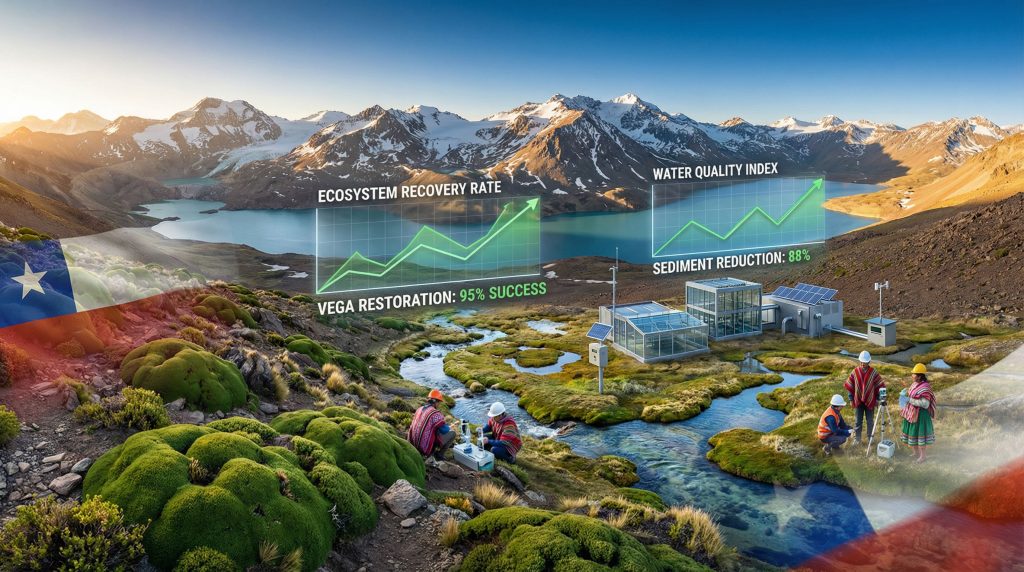
The mining industry's approach to environmental rehabilitation continues evolving as high-altitude ecosystem restoration presents unprecedented technical challenges. Traditional remediation strategies developed for lower-elevation sites often prove inadequate when applied to extreme alpine environments where harsh conditions, limited growing seasons, and fragile ecological relationships demand specialized intervention approaches. Understanding how complex ecosystem restoration unfolds in practice requires examining cases where multiple environmental violations converge with sophisticated legal frameworks, creating comprehensive mine reclamation innovation that may influence future industry standards.
The rehabilitation plan for Pascua Lama project serves as a critical case study for addressing environmental damage in sensitive alpine ecosystems. This complex restoration initiative demonstrates how advanced waste management solutions and innovative remediation approaches can address significant environmental violations while establishing precedents for future mining operations.
Environmental Violations That Forced Project Suspension
The Pascua-Lama case emerged from systematic environmental violations that exceeded authorized impact parameters in Chile's high-altitude Andean ecosystems. Environmental damage encompassed 13.8 hectares of Azorella madreporica ecosystem destruction alongside 0.16 hectares of vegas altoandinas (high-altitude wetlands) degradation, representing significant disruption to extremely sensitive alpine habitats.
Azorella madreporica functions as a keystone species in Andean páramo ecosystems, forming dense cushion mats that stabilise soils and enable establishment of other plant species in harsh alpine conditions above 3,500 meters elevation. These cushion plants grow extremely slowly, often requiring decades to establish mature colonies that provide structural foundation for entire high-altitude ecological communities.
Critical Regulatory Timeline and Enforcement Actions
The environmental violations triggered formal legal proceedings documented as Rol D-3-2019 in Chile's First Environmental Court system. The Consejo de Defensa del Estado (CDE) filed suit against Compañía Minera Nevada specifically for environmental damage "por sobre lo autorizado ambientalmente" – exceeding what was environmentally authorised under the original project approvals.
This legal framework established a crucial precedent: mining operations cannot claim regulatory compliance when actual impacts exceed authorised parameters, regardless of whether additional environmental harm was intentional or resulted from operational adjustments. Furthermore, the court's jurisdiction extended beyond simple violation assessment to comprehensive restoration oversight, including class action governance implications.
Key enforcement elements included:
- Comprehensive ecosystem damage assessment covering multiple habitat types
- Water quality impact evaluation in downstream agricultural zones
- Legal standing recognition for third-party environmental advocates
- Establishment of court-supervised restoration implementation monitoring
Water Resource Contamination Pathways
The environmental violations extended beyond direct habitat destruction to include water resource contamination affecting the Huasco Valley's agricultural irrigation systems. High-altitude mining operations create particular contamination risks because pollutants can migrate through groundwater systems and surface water flows that serve downstream agricultural communities.
Alpine mining sites present unique contamination challenges due to:
- Extreme temperature fluctuations that affect chemical stability and containment systems
- Seasonal precipitation patterns that concentrate contaminant transport during specific periods
- Soil freezing and thawing cycles that can compromise engineered containment barriers
- High-altitude atmospheric conditions that accelerate certain chemical degradation processes
When big ASX news breaks, our subscribers know first
Legal Framework Driving Restoration Requirements
Chile's environmental court system, established under Law No. 20,600 in 2012, created specialised jurisdiction for environmental damage cases including cross-border watershed impacts. The First Environmental Court (Primer Tribunal Ambiental) based in Santiago handles cases affecting certain regions including those with international implications.
Innovative Court Supervision Mechanisms
The Pascua-Lama case demonstrates sophisticated legal mechanisms for ongoing restoration oversight. Rather than imposing simple monetary penalties, the court approved a conciliatory agreement (acuerdo conciliatorio) in 2020 establishing comprehensive restoration commitments with periodic compliance review.
This approach reflects recognition that complex ecosystem restoration requires adaptive management over extended timeframes. The court maintains jurisdiction to:
- Review modification requests to restoration methodologies
- Assess implementation progress through scheduled hearings
- Consider third-party objections to proposed changes
- Enforce additional measures if restoration targets are not met
Recent court proceedings in April 2026 addressed modification requests to restoration measures, with attorney Sergio Millamán formally objecting to proposed changes on grounds they might not be "compatible con los compromisos asumidos en la conciliación" (compatible with commitments assumed in the conciliation).
Cross-Border Regulatory Coordination Challenges
The Pascua-Lama project's binational structure creates unique regulatory complexity requiring coordination between Chilean and Argentine environmental authorities. While the Chilean Environmental Court maintains jurisdiction over Chilean territory impacts, restoration effectiveness depends on coordinated watershed management across both countries.
This coordination challenge becomes particularly complex for:
- Groundwater contamination that may cross borders through underground flow systems
- Migratory species habitat restoration requiring habitat connectivity across both countries
- Shared water resource protection in transboundary watershed systems
- Consistent monitoring standards for evaluating restoration success
Core Components of the Restoration Strategy
The rehabilitation plan for Pascua Lama project encompasses a sophisticated two-track approach specifically designed for high-altitude Andean ecosystems. The Plan de Restauración y Puesta en Valor del Ecosistema Altoandino (Plan for Restoration and Enhancement of High-Altitude Ecosystem) targets distinct ecological components requiring specialised restoration methodologies.
High-Altitude Wetland Restoration Protocols
Vegas altoandinas represent extremely sensitive groundwater-dependent ecosystems found above 3,500 meters elevation in the Andes. The 0.16 hectares of affected wetlands require specialised restoration approaches addressing unique high-altitude challenges including:
Hydrological restoration requirements:
- Groundwater table re-establishment through engineered infiltration systems
- Surface water flow pattern restoration mimicking natural drainage
- Seasonal water availability management accounting for extreme precipitation variability
- Soil structure rehabilitation addressing freeze-thaw damage
Vegetation establishment challenges:
- Extremely short growing seasons limiting planting windows
- High UV radiation exposure requiring specialised plant protection
- Temperature extremes ranging from intense solar heating to severe nighttime freezing
- Limited soil development requiring substrate amendment and stabilisation
Azorella Madreporica Conservation and Propagation Programmes
Azorella madreporica conservation represents one of the most technically challenging aspects of the rehabilitation plan for Pascua Lama project. These cushion plants form the structural foundation of high-altitude ecosystem communities but exhibit extremely slow growth rates and specific establishment requirements.
Propagation methodology considerations:
- Greenhouse cultivation under controlled temperature and humidity conditions
- Genetic diversity preservation through collection from multiple source populations
- Mycorrhizal association establishment critical for plant survival in nutrient-poor soils
- Transplantation timing coordinated with optimal weather windows
Long-term establishment monitoring:
- Individual plant survival tracking over multiple growing seasons
- Colony expansion measurement using photographic documentation
- Soil stabilisation assessment around established cushion communities
- Associated species colonisation evaluation
Biodiversity Offset and Habitat Connectivity Planning
Beyond direct restoration of damaged areas, comprehensive ecosystem rehabilitation requires addressing broader landscape-level impacts through biodiversity offset mechanisms and habitat connectivity enhancement. These initiatives often integrate with renewable energy transformations to create sustainable long-term restoration solutions.
Offset calculation methodologies:
- Like-for-like habitat replacement accounting for ecosystem service equivalency
- Temporal offset ratios compensating for restoration timeline uncertainties
- Risk adjustment factors reflecting high-altitude restoration technical challenges
- Additionality requirements ensuring offset activities provide genuine conservation benefits
Habitat connectivity considerations:
- Wildlife movement corridor identification and protection
- Pollinator pathway enhancement for plant reproductive success
- Seed dispersal network restoration connecting isolated plant populations
- Climate change adaptation incorporating potential species range shifts
Modification Requests and Implementation Flexibility
The April 2026 Environmental Court hearing addressed proposed modifications to restoration implementation strategies, highlighting tension between adaptive management flexibility and stakeholder assurance of restoration effectiveness. The company presented modifications framed as technical improvements to "fortalecer la implementación y evaluación de las medidas, manteniendo su objetivo original" (strengthen implementation and evaluation of measures, maintaining their original objective).
Adaptive Management Principles in Ecosystem Restoration
High-altitude ecosystem restoration inherently involves significant scientific uncertainty regarding optimal methodologies and success probabilities. Adaptive management approaches allow restoration strategies to evolve based on:
Monitoring data integration:
- Real-time vegetation establishment success rates
- Soil condition improvement measurements
- Water quality recovery indicators
- Wildlife population recovery assessments
Technical methodology refinements:
- Plant propagation technique optimisation based on survival data
- Soil amendment formula adjustments reflecting site-specific conditions
- Irrigation system modifications addressing seasonal variability
- Pest and disease management protocol development
Balancing Flexibility with Accountability
The formal objection presented by attorney Sergio Millamán during the April 2026 court proceedings illustrates stakeholder concerns that modification requests might compromise restoration effectiveness. This tension reflects broader challenges in environmental restoration oversight:
Stakeholder accountability expectations:
- Quantifiable restoration targets with clear success criteria
- Timeline commitments establishing restoration milestone deadlines
- Resource allocation transparency documenting fund utilisation
- Scientific peer review of proposed methodology changes
Operational flexibility requirements:
- Site condition adaptation addressing unforeseen environmental challenges
- Technology integration incorporating improved restoration techniques
- Cost optimisation maintaining restoration effectiveness while managing expenses
- Schedule adjustment accommodating weather and seasonal constraints
Financial and Technical Resource Allocation
The rehabilitation plan for Pascua Lama project requires substantial financial commitment and specialised technical expertise sustained over multiple years. The restoration timeline extends from the 2020 conciliatory agreement approval through at least April 2026, indicating a minimum six-year implementation period with potential extensions based on ecosystem recovery assessment.
Multi-Year Funding and Implementation Structure
Environmental restoration in extreme high-altitude conditions requires sustained financial commitment accounting for:
Extended implementation timelines:
- Initial restoration phase involving soil preparation and infrastructure development
- Vegetation establishment period requiring multiple planting seasons and intensive monitoring
- Long-term monitoring phase extending years beyond initial restoration activities
- Adaptive management costs for methodology adjustments and additional interventions
Specialised equipment and infrastructure:
- High-altitude access systems including specialised vehicles and helicopter transport
- Controlled environment facilities for plant propagation and genetic preservation
- Monitoring technology including remote sensing and automated data collection systems
- Laboratory capacity for soil, water, and biological sampling analysis
Technical Expertise and Implementation Partnerships
Successful high-altitude ecosystem restoration requires collaboration between multiple specialised disciplines and institutional partnerships. The technical complexity demands expertise in:
Ecological restoration specialisations:
- Alpine botany focusing on extreme environment plant physiology
- High-altitude soil science addressing freeze-thaw and erosion processes
- Hydrological engineering for wetland and water flow system restoration
- Conservation genetics for maintaining plant population diversity
Implementation partnership requirements:
- University research collaboration providing scientific monitoring and evaluation
- Indigenous knowledge integration incorporating traditional ecological understanding
- Specialised contractor networks with high-altitude restoration experience
- International expertise exchange learning from similar restoration projects globally
Industry-Wide Implications for Environmental Standards
The Pascua-Lama restoration case establishes significant precedents for mining industry environmental compliance and rehabilitation standards. The Rol D-3-2019 case represents the first major high-altitude ecosystem restoration agreement under Chile's specialised environmental court system, potentially influencing regulatory approaches and industry practices across the mining sector.
Regulatory Precedent Setting and Future Standards
The Environmental Court's approach to complex ecosystem restoration creates new frameworks for addressing environmental violations in sensitive habitats. Consequently, these precedents demonstrate potential mining decarbonisation benefits through comprehensive environmental stewardship approaches.
Enhanced accountability mechanisms:
- Long-term court supervision extending years beyond initial violation resolution
- Third-party intervention rights allowing environmental advocates formal participation
- Modification review processes requiring justification for restoration strategy changes
- Comprehensive restoration requirements addressing multiple ecosystem components simultaneously
Enforcement innovation:
- Restorative rather than purely punitive approaches prioritising environmental recovery
- Adaptive management integration within legal framework allowing methodology evolution
- Cross-border coordination for projects affecting multiple jurisdictions
- Stakeholder participation mandates ensuring affected community involvement
ESG Compliance and Investor Scrutiny Evolution
The Pascua-Lama case demonstrates growing sophistication in environmental, social, and governance (ESG) compliance expectations for mining operations. In addition, Barrick Gold's environmental court ruling acceptance shows industry willingness to engage constructively with regulatory oversight.
Environmental performance indicators:
- Restoration success rates for damaged ecosystems
- Long-term monitoring commitments extending beyond operational periods
- Community relationship management including indigenous consultation processes
- Regulatory compliance consistency across multiple jurisdictions
Financial risk management:
- Environmental provision adequacy for potential restoration obligations
- Insurance coverage for environmental damage and restoration costs
- Operational risk assessment incorporating environmental violation probabilities
- Reputation management addressing environmental performance communications
The next major ASX story will hit our subscribers first
Long-Term Outcomes and Success Metrics
Evaluating rehabilitation success in high-altitude ecosystems requires sophisticated metrics accounting for unique environmental conditions and extended recovery timelines. The rehabilitation plan for Pascua Lama project establishes precedents for measuring restoration effectiveness in extreme environments.
Ecological Recovery Assessment Framework
Vegetation establishment metrics:
- Azorella madreporica colony expansion rates measured through annual photographic documentation
- Species diversity recovery comparing restored areas to reference ecosystem conditions
- Survival rates for transplanted vegetation across multiple growing seasons
- Natural regeneration indicators showing ecosystem self-restoration capacity development
Ecosystem function restoration:
- Soil stability improvement measured through erosion rate monitoring and soil development assessment
- Water retention capacity evaluation in restored wetland areas
- Pollinator activity recovery indicating ecosystem service restoration
- Carbon sequestration measurement showing long-term ecosystem health
Community and Economic Recovery Integration
Beyond ecological restoration, comprehensive rehabilitation success requires addressing social and economic impacts in affected communities. Success metrics include:
Agricultural productivity restoration:
- Water quality improvement in irrigation systems serving downstream agricultural areas
- Crop yield recovery in areas affected by water contamination
- Soil health restoration in agricultural zones impacted by mining activities
- Farmer income stabilisation following environmental impact mitigation
Community engagement effectiveness:
- Stakeholder satisfaction with consultation and participation processes
- Cultural site protection and access restoration for indigenous communities
- Local employment generation through restoration activities
- Capacity building programmes enhancing local environmental monitoring skills
Ongoing Monitoring and Adaptive Management
The rehabilitation plan for Pascua Lama project establishes sophisticated monitoring frameworks designed to track restoration progress and enable methodology refinements over extended timeframes. Long-term success requires sustained surveillance and adaptive management capabilities.
Multi-Stakeholder Oversight Framework
Court supervision mechanisms:
- Periodic compliance hearings allowing progress assessment and modification review
- Third-party intervention opportunities ensuring continued stakeholder participation
- Independent scientific advisory panel recommendations for restoration strategy adjustments
- Public reporting requirements maintaining transparency throughout implementation
Community participation integration:
- Local monitoring training programmes building community capacity for restoration oversight
- Traditional ecological knowledge incorporation in monitoring protocol design
- Participatory research approaches engaging communities in data collection and analysis
- Grievance mechanisms allowing community concerns about restoration effectiveness
Technology Integration for Long-Term Surveillance
Remote sensing applications:
- Satellite imagery analysis tracking vegetation recovery and ecosystem health indicators
- Drone monitoring providing detailed restoration area documentation
- Time-lapse photography documenting seasonal and annual ecosystem changes
- Thermal imaging assessing soil temperature and moisture conditions
Automated monitoring systems:
- Weather station networks collecting microclimate data affecting restoration success
- Soil moisture sensors monitoring irrigation effectiveness and water retention
- Water quality probes providing continuous contamination monitoring
- Wildlife camera networks documenting species recolonisation patterns
The Pascua-Lama rehabilitation case demonstrates how complex environmental restoration can establish new standards for mining industry environmental responsibility. Success depends on sustained financial commitment, technical expertise, community engagement, and adaptive management approaches that acknowledge the inherent uncertainties in ecosystem restoration while maintaining accountability for environmental recovery outcomes.
Disclaimer: This analysis is based on publicly available information and should not be considered as investment advice. Environmental restoration timelines and success rates involve significant uncertainty, and actual outcomes may differ from projected results. Investors should conduct independent research and consult qualified advisors before making investment decisions.
Want to Stay Ahead of Mining ESG Developments?
Mining companies facing environmental restoration requirements, like the Pascua-Lama case, often experience significant market impacts when regulatory outcomes are announced. Discovery Alert's proprietary Discovery IQ model tracks these critical developments alongside mineral discoveries, ensuring investors receive immediate alerts about companies navigating complex environmental compliance situations that could affect share prices. Start your 14-day free trial at Discovery Alert to position yourself ahead of both environmental and exploration announcements in the mining sector.