May 23, 2026
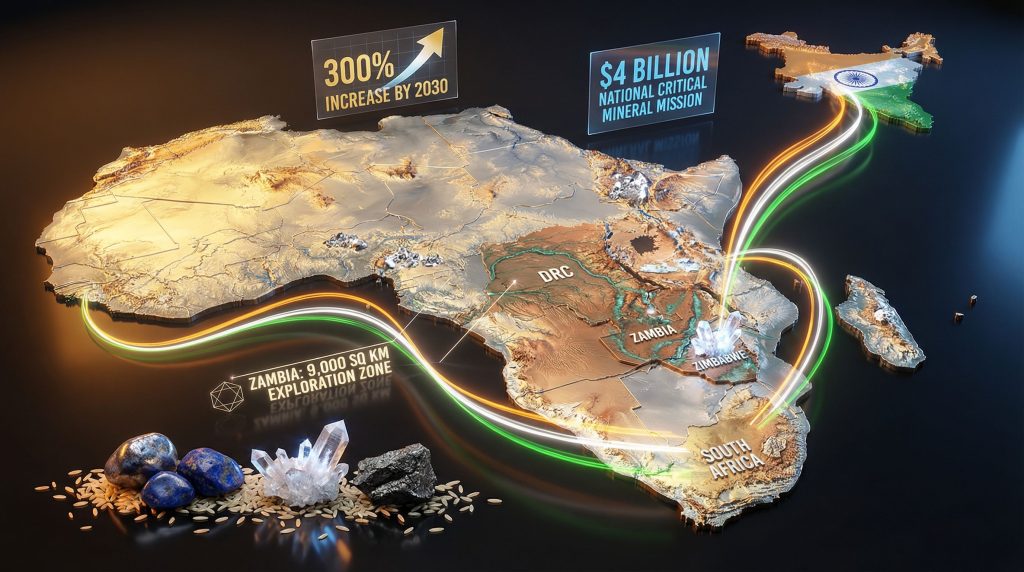
India's strategic pivot toward Africa represents a significant development in the global critical minerals transition, as India enters Africa's critical minerals race with sophisticated diplomatic frameworks that address both humanitarian needs and resource security objectives. This approach emerges against a backdrop of intensifying geopolitical tensions around key maritime chokepoints, which have forced major economies to fundamentally reconsider their strategic mineral procurement frameworks.
Understanding the Geopolitical Drivers Behind Resource Diversification
Supply Chain Vulnerabilities Expose Critical Dependencies
Recent disruptions around the Strait of Hormuz have highlighted fundamental weaknesses in global supply networks, particularly affecting energy flows and creating ripple effects across multiple sectors. These developments have prompted nations to accelerate supply chain diversification initiatives, recognising that resilience cannot be achieved through cargo rerouting alone.
The dependency on concentrated supply sources has created systemic risks that extend far beyond traditional energy security concerns. Battery manufacturing, power grid infrastructure, and renewable energy systems all rely on materials that flow through vulnerable chokepoints, making diversification an urgent strategic priority.
Furthermore, the US-China trade war has demonstrated how bilateral tensions can disrupt established supply chains. Consequently, countries are seeking alternative partnerships that reduce exposure to single-source dependencies.
Economic Imperatives Driving Strategic Partnerships
Contemporary mineral diplomacy reflects a sophisticated understanding of how resource access intersects with technological advancement and economic sovereignty. Countries are increasingly recognising that control over critical materials determines competitive positioning in emerging industries.
This shift has created opportunities for new partnerships that emphasise technology transfer and capacity building rather than traditional extractive relationships. Value-driven approaches to resource cooperation are gaining traction as mineral-rich regions seek to capture more value from their natural endowments.
The Russian uranium ban has further accelerated the search for alternative suppliers. This regulatory shift has opened new opportunities for partnerships with African uranium producers.
When big ASX news breaks, our subscribers know first
Strategic Humanitarian Engagement as Market Entry
Food Security Assistance Building Long-Term Relationships
Recent humanitarian initiatives across Africa demonstrate how food security assistance can establish foundation partnerships for broader economic cooperation. The delivery of 2,500 metric tonnes of rice across multiple African nations represents a sophisticated diplomatic strategy that addresses immediate needs while creating platforms for expanded engagement.
Recent Humanitarian Deployments:
• Burkina Faso: 1,000 metric tonnes supporting vulnerable communities and internally displaced populations
• Malawi: 1,000 metric tonnes addressing drought-related food shortages affecting over 4 million people
• Mozambique: 500 metric tonnes plus comprehensive relief supplies including shelter materials and medical provisions
These deployments coincide with growing recognition that traditional donor-recipient models are evolving toward partnership frameworks that emphasise South-South cooperation and mutual benefit arrangements. This approach distinguishes contemporary diplomatic strategies from historical aid patterns.
Disaster Response Capabilities Creating Diplomatic Capital
The humanitarian assistance provided to flood-affected regions demonstrates operational capabilities that extend beyond immediate relief into long-term relationship building. The coordination of rice shipments with additional relief supplies including tents, hygiene kits, and medicines reflects comprehensive disaster response frameworks.
This multifaceted approach creates diplomatic capital that facilitates broader economic discussions while addressing immediate humanitarian needs. In addition, the timing of these initiatives alongside global supply chain disruptions suggests strategic coordination between humanitarian objectives and economic partnership development.
Comparative Analysis of Global Resource Engagement Models
Infrastructure-Centric Versus Partnership-Driven Approaches
Contemporary resource diplomacy reveals distinct strategic philosophies among major global powers, each reflecting different theories about sustainable economic engagement and long-term partnership development.
Chinese Infrastructure Integration Model:
• Large-scale infrastructure financing including railways, ports, and power generation facilities
• Long-term resource access agreements linked to infrastructure development
• State-led investment coordination through established development frameworks
• Comprehensive regional connectivity projects spanning multiple countries
US Private Sector Facilitation Framework:
• Strategic supply chain partnership development
• Infrastructure corridor establishment supporting private investment flows
• Market-driven engagement with regulatory support structures
• Technology transfer through commercial partnerships
Emerging Value-Driven Diplomacy:
• Technology transfer and local capacity building emphasis
• Environmental and social governance integration
• Community-oriented development project coordination
• Skills development and educational partnership components
Competitive Positioning in African Markets
The entrance of additional powers into African resource markets creates opportunities for mineral-rich countries to diversify partnership options and capture increased value from their natural endowments. This competitive dynamic benefits African nations by providing alternatives to single-partner arrangements.
Partnership Differentiation Strategies:
• Environmental Standards: Emphasis on sustainable extraction and processing methods
• Local Value Addition: Technology transfer supporting domestic processing capabilities
• Community Benefits: Direct investment in education, healthcare, and infrastructure
• Governance Support: Regulatory framework development and institutional capacity building
However, this competitive landscape reflects broader patterns in the mining industry evolution, where traditional extractive models are giving way to more integrated approaches.
Critical Mineral Market Dynamics and Strategic Implications
Supply Chain Resilience Requirements
Contemporary supply chain disruptions have demonstrated that resilience requires diversification across multiple dimensions, including geographic sourcing, processing capabilities, and strategic stockpile management. The concentration of processing capacity in single regions creates vulnerabilities that cannot be addressed through transportation route modifications alone.
Multi-Dimensional Resilience Framework:
• Geographic Diversification: Multiple source countries reducing single-point-of-failure risks
• Processing Capability Distribution: Regional refining and processing capacity development
• Strategic Reserve Development: National stockpile programs for critical materials
• Alternative Technology Pathways: Research into substitute materials and recycling technologies
The development of diversified critical mineral inputs supports battery production, power grid infrastructure, and renewable energy systems that form the foundation of energy transition strategies. Countries pursuing aggressive decarbonisation timelines require secure access to lithium, cobalt, rare earth elements, and other materials that enable clean technology deployment.
Market Structure Evolution and Investment Flows
Traditional extractive industry investment patterns are evolving toward integrated value chain approaches that emphasise local processing capabilities and technology transfer components. This shift reflects both competitive pressures and recognition that sustainable partnerships require mutual benefit creation.
Investment Pattern Transformation:
• Integrated Value Chains: Mining, processing, and manufacturing capability development
• Technology Transfer Commitments: Knowledge sharing agreements supporting local capacity
• Infrastructure Coordination: Transportation, power, and communication system integration
• Environmental Compliance: Advanced environmental management and restoration capabilities
For instance, the US mineral production order has emphasised the importance of developing domestic and allied processing capabilities. This creates opportunities for partnerships that develop processing infrastructure in mineral-rich regions.
Regional Processing Hub Development Strategies
Local Value Addition Through Technology Transfer
The development of regional processing capabilities represents a fundamental shift from traditional commodity export models toward integrated value chain approaches that capture processing margins and create local employment opportunities. This transformation requires substantial technology transfer and capacity building investments.
Processing Capability Development Components:
• Refining Infrastructure: Advanced metallurgical processing facilities for raw materials
• Quality Control Systems: Laboratory and testing capabilities ensuring international standards
• Logistics Integration: Transportation and storage infrastructure supporting processed materials
• Technical Skills Development: Training programs for advanced processing operations
Regional processing hub development supports both importing countries seeking supply diversification and exporting countries pursuing value addition strategies. Furthermore, these initiatives create opportunities for sustained technical cooperation and knowledge transfer.
Educational and Technical Collaboration Frameworks
Contemporary resource partnerships increasingly emphasise educational and technical collaboration components that support sustainable capacity building and technology transfer objectives. These initiatives extend beyond traditional commercial arrangements to include academic partnerships and skills development programs.
Collaboration Framework Elements:
• University Partnership Programs: Joint research initiatives and student exchange arrangements
• Technical Training Centers: Specialised facilities for mining and processing skills development
• Research and Development Cooperation: Collaborative technology development projects
• Professional Development Pathways: Career advancement opportunities for local technical personnel
These educational partnerships create human capital development that supports long-term economic cooperation while addressing immediate technical capacity requirements for resource sector development.
Environmental and Social Governance Integration
Sustainable Mining Practice Implementation
Contemporary mineral partnerships increasingly incorporate environmental and social governance requirements that reflect evolving international standards and community expectations. These frameworks address environmental protection, community benefit sharing, and sustainable development objectives.
ESG Integration Components:
• Environmental Protection: Advanced waste management and ecosystem restoration programs
• Community Engagement: Local stakeholder participation in project planning and implementation
• Revenue Sharing: Transparent mechanisms ensuring community benefits from resource development
• Cultural Preservation: Protection of traditional land uses and cultural heritage sites
The integration of ESG standards creates competitive advantages for partnerships that demonstrate commitment to sustainable development while addressing growing investor and consumer demands for responsible resource sourcing.
Why Are Community Benefits Essential for Partnership Success?
Successful resource partnerships increasingly emphasise community-oriented development projects that address local priorities while supporting resource development objectives. These initiatives create shared value propositions that benefit local communities, resource-rich countries, and importing nations.
Community Development Integration:
• Healthcare Infrastructure: Medical facilities and service delivery capacity development
• Educational Facilities: School construction and educational program support
• Economic Diversification: Alternative livelihood development and small business support
• Infrastructure Development: Road, water, and communication system improvements
The next major ASX story will hit our subscribers first
Risk Assessment and Scenario Planning Frameworks
Geopolitical Risk Evaluation Methods
Contemporary resource partnership development requires sophisticated risk assessment frameworks that evaluate geopolitical, economic, and environmental factors affecting long-term viability. These assessments inform partnership structure decisions and risk mitigation strategy development.
Risk Assessment Dimensions:
• Political Stability: Government continuity and policy framework reliability
• Regulatory Environment: Legal framework stability and investment protection mechanisms
• Infrastructure Adequacy: Transportation, power, and communication system capacity
• Environmental Factors: Climate change impacts and environmental management requirements
Comprehensive risk assessment supports informed decision-making about partnership terms, investment timing, and risk mitigation measures that protect long-term partnership viability.
Investment Protection and Partnership Sustainability
Sustainable resource partnerships require investment protection mechanisms and partnership frameworks that address both commercial objectives and development goals. These structures must balance investor requirements for return predictability with host country objectives for value capture.
Partnership Sustainability Elements:
• Legal Framework Development: Investment protection and dispute resolution mechanisms
• Revenue Sharing Agreements: Transparent arrangements ensuring equitable benefit distribution
• Technology Transfer Commitments: Binding requirements for knowledge and capability transfer
• Performance Monitoring: Regular assessment of economic, social, and environmental outcomes
Strategic Outlook and Market Evolution Scenarios
Multi-Polar Competition Dynamics
The evolution toward multi-polar competition in African mineral markets creates opportunities for improved partnership terms and increased value capture for resource-rich countries. This competitive environment encourages innovation in partnership structures while providing alternatives to single-partner dependencies.
Competition-Driven Improvements:
• Enhanced Terms: Competitive pressure improving commercial arrangements for host countries
• Innovation Incentives: Partnership structure innovation addressing diverse objectives
• Technology Access: Increased technology transfer opportunities through competitive offerings
• Development Co-benefits: Expanded development project commitments supporting local priorities
This competitive dynamic supports sustainable development objectives while creating opportunities for importing countries to develop diversified, resilient supply chains that reduce dependency vulnerabilities.
Long-Term Partnership Evolution Pathways
Successful resource partnerships will likely evolve toward integrated value chain approaches that emphasise mutual benefit creation, technology transfer, and sustainable development outcomes. These partnerships will increasingly incorporate environmental and social governance requirements that reflect evolving international standards.
Partnership Evolution Trajectory:
• Value Chain Integration: Comprehensive partnerships spanning extraction, processing, and manufacturing
• Technology Innovation: Collaborative development of advanced extraction and processing technologies
• Sustainability Leadership: Environmental and social performance setting international benchmarks
• Regional Integration: Cross-border partnerships supporting regional economic development
As India enters Africa's critical minerals race, these evolving partnership models will depend on their ability to create shared value for all stakeholders while addressing critical material supply requirements and sustainable development objectives.
The success of India's strategic approach to African partnerships will ultimately be measured by its ability to create lasting relationships that benefit both sides. According to Africa and the Rare Earth Race, India's pivot represents a significant opportunity to reshape regional mineral diplomacy through value-driven partnerships.
Similarly, analysis from the East Asia Forum highlights how collaborative approaches can unlock critical mineral opportunities across Africa through strategic partnerships that emphasise technology transfer and sustainable development.
Disclaimer: This analysis is based on publicly available information and represents general market trends rather than specific investment advice. Readers should conduct their own research and consult qualified professionals before making investment decisions. Market conditions, regulatory environments, and geopolitical factors can change rapidly and may affect the outcomes discussed in this analysis.
Ready to Capitalise on Critical Minerals Investment Opportunities?
Discovery Alert's proprietary Discovery IQ model delivers real-time alerts on significant ASX mineral discoveries, instantly empowering subscribers to identify actionable opportunities ahead of the broader market in critical minerals and exploration stocks. Begin your 14-day free trial today and secure your market-leading advantage by visiting Discovery Alert to position yourself ahead of these evolving global mineral partnerships.