May 22, 2026

What Strategic Frameworks Drive India-Norway Renewable Energy Cooperation?
Global energy security dynamics are reshaping international partnerships, creating unprecedented opportunities for bilateral cooperation between resource-rich nations and rapidly growing economies. As climate commitments intensify and energy transition costs escalate, strategic partnerships that combine financial capital with technological expertise become critical success factors for achieving net-zero targets while maintaining economic growth trajectories. India-Norway renewable energy cooperation represents a prime example of how such partnerships can leverage complementary strengths to advance shared sustainability objectives.
The TEPA Foundation: Beyond Traditional Trade Agreements
The Trade and Economic Partnership Agreement between India and the European Free Trade Association, including Norway, represents a fundamental shift from conventional trade frameworks toward comprehensive economic integration. During bilateral discussions in Oslo on February 18, 2026, both nations agreed to leverage this agreement specifically for advancing blue economy and green economy initiatives, along with strategic investment through sovereign wealth and pension funds.
Investment commitments under this framework demonstrate the scale of ambition driving India-Norway renewable energy cooperation. The partnership structure encompasses multiple phases with targeted deployment timelines and specific technology focus areas that align with both nations' strategic energy security objectives.
Key Investment Timeline Structure:
- Foundation Phase (2025-2027): $15-20 billion focused on establishing technology partnerships and pilot projects
- Scale-up Phase (2027-2032): $40-50 billion targeting commercial deployment and supply chain integration
- Maturation Phase (2032-2040): $35-45 billion emphasising export capacity and technology leadership
This phased approach enables gradual technology absorption while building domestic capacity and reducing dependency on traditional energy suppliers. Furthermore, the framework prioritises joint venture models that facilitate knowledge transfer while protecting intellectual property rights for both partners.
Sovereign Wealth Fund Integration Models
Norway's Government Pension Fund Global, the world's largest sovereign wealth fund with assets exceeding $1.7 trillion, presents unique opportunities for long-term renewable energy investments in India's rapidly expanding market. Risk-return profiles for renewable infrastructure in emerging markets typically show favourable characteristics when combined with appropriate currency hedging and political risk mitigation strategies.
The fund's investment philosophy emphasises sustainable returns over decades rather than quarterly performance metrics, aligning perfectly with renewable energy project lifecycles that often span 20-30 years. Capital allocation frameworks developed specifically for energy transition projects incorporate environmental, social, and governance criteria alongside traditional financial metrics.
Investment Structure Characteristics:
- Long-term capital commitment periods (15-25 years)
- Blended finance mechanisms combining public and private capital
- Performance-based payment structures tied to renewable energy generation
- Currency risk management through local currency financing options
When big ASX news breaks, our subscribers know first
Which Technology Domains Offer Strategic Value for Bilateral Cooperation?
Solar Manufacturing and Supply Chain Integration
Solar power represents a cornerstone of the India-Norway renewable energy cooperation framework, with specific emphasis on manufacturing localisation and supply chain resilience. India's domestic solar capacity has grown exponentially, reaching over 70 GW by 2024, while Norwegian technology expertise focuses on advanced materials and manufacturing process optimisation.
Critical mineral dependencies present both challenges and opportunities for bilateral cooperation. The critical minerals transition demonstrates how supply chain resilience strategies must address potential disruptions while ensuring cost competitiveness against established manufacturers. Moreover, production-linked incentive schemes in India create favourable conditions for Norwegian companies establishing manufacturing facilities with technology transfer components.
Manufacturing Integration Framework:
- Technology transfer agreements for advanced solar cell manufacturing
- Joint research initiatives on next-generation photovoltaic materials
- Supply chain mapping and critical mineral sourcing strategies
- Quality certification programmes ensuring international competitiveness
The partnership leverages Norway's expertise in materials science and India's manufacturing scale to create competitive advantages in global solar markets while reducing dependence on traditional suppliers.
Rare Earth Processing: Strategic Resource Security
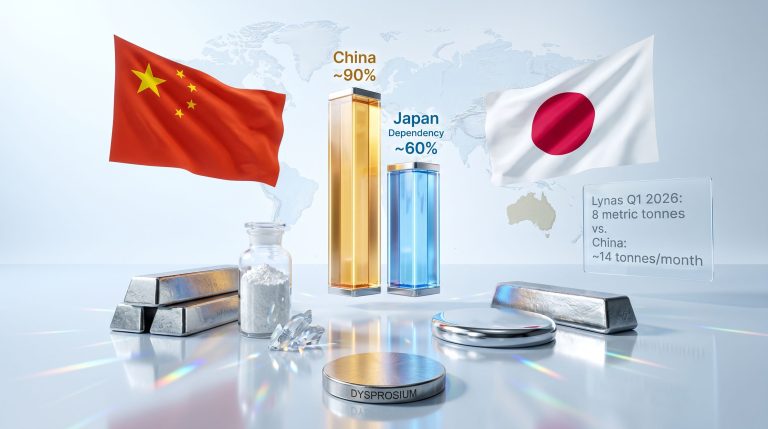
Rare earth processing emerged as a priority cooperation domain during the February 2026 bilateral discussions, reflecting growing concerns about supply chain concentration and geopolitical vulnerabilities. Norway's mineral extraction capabilities, combined with India's processing scale and technological expertise, create opportunities for strategic resource security enhancement.
Current global rare earth supply chains exhibit significant concentration risks, with China controlling approximately 85% of global processing capacity. This concentration creates vulnerabilities for renewable energy manufacturing, particularly for permanent magnet production essential to wind turbines and electric vehicle motors.
Strategic Resource Security Framework:
- Joint exploration and extraction projects in Norwegian mineral deposits
- Technology transfer for rare earth separation and purification processes
- Development of alternative supply chains reducing single-source dependencies
- Research collaboration on rare earth recycling and circular economy models
Technology transfer mechanisms focus on established international best practices while ensuring intellectual property protection and commercial viability. Geopolitical implications extend beyond bilateral relations, potentially influencing broader European Union and Indo-Pacific regional energy security strategies.
Carbon Capture and Storage: Industrial Decarbonisation Pathways
Carbon capture and storage technology cooperation represents a critical component of the bilateral partnership, particularly given Norway's leadership in offshore CO2 storage solutions and India's substantial industrial emission reduction requirements. Norway operates the world's first commercial-scale offshore CO2 storage facility at Sleipner, providing valuable operational experience for similar projects in Indian waters.
India's industrial sector accounts for approximately 30% of national CO2 emissions, creating significant demand for CCUS technologies across steel, cement, petrochemicals, and power generation sectors. Implementation challenges include high capital costs, regulatory frameworks, and technical complexity of retrofitting existing industrial facilities. However, decarbonisation benefits clearly demonstrate the long-term economic advantages of early adoption.
CCUS Deployment Strategy:
- Offshore storage site identification and characterisation in Indian waters
- Technology adaptation for tropical climate conditions and geological formations
- Regulatory framework development for cross-border carbon transport and storage
- Industrial cluster development for shared CCUS infrastructure
Cross-border carbon credit mechanisms could provide additional financing for CCUS projects while contributing to both nations' nationally determined contributions under the Paris Agreement. Regulatory frameworks must address liability, monitoring, and verification requirements for long-term CO2 storage projects.
How Do Investment Scenarios Impact Long-Term Energy Security?
Accelerated Deployment Scenario (2025-2030)
The accelerated deployment scenario assumes rapid scaling of renewable energy infrastructure through intensive capital deployment and streamlined regulatory processes. This pathway requires coordinated efforts across technology deployment, grid integration, and workforce development within compressed timelines.
Infrastructure requirements under this scenario include substantial grid modernisation investments, estimated at $25-30 billion for smart grid technologies and transmission network upgrades. Investment timeline analysis indicates front-loaded capital requirements with payback periods extending 12-15 years depending on technology costs and policy support mechanisms.
Risk Factors Analysis:
- Regulatory Changes: Policy shifts affecting renewable energy incentives or foreign investment regulations
- Technology Costs: Rapid price deflation in solar and wind technologies impacting project economics
- Grid Integration: Technical challenges managing intermittent renewable energy at scale
- Supply Chain Disruptions: Material shortages or logistics constraints affecting deployment schedules
Success under this scenario depends on maintaining political consensus across electoral cycles and ensuring adequate skilled workforce availability for construction and operation activities. Consequently, the Canada energy transition experience offers valuable lessons for managing similar challenges.
Gradual Integration Scenario (2025-2035)
The gradual integration pathway emphasises sustainable technology absorption and domestic capacity building over aggressive deployment targets. This approach balances foreign investment with indigenous manufacturing development, creating longer-term competitive advantages while managing transition risks.
Technology absorption rates for India's renewable sector typically range from 60-75% over 5-7 year periods, depending on complexity and local technical capabilities. Skill development pathways must align with technology deployment schedules to avoid bottlenecks in qualified personnel for operation and maintenance activities.
Market Penetration Projections:
| Technology | 2027 Target | 2032 Target | 2035 Target |
|---|---|---|---|
| Solar PV | 120 GW | 280 GW | 450 GW |
| Offshore Wind | 5 GW | 30 GW | 60 GW |
| Green Hydrogen | 2 GW electrolysis | 25 GW electrolysis | 60 GW electrolysis |
| CCUS | 5 Mt CO2/year | 50 Mt CO2/year | 150 Mt CO2/year |
This scenario provides greater flexibility for course corrections based on technological developments and changing market conditions while maintaining steady progress toward long-term energy security objectives.
Breakthrough Innovation Focus Scenario
The innovation-focused scenario prioritises emerging technologies with potential for market disruption and competitive advantage creation. Green hydrogen, floating solar installations, and advanced energy storage systems represent key focus areas with significant commercial potential beyond domestic markets.
Research and development collaboration frameworks emphasise joint intellectual property development and commercialisation pathways that benefit both partners. Norwegian research institutions bring expertise in materials science and marine engineering, while Indian institutes contribute manufacturing engineering and systems integration capabilities.
Technology Readiness Assessment:
- Green Hydrogen: Technology readiness level 6-7, commercial deployment 2027-2030
- Floating Solar: Technology readiness level 8-9, commercial deployment 2025-2027
- Advanced Storage: Technology readiness level 5-6, commercial deployment 2030-2035
Intellectual property sharing mechanisms must balance open innovation with commercial competitiveness, ensuring both partners benefit from breakthrough developments while maintaining incentives for continued research investment. In addition, the battery recycling breakthrough demonstrates how innovative approaches can transform entire value chains.
What Are the Geopolitical Implications of Enhanced Energy Cooperation?
Regional Energy Security Dynamics
India's current energy import dependencies create vulnerabilities to price volatility and supply disruptions, with approximately 85% of crude oil and 50% of natural gas requirements met through imports. Enhanced renewable energy cooperation with Norway contributes to diversification strategies while reducing exposure to traditional energy suppliers.
Norway's role extends beyond bilateral cooperation to supporting broader European energy security objectives following disruptions in Russian energy supplies. This partnership demonstrates alternative cooperation models that could influence similar arrangements across the Indo-Pacific region.
Strategic Significance Indicators:
- Reduction in fossil fuel import dependency: 15-20% by 2035
- Diversification of critical mineral supply chains: 30-40% alternative sourcing
- Enhancement of technological self-reliance: 60-70% domestic manufacturing capability
- Strengthening of democratic energy partnerships: multilateral cooperation frameworks
The anticipated visit of Prime Minister Narendra Modi to Norway later in 2026 signals high-level political commitment to expanding bilateral cooperation beyond energy into broader economic and strategic domains. Furthermore, such high-level diplomatic engagement reinforces the strategic importance of India-Norway renewable energy cooperation in the broader context of India-Norway economic partnership strengthening.
Technology Transfer and Innovation Ecosystems
Joint research initiatives between Norwegian and Indian institutions create knowledge networks that extend beyond immediate commercial applications. These collaborations typically involve 3-5 year research programs with shared funding and intellectual property arrangements.
Cleantech startup ecosystem development benefits from cross-border mentorship programs and access to Norwegian venture capital with sustainability focus. Talent exchange programs facilitate knowledge transfer while building long-term relationships between research communities.
Innovation Ecosystem Components:
- University research partnerships: 15-20 joint programmes by 2028
- Startup incubation programmes: bi-directional entrepreneur exchange
- Corporate innovation labs: shared R&D facilities and testing infrastructure
- Talent mobility: 500-700 annual researcher and student exchanges
Capacity building mechanisms emphasise sustainable knowledge transfer that creates lasting institutional capabilities rather than project-specific technical assistance. However, the success of these initiatives depends on renewable energy collaboration frameworks that ensure mutual benefit and long-term sustainability.
How Will Blue Economy Integration Amplify Renewable Energy Synergies?
Offshore Wind Development Strategies
Blue economy integration represents a natural extension of renewable energy cooperation, leveraging Norway's offshore expertise for India's coastal renewable potential. Indian coastal waters offer substantial offshore wind resources, estimated at over 70 GW of technical potential within 200 km of coastline.
Norway's offshore wind experience includes floating platform technologies essential for deeper water installations where fixed-foundation turbines are not economically viable. Maritime infrastructure requirements include specialised vessels, port facilities, and maintenance capabilities that create additional investment opportunities.
Offshore Development Framework:
- Site assessment and resource mapping: 2025-2027
- Pilot project deployment: 2027-2030
- Commercial scale development: 2030-2035
- Export capacity development: 2035-2040
Environmental impact assessment protocols must address marine ecosystem protection while enabling sustainable offshore development that supports both renewable energy and fishing industry coexistence.
Green Shipping Corridor Development
Hydrogen fuel cell technology for maritime transport creates additional demand for green hydrogen production, supporting broader renewable energy ecosystem development. Port infrastructure modernisation for clean fuel handling requires coordinated investments in storage, distribution, and bunkering facilities.
International shipping decarbonisation compliance strategies align with International Maritime Organisation targets for 50% emission reduction by 2050. Green shipping corridors between Indian and European ports could demonstrate commercial viability for clean fuel technologies.
Infrastructure Requirements:
- Hydrogen production facilities: 5-10 GW electrolysis capacity by 2035
- Port modernisation: 15-20 major ports with clean fuel capabilities
- Distribution networks: pipeline and truck transport infrastructure
- International standards: safety and quality certification frameworks
This integration creates circular benefits where renewable energy supports shipping decarbonisation while maritime transport facilitates renewable energy equipment trade and maintenance logistics. Consequently, the battery metals investment landscape becomes increasingly important for supporting these integrated systems.
What Implementation Challenges Could Derail Partnership Success?
Regulatory Harmonisation Requirements
Differences in environmental standards and approval processes create potential delays and increased compliance costs for cross-border projects. Norwegian environmental regulations typically require more extensive impact assessments compared to Indian standards, creating potential friction in project development timelines.
Investment protection mechanisms must address currency risk, political risk, and regulatory change risk through appropriate insurance and contractual arrangements. Dispute resolution frameworks should provide efficient arbitration processes while respecting both nations' sovereign regulatory authority.
Regulatory Challenge Areas:
- Environmental Standards: Harmonisation of impact assessment requirements
- Technology Certification: Mutual recognition of equipment standards and safety protocols
- Local Content Requirements: Balancing domestic manufacturing with technology import needs
- Foreign Investment Regulations: Ensuring policy stability across electoral cycles
Local content requirements under India's production-linked incentive schemes may conflict with technology import dependencies, requiring careful calibration to achieve policy objectives without undermining project economics.
Financial Structure Optimisation
Currency risk management for long-term infrastructure projects requires sophisticated hedging strategies given the 15-25 year project lifecycles typical of renewable energy investments. Rupee-krone exchange rate volatility could significantly impact project returns without appropriate risk mitigation.
Blended finance mechanisms combining public and private capital help optimise risk allocation while ensuring adequate returns for commercial investors. Development finance institutions from both countries could play catalytic roles in structuring early-stage projects that demonstrate commercial viability.
Financial Structure Elements:
- Currency Hedging: Long-term forward contracts and currency swaps
- Political Risk Insurance: Coverage for regulatory changes and contract enforceability
- Performance Guarantees: Output-based payment structures with penalty clauses
- Exit Strategies: Secondary market development for infrastructure investments
Performance-based payment structures align investor returns with actual renewable energy generation, creating incentives for optimal project design and operation while protecting purchaser interests.
The next major ASX story will hit our subscribers first
Which Success Metrics Will Define Partnership Effectiveness?
Quantitative Performance Indicators
Renewable energy capacity additions attributable to India-Norway renewable energy cooperation provide the most direct measure of partnership success, with targets of 25-30 GW by 2030 and 75-100 GW by 2035 across all technology categories.
Technology transfer success rates can be measured through localisation achievements, with targets of 70% domestic content in solar manufacturing and 60% domestic content in wind turbine production by 2032. Investment flow tracking requires systematic monitoring of capital deployment against planned schedules.
Performance Measurement Framework:
| Metric Category | 2027 Target | 2032 Target | 2035 Target |
|---|---|---|---|
| Renewable Capacity (GW) | 8-12 | 35-50 | 75-100 |
| Investment Flow ($B) | 18-22 | 75-85 | 120-140 |
| Local Content (%) | 45-55 | 65-75 | 80-85 |
| Job Creation (thousands) | 150-200 | 500-700 | 800-1200 |
Economic impact measurements should include direct employment creation, indirect economic benefits, and export revenue generation from renewable energy equipment and services.
Strategic Impact Assessment Framework
Energy security improvement metrics for both nations include import dependency reduction, supply chain diversification, and technological self-reliance enhancement. Norway benefits from market diversification beyond traditional European customers while India gains access to advanced technologies and patient capital.
Global competitiveness enhancement in clean technology sectors can be measured through market share growth, technology patent applications, and export performance in third-country markets. Climate commitment fulfilment requires alignment with nationally determined contributions and long-term net-zero targets.
Strategic Success Indicators:
- Energy Independence: Reduction in fossil fuel imports by 15-20% by 2035
- Technology Leadership: 25-30% market share in selected clean technology segments
- Economic Integration: Bilateral trade growth of 150-200% by 2035
- Climate Impact: Contribution to 40-45% renewable energy mix by 2030
Partnership effectiveness ultimately depends on creating sustainable competitive advantages that persist beyond initial cooperation agreements while contributing measurably to global climate objectives.
Disclaimer: This analysis contains forward-looking statements and projections based on current information and assumptions. Actual results may vary significantly due to technological developments, policy changes, market conditions, and other factors beyond the scope of this assessment. Investment and policy decisions should be based on comprehensive due diligence and professional advice.
Looking to Capitalise on Critical Minerals and Energy Transition Opportunities?
Discovery Alert's proprietary Discovery IQ model delivers real-time alerts on significant ASX mineral discoveries, instantly identifying opportunities in critical minerals essential for renewable energy infrastructure and battery technologies. Explore how historic mineral discoveries have generated exceptional returns by visiting Discovery Alert's dedicated discoveries page, and begin your 14-day free trial today to position yourself ahead of the market in this rapidly evolving sector.