May 23, 2026
Industrial Demand Fundamentals Reshape Silver's Price Discovery Mechanisms
Modern silver markets operate through complex industrial consumption patterns that distinguish this precious metal from traditional investment assets. Manufacturing sectors now account for more than half of annual silver consumption, creating supply-demand dynamics that respond differently to economic cycles compared to purely financial instruments.
Solar panel manufacturing represents the largest single industrial application, consuming approximately 140 million ounces annually as photovoltaic technology expands globally. Electric vehicle production requires silver-based components for battery management systems and charging infrastructure, adding 25 million ounces to yearly demand. Semiconductor fabrication processes utilize silver's superior electrical conductivity properties, creating consistent industrial consumption regardless of investment sentiment fluctuations.
These structural demand patterns explain why silver scores UK record levels even as broader financial markets experience volatility. Unlike gold's primary role as monetary insurance, silver functions as both precious metal and critical industrial input, creating dual price support mechanisms.
When big ASX news breaks, our subscribers know first
Technical Price Formation Through Multi-Exchange Arbitrage Systems
Silver price discovery operates through sophisticated arbitrage mechanisms across London Metal Exchange futures, COMEX positioning data, and Shanghai Futures Exchange premiums. Professional trading desks monitor microsecond price differentials between these venues, creating efficient price transmission globally.
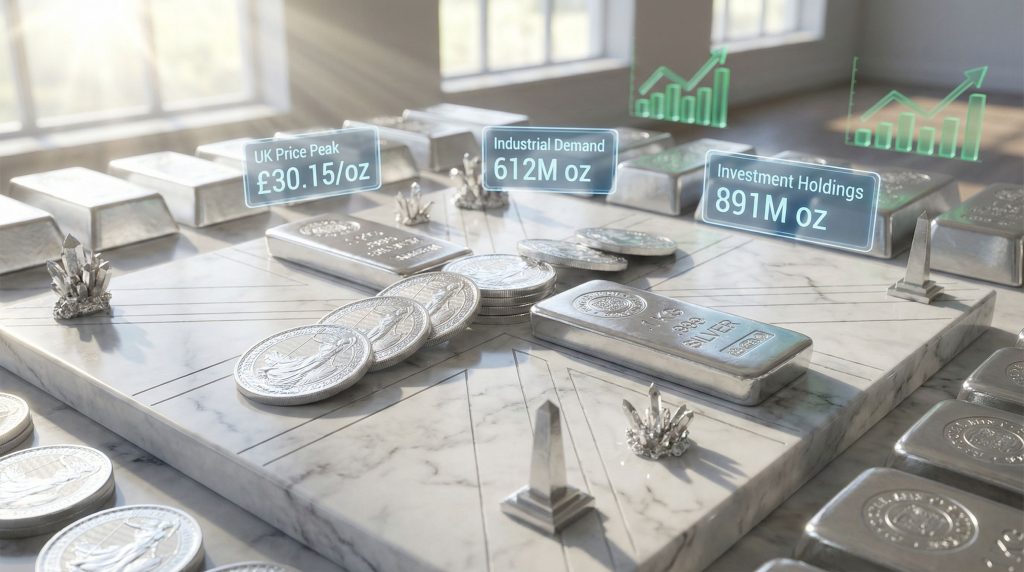
Currency hedging strategies amplify local price movements when exchange rates diverge from historical relationships. UK-based silver dealers adjust inventory management protocols when pound sterling strengthens against the US dollar, effectively reducing acquisition costs for British consumers. This mechanism contributed to silver achieving £30.15 per ounce milestone during September 2025.
Forward contract structures in professional silver markets support sustained higher price levels through institutional hedging requirements. Mining companies typically hedge 12-18 months of future production, while industrial consumers hedge similar timeframes of anticipated consumption. When both sides reduce hedging activity simultaneously, spot prices can move rapidly higher.
Supply Chain Constraints Create Structural Market Tightness
Primary silver mine production faces declining ore grades across major producing regions, forcing operators to process larger volumes of rock for equivalent metal output. Environmental regulations restrict new mine development timelines, typically extending project approval processes from 7-10 years to 12-15 years in developed jurisdictions.
Secondary silver recovery operations, providing approximately 180 million ounces annually through recycling, face processing capacity limitations as electronic waste volumes increase faster than recycling infrastructure expansion. Geopolitical tensions affecting South American producers create additional supply uncertainty, as these regions contribute 55% of global mine production.
These constraints explain why a silver market squeeze tightens even during periods of economic uncertainty. Unlike paper financial assets that can expand through monetary creation, physical silver supply responds slowly to price signals due to long development cycles and regulatory requirements.
Currency-Specific Performance Analysis Reveals Regional Opportunities
| Currency | September 2025 High | Previous Record | Percentage Above Record |
|---|---|---|---|
| British Pound | £30.15/oz | £29.50/oz (2011) | +2.2% |
| Euro | €34.74/oz | €32.80/oz (2011) | +5.9% |
| US Dollar | $40.50/oz | $49.45/oz (1980) | -18.1% |
Regional currency performance reflects different monetary policies and economic conditions affecting precious metals demand. European Central Bank quantitative easing programs influence euro-denominated silver pricing through portfolio rebalancing effects, while Bank of England policy divergence creates unique dynamics for sterling-based investors.
Brexit-related currency volatility generates arbitrage opportunities for silver traders operating across European Union and United Kingdom markets. Furthermore, tariff impacts on silver affect import duties, creating temporary price differentials that sophisticated traders exploit through cross-border transactions.
Investment Flow Patterns Signal Institutional Allocation Shifts
Exchange-traded fund holdings across major silver products reached 891 million ounces during September 2025, representing a 40.5% increase compared to 2011 peak levels. This expansion reflects broader institutional acceptance of precious metals as portfolio diversification tools rather than speculative trading vehicles.
Retail investor participation increased through fractional ownership platforms and digital storage solutions, democratizing access to physical silver markets. Insurance and security protocols vary significantly across storage providers, creating differentiated service offerings for various investor segments.
Professional money managers incorporate silver exposure through multiple vehicles, and many utilise an ETC investment guide for structured approaches:
- Physical Holdings: Direct ownership through allocated storage accounts
- Mining Equity Positions: Leveraged exposure through producer company stocks
- Futures Contracts: Professional hedging and tactical trading strategies
- Structured Products: Complex derivatives offering customised risk profiles
Options Markets Reveal Forward-Looking Price Expectations
Derivatives markets provide insight into professional trader sentiment through options positioning and volatility pricing structures. Call option volume increased significantly at strike prices above $45 per ounce USD, suggesting traders position for continued upward price movement.
Put/call ratios across major silver options markets indicate bullish sentiment continuation, with protective put buying remaining below historical averages. Implied volatility pricing reflects elevated uncertainty compared to recent periods, but remains below levels seen during major financial disruptions.
Term structure analysis shows longer-dated contracts maintaining premium levels relative to spot prices, indicating market participants expect sustained higher silver prices rather than temporary spikes. This contrasts with previous bull markets driven primarily by speculative momentum, and these conditions where silver scores UK record levels demonstrate market maturity.
The next major ASX story will hit our subscribers first
Mining Sector Dynamics Influence Long-Term Supply Projections
Silver mining operations face unique challenges as most silver production occurs as byproduct from base metal operations. Approximately 70% of annual silver supply comes from lead, zinc, and copper mining, creating supply dynamics independent of silver price movements.
Primary silver mines typically operate with higher production costs but respond more directly to price signals. When silver prices increase substantially, these operations can expand production more rapidly than byproduct producers, providing eventual supply response to tight market conditions.
Environmental, Social, and Governance (ESG) considerations increasingly influence mining investment decisions, potentially constraining future supply expansion. Additionally, mining sector trends show institutional investors applying ESG screening criteria to mining company investments, affecting capital availability for new project development.
Understanding Silver Hallmarks for UK Investors
For those considering physical silver investments, understanding British silver hallmarks provides crucial authentication knowledge. These marks guarantee silver purity and origin, protecting investors from counterfeits.
However, recognising sterling marks requires specialised knowledge that many investors lack. Professional guidance from certified hallmark experts helps verify authenticity when purchasing antique silver items or collectible pieces.
Recycling Recovery Rates Impact Secondary Supply Dynamics
Silver recycling operations recover metal from various sources including jewellery, photography, electronics, and industrial applications. Recovery rates vary significantly by application, with jewellery and coin recycling achieving 90%+ efficiency while electronic waste recovery typically achieves 60-70% efficiency.
Technological improvements in recycling processes increase recovery rates over time, but growing electronic waste volumes create logistical challenges for collection and processing. Urban mining initiatives attempt to capture silver from municipal waste streams, but face economic constraints when silver prices decline.
Secondary supply provides market stabilisation during periods of strong price appreciation, as higher prices incentivise increased recycling activity. This mechanism helps prevent extreme price dislocations but responds with lag times measured in months rather than days.
Geopolitical Factors Affecting Global Silver Trade Flows
International trade policies increasingly affect precious metals markets through tariff structures and export restrictions. Major silver-producing countries occasionally implement export taxes or quotas during periods of domestic economic stress, disrupting global supply chains.
Strategic stockpiling initiatives by various governments create additional demand that differs from commercial or investment purchasing patterns. These accumulation programs typically operate over multi-year timeframes and may not respond to short-term price fluctuations.
Sanctions regimes affecting specific countries or companies can redirect silver trade flows through alternative channels, potentially creating temporary regional price disparities. Professional traders monitor these developments for arbitrage opportunities and supply chain risk management.
Technology Sector Silver Consumption Trends
Fifth-generation wireless technology deployment requires silver components in base station equipment and mobile devices, creating steady industrial demand growth. Semiconductor manufacturing processes increasingly utilise silver-based materials for specialised applications where copper alternatives prove inadequate.
Electric vehicle charging infrastructure development consumes silver through electrical contact applications and high-performance cable systems. As charging networks expand to support transportation electrification, silver consumption from this sector grows proportionally.
Emerging technologies including quantum computing and advanced medical devices may create additional silver demand categories. Although these applications remain in early development stages with uncertain commercial scaling timelines, the supply-demand drivers for silver continue evolving with technological advancement.
What Drives Future Silver Demand Growth?
Industrial applications continue expanding beyond traditional uses, with renewable energy infrastructure requiring substantial silver quantities. Battery technology advancement creates additional consumption pathways as energy storage systems proliferate globally.
Medical device manufacturing increasingly relies on silver's antimicrobial properties for specialised applications. Consequently, these diverse demand sources create resilient consumption patterns that support price stability.
Risk Assessment Framework for Silver Investment Strategies
Silver investment involves multiple risk factors including price volatility, storage costs, liquidity considerations, and tax implications. Investors must evaluate these factors against portfolio objectives and risk tolerance levels before establishing silver positions.
Market Volatility Risks:
- Daily price movements typically exceed other precious metals
- Industrial demand cycles create additional price pressure
- Speculative trading can amplify short-term price swings
- Currency fluctuations affect international investor returns
Operational Considerations:
- Physical storage requires security and insurance arrangements
- Transaction costs vary significantly across purchase methods
- Tax treatment differs by jurisdiction and holding structure
- Liquidity may be limited during market stress periods
Professional investors often implement silver exposure through diversified approaches combining physical holdings, ETF positions, and mining equity allocations. This strategy reduces concentration risk while maintaining precious metals exposure across multiple market segments.
Market Psychology Indicators During Price Appreciation Phases
Silver markets exhibit distinct psychological characteristics during sustained price appreciation periods. Social media sentiment analysis shows increased public interest correlates with price momentum, creating feedback loops that can accelerate trends.
Professional trading desks monitor retail investor behaviour through coin and bar sales data, ETF flow patterns, and online discussion activity. These indicators help identify potential market inflection points where sentiment shifts may affect price direction.
Historical analysis suggests silver bull markets develop through distinct phases: initial industrial demand growth, institutional recognition, retail investor participation, and eventual speculative excess. Understanding these phases helps investors calibrate position sizing and exit strategies, particularly when silver scores UK record levels indicating market maturation.
Investment Disclaimer: This analysis provides educational information only and should not be construed as investment advice. Precious metals investments carry significant risks including price volatility, storage costs, and potential loss of principal. Investors should conduct independent research and consult qualified financial advisors before making investment decisions.
Ready to Capitalise on the Next Precious Metal Discovery?
Discovery Alert's proprietary Discovery IQ model delivers real-time alerts on significant ASX mineral discoveries, instantly identifying actionable opportunities in precious metals and mining sectors ahead of the broader market. Understand why historic discoveries can generate substantial returns by visiting Discovery Alert's dedicated discoveries page and begin your 30-day free trial today to secure your market-leading advantage.