
May 22, 2026
How Are Technology Partnerships Reshaping Modern Mining Operations?
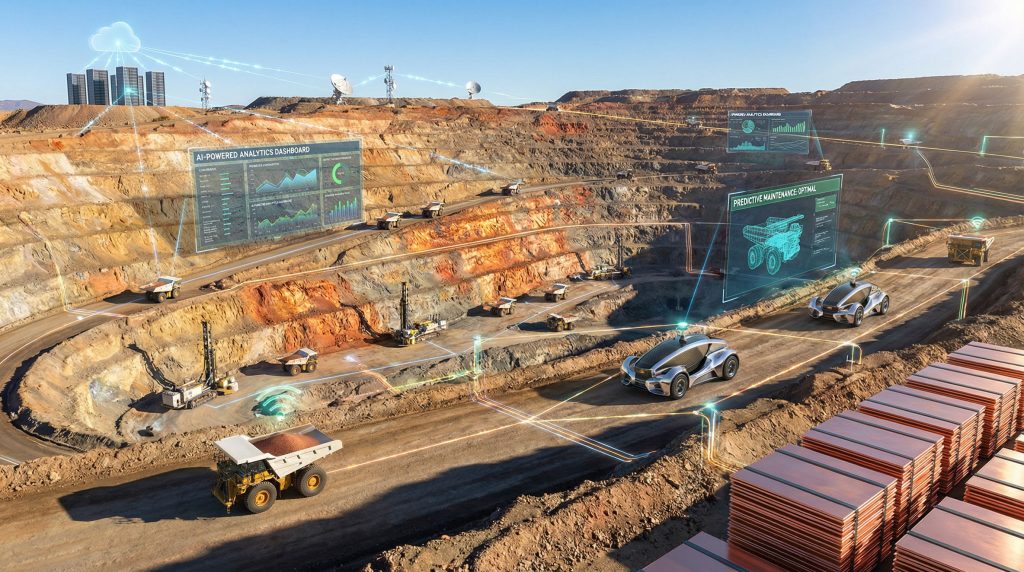
The integration of artificial intelligence and advanced analytics represents a fundamental shift in how global mining operations approach productivity optimization and operational excellence. The Codelco and Microsoft collaboration in mining artificial intelligence exemplifies how strategic partnerships between technology corporations and mining enterprises have emerged as a critical pathway for digital transformation, addressing increasing pressure to maximise efficiency whilst maintaining safety standards.
The Evolution of Industrial-Scale Digital Transformation
Mining operations worldwide are experiencing an unprecedented transition from traditional extraction methods to sophisticated, data-driven mining operations. This transformation is particularly evident in copper mining, where companies are leveraging artificial intelligence and machine learning algorithms to optimise everything from equipment maintenance to resource allocation strategies.
The partnership between Codelco and Microsoft exemplifies this industry-wide shift. Their recent 18-month collaboration agreement focuses on implementing advanced analytics, automation technologies, and cybersecurity frameworks across mining operations. This type of strategic alliance demonstrates how major copper producers are positioning themselves for the future of intelligent mining.
Key statistics highlight the scope of this transformation:
- Digital adoption rates in mining have increased by 60% over the past five years
- Companies implementing AI-driven predictive maintenance report 25-30% reduction in equipment downtime
- Advanced analytics deployment can improve copper recovery rates by 3-8% in concentrator operations
Furthermore, this digital evolution reflects broader mining industry trends that emphasise technological adoption as a competitive differentiator.
Critical Success Factors for Mining Technology Integration
Successful technology partnerships in mining require careful consideration of infrastructure readiness, workforce capabilities, and implementation strategies. The Codelco and Microsoft collaboration in mining artificial intelligence emphasises phased deployment of digital solutions, allowing for thorough evaluation and optimisation before full-scale implementation.
Essential elements for successful mining technology integration include:
- Robust network infrastructure capable of handling large-volume data processing
- Skilled technical workforce trained in AI and analytics applications
- Comprehensive change management programmes to facilitate organisational adaptation
- Risk mitigation protocols for critical operational systems
However, the partnership model also incorporates pilot programme development, enabling mining companies to test emerging technologies in controlled environments before committing to large-scale deployments. This approach reduces implementation risks whilst maximising learning opportunities.
When big ASX news breaks, our subscribers know first
What Role Does Artificial Intelligence Play in Copper Production Optimisation?
Artificial intelligence applications in copper mining extend far beyond simple automation. Modern AI systems can analyse complex geological data, predict equipment failures, and optimise extraction processes in real-time, fundamentally changing how mining operations approach production management.
Machine Learning Applications in Mining Operations
Predictive maintenance algorithms represent one of the most impactful applications of AI in mining operations. These systems analyse equipment sensor data, operational patterns, and historical maintenance records to predict when machinery requires servicing before failures occur.
Key benefits of AI efficiency solutions include:
- Reduced unplanned downtime by 40-50% compared to reactive maintenance approaches
- Extended equipment lifespan through optimised maintenance scheduling
- Cost savings of 12-18% on maintenance operations annually
- Improved safety outcomes through early identification of potential equipment hazards
Real-time process monitoring through AI systems enables continuous optimisation of copper concentrator operations. These systems can adjust flotation parameters, grinding circuits, and reagent dosing based on ore characteristics and processing conditions, maximising copper recovery whilst minimising energy consumption.
Advanced Analytics for Operational Excellence
The integration of advanced analytics across the mining value chain creates opportunities for comprehensive operational optimisation. Data from geological surveys, extraction processes, concentrator operations, and transportation systems can be synthesised to provide holistic insights into production efficiency.
Performance metrics optimisation through intelligent systems focuses on several key areas:
| Optimisation Area | AI Application | Typical Improvement |
|---|---|---|
| Ore Grade Control | Geological modelling algorithms | 5-15% grade consistency improvement |
| Equipment Utilisation | Fleet management systems | 20-30% utilisation increase |
| Energy Management | Demand forecasting AI | 10-20% energy cost reduction |
| Production Planning | Optimisation algorithms | 8-12% throughput improvement |
Consequently, cost reduction strategies enabled by automated decision-making systems can significantly impact mining profitability. AI systems can optimise truck dispatch routes, manage inventory levels, and coordinate maintenance schedules to minimise operational costs whilst maintaining production targets.
Which Cybersecurity Challenges Face Modern Mining Infrastructure?
The increasing digitisation of mining operations creates new vulnerabilities that require sophisticated cybersecurity frameworks. Industrial control systems, data networks, and automated equipment represent potential attack vectors that must be protected through comprehensive security strategies.
Industrial Control System Protection Strategies
Mining operations rely heavily on SCADA systems, programmable logic controllers, and distributed control systems that manage critical infrastructure. These operational technology environments require specialised security approaches that differ significantly from traditional IT security frameworks.
Network security frameworks for mining operations must address:
- Air-gapped network architectures to isolate critical systems
- Multi-factor authentication protocols for system access control
- Continuous monitoring systems for anomaly detection
- Incident response procedures specifically designed for industrial environments
The Codelco and Microsoft collaboration in mining artificial intelligence specifically addresses cybersecurity concerns through the development of comprehensive data protection protocols and threat detection mechanisms. This digital transformation agreement reflects the critical importance of protecting sensitive operational information and maintaining system integrity in mining environments.
Resilience Building Through Technology Governance
Building operational resilience requires structured governance frameworks that address both technical and organisational aspects of cybersecurity. Mining companies must balance operational efficiency with security requirements, ensuring that protective measures do not impede critical mining processes.
Risk assessment methodologies for digital mining operations typically include:
- Asset inventory and classification of critical systems and data
- Vulnerability assessments of network infrastructure and applications
- Threat modelling specific to mining operational environments
- Business impact analysis for potential security incidents
In addition, compliance frameworks for industrial cybersecurity standards, such as IEC 62443 and NIST Cybersecurity Framework, provide structured approaches to implementing comprehensive security programs in mining operations.
How Do Automation Technologies Impact Mining Workforce Development?
The introduction of advanced automation and AI technologies in mining operations requires significant workforce transformation. Traditional mining roles are evolving to incorporate technical competencies in data analysis, system monitoring, and technology management.
Skills Transformation in the Digital Mining Era
Mining professionals now require hybrid skill sets that combine traditional mining expertise with technological proficiency. This mining workforce transformation affects roles across the mining value chain, from equipment operators to mine planning engineers.
Technical competency requirements for modern mining professionals include:
- Data analysis capabilities for interpreting AI-generated insights
- System monitoring skills for managing automated equipment
- Cybersecurity awareness for protecting operational systems
- Technology troubleshooting abilities for maintaining digital infrastructure
The Codelco and Microsoft collaboration in mining artificial intelligence incorporates comprehensive training programmes designed to develop these technical capabilities within existing mining workforces. This approach recognises that successful technology implementation depends heavily on workforce readiness and acceptance.
Change Management for Operational Technology Adoption
Successful technology adoption in mining operations requires careful change management strategies that address both technical and cultural aspects of transformation. Employee engagement during digital transformation initiatives significantly impacts implementation success rates.
Effective change management strategies include:
- Transparent communication about technology benefits and impacts
- Participatory planning processes involving operational staff
- Gradual implementation approaches to minimise disruption
- Recognition programmes for employees who embrace new technologies
Furthermore, performance measurement systems for hybrid human-AI operations must account for the collaborative nature of modern mining work, where human expertise and artificial intelligence work together to optimise outcomes.
What Are the Strategic Benefits of Cloud Infrastructure in Mining?
Cloud computing platforms provide mining companies with scalable infrastructure for processing large volumes of operational data whilst reducing capital expenditure requirements. This technological approach enables smaller mining operations to access advanced analytics capabilities previously available only to major producers.
Operational Efficiency Through Distributed Computing
Remote monitoring capabilities represent a significant advantage of cloud-based mining systems. Operations managers can access real-time data from multiple mine sites, enabling centralised decision-making and resource optimisation across distributed assets.
Scalable data processing for large-volume mining datasets addresses one of the fundamental challenges in modern mining operations. Cloud platforms can dynamically allocate computing resources based on processing demands, ensuring optimal performance during peak analysis periods.
Integration possibilities with existing enterprise resource planning systems create opportunities for comprehensive operational visibility. Cloud platforms can consolidate data from:
- Geological information systems containing ore body models and grade data
- Equipment management systems tracking machinery performance and maintenance
- Production databases recording extraction and processing metrics
- Financial systems managing costs, revenues, and profitability analysis
Cost-Benefit Analysis of Cloud Migration in Mining
Capital expenditure reduction through infrastructure-as-a-service models can significantly impact mining project economics. Traditional on-premise computing infrastructure requires substantial upfront investment and ongoing maintenance costs that cloud platforms can eliminate.
Return on investment calculations for digital transformation initiatives typically show positive results within 24-36 months for comprehensive cloud migrations. Key financial benefits include:
| Cost Category | Traditional Infrastructure | Cloud Platform | Savings Potential |
|---|---|---|---|
| Hardware Costs | $2-5M initial investment | Pay-per-use model | 60-80% reduction |
| Maintenance | $500K-1M annually | Included in service | 70-90% reduction |
| IT Personnel | 8-12 FTE required | 3-5 FTE required | 40-60% reduction |
| Scalability | Limited by hardware | Unlimited scaling | Variable cost model |
Consequently, operational expenditure optimisation via managed technology services enables mining companies to focus resources on core mining activities rather than technology infrastructure management.
How Can Mining Companies Evaluate Technology Partnership Success?
Measuring the success of technology partnerships requires comprehensive performance frameworks that address both quantitative metrics and qualitative outcomes. Mining companies must establish baseline measurements before implementation to accurately assess improvement achieved through digital transformation initiatives.
Performance Metrics for Digital Transformation ROI
Productivity improvement measurement frameworks should encompass multiple operational dimensions to provide holistic assessment of technology partnership value. Key performance indicators must reflect both direct operational benefits and indirect strategic advantages.
Critical productivity metrics include:
- Overall Equipment Effectiveness (OEE) improvements of 15-25% through predictive maintenance
- Recovery rate optimisation showing 3-8% increases in copper extraction efficiency
- Energy efficiency gains resulting in 10-20% reduction in power consumption per ton processed
- Labour productivity enhancement measuring output per employee hour worked
Safety enhancement quantification methods demonstrate technology partnership value through measurable risk reduction. AI-powered safety systems can reduce workplace incidents by 30-50% through predictive hazard identification and automated safety protocol enforcement.
Strategic Partnership Governance Models
Effective governance structures for mining technology partnerships require clear accountability frameworks and regular performance review processes. The Codelco and Microsoft collaboration in mining artificial intelligence incorporates joint governance mechanisms that ensure both parties remain aligned on strategic objectives throughout the partnership duration.
Collaborative development structures for mining technology solutions benefit from:
- Steering committees with executive representation from both organisations
- Technical working groups focusing on specific implementation areas
- Regular milestone reviews assessing progress against established targets
- Escalation procedures for addressing implementation challenges
However, intellectual property management in joint innovation initiatives requires careful consideration of ownership rights and commercialisation opportunities. Clear agreements regarding technology ownership, licensing, and future development rights prevent conflicts and enable sustained collaboration.
The next major ASX story will hit our subscribers first
What Future Trends Will Shape Mining Technology Integration?
Emerging technologies continue to reshape mining operations, with several technological developments poised to create new opportunities for operational optimisation and competitive differentiation. Understanding these trends enables mining companies to make strategic technology investment decisions.
Emerging Technologies in Mining Operations
Internet of Things (IoT) applications for comprehensive asset monitoring represent the next evolution in mining digitisation. Advanced sensor networks can provide real-time data on equipment condition, environmental parameters, and operational performance across entire mine sites.
IoT implementation in mining typically includes:
- Vibration sensors on critical equipment for predictive maintenance
- Environmental monitoring systems tracking air quality, temperature, and humidity
- GPS tracking devices for fleet management and safety monitoring
- Structural health sensors monitoring pit walls, tailings dams, and underground workings
Blockchain integration for supply chain transparency and traceability addresses increasing demand for responsible mineral sourcing. These systems can track copper production from extraction through processing and delivery, providing verifiable documentation of origin and processing methods.
Furthermore, quantum computing potential for complex optimisation problems may revolutionise mining operation planning within the next decade. Quantum algorithms could optimise mine planning, equipment scheduling, and resource allocation at unprecedented scales and complexity levels.
Industry-Wide Digital Transformation Trajectories
Competitive positioning through technology differentiation increasingly determines mining company success in global markets. Companies that successfully implement comprehensive digital transformation strategies gain sustainable advantages through improved efficiency, reduced costs, and enhanced safety performance.
Regulatory compliance evolution in digitally enhanced mining reflects growing government interest in mining sector transparency and environmental performance. Digital technologies enable more accurate reporting and real-time monitoring of regulatory compliance parameters.
Sustainability goals achievement through intelligent operations management aligns with global environmental objectives whilst improving operational efficiency. The Microsoft partnership automation strategy demonstrates how AI-powered systems can optimise:
- Water usage patterns reducing consumption by 15-25%
- Energy consumption profiles minimising carbon footprint
- Waste generation processes improving recycling and recovery rates
- Land use optimisation reducing environmental impact footprint
Investment Disclaimer: This analysis contains forward-looking statements and industry projections that involve inherent risks and uncertainties. Mining technology investments should be evaluated based on individual company circumstances, market conditions, and comprehensive due diligence. Performance projections are based on industry averages and may not reflect specific operational outcomes.
The future of mining operations will increasingly depend on successful integration of artificial intelligence, advanced analytics, and comprehensive digital transformation strategies. Companies that establish effective technology partnerships position themselves to capitalise on these emerging opportunities whilst managing associated implementation risks.
Want to Capitalise on ASX Mining Technology Breakthroughs?
Discovery Alert's proprietary Discovery IQ model instantly identifies significant ASX mineral discoveries, including technology-driven mining companies pioneering AI and digital transformation initiatives. Start your 14-day free trial at Discovery Alert today and gain immediate access to actionable investment opportunities before the broader market recognises their potential.