May 22, 2026
Understanding Complex Subsurface Systems in Modern Drilling Operations
Modern drilling operations navigate increasingly sophisticated technical environments where mechanical precision intersects with geological uncertainty. The integration of automation in drilling safety represents a fundamental evolution in how the industry manages operational complexity while maintaining safety standards across diverse drilling scenarios.
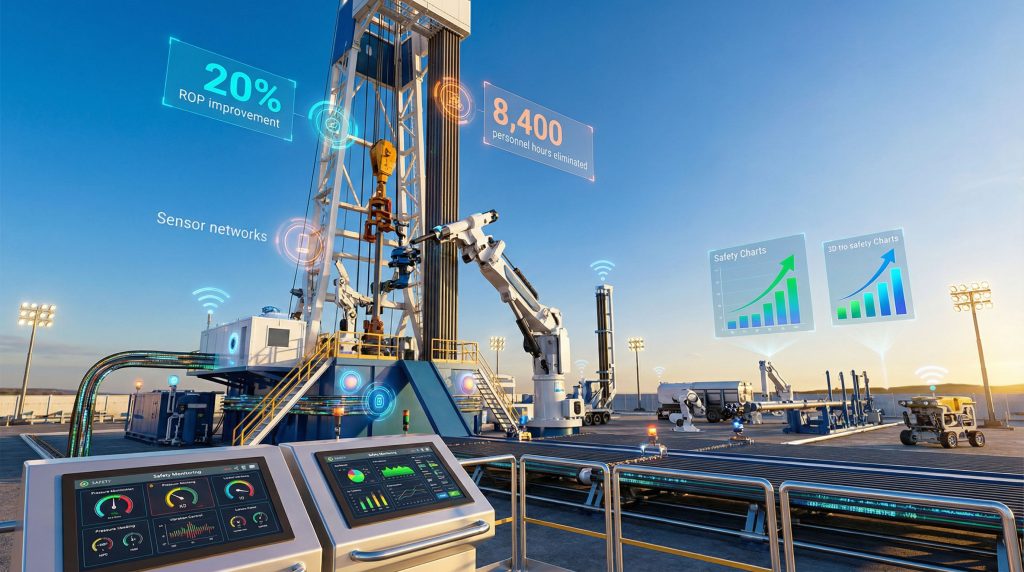
Advanced drilling platforms now incorporate interconnected sensor networks that monitor multiple operational parameters simultaneously. These systems create comprehensive data‐driven operations covering pressure differentials, mechanical vibration patterns, and formation characteristics in real-time. The resulting operational intelligence enables rapid response protocols that exceed human reaction capabilities under high-stress conditions.
Automated rod handling technologies have emerged as cornerstone solutions addressing both efficiency and safety concerns in drilling operations. These systems eliminate direct human interaction with heavy rotating equipment during critical operational phases, reducing exposure to mechanical hazards while maintaining precise operational control.
When big ASX news breaks, our subscribers know first
Primary Operational Challenges Driving Technology Adoption
The drilling industry faces mounting pressure from multiple operational vectors that demand technological solutions. Labour shortages across the sector have intensified the need for systems capable of maintaining consistent operational standards with reduced personnel requirements. This shortage particularly impacts specialised roles where experienced operators possess institutional knowledge critical to safe drilling practices.
Deeper drilling programs introduce additional complexity layers that traditional manual operations struggle to manage effectively. Furthermore, these programs encounter several critical challenges that require advanced technological intervention.
These programs encounter:
- Variable geological formations requiring rapid parameter adjustments
- Increased pressure differentials demanding precise monitoring capabilities
- Extended operational duration testing equipment reliability limits
- Complex wellbore geometries requiring advanced navigation systems
Manual rod handling operations represent persistent safety challenges in both surface and underground environments. Workers operating around heavy rotating machinery face continuous exposure to mechanical hazards, particularly during connection and disconnection procedures. The combination of equipment weight, rotational forces, and time pressure creates conditions where human error can result in significant safety incidents.
Safety expectations continue intensifying across all drilling operations, with regulatory frameworks demanding demonstrable risk reduction measures. Contractors must balance productivity requirements with enhanced safety protocols, creating operational tension that automation technologies help resolve through improved consistency and reduced human exposure.
Technical Architecture of Automated Safety Systems
Modern automated drilling safety systems utilise layered technical architectures designed to provide multiple intervention points during operational sequences. In addition, these systems integrate sensor technologies, predictive analytics, and automated response mechanisms to create comprehensive safety networks.
Core System Components
Sensor Integration Networks
Advanced drilling platforms incorporate distributed sensor arrays monitoring vibration, pressure, temperature, and positional data across all operational components. These networks provide continuous baseline monitoring that enables early detection of anomalous conditions before they escalate into safety hazards.
Machine Learning Analytics
Automated systems employ machine learning algorithms that analyse operational data patterns to predict potential equipment failures or hazardous conditions. For instance, these predictive capabilities enable proactive interventions rather than reactive responses to developing problems.
Robotic Handling Systems
AI in drilling automation eliminates direct human contact with drilling components during operational sequences. These systems manage the lifting, positioning, and connection of drilling rods using precision mechanical controls that maintain operational accuracy while removing personnel from hazardous work zones.
Emergency Response Protocols
Integrated emergency response systems provide immediate automated reactions to detected hazards, including automatic equipment shutdowns, pressure relief activations, and personnel alert systems. However, these responses occur within milliseconds of hazard detection, significantly faster than human reaction capabilities.
Performance Metrics and Operational Validation
| System Category | Safety Improvement | Operational Impact | Risk Reduction |
|---|---|---|---|
| Automated rod handling | Eliminates manual lifting hazards | Consistent connection procedures | 90% reduction in handling injuries |
| Vibration monitoring | Early equipment failure detection | Prevents catastrophic breakdowns | 75% reduction in unplanned downtime |
| Pressure management | Real-time influx detection | Maintains well control integrity | 85% faster emergency response |
| Remote operations | Reduces on-site personnel exposure | Enables expert oversight from distance | 60% reduction in personnel hours at risk |
The quantifiable benefits of automation in drilling safety extend beyond immediate hazard reduction to encompass operational efficiency improvements. Automated systems maintain consistent operational parameters that reduce equipment wear, extend component lifespans, and minimise maintenance requirements.
Measurable Safety Enhancements
Automated drilling systems demonstrate significant improvements in operational safety metrics through consistent parameter control and rapid hazard response. These systems maintain optimal drilling parameters automatically, preventing the parameter variations that often lead to equipment failures or wellbore instability.
The elimination of manual handling operations removes thousands of personnel hours from high-risk environments annually. For large drilling programs, this reduction in exposure hours translates directly into lower incident rates and improved overall safety performance.
Real-time monitoring capabilities enable the detection of pressure anomalies and influx conditions at much earlier stages than manual monitoring systems. Consequently, this early detection capability limits potential influx volumes to manageable quantities, preventing well control incidents that could threaten operational safety and environmental integrity.
Risk Mitigation Through Technical Innovation
Advanced drilling automation in drilling safety addresses specific high-risk scenarios through targeted technological solutions. Each automation system targets particular hazard categories while contributing to overall operational safety improvement.
Vibration Control and Equipment Protection
Automated vibration management systems continuously monitor drilling parameters to prevent stick-slip conditions and excessive vibration that can damage downhole equipment. These systems adjust drilling parameters in real-time to maintain optimal operating conditions, preventing the cascading equipment failures that create safety hazards.
Predictive maintenance protocols integrated into automated systems identify component wear patterns before failures occur. This proactive approach prevents unexpected equipment failures that can create hazardous conditions for operational personnel.
Pressure Management and Well Control
Automated pressure monitoring systems provide continuous surveillance of wellbore conditions, detecting influx indicators significantly faster than manual monitoring methods. These systems integrate multiple data sources to identify developing well control situations before they become critical.
Emergency shutdown systems activated by automated monitoring can respond to hazardous conditions within seconds, preventing minor incidents from escalating into major safety events. The speed of automated response significantly exceeds human reaction capabilities under emergency conditions.
Implementation Challenges and Technical Considerations
The deployment of automated drilling safety systems requires careful integration with existing operational frameworks and equipment. Legacy system compatibility presents ongoing challenges as operators upgrade safety capabilities while maintaining operational continuity.
Technical Integration Requirements
System Compatibility
New automated systems must interface effectively with existing drilling equipment and control systems. This integration requires comprehensive testing and validation to ensure reliable operation across diverse operational scenarios.
Cybersecurity Considerations
Connected drilling systems introduce cybersecurity requirements that traditional drilling operations did not face. Robust security protocols for drilling automation must protect operational systems while maintaining the connectivity necessary for automated functions.
Training and Operational Adaptation
Personnel require comprehensive training to operate and maintain automated drilling systems effectively. This training encompasses both technical system operation and the modified operational procedures that automated systems enable.
Environmental and Operational Variables
Automated systems must adapt to varying geological conditions and operational environments while maintaining consistent safety performance. Formation-specific adaptations ensure that automated responses remain appropriate across different drilling scenarios.
Performance validation across diverse operational conditions remains essential for ensuring system reliability. Furthermore, advanced sensor integration must demonstrate consistent performance across the range of conditions encountered in actual drilling operations.
The next major ASX story will hit our subscribers first
Future Technological Developments
Emerging technologies promise further enhancements to drilling safety through advanced automation capabilities. Artificial intelligence integration will enable more sophisticated predictive analytics and automated decision-making capabilities.
Advanced Technology Integration
Enhanced Sensor Networks
Next-generation sensor technologies will provide more comprehensive operational monitoring with improved accuracy and reliability. These enhanced sensors will enable detection of hazardous conditions with greater precision and earlier warning capabilities.
Artificial Intelligence Applications
AI systems will analyse complex operational data patterns to predict hazardous conditions with greater accuracy than current systems. These AI capabilities will enable proactive safety interventions based on comprehensive operational analysis.
Communication System Advancement
Improved communication systems will enable better integration between surface and subsurface operations, providing comprehensive operational oversight and control capabilities.
Industry Standardisation and Regulatory Development
The development of industry standards for automated drilling systems will promote interoperability and consistent safety performance across different equipment manufacturers and operational environments. These standards will establish baseline safety requirements for automated systems while enabling innovation in safety technologies.
Regulatory frameworks are evolving to address the capabilities and requirements of automated drilling systems. These regulatory developments will establish clear guidelines for automated system deployment while ensuring safety performance standards.
Operational Impact and Industry Transformation
Automation in drilling safety represents a fundamental shift in operational philosophy from reactive safety measures to proactive risk prevention. This transformation affects every aspect of drilling operations, from personnel requirements to operational procedures and safety protocols.
The integration of automated systems enables drilling operations to maintain high safety standards while addressing the operational pressures of deeper programmes, labour shortages, and increased productivity requirements. However, these systems provide the technological foundation for sustained operational excellence in challenging drilling environments.
Modern drilling operations increasingly rely on the precision and consistency that automated systems provide. The combination of enhanced safety performance, operational efficiency, and reduced personnel exposure creates compelling operational advantages that drive continued technology adoption across the industry innovation trends.
The evolution of drilling automation continues advancing beyond simple mechanical assistance toward comprehensive operational intelligence systems. These advanced systems will further enhance safety performance while enabling drilling operations to address increasingly complex operational challenges with confidence and precision.
Additionally, the industry recognises that automation and safety in mining operations requires ongoing collaboration between technology providers, operators, and regulatory bodies to ensure optimal safety outcomes across all operational environments.
Disclaimer: This analysis presents information based on current industry practices and technological developments. Operational performance may vary based on specific equipment configurations, geological conditions, and implementation approaches. Readers should consult with qualified technical specialists for specific operational applications.
Looking to Invest in Drilling Technology Companies?
Discovery Alert's proprietary Discovery IQ model instantly identifies significant ASX mineral discoveries, including breakthrough drilling technologies and automation advances that could transform operational safety and efficiency. Start your 14-day free trial today and gain the market-leading advantage needed to capitalise on the next major discovery in the mining technology sector.