What Makes Aluminum a Critical Enabler of Sustainable Economic Growth?
The impact of aluminum on sustainable development represents a transformative force in global economic planning, creating unprecedented opportunities for industrial growth while addressing critical environmental challenges. Among metals driving sustainability initiatives worldwide, aluminum stands uniquely positioned to deliver measurable economic benefits through its distinctive properties and circular economy potential. Its strategic importance extends across multiple sectors, fundamentally reshaping how industries approach long-term sustainable development.
The Circular Economy Foundation of Aluminum Markets
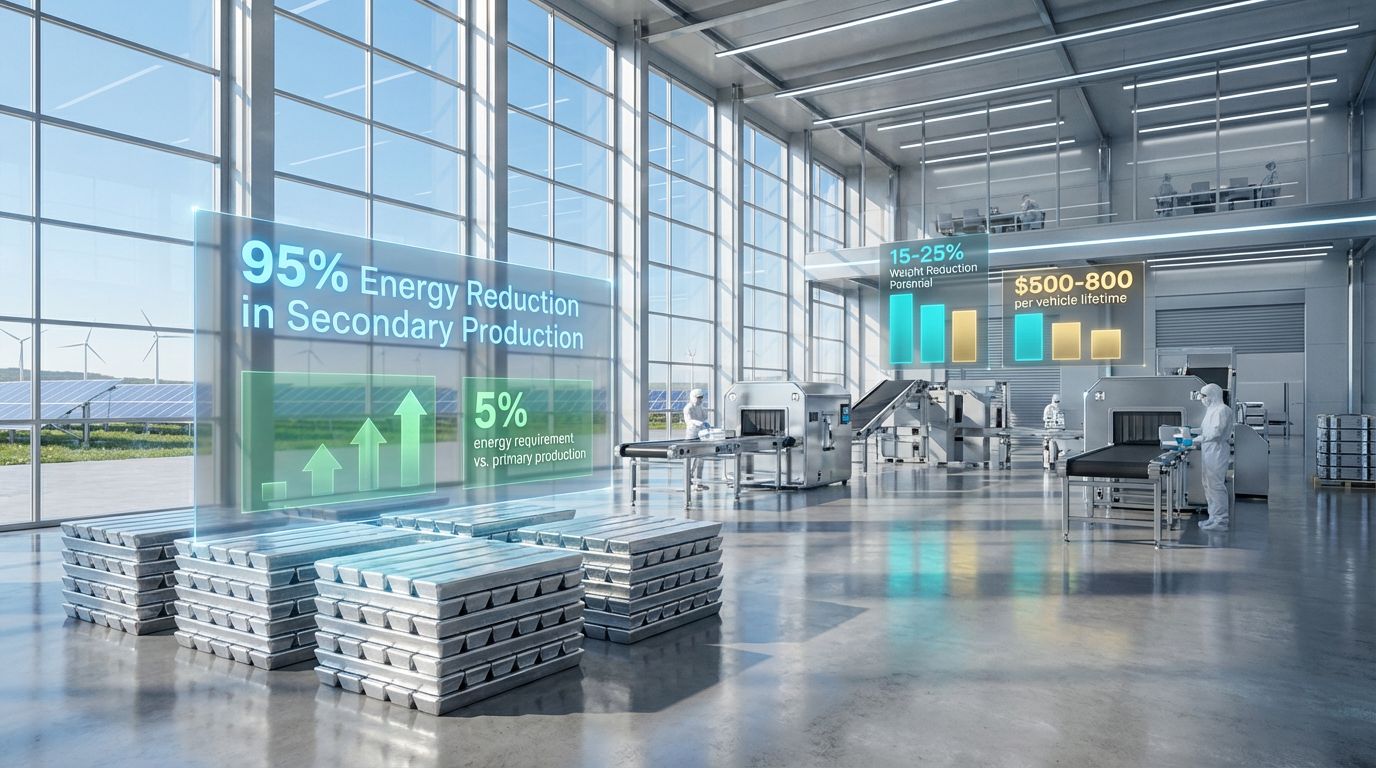
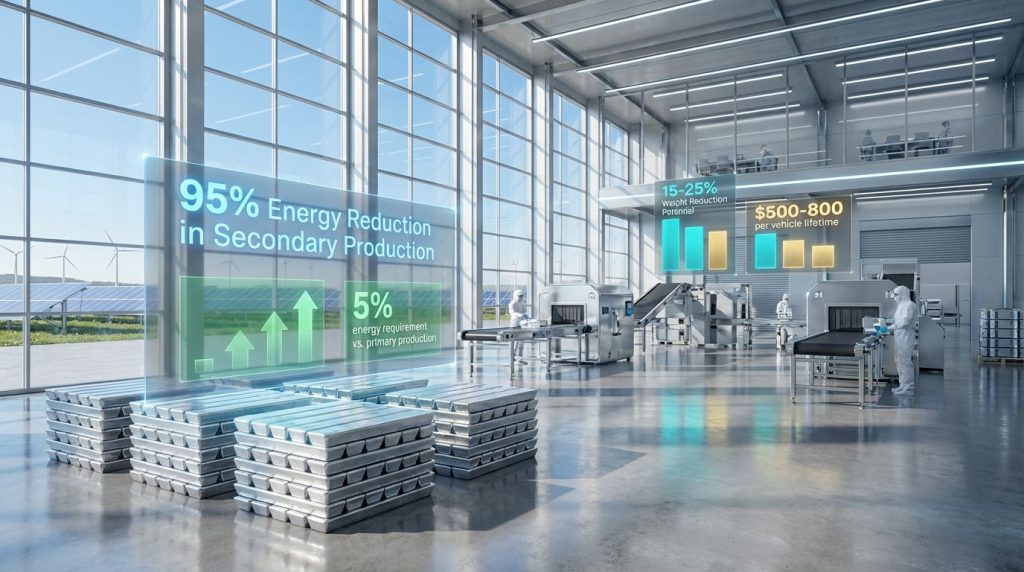
Aluminum's infinite recyclability generates unprecedented economic multiplier effects throughout global supply chains. Secondary aluminum production requires only 5% of the energy needed for primary smelting, creating substantial cost advantages that ripple through manufacturing sectors. This dramatic energy reduction translates into operational savings exceeding 95% of original production energy requirements, establishing aluminum recycling as one of the most economically viable circular economy processes in industrial manufacturing.
The global trade dynamics between recycled and primary aluminum markets demonstrate shifting economic patterns. Secondary aluminum currently represents approximately 35-40% of global supply, according to recent commodity analysis, indicating growing recognition of recycling's economic advantages. Moreover, sustainable mining trends increasingly favour regions with established recycling infrastructure, creating competitive advantages for economies investing in waste stream monetisation technologies.
Key economic drivers include:
- Energy cost reduction enabling competitive pricing against virgin materials
- Reduced raw material dependency minimising supply chain vulnerability
- Employment generation in collection, processing, and remanufacturing sectors
- Capital efficiency through existing infrastructure utilisation versus new mining operations
- Carbon credit revenue potential from emission reduction achievements
Energy Economics and Carbon Pricing Implications
Energy-intensive primary aluminum production faces mounting pressure from carbon pricing mechanisms and renewable energy transitions. Regions with abundant hydroelectric power capacity gain significant competitive advantages in aluminum smelting operations. Hydroelectric power harnesses water's kinetic energy while substantially reducing environmental impacts compared to fossil fuel-dependent electricity generation.
Furthermore, carbon credit markets create additional revenue streams for aluminum producers prioritising low-emission production methods. Secondary aluminum processing generates substantially lower carbon emissions compared to primary smelting, positioning recycled aluminum advantageously under emerging carbon border adjustment mechanisms. The European Union's Carbon Border Adjustment Mechanism (CBAM) particularly impacts aluminum trade flows, creating economic incentives for sustainable production practices.
Comparative energy intensity analysis reveals:
| Production Method | Energy Consumption (kWh/tonne) | Carbon Intensity | Economic Advantage |
|---|---|---|---|
| Primary Smelting | 12,000-15,000 | High (coal-dependent) | Higher raw material costs |
| Secondary Processing | 600-800 | Low (efficient recycling) | 95% energy savings |
| Renewable-Powered Primary | 12,000-15,000 | Medium (clean energy) | Premium positioning |
How Do Aluminum Supply Chains Transform Regional Development Patterns?
Hydroelectric Power Integration and Economic Geography
Aluminum production clustering around renewable energy sources creates distinctive regional development patterns. Countries with abundant hydroelectric capacity, particularly in North America, leverage these natural advantages to establish competitive aluminum industries. Energy costs represent approximately 25-40% of aluminum production expenses, making renewable energy access a critical location determinant for smelting operations.
Infrastructure investment patterns follow energy availability, creating economic clustering effects that extend beyond aluminum production. Supporting industries including transportation logistics, specialised equipment manufacturing, and technical services concentrate around major smelting facilities. In addition, bauxite project benefits demonstrate how these clustering effects generate employment multipliers estimated at 1:2.5 to 1:4 ratios of direct to indirect jobs in established aluminum production regions.
Regional competitiveness factors include:
- Electricity pricing: Renewable energy often provides long-term cost stability
- Grid reliability: Industrial smelting requires consistent, uninterrupted power supply
- Environmental compliance: Clean energy sources simplify regulatory requirements
- Investment incentives: Governments often support renewable energy industrial development
- Skills development: Technical workforce training in sustainable manufacturing processes
Global Trade Dynamics and Sustainable Development Goals
Export-import balances shift toward recycled aluminum as environmental regulations tighten globally. Emerging markets with growing waste streams but limited recycling infrastructure present significant development opportunities. Technology transfer and capacity building in aluminum recycling create pathways for sustainable economic development while addressing waste management challenges.
Trade policy implications increasingly favour sustainable aluminum commerce through preferential tariff structures and environmental standards. Countries implementing circular economy policies gain competitive advantages in aluminum trade relationships. Consequently, these dynamics encourage investment in recycling infrastructure and sustainable production technologies across developing economies, demonstrating the interconnected nature of green metals leadership in global markets.
What Economic Sectors Benefit Most from Aluminum's Sustainability Profile?
Transportation Industry Economic Transformation
Automotive manufacturers increasingly adopt aluminum lightweighting strategies to achieve sustainability targets while reducing operational costs. Aluminum enables significant weight reduction while maintaining structural integrity, creating cascading benefits throughout vehicle lifecycles. Every 10% weight reduction improves fuel efficiency by approximately 6-8%, generating substantial cost savings for vehicle operators.
Electric vehicle development particularly benefits from aluminum's lightweight properties. Reduced vehicle weight directly correlates with extended battery range, addressing critical consumer concerns about EV practicality. This relationship becomes economically significant as battery costs represent 30-40% of electric vehicle production expenses.
Transportation sector economic benefits:
| Vehicle Type | Weight Reduction Potential | Efficiency Improvement | Economic Impact |
|---|---|---|---|
| Passenger Cars | 15-25% | 6-8% fuel savings | $500-800 lifetime savings |
| Commercial Fleet | 20-30% | 10-12% efficiency gain | $2,000-4,000 annual reduction |
| Electric Vehicles | 10-15% | 15-20% range extension | $1,500-2,500 battery offset |
Manufacturing cost optimisation through lightweighting extends beyond direct material substitution. Aluminum's recyclability enables closed-loop manufacturing systems where production waste becomes immediate feedstock for subsequent production cycles. This circularity reduces raw material purchasing while creating additional revenue streams from waste monetisation.
Construction and Infrastructure Economic Multipliers
Building efficiency investments through aluminum applications generate long-term returns via energy consumption reduction and maintenance cost minimisation. Aluminum's durability and corrosion resistance extend building asset lifecycles while reducing replacement and renovation requirements. These characteristics prove particularly valuable in infrastructure projects where lifecycle cost considerations outweigh initial material premiums.
Green building certification programs increasingly recognise aluminum's sustainability profile, creating market premiums for certified structures. LEED, BREEAM, and similar certification systems award points for recycled content and sustainable material selection, translating environmental performance into measurable economic value.
Construction industry advantages include:
- Energy efficiency: Aluminum building systems reduce heating and cooling requirements
- Structural efficiency: High strength-to-weight ratio enables innovative architectural designs
- Maintenance reduction: Corrosion resistance minimises long-term building maintenance costs
- Asset value enhancement: Sustainable building materials support premium property valuations
- Insurance benefits: Durable materials may qualify for reduced property insurance rates
How Does Aluminum Recycling Create Economic Value Across Industries?
Resource Recovery Economics and Waste Monetisation
Aluminum recycling transforms waste streams into valuable economic assets while generating employment across collection, processing, and manufacturing sectors. The 5% energy requirement for recycling versus primary production creates fundamental cost advantages that ripple through supply chains. Processing facilities achieve operating margins significantly higher than traditional waste management operations due to aluminum's inherent material value.
Revenue generation from aluminum waste streams depends on collection efficiency, sorting accuracy, and processing capacity. Contamination removal technologies continue improving, enabling higher recovery rates and better material specifications. For instance, advanced sorting systems using artificial intelligence and optical recognition increase processing throughput while reducing labour costs, addressing concerns that mine reclamation insights consistently emphasise.
Economic metrics demonstrate recycling advantages:
- Energy savings: 95% reduction in processing energy requirements
- Material recovery: 90-95% of aluminum content recoverable through modern processing
- Processing costs: Significantly lower than primary aluminum production
- Employment generation: Higher job density per ton processed compared to primary production
- Capital efficiency: Existing infrastructure utilisation versus new mining development
Job creation multipliers in recycling infrastructure extend beyond direct processing employment. Collection networks, transportation logistics, and supporting services create diverse employment opportunities across skill levels. Rural and urban areas both benefit from distributed collection systems that generate local economic activity while supplying centralised processing facilities.
Packaging Industry Economic Disruption
Consumer goods companies recognise aluminum packaging's superior sustainability profile creates competitive advantages in environmentally conscious markets. Aluminum cans demonstrate higher recycling rates and contain greater recycled content compared to alternative packaging materials, supporting corporate sustainability commitments while reducing material costs.
Supply chain resilience benefits emerge from aluminum packaging's durability and lightweight characteristics. Transportation cost reductions from weight savings compound with protection advantages that minimise product damage during shipping and handling. These combined benefits create total cost of ownership advantages that extend beyond initial material pricing.
Market premium capture opportunities arise as consumers increasingly prioritise environmental considerations in purchasing decisions. Brands utilising sustainable packaging command price premiums while building customer loyalty through demonstrated environmental commitment. This dynamic drives continued investment in aluminum packaging technologies and applications, aligning with aluminum's contribution to sustainable development goals across multiple sectors.
"Aluminum recycling creates economic value through energy cost reduction, waste monetisation, and employment generation while supporting corporate sustainability objectives and consumer preferences for environmentally responsible products."
What Are the Economic Challenges and Investment Requirements?
Primary Production Environmental Cost Accounting
Primary aluminum production faces mounting environmental costs that traditional accounting methods often underestimate. Bauxite mining operations generate substantial waste streams including 200-500 kilograms of salt cake per ton of alumina produced, creating long-term environmental liabilities requiring extensive remediation investment.
True cost accounting must incorporate:
- Environmental remediation: Land restoration and water treatment expenses
- Health impact costs: Community health effects from industrial emissions
- Regulatory compliance: Increasing environmental standards requiring technology upgrades
- Carbon pricing: Growing carbon costs under emission trading systems
- Social licence: Community relations and benefit-sharing arrangements
These environmental costs create economic incentives for recycling expansion and renewable energy adoption in aluminum production. Companies failing to account for full environmental costs face increasing financial risks from regulatory changes, litigation exposure, and stakeholder pressure.
Infrastructure Investment Needs for Sustainable Scaling
Sustainable aluminum industry growth requires substantial infrastructure investments across multiple sectors. Recycling facility expansion demands capital for advanced sorting technologies, processing equipment, and quality control systems. Current recycling infrastructure operates near capacity in many regions, constraining growth potential without significant investment.
Critical investment areas include:
- Collection infrastructure: Efficient waste stream aggregation systems
- Processing technology: Advanced sorting and contamination removal equipment
- Renewable energy: Clean power sources for both primary and secondary production
- Transportation networks: Efficient logistics for material movement and distribution
- Research and development: Technology advancement supporting efficiency improvements
Technology development priorities focus on improving recycling efficiency, reducing processing costs, and expanding applications for recycled aluminum. Artificial intelligence applications in sorting and quality control show particular promise for improving economic performance while maintaining material specifications, paralleling advances seen in the environmental impact of aluminum production studies.
How Do Government Policies Shape Aluminum's Sustainable Development Impact?
Carbon Pricing and Market Incentive Structures
Carbon pricing mechanisms increasingly influence aluminum production economics by creating cost advantages for low-emission processes. Secondary aluminum production benefits disproportionately from carbon pricing due to substantially lower emission profiles compared to primary smelting. These policy frameworks accelerate market transitions toward recycled aluminum utilisation, connecting directly with energy transition trends across the metals sector.
Tax policy optimisation includes:
- Recycling incentives: Tax credits for secondary aluminum processing investment
- Carbon tax structures: Emission-based taxation favouring efficient production methods
- Import tariffs: Border adjustments protecting domestic sustainable production
- Depreciation schedules: Accelerated write-offs for environmental technology investments
- Research credits: Tax incentives supporting sustainable technology development
Subsidy frameworks for renewable energy adoption in aluminum production create regional competitive advantages while supporting climate objectives. Governments offering attractive renewable energy incentives attract aluminum industry investment, generating economic development while advancing environmental goals.
Regulatory Framework Economic Effects
Building codes increasingly specify sustainable materials, creating demand drivers for aluminum applications while establishing market premiums for compliant products. Environmental standards evolution requires continuous adaptation but rewards early adopters with competitive positioning advantages.
Regulatory trends include:
- Material recycled content requirements: Minimum recycled material specifications in construction and automotive
- Energy efficiency standards: Building performance requirements favouring aluminum systems
- Emission limits: Industrial emission controls encouraging clean production technologies
- Waste reduction mandates: Circular economy regulations supporting recycling investment
- Product lifecycle standards: Extended producer responsibility frameworks
Research and development incentive programmes support technology advancement while reducing industry compliance costs. Government funding for aluminum recycling research, renewable energy integration, and emission reduction technologies accelerates innovation while sharing development risks.
What Future Economic Scenarios Emerge from Aluminum Sustainability Trends?
Market Projection Analysis Through 2030
Demand forecasting for sustainable aluminum variants indicates accelerating growth driven by automotive electrification, construction efficiency requirements, and packaging sustainability initiatives. Electric vehicle adoption creates particularly strong demand signals as manufacturers prioritise lightweight materials for battery efficiency optimisation.
Price premium evolution for sustainable aluminum products reflects growing market differentiation between conventional and environmentally superior materials. Early analysis suggests 5-15% premiums for verified sustainable aluminum, though premiums may compress as sustainable production scales.
Investment opportunities concentrate in:
- Recycling infrastructure development: Capacity expansion in underserved markets
- Technology innovation: Advanced processing and sorting system development
- Renewable energy integration: Clean power systems for aluminum production
- Supply chain optimisation: Logistics and distribution efficiency improvements
- Market development: New applications leveraging aluminum's sustainability advantages
Emerging markets present significant development opportunities as urbanisation drives infrastructure investment while waste generation increases. Countries building recycling infrastructure now position themselves advantageously for future sustainable development while creating immediate economic opportunities.
Global Development Goal Alignment and Economic Returns
The impact of aluminum on sustainable development extends across multiple UN Sustainable Development Goals, creating measurable economic returns through infrastructure development acceleration, climate action benefits, and responsible consumption pattern shifts.
SDG alignment demonstrates economic value creation:
| Sustainable Development Goal | Aluminum Contribution | Economic Benefit |
|---|---|---|
| SDG 9: Industry Innovation | Infrastructure efficiency | Reduced construction costs |
| SDG 12: Responsible Consumption | Circular economy advancement | Waste stream monetisation |
| SDG 13: Climate Action | Emission reduction | Carbon credit revenue |
| SDG 8: Economic Growth | Employment creation | Regional development |
Infrastructure development acceleration through aluminum applications generates economic multiplier effects exceeding direct material costs. Lightweight, durable aluminum systems enable innovative architectural solutions while reducing foundation requirements and construction timelines.
Climate action economic benefits include carbon credit revenue generation, reduced regulatory compliance costs, and positioning advantages under emerging environmental regulations. Early adoption of sustainable aluminum practices creates competitive advantages as environmental standards tighten globally.
Responsible consumption pattern shifts toward circular economy models generate new revenue streams while reducing waste management costs. Companies implementing aluminum recycling programmes capture material value while meeting corporate sustainability commitments and stakeholder expectations.
"Critical Economic Insight: Aluminum's sustainability profile generates measurable economic value through energy cost reduction, market premium capture, and regulatory positioning advantages, while requiring strategic investment in infrastructure and technology development to realise full potential."
Disclaimer: This analysis presents general market trends and economic projections based on current industry data and policy frameworks. Actual economic outcomes may vary based on technological developments, regulatory changes, and market conditions. Investment decisions should consider comprehensive risk assessment and professional consultation.
For additional insights on sustainable metals and their economic impact on global development, industry professionals can explore specialised mining and metals publications that provide technical analysis and market research on resource sector sustainability initiatives.
Want to Stay Ahead of Sustainable Mining Opportunities?
Discovery Alert's proprietary Discovery IQ model delivers real-time alerts on significant ASX mineral discoveries, including those in aluminium and other critical minerals driving the sustainability revolution. With aluminium's growing importance in the circular economy and carbon-conscious markets, subscribers gain instant access to actionable investment opportunities that could benefit from these powerful sustainability trends, ensuring they never miss the next major breakthrough in sustainable resource development.