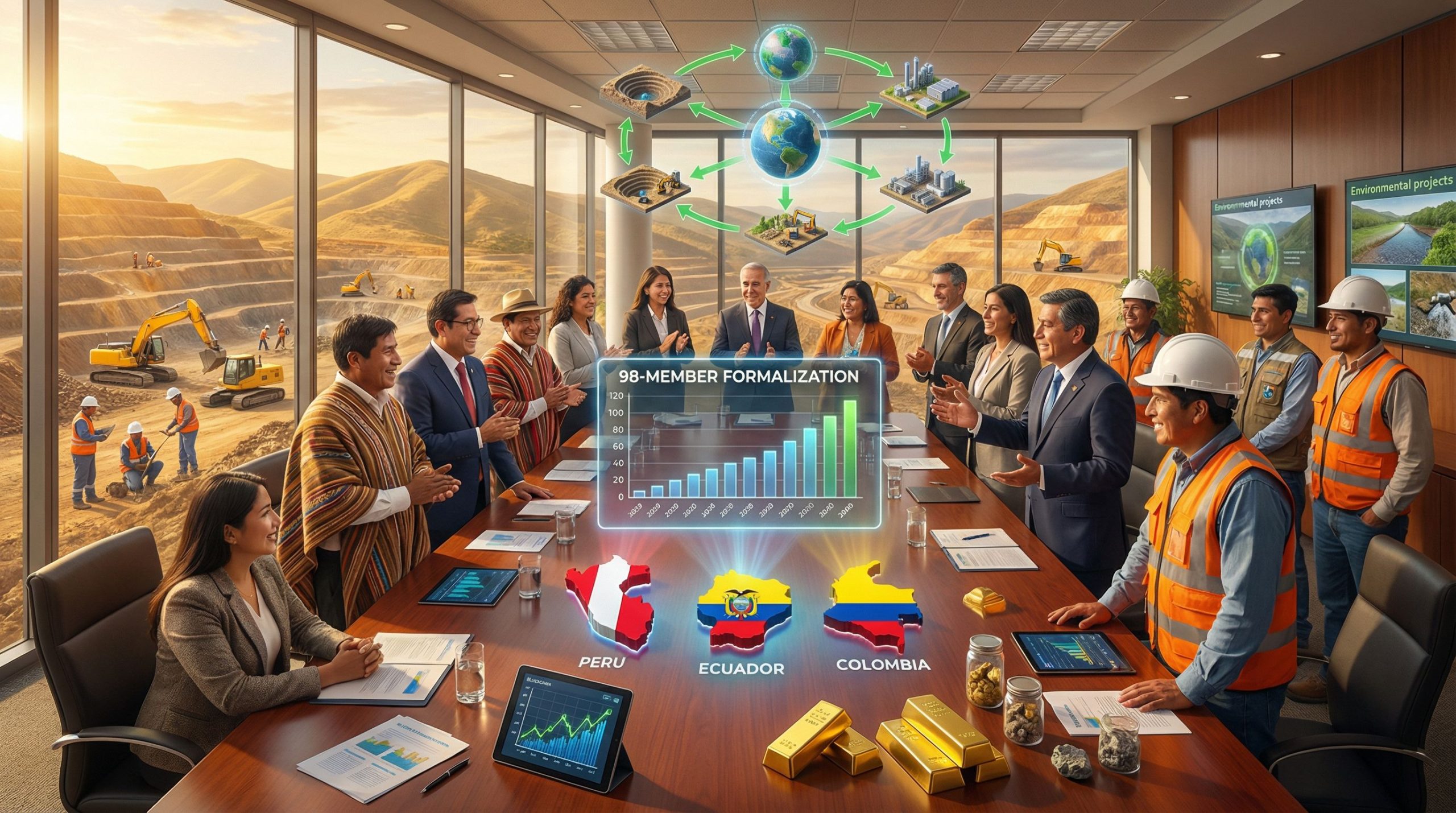
The global mineral extraction landscape reveals troubling gaps between resource abundance and regulatory oversight. While massive mining corporations dominate headlines with multi-billion dollar expansions, a parallel universe of small-scale operations continues expanding across developing economies with minimal institutional recognition. Furthermore, stakeholder collaboration for artisanal mining formalisation emerges as a critical framework for transforming these informal networks into legitimate economic participants. These artisanal mining networks now constitute the backbone of critical mineral supply chains, yet operate largely outside formal governance structures that could ensure sustainable practices and worker protection.
Understanding this regulatory void becomes essential as demand for battery metals, rare earth elements, and precious minerals accelerates. Moreover, the mining industry evolution demonstrates how stakeholder collaboration for artisanal mining formalisation represents one of the most significant opportunities for sustainable resource development in emerging markets.
Economic Scale and Strategic Importance of Artisanal Mining
The artisanal and small-scale mining sector has evolved into a massive global industry employing 315 million workers worldwide. This workforce includes 45 million directly employed across 80 countries and an additional 270 million engaged in related services, according to World Bank estimates. Consequently, the sheer scale of this employment base demonstrates the sector's critical role in rural economies throughout Africa, Asia, and Latin America.
The economic footprint extends beyond employment figures. Artisanal mining operations now produce approximately 20% of global gold supply, representing a dramatic increase from just 4% three decades ago. This growth trajectory indicates rapid sector expansion driven by rising commodity prices and limited formal employment opportunities in mining regions.
Critical minerals production through artisanal channels presents particular strategic concerns for supply chain security. In addition, the critical minerals energy transition shows how the sector supplies 25% of global tantalum and 25% of global tin production, both essential components for electronics manufacturing and renewable energy technologies. As governments prioritise stakeholder collaboration for artisanal mining formalisation, the integration of these operations becomes increasingly important for national security considerations.
Peru exemplifies the massive financial flows within informal mineral markets. Approximately $8 billion USD in gold exits Peru annually through artisanal channels, according to industry analysis. This substantial economic activity occurs largely outside formal banking systems, creating transparency challenges for both regulatory authorities and downstream purchasers seeking responsible sourcing compliance.
Supply Chain Vulnerability Assessment
The concentration of critical mineral production within informal artisanal networks creates multiple vulnerability points:
- Traceability gaps preventing verification of mineral origins
- Quality control inconsistencies affecting downstream processing
- Environmental compliance uncertainties creating regulatory risks
- Social responsibility verification challenges for ESG compliance
Government-Industry Partnership Models
Successful formalisation initiatives demonstrate that collaborative approaches between governments, private companies, and mining communities achieve superior outcomes compared to enforcement-only strategies. These partnerships create economic incentives for voluntary compliance while building institutional capacity for long-term sector oversight.
Institutional Buyer Integration
Central bank direct purchasing programs represent innovative formalisation mechanisms currently operating in Ecuador and Colombia through stakeholder collaboration key to artisanal sector formalisation. These programs establish legitimate institutional buyers offering transparent pricing and purchasing processes, creating formal market pathways for artisanal producers.
The institutional buyer model delivers multiple benefits:
- Local currency transactions preserve hard currency reserves for central banks
- Published pricing mechanisms eliminate exploitative intermediary relationships
- Official documentation creates audit trails for regulatory compliance
- Financial institution access enables banking relationships for mining communities
Private Sector Concession Integration
Pan American Silver's Peru operations demonstrate how large-scale mining companies can facilitate artisanal formalisation within existing concessions. The company established a cooperative structure with 98 registered members operating within company boundaries under direct supervision. However, this requires effective mining claims framework implementation.
This integrated model produces measurable improvements:
- Enhanced mining standards through direct technical assistance
- Improved recovery rates via processing methodology optimisation
- Workplace safety compliance through company oversight protocols
- Environmental monitoring integration with large-scale operations
Financial Architecture for Formalisation
Traditional banking institutions often lack appropriate financial products for artisanal mining cooperatives, creating funding gaps that perpetuate informal operation patterns. Innovative financing mechanisms must address the unique risk profiles and operational characteristics of small-scale mining enterprises.
Capital Access Innovation
Microfinance institutions increasingly develop specialised lending products for mining cooperatives, recognising the sector's economic potential despite operational risks. These facilities typically feature:
- Flexible repayment schedules aligned with seasonal production cycles
- Equipment financing programmes enabling technology upgrades
- Working capital facilities supporting operational continuity
- Risk-sharing arrangements with development finance institutions
Market Integration Strategies
Direct purchasing agreements between formalised cooperatives and downstream buyers create stable revenue streams while ensuring supply chain transparency. These arrangements often include price premium structures rewarding responsible sourcing compliance and certification achievements.
Long-term offtake contracts provide income stability essential for cooperative development, enabling investment in safety equipment, environmental protection measures, and processing capability improvements.
Technology Transfer and Capacity Building
Successful formalisation initiatives prioritise technology transfer and skills development to improve productivity while reducing environmental and safety risks. For instance, data-driven mining operations provide sophisticated frameworks for addressing critical knowledge gaps in processing techniques, equipment maintenance, and business management.
Processing Technology Advancement
The Peru cooperative model demonstrates quantifiable improvements in processing efficiency through technology transfer from large-scale operations. Standardised processing methodologies increase recovery rates while reducing waste generation and environmental contamination.
Key technology transfer areas include:
- Mercury-free extraction techniques reducing environmental and health risks
- Gravity separation optimisation improving recovery efficiency
- Waste management protocols minimising environmental impact
- Quality control systems ensuring consistent output standards
Digital Infrastructure Implementation
Mobile payment systems and cloud-based record keeping enable remote monitoring of cooperative operations while creating transparent financial transactions. These digital tools facilitate regulatory compliance reporting and supply chain documentation requirements.
Blockchain-based traceability systems provide immutable records of mineral origins and chain of custody documentation, addressing due diligence requirements for downstream purchasers while creating premium pricing opportunities for certified production.
Community-Centred Development Approaches
Sustainable formalisation requires genuine community engagement and respect for traditional governance structures. Top-down regulatory approaches often fail without local stakeholder buy-in and cultural sensitivity considerations.
Social Licence Development
The Peru cooperative structure demonstrates community-led formalisation where miners established their own organisational framework. This bottom-up approach preserves local authority systems while creating formal legal structures for external engagement.
Effective community engagement protocols include:
- Traditional authority consultation processes respecting existing governance
- Gender inclusion strategies ensuring women's participation in benefits
- Youth employment pathways creating sustainable livelihood options
- Cultural preservation considerations protecting indigenous practices and values
Nevertheless, women in mining challenges remain significant obstacles requiring targeted stakeholder collaboration for artisanal mining formalisation approaches.
Conflict Resolution Mechanisms
Resource sharing agreements between artisanal operators and large-scale companies require robust dispute resolution mechanisms. Mediation and arbitration systems prevent conflicts while ensuring equitable benefit distribution among stakeholders.
Land use negotiation processes establish clear operational boundaries and environmental responsibility allocations, reducing potential conflicts between different mining activities operating in proximity.
Supply Chain Transparency and Traceability
Consumer demand for responsible sourcing drives implementation of comprehensive traceability systems throughout mineral supply chains. These systems create market premiums for certified production while ensuring compliance with international due diligence standards.
Certification System Implementation
Third-party verification standards provide independent assessment of environmental, social, and governance practices within artisanal operations. Certification schemes create market differentiation opportunities while building consumer confidence in responsible sourcing claims.
Certificate of origin protocols document mineral provenance from extraction through processing and export, enabling downstream manufacturers to verify supply chain compliance with ESG requirements and conflict mineral screening protocols.
Due Diligence Integration
International due diligence guidelines, including OECD frameworks, require comprehensive supply chain mapping and risk assessment procedures. Formalised artisanal operations provide the documentation and oversight capabilities necessary for compliance with these evolving regulatory requirements.
Environmental impact assessments and social responsibility auditing become standardised components of formalised operations, creating competitive advantages in markets prioritising sustainable sourcing practices.
International Organisation Support Frameworks
Multilateral institutions provide technical assistance, funding, and policy coordination support essential for scaling formalisation initiatives across multiple jurisdictions. These organisations facilitate knowledge sharing and best practice dissemination among developing countries.
World Bank Development Programmes
World Bank initiatives focus on capacity building and institutional development within artisanal mining sectors. These programmes provide funding for cooperative formation, technical training, and environmental remediation projects while supporting policy framework development at national levels.
UN Sustainable Development Goal alignment creates framework conditions for international development funding targeting artisanal mining formalisation. Additionally, six key factors for formalising artisanal mining highlight how Goal 8 (Decent Work and Economic Growth) and Goal 12 (Responsible Consumption and Production) provide specific mandates for supporting sustainable mining practices.
Regional Coordination Initiatives
Cross-border trade facilitation agreements enable mutual recognition of certification schemes and standardised documentation requirements. Regional harmonisation reduces compliance costs while expanding market access for formalised cooperatives.
Policy harmonisation efforts among neighbouring countries prevent regulatory arbitrage while ensuring consistent environmental and social standards across jurisdictions sharing mineral resources and migrant worker populations.
Performance Measurement and Success Metrics
Comprehensive monitoring frameworks track formalisation progress across economic, social, environmental, and governance dimensions. These metrics provide accountability mechanisms for stakeholders while identifying areas requiring additional support or intervention.
Economic Performance Indicators
Revenue per miner improvements demonstrate formalisation benefits through:
- Productivity enhancement rates from technology transfer and training
- Market access expansion through certification and direct buyer relationships
- Cost reduction achievements via cooperative purchasing and shared services
- Income stability improvements through long-term contract arrangements
Social Impact Measurements
Employment formalisation rates track the transition from informal to formal work arrangements, including benefits access, workplace safety compliance, and skills development opportunities.
Community development investments measure the broader socioeconomic benefits of formalisation, including:
- Infrastructure improvements in mining communities
- Education and healthcare access expansion
- Gender participation increases in mining activities and leadership roles
- Youth employment creation within formalised operations
Environmental Progress Tracking
Environmental performance indicators assess the effectiveness of formalisation in reducing mining sector environmental impacts:
- Pollution reduction metrics tracking air and water quality improvements
- Rehabilitation completion rates for disturbed mining areas
- Biodiversity protection measures implementation and effectiveness
- Carbon footprint improvements through efficient processing technologies
Strategic Implications for Global Mineral Supply Chains
The successful formalisation of artisanal mining operations addresses multiple strategic objectives for mineral-consuming countries and industries. Enhanced supply chain visibility and social responsibility compliance create competitive advantages while reducing reputational and regulatory risks.
Supply Security Enhancement
Diversified mineral source development through artisanal sector formalisation reduces dependence on concentrated production centres. Formalised artisanal operations provide supply chain resilience during disruptions affecting large-scale mining operations.
Geopolitical risk reduction occurs through supply source multiplication across different jurisdictions and ownership structures. This diversification strategy becomes increasingly important as trade tensions and resource nationalism affect traditional mining relationships.
Market Stability Contributions
Price volatility reduction results from increased production visibility and transparent pricing mechanisms. Formalised artisanal operations provide market intelligence and supply forecasting capabilities previously unavailable within informal networks.
Investment confidence building occurs through improved regulatory frameworks and reduced operational uncertainties. Formal legal structures enable long-term investment commitments and technology transfer agreements essential for sector development.
"The transformation of artisanal mining from informal networks into legitimate economic participants requires sustained commitment from multiple stakeholder groups, innovative financing mechanisms, and respect for local communities and governance structures," according to industry experts.
The transformation of artisanal mining from informal networks into legitimate economic participants represents both significant opportunities and considerable challenges. Success requires sustained commitment from multiple stakeholder groups, innovative financing mechanisms, and respect for local communities and governance structures. As critical mineral demand continues expanding, the integration of artisanal operations into formal supply chains becomes increasingly essential for sustainable resource development and supply chain security objectives.
Ready to Identify the Next Major Mining Discovery?
Discovery Alert provides instant notifications on significant ASX mineral discoveries, powered by its proprietary Discovery IQ model, enabling subscribers to capitalise on breakthrough announcements before the broader market responds. Explore how major mineral discoveries can lead to substantial returns by visiting Discovery Alert's dedicated discoveries page, and begin your 30-day free trial today to secure your competitive advantage in the rapidly evolving mining sector.