Global carbon pricing mechanisms are reshaping international trade fundamentals, creating new cost structures that extend beyond traditional competitive factors. The emergence of carbon border adjustments represents a paradigm shift in how environmental policy intersects with economic competitiveness, forcing businesses to recalibrate their understanding of production costs, supply chain risks, and market access strategies. Furthermore, the US‐China trade impact demonstrates how geopolitical tensions amplify these regulatory changes.
Understanding CBAM's Regulatory Foundation
The Carbon Border Adjustment Mechanism operates as a certificate-based compliance system rather than a conventional tariff structure. This regulatory framework targets six specific sectors: steel, aluminum, cement, fertilizers, electricity, and hydrogen, with implementation beginning January 1, 2026. The mechanism creates an extraterritorial extension of the EU's carbon pricing architecture, requiring importers to purchase certificates equivalent to the embedded emissions content of their goods.
The policy architecture combines two strategic objectives: preventing carbon leakage where production relocates to jurisdictions with weaker environmental constraints, and maintaining competitive equilibrium between EU producers operating under the Emissions Trading System and international competitors facing no equivalent carbon costs. This design intentionally mirrors the cost discipline imposed on domestic EU manufacturers, ensuring market parity while maintaining price transparency through monthly certificate adjustments.
The legal framework operates under WTO compatibility principles, structured to provide credits for carbon costs already paid in exporting countries' domestic systems. This approach addresses potential challenges under Most Favored Nation and National Treatment provisions by creating technology-neutral, non-discriminatory cost adjustments based on actual emissions rather than country of origin.
How Does CBAM Calculate Carbon Costs for Importers?
CBAM certificate pricing creates direct linkage between importers' costs and EU carbon market dynamics. Unlike static tariffs, these costs fluctuate monthly based on European Union Allowance market prices, creating financial volatility that procurement departments must actively manage. In addition, the tariff market dynamics reveal how these pricing mechanisms interact with traditional trade instruments.
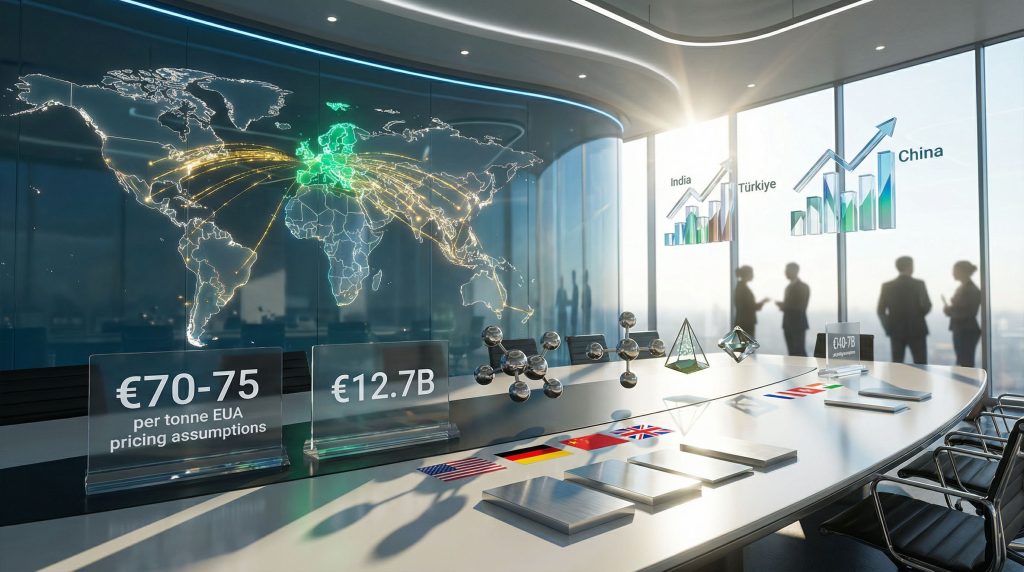
Current projections indicate EUA prices will rise from €70-75 per tonne in 2025 to approximately €130 per tonne by 2030, representing an 85% increase over five years. This dramatic escalation requires businesses to develop sophisticated cost forecasting capabilities.
The embedded emissions calculation distinguishes between direct emissions from fuel combustion in production processes and indirect emissions from electricity consumption. However, recent EU Commission clarification confirms that indirect emissions will not be included for metals products under the initial CBAM implementation, significantly reducing compliance complexity for aluminum and steel importers.
Certificate Cost Formula:
- CBAM Cost = Embedded Emissions (tonnes CO₂e) × EUA Price (€/tonne) × Compliance Rate
- 2026 Compliance Rate: 100% of embedded emissions subject to certificate requirements
- Phase-out Schedule: Free allowances decline from 100% (2026) to 0% (2034)
The calculation methodology requires facility-specific emissions data verified through third-party auditing, creating new documentation and reporting requirements for exporters. Companies lacking verified data face default benchmark rates established by the EU Commission, typically representing higher emissions intensities that increase certificate obligations.
Steel Sector: The Primary Target for Carbon Tariffs
Steel manufacturing faces the most substantial Carbon Border Adjustment Mechanism exposure, accounting for approximately 75% of total projected liabilities across all covered sectors. This dominance reflects both the sector's high emissions intensity and substantial trade volumes with the European Union.
Production pathway diversity creates significant competitive disparities under CBAM. Blast furnace steelmaking, dominant in India, China, and Russia, generates approximately 2.0 tonnes of CO₂ equivalent per tonne of crude steel. Electric arc furnace operations, more prevalent in the United States and Nordic countries, produce 0.3-0.8 tonnes CO₂e per tonne depending on electricity grid carbon intensity.
At €90 EUA pricing projected for 2026, high-intensity blast furnace steel faces additional costs of €40-60 per tonne, while upstream products like steel slab confront surcharges potentially exceeding 20% of import value. This cost differential effectively creates a technology-based competitive advantage for electric arc furnace producers and regions with low-carbon electricity generation.
Steel Production Emissions Comparison:
| Production Method | Emissions Intensity | CBAM Cost at €90/tonne | % of Typical Price |
|---|---|---|---|
| Blast Furnace | 2.0 tCO₂e/tonne | €180 per tonne | 40% |
| Electric Arc Furnace (Low-Carbon Grid) | 0.5 tCO₂e/tonne | €45 per tonne | 10% |
| Electric Arc Furnace (High-Carbon Grid) | 0.8 tCO₂e/tonne | €72 per tonne | 16% |
The sectoral impact extends beyond direct costs to fundamental shifts in competitive positioning. Traditional steel exporters relying on blast furnace technology face margin compression, while countries with advanced recycling infrastructure and clean electricity gain market share advantages.
Aluminum Industry: Secondary but Significant Liability
While aluminum represents a smaller share of total CBAM exposure compared to steel, the sector faces projected collective liabilities near €500 million in 2026. The industry's vulnerability centers on electricity-intensive smelting processes, where grid carbon intensity becomes the primary determinant of compliance costs.
Current CBAM coverage excludes indirect emissions from electricity consumption, limiting initial aluminum exposure to direct process emissions. However, potential future inclusion of electricity-related emissions could surge total costs from €1 billion to €4.7 billion by 2030, representing a 370% increase in liability.
This uncertainty creates strategic planning challenges for aluminum producers and importers. Smelters located in regions with coal-dominated electricity grids face substantially higher exposure than facilities powered by renewable or nuclear generation. Norway's hydroelectric-powered smelters gain competitive advantages over coal-dependent operations in China or India.
Regional Grid Carbon Intensity Impact:
- Low-carbon regions (Norway, Quebec, Iceland): Minimal CBAM exposure
- Medium-carbon grids (United States, South Korea): Moderate cost increases
- High-carbon jurisdictions (China, India, South Africa): Maximum penalty exposure
Geographic Winners and Losers in Carbon-Adjusted Markets
CBAM's financial impact demonstrates significant geographic concentration, with five countries bearing over half of projected costs by 2030. India faces the highest exposure at 18% of total CBAM costs despite representing only 9% of EU import value, reflecting the carbon intensity of its industrial base and absence of domestic carbon pricing.
Projected CBAM Cost Distribution by Country (2030):
| Country | Share of CBAM Costs | Share of EU Import Value | Cost Burden Ratio |
|---|---|---|---|
| India | 18% | 9% | 2.0x |
| Türkiye | 12% | 8% | 1.5x |
| China | 15% | 20% | 0.75x |
| Ukraine | 8% | 4% | 2.0x |
| Russia | 9% | 6% | 1.5x |
Countries with existing carbon pricing mechanisms receive credits against CBAM obligations, creating competitive advantages for producers in jurisdictions with domestic carbon costs. This design incentivises global carbon pricing adoption while avoiding double taxation of already-regulated emissions.
Competitive Advantage Shifts
Carbon Border Adjustment Mechanism implementation redistributes competitive advantages based on production technology and electricity grid composition rather than traditional cost factors alone. Low-carbon producers in the United States, South Korea, and Norway gain market share opportunities as high-emission competitors face penalty costs.
The mechanism creates particularly pronounced shifts in steel markets, where blast furnace operations lose cost competitiveness to electric arc furnace facilities. This technological preference extends beyond direct emissions to upstream supply chain considerations, as scrap steel availability and recycling infrastructure become strategic assets. Consequently, Australia's green metals leadership positions the nation advantageously in this evolving landscape.
Regional electricity grid decarbonisation accelerates under CBAM incentives, as countries recognise clean energy as an export competitiveness factor. This dynamic reinforces renewable energy investment while penalising jurisdictions maintaining fossil fuel dependence in electricity generation.
Strategic Business Implications
Supply Chain Risk Assessment Framework
Companies face new requirements for supplier carbon auditing and jurisdictional risk evaluation. Traditional procurement metrics expand to include embedded emissions intensity, creating need for comprehensive supply chain mapping and emissions verification systems.
Risk Assessment Components:
- Facility-level emissions intensity measurement
- Supplier geographic concentration analysis
- Technology pathway evaluation (blast furnace vs. electric arc furnace)
- Grid carbon intensity assessment for electricity-dependent processes
- Political risk evaluation for carbon pricing policy stability
Contract renegotiation becomes essential as CBAM costs require clear allocation between buyers and suppliers. Force majeure clauses may require updating to address carbon pricing volatility, while pricing mechanisms need adjustment for certificate cost pass-through.
Investment and Asset Valuation Changes
High-emission production facilities face stranded asset risk as CBAM implementation reduces their competitive positioning. Blast furnace steel plants in non-EU countries experience declining valuations relative to clean production alternatives, potentially accelerating facility closure timelines.
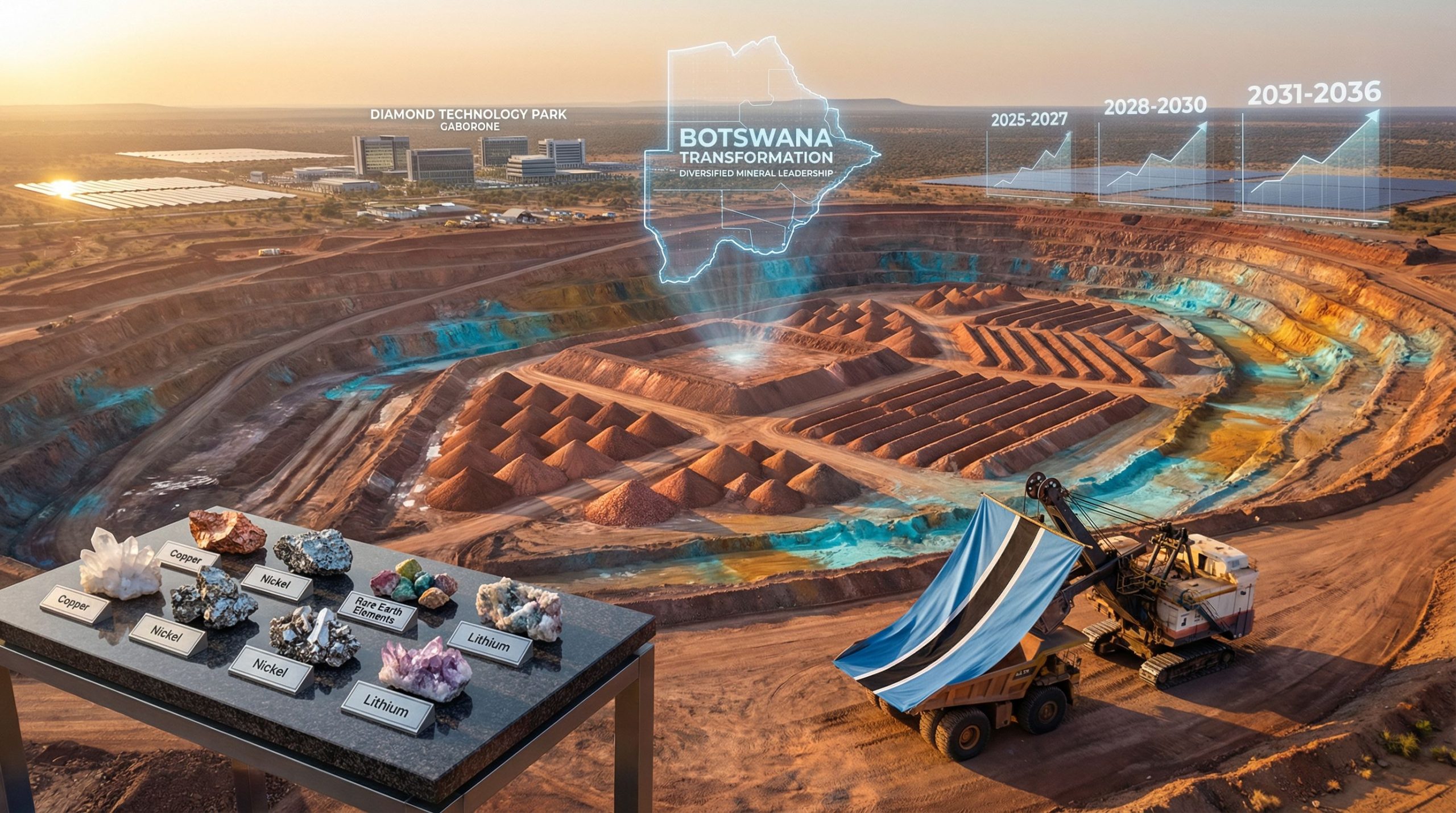
Investment capital redirects toward low-carbon production technologies and renewable energy infrastructure. Green premium capture becomes possible for clean producers, justifying higher capital expenditures for emissions reduction equipment and process optimisation. Furthermore, mining industry evolution demonstrates how technological advancement supports these transitions.
Technology Transition Investment Priorities:
- Electric arc furnace conversion projects
- Renewable electricity procurement agreements
- Hydrogen-based steel production development
- Carbon capture and storage implementation
- Energy efficiency optimisation systems
Compliance Infrastructure Development
Organisations require new capabilities for CBAM certificate management and regulatory reporting. Data collection systems must track embedded emissions at product level, requiring integration with existing enterprise resource planning and supply chain management platforms.
Compliance System Requirements:
- Real-time emissions monitoring and verification
- Third-party audit coordination and documentation
- Certificate procurement and portfolio management
- Monthly regulatory reporting automation
- Cost allocation and accounting system integration
Certificate trading creates new financial risk management requirements. Companies need expertise in carbon markets, price forecasting, and hedging strategies to manage EUA price volatility exposure.
Price Trajectory Analysis
European Union Allowance prices face structural upward pressure through 2030 as free allowance allocation decreases and industrial demand remains stable. Market fundamentals support price increases from current €70-75 per tonne levels toward €130 per tonne by decade's end.
EUA Price Drivers:
- Supply constraints: Declining free allowance allocation under EU ETS reform
- Demand stability: Industrial production maintaining emissions levels
- Policy expansion: Potential CBAM scope extension to additional sectors
- International adoption: Similar mechanisms in other jurisdictions creating global demand
Price volatility creates financial planning challenges for importers unable to pass through costs to customers. Hedging strategies become essential for organisations with significant CBAM exposure, requiring sophisticated risk management capabilities.
Sectoral Cost Distribution Over Time
Projected Annual CBAM Liability Growth:
| Sector | 2026 Estimate | 2030 Projection | 2034 Full Implementation |
|---|---|---|---|
| Steel | €2.5B | €5.8B | €8.2B |
| Aluminum | €0.5B | €1.8B | €3.1B |
| Cement | €0.3B | €0.9B | €1.4B |
| Fertilizers | €0.2B | €0.6B | €1.0B |
| Total | €3.5B | €8.7B | €13.7B |
Steel sector dominance persists throughout the implementation timeline, maintaining approximately 60% of total CBAM costs. Aluminum exposure grows most rapidly if indirect emissions inclusion proceeds, potentially reaching €3.1 billion annually by 2034.
Cost escalation reflects both rising EUA prices and declining free allowance allocations. By 2034, full certificate requirements combined with projected €150+ per tonne EUA pricing create substantial compliance costs across all covered sectors.
Regulatory Evolution Scenarios
CBAM scope expansion represents the primary regulatory uncertainty beyond 2026. Additional sectors under consideration include chemicals, plastics, and refined petroleum products, potentially doubling total compliance costs by 2030.
Potential Scope Extensions:
- Chemicals sector: Petrochemicals, basic chemicals, specialty chemicals
- Plastics manufacturing: Polyethylene, polypropylene, PVC production
- Glass production: Flat glass, container glass manufacturing
- Pulp and paper: Energy-intensive paper manufacturing processes
- Refined metals: Copper, zinc, nickel production and processing
Methodology refinements continue through stakeholder consultation processes. Indirect emissions inclusion decisions significantly impact aluminum, chemicals, and other electricity-intensive sectors, potentially tripling compliance costs in affected industries. Moreover, energy transition strategies influence how sectors adapt to these evolving requirements.
International Policy Spillover Effects
Carbon border adjustment mechanisms gain momentum globally as countries recognise trade competitiveness implications. The United Kingdom advances similar legislation, while the United States evaluates border carbon measures under various policy scenarios.
Developing countries face pressure to implement domestic carbon pricing to avoid CBAM costs. This creates spillover effects accelerating global carbon market development and technology transfer for clean production methods.
Policy Replication Timeline:
- 2026-2027: UK implementation of similar mechanisms
- 2027-2028: US evaluation and potential legislation
- 2028-2030: Broader OECD country adoption
- Post-2030: Developing country implementation to maintain export competitiveness
Trade dispute potential remains elevated as affected countries challenge CBAM through World Trade Organisation mechanisms. However, the EU's CBAM design and credit provisions for domestic carbon pricing strengthen legal defensibility.
Risk Mitigation Strategies
Diversification Approaches:
- Geographic supplier portfolio balancing across multiple jurisdictions
- Technology pathway diversification (blast furnace + electric arc furnace sourcing)
- Contract term variation to manage price volatility exposure
- Vertical integration to control carbon-intensive production stages
Financial hedging strategies become essential for managing EUA price exposure. Derivative instruments allow cost prediction and budget certainty, though limited market liquidity may constrain hedging effectiveness for smaller organisations.
Hedging Mechanisms:
- EUA futures contracts for price certainty
- Carbon price swaps for cost management
- Supply contract indexation to carbon prices
- Insurance products for regulatory risk coverage
Long-term Market Evolution
Carbon price convergence emerges as countries implement border adjustments and domestic carbon pricing to maintain export competitiveness. This convergence reduces trade distortions while accelerating global decarbonisation through market mechanisms.
Technology transfer accelerates as clean production knowledge becomes commercially valuable. Developed countries with advanced low-carbon technologies gain licensing opportunities, while developing nations invest in emissions reduction to maintain market access.
Investment capital flows redirect toward low-carbon jurisdictions offering production cost advantages under carbon-adjusted trade regimes. This dynamic reinforces renewable energy development while penalising regions maintaining fossil fuel dependence.
Strategic Imperatives for Business Leaders
Immediate Action Requirements:
- Comprehensive supplier carbon intensity auditing
- Geographic exposure assessment across procurement networks
- Contract renegotiation for CBAM cost allocation
- Compliance system development and implementation
- Risk management capability enhancement
Medium-term planning requires supply chain diversification toward low-carbon suppliers and regions with clean electricity generation. Technology investment in emissions reduction becomes strategically essential rather than voluntary sustainability initiatives.
Long-term competitive positioning depends on decarbonisation leadership and clean production capability development. Organisations achieving carbon neutrality gain sustained competitive advantages as carbon costs escalate through 2034 and beyond.
Competitive Differentiation Strategies:
- Clean production technology investment and deployment
- Renewable energy procurement and grid decarbonisation
- Supply chain transparency and emissions verification systems
- Customer education and green premium capture
- Strategic partnerships with low-carbon suppliers
The Carbon Border Adjustment Mechanism represents more than regulatory compliance requirements. It fundamentally restructures global trade competitiveness, creating new winners and losers based on carbon efficiency rather than traditional cost factors alone. Organisations adapting proactively to these dynamics position themselves for sustained success in the emerging carbon-constrained global economy.
Ready to Navigate Carbon-Adjusted Investment Markets?
Discovery Alert's proprietary Discovery IQ model delivers real-time alerts on significant mineral discoveries across ASX-listed companies, helping investors identify opportunities in sectors adapting to carbon pricing mechanisms and green transition demands. With major shifts in global trade competitiveness favouring low-carbon production, understanding which mining and exploration companies are positioned for success becomes crucial for portfolio performance.