Understanding the Fundamentals of Circular Resource Recovery in Mining
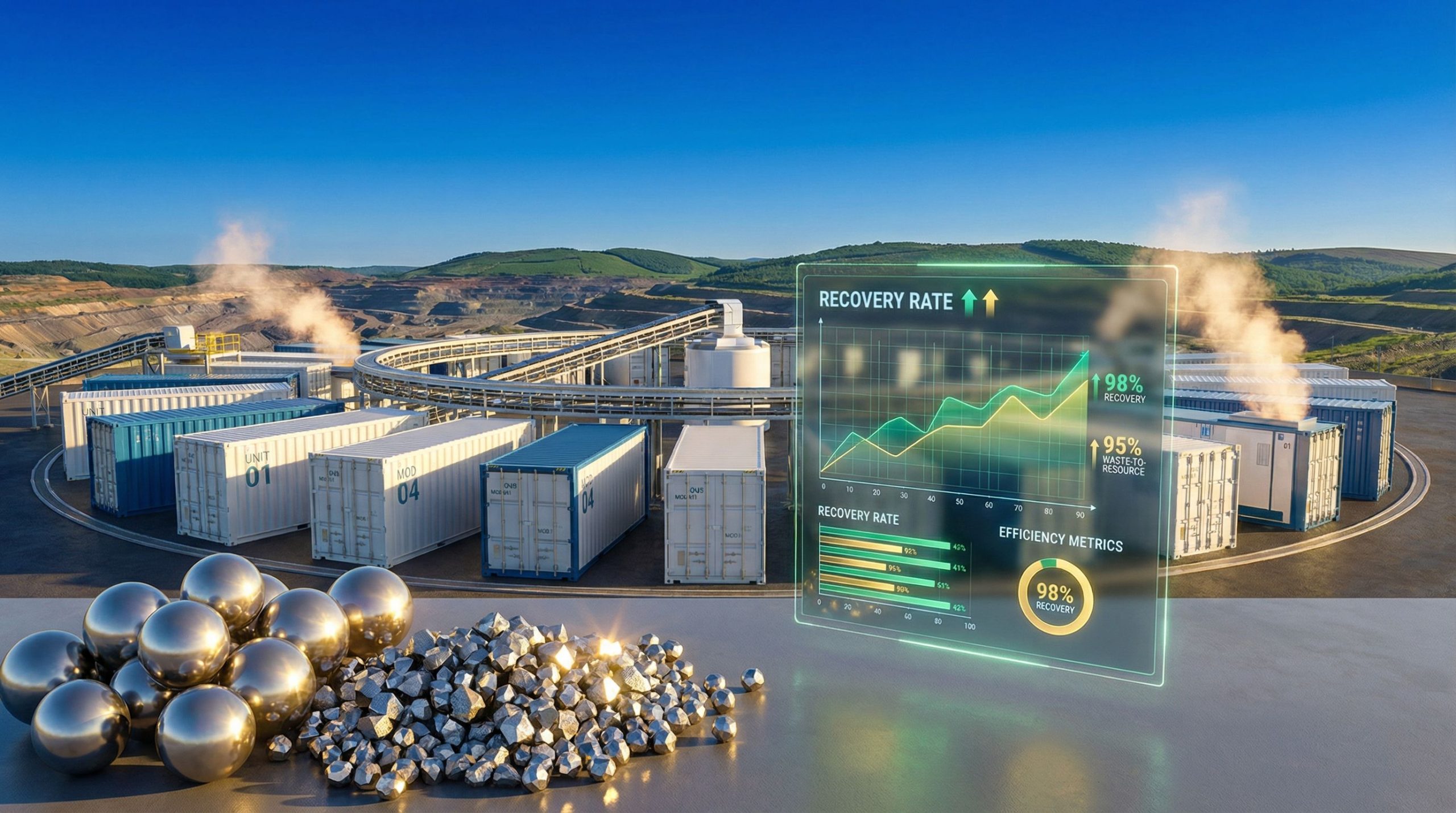
The mining industry generates billions of tonnes of waste annually, yet emerging Picko Global circular resource recovery technologies are transforming these discarded materials into valuable commodities. This paradigm shift represents more than environmental compliance; it fundamentally restructures the economics of mineral processing through systematic waste-to-resource transformation methodologies.
Cold agglomeration technologies have emerged as the cornerstone of modern circular recovery systems, operating at ambient temperatures while achieving comparable material consolidation to traditional high-temperature methods. These processes eliminate the substantial energy requirements of thermal treatment, reducing operational costs by up to 40-60% compared to conventional disposal strategies.
The economic framework underlying waste transformation centers on three critical performance indicators: material recovery efficiency, energy consumption reduction, and regulatory compliance cost avoidance. Furthermore, successful implementations typically achieve 85-95% recovery rates for previously discarded materials, creating entirely new revenue streams from historical waste stockpiles through innovative waste management solutions.
Defining Circular Recovery Technologies
Circular resource recovery encompasses integrated systems that capture, process, and reintroduce waste materials into productive use cycles. Unlike linear disposal models, these technologies create closed-loop material flows where by-products become input feedstock for subsequent processing operations.
Cold agglomeration represents the technological foundation of most modern recovery systems. These processes utilise specialised binding agents to consolidate fine particles and dust into manageable, marketable products without thermal energy input. Consequently, the resulting materials often exceed quality specifications for their intended applications while eliminating traditional disposal costs.
Key advantages of cold processing include:
- Energy efficiency: Eliminates high-temperature processing requirements
- Environmental impact: Reduces carbon emissions by 50-70% versus thermal methods
- Operational flexibility: Enables processing of diverse waste stream compositions
- Product quality: Achieves consistent material specifications through controlled binding
- Economic viability: Creates positive cash flows from previously cost-generating waste
The Economics of Mining Waste Transformation
Investment analysis for circular recovery systems reveals compelling financial returns across multiple operational scenarios. Capital expenditure typically ranges from $2-8 million for modular processing facilities, with payback periods of 18-36 months depending on waste volume and material composition.
Revenue generation occurs through several mechanisms:
| Revenue Stream | Contribution % | Market Application |
|---|---|---|
| Recovered materials sales | 60-70% | Direct commodity markets |
| Disposal cost avoidance | 20-25% | Eliminated tailing fees |
| Environmental compliance | 10-15% | Regulatory cost reduction |
The transformation economics become particularly attractive for operations generating 10,000+ tonnes annually of suitable waste materials. At this threshold, dedicated processing infrastructure achieves optimal capacity utilisation while supporting comprehensive environmental management integration.
What Are the Core Technologies Driving Modern Resource Recovery?
Advanced agglomeration methodologies form the technological backbone of contemporary waste-to-resource operations. These systems combine proprietary binding formulations with precision material handling to achieve consistent product quality across diverse input compositions, representing significant mining industry innovation.
Advanced Agglomeration Methodologies
Cold binding processes represent a fundamental departure from energy-intensive thermal treatment approaches. Modern agglomeration systems operate through controlled chemical binding mechanisms that consolidate fine particles into dense, stable products suitable for metallurgical applications.
The technology achieves several critical advantages over traditional methods:
- Energy consumption: Reduces processing energy by 75-90% versus thermal alternatives
- Carbon footprint: Eliminates direct combustion emissions from heating processes
- Material handling: Improves dust suppression and transportation efficiency
- Product consistency: Maintains uniform specifications through precise binder control
- Operational flexibility: Processes variable input compositions without equipment modifications
Recent developments in binder chemistry have expanded application possibilities significantly. However, iron industry applications now utilise specialised formulations designed for blast furnace compatibility, while manganese recovery systems employ binders optimised for ferralloy production requirements.
Modular Plant Design and Scalability Solutions
Contemporary recovery systems emphasise modular construction methodologies that enable flexible deployment across diverse operational environments. Containerised processing units provide turnkey solutions ranging from 500-5,000 tonnes monthly capacity, with expansion capabilities through additional module integration.
Modular design advantages include:
- Rapid deployment: Installation timelines of 8-12 weeks versus 18-24 months for conventional construction
- Scalable capacity: Incremental expansion through standardised module addition
- Site adaptability: Minimal infrastructure requirements for remote locations
- Technology upgrades: Module replacement enables continuous improvement adoption
- Risk mitigation: Phased implementation reduces capital exposure
The containerised approach proves particularly valuable for mining operations with variable waste generation patterns or uncertain long-term processing requirements. In addition, individual modules can be relocated between sites, maximising asset utilisation across multiple projects.
Which Industries Benefit Most From Circular Resource Recovery Implementation?
Metallurgical sector applications demonstrate the highest recovery potential due to consistent waste stream characteristics and established markets for recovered materials. Manganese alloy refining, iron and steel production, and non-ferrous metal processing generate predictable waste volumes amenable to systematic recovery processes.
Metallurgical Sector Applications
Manganese alloy refining operations historically struggled with significant disposal challenges from furnace dust and slag by-products. Modern recovery systems transform these materials into marketable products through specialised agglomeration processes, eliminating disposal costs while creating additional revenue streams.
Case study analysis reveals consistent performance across multiple installations:
- Recovery rates: 88-94% of input material converted to saleable products
- Quality specifications: Recovered materials meet or exceed metallurgical standards
- Economic returns: Payback periods of 14-28 months for dedicated processing facilities
- Environmental benefits: 90%+ reduction in waste disposal volumes
Iron and steel industry applications focus on dust and scale recovery from blast furnace and steel-making operations. Advanced binder formulations enable cold agglomeration of these materials into products suitable for direct return to production processes, creating truly closed-loop material flows.
Non-ferrous metal processing, including copper, zinc, and aluminium operations, benefits from recovery systems designed for specific compositional requirements. Furthermore, these applications often achieve premium pricing for recovered materials due to their specialised metallurgical properties.
Mining Operations Waste Stream Optimisation
Mining operations generate diverse waste streams suitable for recovery processing, including tailings, process residues, and fugitive dust materials. Successful implementations require careful characterisation of waste composition and selection of appropriate agglomeration technologies supported by AI process optimization.
Tailings management represents a particularly attractive application due to:
- Volume consistency: Predictable generation rates support consistent processing
- Composition stability: Relatively uniform material characteristics enable optimised processing
- Environmental benefits: Reduces tailings facility footprint and associated risks
- Regulatory compliance: Supports increasingly stringent waste management requirements
Integrated environmental management approaches combine solid waste recovery with water treatment and dust suppression systems. This comprehensive methodology addresses multiple compliance requirements while optimising overall operational efficiency.
How Do Companies Implement Effective Waste-to-Resource Programs?
Successful waste-to-resource program implementation requires systematic evaluation of operational models, technology selection, and performance optimisation strategies. Companies typically choose from three primary operating approaches based on capital availability, operational expertise, and risk tolerance.
Operational Model Selection Strategies
| Operating Model | Capital Requirements | Operational Control | Risk Profile | Typical Applications |
|---|---|---|---|---|
| Self-Operated | $3-12 million | Complete | High | Large-scale continuous operations |
| Toll Processing | $0.5-2 million | Shared | Medium | Variable or seasonal processing |
| Outsourced Management | $0.1-0.5 million | Limited | Low | Small-scale or pilot programs |
Self-operated models provide maximum control over processing parameters and product quality while requiring substantial capital investment and operational expertise. These approaches suit large mining operations with consistent waste generation and long-term processing commitments.
Toll-based arrangements offer attractive alternatives for operations seeking consistent product output without major capital expenditure. Service providers supply processing infrastructure, technical expertise, and operational management while clients retain material ownership and marketing responsibilities.
Outsourced management approaches minimise client involvement and capital requirements but limit operational control and profit potential. For instance, these models work effectively for pilot programs or operations with limited technical resources.
Technology Integration and Process Optimisation
Effective implementation requires comprehensive integration of recovery systems with existing operational workflows. Laboratory testing protocols establish optimal binder formulations for specific waste compositions, while quality control systems ensure consistent product specifications.
Critical implementation phases include:
- Material characterisation: Detailed analysis of waste stream composition and variability
- Binder optimisation: Laboratory testing to determine optimal formulations and dosage rates
- Process design: Engineering of handling, mixing, and curing systems
- Quality assurance: Development of testing protocols and product specifications
- Operational training: Personnel development for system operation and maintenance
Continuous improvement methodologies enable ongoing optimisation of recovery rates and product quality. Regular analysis of process performance identifies opportunities for enhanced efficiency and expanded application possibilities.
What Environmental and Regulatory Benefits Drive Adoption?
Environmental compliance requirements increasingly drive circular recovery adoption as mining operations face stringent waste management regulations and stakeholder expectations for sustainable practices. Modern recovery systems address multiple compliance objectives simultaneously while reducing operational costs, contributing to comprehensive mine reclamation innovation.
ESG Compliance and Sustainability Metrics
Environmental, social, and governance (ESG) reporting requirements emphasise quantifiable sustainability improvements. Picko Global circular resource recovery systems provide measurable benefits across multiple ESG categories:
Environmental metrics:
- Waste volume reduction: 85-95% decrease in disposal requirements
- Carbon emission reductions: 50-70% lower processing energy consumption
- Water usage optimisation: Integrated treatment reduces consumption by 30-40%
- Land use efficiency: Reduced tailings facility requirements
Social benefits:
- Community impact mitigation through reduced waste disposal
- Employment creation in specialised technical roles
- Enhanced operational safety through improved dust control
- Stakeholder engagement improvement via sustainability demonstration
Governance advantages:
- Regulatory compliance assurance across multiple jurisdictions
- Risk mitigation through diversified waste management approaches
- Long-term operational sustainability enhancement
- Investor relations improvement through ESG performance
Integrated Environmental Management Systems
Comprehensive environmental management integrates waste recovery with water treatment, dust suppression, and air quality control systems. This approach addresses interconnected environmental challenges while optimising overall compliance costs.
Water treatment integration enables recovery and reuse of process water while removing dissolved metals and suspended solids. Combined systems achieve 90%+ water recovery rates while meeting discharge standards across multiple regulatory jurisdictions.
Dust control systems utilise agglomeration binding agents for dual-purpose applications, consolidating waste materials while suppressing fugitive emissions. Consequently, this integration reduces both material handling costs and environmental impact.
How Are Emerging Technologies Reshaping Resource Recovery?
Next-generation recovery technologies focus on bio-based alternatives to traditional binding agents and enhanced automation systems. These developments promise improved environmental performance and operational efficiency while expanding application possibilities, particularly in supporting critical raw materials facility development.
Next-Generation Binder Development
Bio-based carbon alternatives represent a significant advancement in metallurgical applications. Biomass-derived carbon replacement technologies offer potential fossil fuel offset capabilities while maintaining metallurgical performance specifications.
Current development focuses on:
- Biomass feedstock optimisation: Selection of renewable carbon sources with appropriate chemical properties
- Processing efficiency: Development of cost-effective conversion methodologies
- Performance validation: Metallurgical testing to ensure product compatibility
- Scale-up planning: Engineering for commercial production capabilities
- Market integration: Development of supply chain infrastructure for biomass-derived products
The first commercial-scale bio-carbon facility is scheduled for commissioning in June 2026, marking a significant milestone in sustainable metallurgical carbon production. This development could reshape carbon sourcing across multiple metal production sectors.
Energy-efficient processing innovations continue advancing cold agglomeration capabilities. Recent developments achieve 15-25% improvement in binding efficiency while reducing binder consumption requirements.
Digital Integration and Process Automation
Advanced monitoring systems enable real-time optimisation of recovery processes through continuous analysis of material composition, binding effectiveness, and product quality. These systems reduce operational variability while maximising recovery rates.
Digital integration capabilities include:
- Material characterisation: Automated analysis of waste stream composition variations
- Process optimisation: Real-time adjustment of binder dosage and mixing parameters
- Quality monitoring: Continuous assessment of product specifications
- Predictive maintenance: Equipment performance analysis and failure prevention
- Performance analytics: Comprehensive data analysis for continuous improvement
Predictive maintenance technologies utilise vibration analysis, temperature monitoring, and performance trending to optimise equipment reliability. However, these systems typically achieve 25-35% reduction in unplanned downtime while extending equipment service life.
What Does the Future Hold for Circular Resource Recovery?
Market growth projections indicate substantial expansion potential for waste-to-resource technologies across global mining operations. Industry analysis suggests the addressable market could reach $15-25 billion annually by 2030, driven by regulatory requirements and economic optimisation opportunities.
Market Growth Projections and Investment Opportunities
Regional adoption patterns vary significantly based on regulatory frameworks, commodity markets, and operational scale. Developed mining markets demonstrate higher adoption rates due to stringent environmental regulations, while emerging markets focus on economic optimisation drivers.
Key growth drivers include:
- Regulatory pressure: Increasingly stringent waste management requirements
- Economic optimisation: Rising disposal costs and material recovery values
- Technology maturation: Proven performance across diverse applications
- ESG requirements: Investor and stakeholder sustainability expectations
- Resource scarcity: Increasing value of previously discarded materials
Investment requirements for large-scale implementation typically range from $5-15 million per facility, with returns strongly correlated to waste volume and material composition. Operations generating 50,000+ tonnes annually of suitable waste materials represent prime investment candidates.
Innovation Pipeline and Technological Advancement
Research and development priorities focus on expanding application possibilities while improving processing efficiency. Advanced material characterisation techniques enable processing of increasingly complex waste compositions.
Collaborative partnerships between technology providers and mining companies accelerate innovation through shared technical expertise and operational experience. These relationships facilitate rapid technology transfer from laboratory development to commercial implementation.
Timeline projections suggest next-generation technologies will achieve commercial readiness within 3-5 years, offering enhanced performance and expanded application possibilities. Furthermore, key development areas include automated material handling, advanced binding chemistry, and integrated environmental management systems.
Frequently Asked Questions About Circular Resource Recovery
Implementation and Operational Considerations
What is the typical payback period for circular recovery investments?
Payback periods typically range from 18-36 months depending on waste volume, material composition, and operational model selection. Large-scale operations with consistent waste generation achieve faster returns, while smaller or variable operations may require 24-48 months for full cost recovery.
How do companies measure success in waste-to-resource programs?
Success metrics focus on material recovery rates (target: 85%+), product quality consistency, and economic returns. Environmental compliance improvements and ESG performance enhancement provide additional value quantification opportunities.
What are the main technical challenges in agglomeration processing?
Primary challenges include material composition variability, binder optimisation for specific applications, and product quality consistency. Advanced laboratory testing and process control systems address these challenges through systematic optimisation approaches.
Technology and Performance Metrics
Which waste streams offer the highest recovery potential?
Metallurgical dust and slag materials typically offer 90%+ recovery potential due to consistent composition and established market applications. Mining tailings and process residues achieve 75-85% recovery rates depending on mineral composition and processing history.
How does cold agglomeration compare to traditional thermal processing?
Cold agglomeration reduces energy consumption by 75-90% while eliminating direct emissions from thermal processing. Product quality often exceeds thermal processing results due to improved control over binding mechanisms and reduced material degradation.
What quality standards apply to recovered materials?
Recovered materials must meet industry-specific metallurgical standards for their intended applications. Iron industry products require specific chemical composition and physical properties, while construction applications focus on strength and durability characteristics.
Key Takeaways for Mining Industry Decision-Makers
Strategic Implementation Roadmap
Successful Picko Global circular resource recovery implementation requires systematic evaluation of operational requirements, technology options, and financial considerations. A phased approach minimises risk while enabling continuous optimisation based on operational experience.
Phase 1: Assessment and Planning (3-6 months)
- Comprehensive waste stream characterisation
- Technology selection and vendor evaluation
- Economic analysis and operating model selection
- Regulatory compliance review and permitting
Phase 2: Pilot Implementation (6-12 months)
- Small-scale system installation and commissioning
- Binder optimisation and process refinement
- Product quality validation and market development
- Operational training and procedure development
Phase 3: Full-Scale Deployment (12-24 months)
- Commercial system installation and startup
- Performance optimisation and quality assurance
- Market integration and product sales
- Continuous improvement implementation
Performance Optimisation Best Practices
Continuous improvement frameworks enable ongoing enhancement of recovery efficiency and product quality. Regular performance monitoring identifies optimisation opportunities while ensuring consistent operational results.
Critical success factors include:
- Technical expertise: Specialised knowledge in agglomeration chemistry and process optimisation
- Quality assurance: Systematic testing and monitoring protocols
- Market development: Established relationships for recovered material sales
- Operational flexibility: Ability to adapt to waste composition variations
- Environmental integration: Comprehensive approach to waste, water, and dust management
Long-term sustainability planning incorporates technology advancement opportunities and market evolution considerations. Successful operations maintain flexibility for continuous improvement while building operational expertise and market relationships that support sustained profitability.
Research indicates that circular economy approaches in mining are becoming increasingly vital for industry sustainability. In addition, Picko Global circular resource recovery technologies represent a fundamental shift towards more sustainable mining practices that align with global environmental objectives.
This analysis is based on current industry practices and technological capabilities. Future developments may alter performance expectations and economic projections. Companies considering circular recovery implementation should conduct detailed feasibility studies specific to their operational requirements and waste characteristics.
Ready to Capitalise on Advanced Waste-to-Resource Mining Opportunities?
Discovery Alert's proprietary Discovery IQ model delivers instant notifications on significant ASX mineral discoveries, including emerging companies developing innovative waste recovery and circular resource technologies that transform mining economics. Understand why major mineral discoveries can generate exceptional returns whilst exploring cutting-edge mining technologies, and begin your 30-day free trial today to position yourself ahead of the market in this rapidly evolving sector.