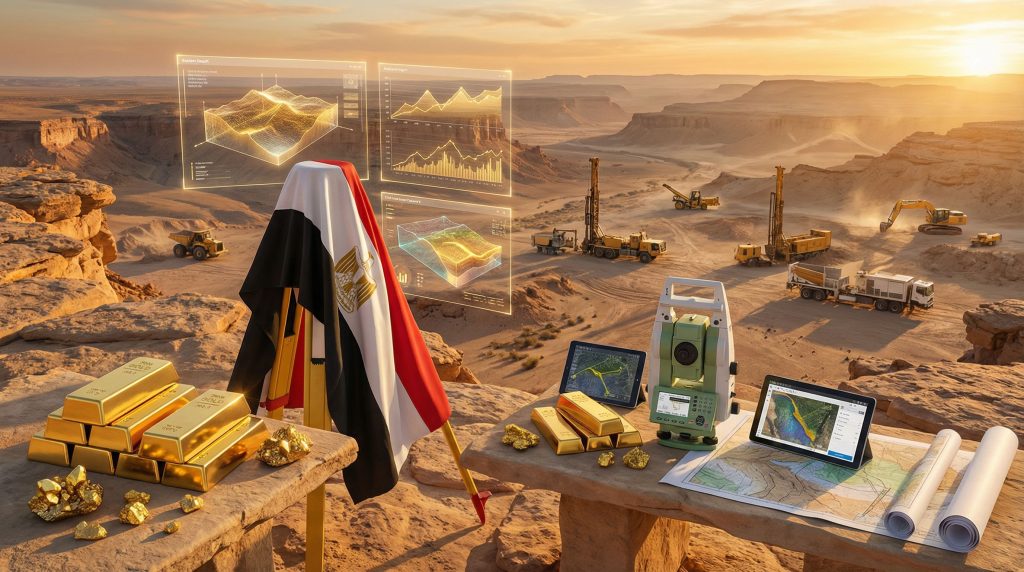
The global precious metals landscape continues evolving through cycles of technological advancement, geopolitical shifts, and resource accessibility challenges. Within this framework, mining companies worldwide must navigate complex decisions regarding resource allocation, operational efficiency, and long-term strategic positioning. Desert environments present unique operational considerations that distinguish them from traditional mining territories, requiring specialized approaches to exploration methodologies, infrastructure development, and environmental management systems.
Investment patterns in mineral exploration have increasingly focused on regions offering both geological promise and regulatory stability. The intersection of these factors creates investment environments where multinational corporations can deploy capital with reasonable risk-adjusted return expectations. Understanding these dynamics becomes essential for investors evaluating opportunities in emerging mining jurisdictions, particularly those located in challenging geographical conditions that demand innovative operational solutions through comprehensive investment strategy guide.
Understanding Egypt's Eastern Desert Investment Appeal
Geological Advantages and Resource Assessment
Egypt's Eastern Desert encompasses significant geological formations that have attracted international mining attention. The recently licensed territories span over 2,200 square kilometers within the Arabian-Nubian Shield, representing previously unexplored areas with substantial mineral discovery potential.
The Arabian-Nubian Shield geological formation provides the foundational framework for mineralization across this region. These ancient rock formations, created through complex geological processes over millions of years, contain the structural characteristics necessary for gold-bearing ore bodies. The shield extends across multiple countries in North Africa and the Arabian Peninsula, creating a regional geological corridor with proven mineral potential.
Key geological characteristics include:
• Precambrian basement rocks that provide the structural foundation for mineral deposits
• Hydrothermal alteration zones where mineral-rich fluids have created ore concentrations
• Fault systems and fracture networks that facilitate mineral migration and concentration
• Metamorphic grade variations that influence mineral stability and grade distribution
The exploration potential within these new investments in eastern desert gold exploration areas remains largely untested using modern geological survey techniques. Furthermore, advanced remote sensing technologies, combined with systematic drilling programs, could reveal mineral concentrations that were previously undetectable through historical exploration methods. Effective gold deposit analysis techniques have become increasingly sophisticated in identifying these opportunities.
Regulatory Framework and Investment Climate
Egypt's approach to mining sector development emphasizes creating competitive investment conditions that align with international standards. The government framework aims to match globally competitive investment systems while attracting wider mining capital deployment into the country's mineral resources.
The recent licensing activity demonstrates governmental commitment to accelerating exploration activities within newly awarded zones. This regulatory approach indicates a strategic shift toward more streamlined permitting processes and enhanced investor engagement protocols.
Investment climate improvements include:
• Streamlined licensing procedures that reduce administrative barriers for qualified operators
• Government engagement at ministerial levels ensuring policy consistency and support
• Technology transfer initiatives that build local capacity while supporting foreign investment
• Environmental compliance frameworks that balance development with sustainability requirements
The regulatory environment also emphasizes capacity building through joint training programs for Egyptian geologists and mining engineers, creating a skilled workforce capable of supporting advanced mining operations. These initiatives include occupational safety protocols, environmental protection measures, and the application of international best practices in mining operations.
Strategic Positioning of International Mining Companies
Multinational Expansion Strategies
Major mining corporations evaluate expansion opportunities through comprehensive risk assessment frameworks that consider geological potential, political stability, infrastructure requirements, and operational challenges. AngloGold Ashanti, positioned as the world's fourth-largest mining company, has secured additional exploration territories that complement its existing operations.
The company's strategic approach involves maintaining operations at existing facilities while advancing development at new locations. This parallel development model allows for operational synergies, shared infrastructure utilization, and risk distribution across multiple sites within the same geological region.
Strategic considerations for multinational mining expansion include:
• Geographic diversification to reduce country-specific and geological risks
• Infrastructure leverage where existing operations support new development areas
• Regulatory relationship building that facilitates long-term operational stability
• Technology deployment that maximizes exploration efficiency and operational returns
The expansion model demonstrates how established mining operations can serve as platforms for regional growth, providing logistical support, technical expertise, and operational knowledge that reduces development risks for new investments in eastern desert gold exploration projects. Moreover, the current record high gold prices make these expansion efforts particularly attractive for investors.
Capital Deployment and Investment Timelines
Mining companies must carefully structure capital allocation across exploration phases, from initial geological surveys through production development. Desert environments require specialized equipment, infrastructure modifications, and operational protocols that influence both investment timing and cost structures.
The exploration-to-production cycle in arid regions typically involves extended timelines due to infrastructure development requirements, water resource management needs, and environmental compliance protocols. Companies must balance aggressive exploration schedules with sustainable development practices that ensure long-term operational viability.
Investment timeline considerations include:
• Exploration phase duration typically ranging from 2-5 years depending on geological complexity
• Permitting and environmental assessment periods that vary by jurisdiction and project scope
• Infrastructure development requirements for remote desert locations
• Production ramp-up schedules that optimize operational efficiency and market timing
Financing structures for desert mining operations often require higher capital reserves due to infrastructure development costs, environmental management systems, and operational contingencies associated with remote location challenges.
Investment Models and Partnership Frameworks
Public-Private Collaboration Structures
Egypt's mining development approach emphasizes collaborative frameworks between government entities and international mining companies. The recent licensing agreements demonstrate structured engagement models that incorporate technology transfer, capacity building, and best practice sharing components.
The partnership framework includes plans for launching joint programs to train Egyptian geologists and mining engineers at various operational sites, along with collaboration on occupational safety, environmental protection, and the application of advanced mining practices. These efforts align with broader Egypt-AngloGold development discussions that emphasize comprehensive sector growth.
Partnership elements include:
• Technology transfer agreements that build local technical capabilities
• Capacity building programs for geological and engineering expertise development
• Environmental compliance collaboration ensuring sustainable mining practices
• Safety protocol implementation that meets international operational standards
These collaborative structures create value for both government and private sector partners by establishing sustainable mining operations that contribute to local economic development while generating returns for international investors.
Operational Technology and Efficiency Systems
Modern mining operations in desert environments require specialized technologies that address water scarcity, extreme temperatures, and remote location challenges. Advanced processing technologies, including carbon-in-leach (CIL) systems, provide efficient gold recovery while minimizing environmental impact.
Digital mining technologies enable remote monitoring, predictive maintenance, and operational optimization that improve efficiency while reducing on-site personnel requirements. These systems become particularly valuable in desert locations where operational accessibility may be limited by weather conditions or infrastructure constraints.
Technology implementation areas include:
• Remote sensing and geological survey technologies for exploration efficiency
• Processing optimization systems that maximize recovery rates while minimizing resource consumption
• Environmental monitoring networks that ensure compliance and operational sustainability
• Digital operation platforms that enable remote management and performance optimization
The integration of advanced technologies with traditional mining operations creates operational advantages that justify higher initial capital investments through improved long-term returns and reduced operational risks.
Economic Impact and Market Implications
Regional Development Effects
New investments in eastern desert gold exploration generate economic effects that extend beyond direct mining operations. These projects create employment opportunities across multiple skill levels, from specialized geological and engineering positions to supporting service roles in transportation, logistics, and facility management.
Infrastructure development required for mining operations often benefits broader regional development by improving transportation networks, communication systems, and utility availability. These improvements create positive spillover effects for other economic activities in previously underserved areas.
Economic development impacts include:
• Direct employment creation in mining, engineering, and technical support roles
• Indirect employment generation through supporting services and supply chain activities
• Infrastructure improvement that benefits broader regional economic development
• Skills development programs that enhance local workforce capabilities
The multiplier effects of mining investments often exceed direct project returns by creating sustainable economic development that continues beyond individual project lifecycles.
Global Market Positioning
Egypt's expanding gold production capacity positions the country as an increasingly significant participant in global precious metals markets. The development of new mining areas contributes to supply chain diversification for international gold markets while creating competitive advantages for Egyptian mineral exports.
The strategic location of Egyptian mining operations provides logistical advantages for both European and Asian markets, creating transportation cost efficiencies that enhance project economics. These geographical advantages become increasingly important as global supply chains seek diversification and resilience improvements.
Market positioning advantages include:
• Geographic accessibility to major international markets
• Supply chain diversification opportunities for global buyers
• Cost competitiveness through operational efficiency and favourable logistics
• Production scaling potential that supports long-term market participation
Furthermore, effective gold investment strategies increasingly recognise the importance of diversified geographical exposure in precious metals portfolios.
Risk Assessment and Management Strategies
Operational Risk Evaluation
Desert mining operations present unique risk profiles that require specialized mitigation strategies. Environmental challenges include extreme temperatures, water scarcity, and sand infiltration that can affect equipment performance and operational continuity.
Political risk assessment remains crucial for international mining investments, particularly in emerging markets where regulatory frameworks continue evolving. However, Egypt's government has demonstrated commitment to mining sector development through high-level engagement and policy support, indicating favourable political risk profiles for qualified operators.
Risk management considerations include:
• Environmental challenge mitigation through specialised equipment and operational protocols
• Political stability assessment and government relationship management
• Currency and repatriation considerations for international investment returns
• Regulatory compliance systems that ensure operational continuity
Comprehensive risk management frameworks enable mining companies to operate successfully in challenging environments while protecting investor returns and operational sustainability.
Market Volatility and Commodity Price Sensitivity
Gold mining investments remain subject to commodity price fluctuations that influence project economics throughout operational lifecycles. Companies must develop hedging strategies and financial instruments that provide protection against adverse price movements while preserving upside potential during favourable market conditions.
Long-term mining investments require financial planning that accounts for commodity price cycles, operational cost inflation, and changing market conditions. Desert operations may experience higher cost volatility due to infrastructure maintenance requirements and environmental management needs.
Price sensitivity management includes:
• Hedging strategy development that balances risk protection with profit optimisation
• Cost structure optimisation to maintain profitability across commodity price ranges
• Production flexibility that enables operational adjustments during price volatility
• Financial reserve management to support operations during challenging market periods
In addition, comprehensive gold market technical analysis helps mining companies better understand market timing and pricing trends for strategic decision-making.
Supporting Industry Investment Opportunities
Service Sector Development
Mining development creates substantial opportunities for supporting industries, including specialised equipment suppliers, transportation services, engineering consultancies, and environmental management firms. These supporting sectors often provide attractive investment returns while benefiting from the stability of established mining operations.
The development of mining service capabilities within Egypt enhances the competitiveness of domestic mining operations while creating export opportunities for specialised services throughout the regional mining sector.
Supporting industry opportunities include:
• Mining equipment supply and maintenance services for specialised desert operations
• Transportation and logistics networks that serve remote mining locations
• Environmental consulting and management services for compliance and sustainability
• Technology and engineering support for operational optimisation and expansion
Financial Services and Secondary Markets
Mining development creates demand for specialised financial services, including project financing, commodity trading, insurance, and risk management services. These financial services opportunities often provide stable returns while supporting broader mining sector development.
The growth of mining activity also creates opportunities for equity investment in mining companies, exploration financing, and commodity trading activities that benefit from increased market participation and liquidity.
Financial services opportunities include:
• Project financing and development capital for exploration and production
• Commodity trading and hedging services for price risk management
• Insurance and risk management products for mining operations
• Equity investment opportunities in mining companies and exploration projects
Performance Monitoring and Success Metrics
Exploration and Development Indicators
Successful mining investment requires systematic monitoring of key performance indicators that track progress from exploration through production development. The recent granting of two additional exploration and mining licenses covering over 2,200 square kilometres represents a significant regulatory milestone for Egyptian mining development.
The government's emphasis on accelerating exploration activities provides clear performance expectations for newly licensed areas, creating accountability frameworks that benefit both operators and investors.
Critical performance indicators include:
• Geological survey completion rates and resource estimation updates
• Drilling program progress and mineralisation discovery results
• Permit acquisition timelines and regulatory compliance achievements
• Infrastructure development milestones and cost management performance
Financial Performance Tracking
Investment success in mining operations requires comprehensive financial performance monitoring that tracks both operational efficiency and market performance metrics. Companies must balance exploration expenditure with discovery results while maintaining cost discipline throughout development phases.
Market response to mining development activities provides important feedback regarding investor confidence and project valuation. Systematic tracking of market capitalisation changes, analyst coverage, and institutional investor interest helps companies optimise their communication strategies and market positioning.
Financial tracking elements include:
• Exploration expenditure efficiency ratios and cost per discovery metrics
• Market valuation responses to development milestones and operational updates
• Analyst coverage and recommendations that influence investor sentiment
• Commodity price correlation analysis for operational planning and risk management
Future Strategic Implications
Long-term Development Prospects
The expansion of new investments in eastern desert gold exploration represents broader trends in global mining investment flows toward politically stable regions with favourable geological conditions. Egypt's positioning within this investment landscape creates opportunities for sustained mining sector growth that extends beyond individual project lifecycles.
The development of mining capabilities and infrastructure creates platforms for future expansion that can accommodate additional mineral discoveries and technological advancement. This foundation-building approach generates long-term value that exceeds individual project returns.
Strategic development implications include:
• Regional mining hub development that attracts additional international investment
• Technology advancement and innovation that improves operational efficiency across the sector
• Skilled workforce development that supports sustained mining sector growth
• Infrastructure platform creation that reduces costs and risks for future projects
Portfolio Integration and Investment Strategy
Mining investments in Egyptian desert regions provide portfolio diversification benefits for institutional investors seeking exposure to precious metals markets while maintaining geographic risk distribution. The combination of geological potential, political stability, and operational advantages creates attractive risk-adjusted return profiles for qualified investors.
The integration of Egyptian mining investments within broader commodity portfolios requires careful consideration of correlation effects, liquidity requirements, and exit strategy planning. Successful portfolio management balances long-term growth potential with shorter-term performance requirements.
Portfolio integration considerations include:
• Geographic risk distribution across multiple mining jurisdictions and geological regions
• Commodity exposure balancing between precious metals and other mineral resources
• ESG compliance and sustainability requirements for institutional investment mandates
• Exit strategy planning that maximises asset monetisation opportunities
The development of Egyptian mining capabilities creates investment opportunities that extend across multiple time horizons and risk profiles, providing flexibility for investors with varying return requirements and risk tolerance levels.
Investment Disclaimer: Mining investments carry substantial risks including commodity price volatility, operational challenges, regulatory changes, and environmental factors that may significantly impact returns. Potential investors should conduct thorough due diligence and consider their risk tolerance before making investment decisions. Past performance does not guarantee future results, and all mining investments should be evaluated within the context of broader portfolio diversification strategies.
Want to Capitalise on ASX Mining Discoveries Before They Hit the Mainstream?
Discovery Alert's proprietary Discovery IQ model instantly identifies significant ASX mineral discoveries, transforming complex geological announcements into actionable investment insights that position you ahead of broader market recognition. Begin your 30-day free trial today and discover why major mineral discoveries can generate substantial returns by exploring our dedicated discoveries page showcasing historic examples of exceptional outcomes.