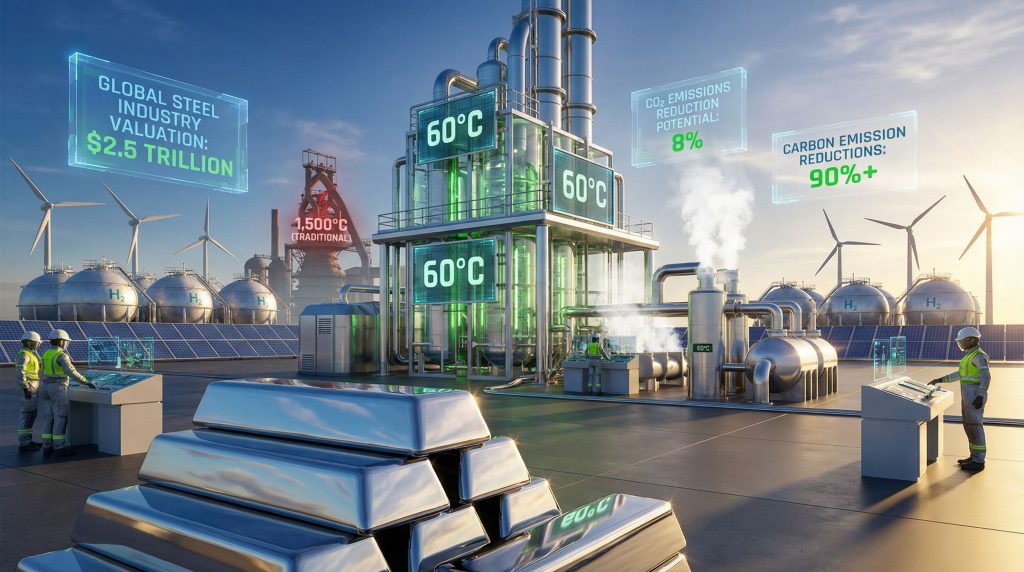
Traditional steel production methods have dominated industrial manufacturing for over a century, consuming massive amounts of energy while generating substantial carbon emissions through coal-dependent processes. This established system faces unprecedented pressure as environmental regulations tighten and corporate sustainability commitments reshape industrial strategies. The emergence of green iron technology represents a fundamental shift in metallurgical approaches, offering pathways to dramatically reduce the environmental impact of steel production while maintaining industrial scale operations.
Revolutionary production methods now under development could transform how iron and steel are manufactured globally, potentially eliminating the carbon-intensive processes that have defined the industry since the Industrial Revolution.
What Is Green Iron Technology and Why Does It Matter?
Green iron technology encompasses several innovative approaches to iron production that eliminate or drastically reduce carbon dioxide emissions compared to traditional blast furnace methods. These technologies represent a convergence of renewable energy systems, advanced chemistry, and industrial engineering designed to address the steel industry's environmental impact.
Defining Next-Generation Iron Production Methods
The most promising green iron technology operates through fundamentally different mechanisms than conventional steelmaking. Hydrogen-based direct reduction processes replace carbon as the primary reducing agent, using renewable electricity-generated hydrogen to extract oxygen from iron ore at temperatures significantly lower than traditional blast furnaces. This approach produces water vapor as the primary byproduct rather than carbon dioxide.
According to the International Energy Agency, steel production currently accounts for approximately 7-9% of global carbon dioxide emissions, making it one of the most carbon-intensive industrial processes worldwide. The transformation to green iron technology could eliminate the majority of these emissions while maintaining production capacity.
Electrochemical reduction represents another technological pathway, operating at dramatically reduced temperatures compared to traditional methods. These processes dissolve iron ore in specialized electrolytes, using electrical current to separate iron from oxygen in a controlled environment that eliminates the need for high-temperature furnaces.
The integration of green iron technology with renewable energy integration creates opportunities for industrial decarbonization at scale. Production facilities powered by wind, solar, or hydroelectric systems can operate with minimal carbon footprints, fundamentally altering the environmental profile of steel manufacturing.
Market Size and Economic Impact Projections
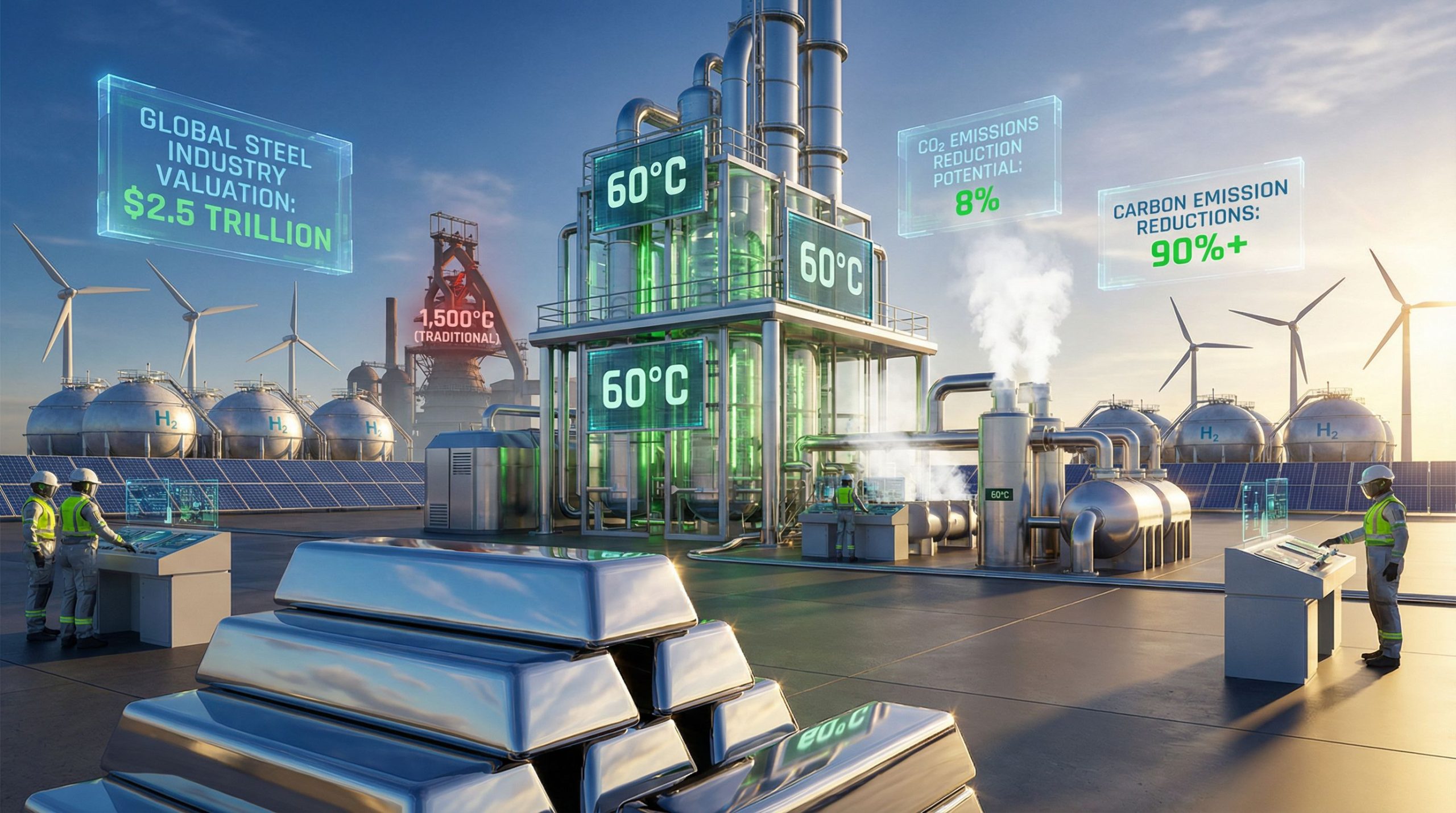
The global steel industry represents a $2.5 trillion market annually, creating substantial economic incentives for technological transformation. Investment in green metallurgy technologies is accelerating as companies recognise both regulatory pressures and potential competitive advantages from early adoption.
Job creation potential in renewable-powered industrial corridors could offset employment impacts from traditional steel plant closures. Green iron production requires different skill sets and infrastructure, creating opportunities for workforce development in regions with abundant renewable energy resources.
Key Economic Drivers:
- Carbon pricing mechanisms increasing costs of traditional production
- Government subsidies supporting clean technology adoption
- Corporate purchasing commitments driving demand for low-carbon steel
- Premium pricing for green steel products in sustainability-conscious markets
How Do Green Iron Technologies Compare to Traditional Methods?
Traditional blast furnace operations require temperatures exceeding 1,500°C and consume substantial quantities of coking coal as both fuel and reducing agent. These systems have achieved remarkable efficiency improvements over decades but remain fundamentally carbon-intensive due to their chemical processes.
Energy Consumption Analysis
Green iron technologies demonstrate potential for significant energy efficiency improvements, though specific performance metrics vary widely depending on the technological approach and operational scale. Hydrogen-based direct reduction systems operate at intermediate temperatures between 800-1,000°C, reducing energy requirements while maintaining production capacity.
Electrochemical processes show promise for the most dramatic energy reductions, operating at near-ambient temperatures while achieving high-purity iron production. However, these technologies remain in early development stages with limited commercial validation.
Performance Comparison Framework:
- Traditional blast furnaces: High energy intensity, carbon-dependent chemistry, proven scalability
- Hydrogen direct reduction: Intermediate energy requirements, renewable integration potential, emerging commercial deployment
- Electrochemical systems: Lowest energy potential, modular design possibilities, early development stage
Operational Efficiency Metrics
The elimination of coking coal dependency represents a fundamental shift in steel industry supply chains. Traditional steelmaking requires approximately 600 kilograms of coking coal per ton of steel produced, creating both cost exposure and supply chain complexity.
Green iron technologies produce different byproducts that may have commercial value. Hydrogen-based systems generate water vapor and potentially recoverable heat, while electrochemical processes can produce oxygen as a valuable industrial gas.
Quality considerations remain critical for green iron adoption. Steel applications in automotive, construction, and machinery require consistent material properties that must be demonstrated across different production technologies before widespread commercial acceptance.
Which Companies Are Leading Green Iron Development?
Industrial transformation toward green iron technology involves collaboration between mining companies, steelmakers, and technology developers across multiple continents. Furthermore, the scale of infrastructure required necessitates partnerships between traditional industry players and innovative technology companies.
Major Industrial Players and Strategic Partnerships
Fortescue Metals Group, recognised as the world's fourth-largest iron ore supplier, has emerged as a significant investor in green iron technology development. The company signed an agreement with China's Taiyuan Iron and Steel Group (TISCO), a subsidiary of China Baowu Steel Group, the world's largest steelmaker, for developing hydrogen-based plasma-enhanced metallurgical technology.
The Fortescue-TISCO partnership, formalised in late November 2024, focuses on designing and operating an industrial trial line capable of producing 5,000 metric tons of hot metal using innovative processing methods. This collaboration represents a significant commitment from both companies to validate commercial-scale green iron production.
According to Agustin Gus Pichot, Fortescue's Chief Executive Officer for Growth and Energy, the project explores green smelting technology using Fortescue's Pilbara iron ore reserves. The initiative aims to eliminate traditional pre-treatment processes including sintering, pelletising, and coking, which are major contributors to carbon dioxide emissions in conventional steelmaking.
China Baowu's involvement through multiple subsidiaries indicates strategic commitment to green technology development across the world's largest steel production system. Earlier in 2024, Fortescue established partnerships with additional China Baowu subsidiaries, suggesting broader technological collaboration beyond the TISCO agreement.
Geographic Distribution of Innovation Hubs
Australia's Pilbara region represents a potential model for renewable energy-powered iron ore processing, combining abundant high-grade ore resources with solar and wind energy potential. The integration of mining operations with green processing technology could establish new patterns for mineral value-addition at extraction sites.
European initiatives focus on hydrogen infrastructure development, connecting renewable energy generation with industrial consumption through dedicated pipeline networks and storage systems. These hydrogen valleys create opportunities for steel production integration with broader clean energy ecosystems.
China's state-backed research programs explore plasma enhancement technologies and other advanced metallurgical processes, leveraging the country's position as the world's largest steel producer to drive technological development.
North American developments include demonstration facilities and research programs, though specific commercial projects require further validation and announcement.
What Are the Technical Pathways for Green Iron Production?
Green iron technology encompasses multiple technical approaches, each with distinct advantages and implementation challenges. The selection of specific pathways depends on factors including ore characteristics, energy availability, production scale requirements, and integration with existing infrastructure.
Hydrogen-Based Direct Reduction Systems
Hydrogen direct reduction technology replaces carbon-based reducing agents with hydrogen gas produced through renewable electricity-powered electrolysis. This process occurs at temperatures between 800-1,000°C, substantially lower than traditional blast furnace operations while maintaining effective chemical reduction of iron oxides.
The technology requires pelletised iron ore with specific characteristics to ensure efficient hydrogen penetration and chemical reaction rates. Ore preparation becomes critical for optimisation, potentially creating value differentiation between different ore grades and sources.
Integration with electric arc furnaces enables completion of the steelmaking process using additional renewable electricity rather than fossil fuel combustion. This creates an entirely electric pathway for steel production when combined with renewable energy sources.
Green hydrogen production represents the critical enabling technology, requiring substantial electrolyser capacity and renewable energy generation to achieve commercial scale operations. The economics of hydrogen-based steel production depend heavily on renewable electricity costs and electrolyser efficiency improvements.
Electrochemical Processing Innovations
Electrochemical iron production operates through fundamentally different principles than traditional metallurgy, using electrical current to drive chemical separation at much lower temperatures. These processes dissolve iron ore in specialised electrolyte solutions, enabling precise control over chemical reactions and product specifications.
The technology produces high-purity iron through electroplating processes, potentially eliminating many quality control challenges associated with traditional steelmaking. Modular plant designs could enable distributed production systems that scale according to local demand and renewable energy availability.
Oxygen generation as a co-product creates potential revenue streams from industrial gas sales, improving overall project economics. The oxygen can serve various industrial applications including chemical processing and water treatment systems.
Technical challenges include electrolyte management, electrode durability, and scaling from laboratory demonstrations to commercial production volumes. The technology remains in early development stages with limited operational validation.
Molten Oxide Electrolysis Developments
Molten oxide electrolysis represents an advanced approach to direct iron production from ore using high-temperature electrochemical cells. This technology eliminates intermediate processing steps by converting iron ore directly to liquid iron through electrical energy input.
The process requires specialised high-temperature electrolysis cells capable of withstanding extreme operating conditions while maintaining electrical efficiency. Engineering challenges include cell design, materials selection, and thermal management systems.
Integration potential with aluminium smelting infrastructure could leverage existing high-temperature industrial capabilities and electrical systems. Shared infrastructure might reduce capital costs and operational complexity for both aluminium and iron production.
Commercial development remains at research stages with significant technical hurdles requiring resolution before practical implementation becomes feasible.
How Will Green Iron Transform Global Supply Chains?
The transition to green iron technology will create fundamental shifts in global mineral trade patterns, industrial location decisions, and supply chain economics. These changes extend beyond steel production to impact mining operations, logistics systems, and international trade relationships.
Iron Ore Quality Requirements Evolution
Green iron technologies demonstrate varying sensitivity to ore quality characteristics, potentially creating premium markets for high-grade iron ore products. According to industry analysis, steel decarbonisation will generate growing demand for higher-grade iron ore, presenting challenges for Australian miners who primarily supply low-to-medium grade materials.
Pelletisation and beneficiation processes become critical value-addition services as green technologies require specific ore preparation for optimal performance. Mining companies may need to invest substantially in ore processing infrastructure to meet quality specifications for hydrogen reduction or electrochemical processing.
The geographic distribution of high-grade ore reserves could influence the location of green iron production facilities, potentially shifting competitive advantages between different mining regions. Countries with premium ore deposits may capture increased value from steel industry decarbonisation trends.
Logistics optimisation becomes essential as renewable energy availability influences optimal production locations. Consequently, transportation costs between ore sources and green energy-abundant regions will factor significantly into facility location decisions and supply chain design.
Regional Competitive Advantages
Countries with abundant renewable energy resources are positioned to become major iron and steel production hubs, regardless of domestic ore availability. The combination of low-cost clean electricity with imported high-grade ore could create competitive advantages for regions with substantial wind, solar, or hydroelectric potential.
Trade flow patterns may shift dramatically as energy costs become more important than traditional factors like labour costs or proximity to coal resources. Green iron exports could enable developing countries with renewable energy advantages to participate in global steel markets.
Carbon border adjustment mechanisms create market premiums for clean production methods, potentially making green iron competitive despite higher initial production costs. These policy frameworks could accelerate adoption by creating economic incentives for early technology deployment.
International cooperation in technology transfer and infrastructure development becomes critical for global steel industry decarbonisation. Countries with advanced green iron capabilities may export technology and expertise alongside physical steel products.
What Investment Opportunities Exist in Green Iron?
Green iron technology represents a substantial investment opportunity across multiple segments including technology development, infrastructure construction, and operational deployment. The capital requirements span from early-stage research funding to multi-billion dollar industrial facility construction.
Capital Requirements and Funding Sources
Commercial-scale green iron facilities require substantial capital investment, with costs varying significantly depending on the specific technology pathway and production capacity. Demonstration projects like the Fortescue-TISCO collaboration involve significant corporate capital commitments to validate technology performance at industrial scale.
Fortescue has committed to providing capital for their hydrogen-based plasma-enhanced metallurgy project with TISCO, demonstrating corporate willingness to invest in technology validation. The project's 5,000 metric ton production capacity represents a meaningful scale for technology demonstration while remaining manageable for initial investment.
Government subsidies and carbon pricing mechanisms provide important financial support for green iron development. Policy frameworks create revenue opportunities through carbon credit systems and regulatory advantages for low-emission production methods.
Private equity and sovereign wealth funds show increasing interest in clean industrial technologies, recognising both environmental objectives and potential financial returns from early-stage green iron investments. The scale of capital required often necessitates collaboration between multiple funding sources.
Risk Assessment Framework
Technology maturation represents the primary risk factor for green iron investments, as most technologies remain in pilot or demonstration phases without full commercial validation. Investors must evaluate technical risks alongside market adoption uncertainties and regulatory policy stability.
Renewable energy cost volatility affects operational expense projections for green iron facilities, as electricity represents a major input cost for hydrogen production and electrochemical processes. Long-term power purchase agreements become critical for project financial stability.
Regulatory policy support determines market competitiveness for green iron products, as carbon pricing and environmental regulations influence the economic advantage of clean production methods. Policy changes could significantly impact project returns and market demand.
Traditional steel industry resistance to transformation creates market adoption risks, as established players may delay technology adoption or resist premium pricing for green steel products. Customer acceptance and supply chain integration require careful evaluation.
When Will Green Iron Reach Commercial Scale?
The timeline for green iron technology commercialisation depends on multiple factors including technical validation, cost competitiveness achievement, and market adoption rates. Current projects provide indicators of development pace and commercial deployment schedules.
Development Timeline Projections
The Fortescue-TISCO agreement signed in late November 2024 represents current industry progress, with an industrial trial line designed to produce 5,000 metric tons of hot metal using hydrogen-based plasma-enhanced technology. This project indicates that meaningful scale demonstrations are occurring presently rather than remaining in distant planning phases.
Technology validation through pilot projects must demonstrate consistent product quality, operational reliability, and economic viability before full commercial deployment becomes attractive to investors and steel industry customers. The success of current demonstration projects will influence broader mining industry evolution timelines.
Scaling from demonstration facilities to commercial-scale operations requires resolution of engineering challenges, supply chain development, and workforce training programmes. The complexity of industrial transformation suggests measured deployment rather than rapid large-scale conversion.
Infrastructure development for hydrogen production, renewable energy integration, and specialised equipment manufacturing creates dependencies that influence overall commercialisation pace. Coordinated investment across multiple sectors becomes essential for successful deployment.
Market Penetration Scenarios
Market adoption rates depend significantly on policy support, carbon pricing levels, and steel industry customer acceptance of green iron products. Early adoption may concentrate in regions with strong environmental regulations and companies with ambitious sustainability commitments.
Premium pricing acceptance by end-use industries represents a critical factor in market penetration speed. Automotive, construction, and appliance manufacturers with sustainability targets may drive initial demand for green steel products despite higher costs.
Geographic adoption patterns will likely vary based on renewable energy availability, regulatory frameworks, and existing industrial infrastructure. Regions with favourable conditions may achieve higher penetration rates while others lag significantly.
Technology learning curves and cost reduction through operational experience will influence long-term adoption rates. Early commercial projects that demonstrate cost competitiveness could accelerate broader industry transformation.
What Challenges Must Green Iron Technology Overcome?
Green iron technology faces substantial technical, economic, and market challenges that must be resolved for successful commercial deployment. These obstacles span from fundamental engineering issues to complex industry transformation dynamics.
Technical Hurdles and Solutions
Hydrogen storage and transportation infrastructure represents a critical bottleneck for hydrogen-based green iron production. The development of efficient hydrogen distribution networks requires substantial investment and coordination between energy and steel industry stakeholders.
Integration complexity with existing steel mill operations creates practical challenges for technology adoption. Many steel production facilities have decades of operational optimisation around traditional processes, making conversion technically challenging and economically complex.
Quality consistency for demanding steel applications requires demonstration across different operating conditions and production scales. Automotive and construction industry customers require reliable material properties that must be validated through extensive testing and operational experience.
Equipment durability and maintenance requirements for new technologies remain uncertain until operational experience accumulates. Green iron production systems may require different maintenance approaches and spare parts inventories compared to traditional steelmaking equipment.
Economic and Market Barriers
Capital intensity compared to depreciated traditional steel assets creates financial challenges for green iron adoption. Existing steel mills represent substantial sunk investments that companies may be reluctant to abandon for new technology with unproven economics.
Green premium pricing acceptance by steel-consuming industries remains uncertain, as many end-use applications compete primarily on cost rather than environmental characteristics. Market demand for premium-priced green steel requires validation through actual purchasing commitments.
Skilled workforce development becomes essential as green iron technologies require different operational expertise than traditional steelmaking. Training programmes and knowledge transfer from pilot projects to commercial operations represent important implementation challenges.
Supply chain coordination across renewable energy, hydrogen production, and steel manufacturing sectors creates complexity for project development. Successful green iron deployment requires alignment between multiple industries with different operational characteristics and investment cycles.
How Do Environmental Regulations Drive Green Iron Adoption?
Environmental policy frameworks create both regulatory pressure and economic incentives for green iron technology adoption. These mechanisms operate through multiple channels including carbon pricing, emissions standards, and trade policy adjustments.
Carbon Pricing and Policy Frameworks
The European Union's Carbon Border Adjustment Mechanism (CBAM) creates direct economic pressure for steel producers to reduce carbon emissions or face import tariffs when selling into European markets. This policy framework makes clean production methods economically advantageous for companies serving European customers.
National decarbonisation targets in major steel-producing countries create regulatory frameworks that support green iron technology development. Government commitments to achieve net-zero emissions by specific dates require industrial sector transformation including steel production methods.
Carbon credit systems enable monetisation of emission reductions from green iron production, creating additional revenue streams that improve project economics. These mechanisms provide financial incentives for early adopters of clean production technologies.
Environmental permitting advantages for clean technologies may accelerate project development timelines and reduce regulatory compliance costs. Green iron facilities may face fewer environmental review obstacles compared to traditional steel production expansions.
Sustainability Reporting and Corporate Commitments
Scope 3 emissions reporting requirements drive steel-consuming companies to evaluate the carbon footprint of their supply chains. Automotive manufacturers, construction companies, and appliance producers increasingly consider supplier emissions in purchasing decisions.
ESG investment criteria influence capital allocation toward companies with credible decarbonisation strategies. Steel producers with green iron technology development programmes may access capital more easily and at lower costs than companies without clean technology initiatives.
Supply chain transparency requirements increase demand for traceable, low-carbon steel products. Companies making net-zero commitments require detailed emissions data from suppliers, creating market demand for green iron products with verified carbon footprints.
Long-term purchase agreements between steel producers and consuming industries provide revenue certainty that supports green iron project financing. Corporate sustainability commitments drive these contractual relationships and enable project development.
What Does the Future Hold for Green Iron Technology?
The long-term outlook for green iron technology depends on continued technical progress, cost reduction achievements, and market adoption acceleration. Multiple factors will influence whether these technologies achieve widespread deployment or remain niche applications.
Innovation Roadmap and Emerging Technologies
Artificial intelligence applications in process optimisation could accelerate green iron technology performance improvements. Machine learning algorithms may optimise electrochemical cell operations, hydrogen reduction efficiency, and quality control systems more effectively than traditional process control methods.
Advanced materials development for furnace construction and electrochemical cells could improve durability and reduce maintenance requirements. Research into specialised alloys, ceramic materials, and protective coatings may resolve current technical limitations and operational challenges.
Integration opportunities with carbon capture and utilisation systems could create additional value streams from green iron production. Captured carbon dioxide could serve as feedstock for chemical production or other industrial applications rather than representing waste disposal costs.
Circular economy approaches incorporating steel recycling optimisation may complement green iron production by reducing overall industry emissions and resource consumption. The combination of clean primary production with efficient recycling could maximise environmental benefits.
Global Market Transformation Implications
International trade pattern changes based on clean energy access could reshape global steel industry geography. Countries with abundant renewable resources may become major steel exporters regardless of current industry positions or traditional advantages.
New industrial clusters around renewable energy resources could create economic development opportunities in previously less industrialised regions. In addition, the combination of sustainable mining transformation and energy-abundant regions creates opportunities for comprehensive industrial ecosystem development.
The advancement of these technologies aligns with broader iron ore trends that emphasise quality requirements and environmental considerations in global commodity markets.
Traditional mining regions face adaptation requirements as ore quality specifications change and production locations shift toward renewable energy abundant areas. Mining companies may need to develop new value-addition capabilities or adjust their geographic focus to remain competitive.
Technology transfer acceleration between developed and developing countries could enable broader participation in clean steel production. International cooperation in green iron technology development may reduce implementation barriers and accelerate global industry transformation.
The successful deployment of green iron technology represents one component of broader industrial decarbonisation efforts that will define economic competitiveness in an increasingly carbon-constrained world. Companies, regions, and countries that effectively navigate this transition may secure lasting advantages in the global steel industry's evolving landscape.
For instance, the Green Iron Tech company demonstrates how specialised technology providers are developing solutions for this transformation. Furthermore, organisations like the Superpower Institute are working on comprehensive green iron strategies that could reshape Australia's industrial future.
Looking to Capitalise on Green Iron Technology Investment Opportunities?
Discovery Alert's proprietary Discovery IQ model delivers real-time alerts on significant ASX mineral discoveries, including companies developing innovative green iron technologies and sustainable mining solutions. Explore how major mineral discoveries can generate substantial returns and begin your 30-day free trial today to position yourself ahead of the market as this revolutionary sector transforms global steel production.