The evolution of sustainable power systems in drilling operations represents a fundamental shift toward environmental responsibility across the extractive industries. Modern drilling companies face mounting pressure to reduce carbon emissions while maintaining operational efficiency, creating demand for innovative rosond clean energy technologies that blend traditional drilling expertise with renewable solutions.
Solar power integration, battery storage systems, and hybrid energy configurations now offer viable alternatives to conventional diesel-powered operations. These technological advances enable drilling contractors to achieve significant cost reductions while meeting increasingly stringent environmental compliance requirements across global markets.
Solar Power Integration Systems in Command Operations
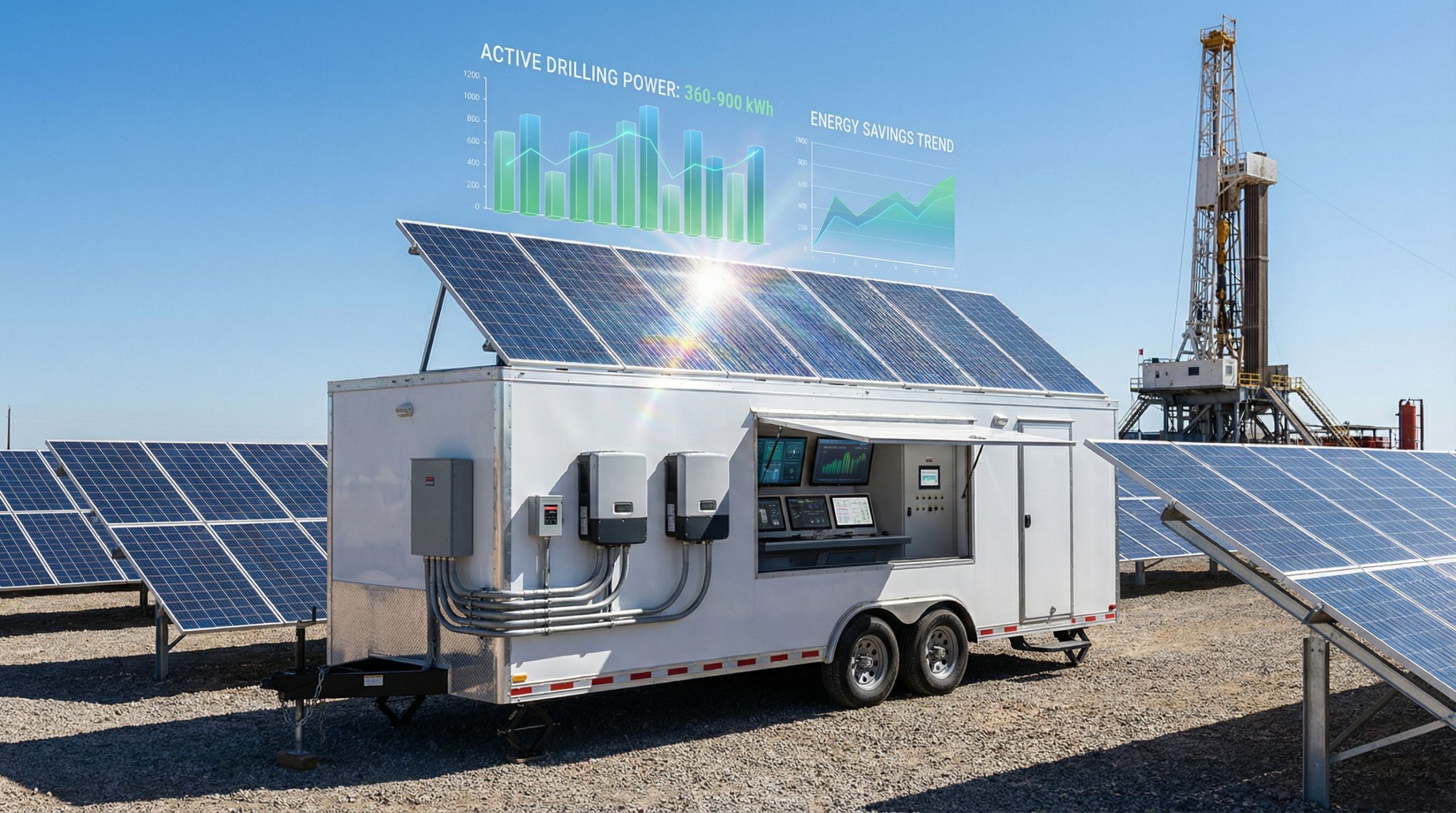
Modern drilling operations increasingly rely on sophisticated command and control systems that consume substantial electrical power throughout extended operational periods. Solar photovoltaic installations mounted on command trailers provide consistent energy generation during daylight hours, reducing dependency on diesel generators and minimising operational noise levels at drilling sites.
Rosond, a South African geological and exploration drilling solutions provider, has implemented solar-powered command trailer systems for reverse circulation drilling operations at their Midrand headquarters facility. This installation demonstrates the practical viability of integrating rosond clean energy technologies with existing drilling equipment configurations.
Furthermore, grid-tie solar configurations allow drilling operations to sell excess power back to utility networks during periods of low equipment utilisation. This creates additional revenue streams while supporting broader decarbonisation benefits across the energy sector.
Off-grid installations provide complete energy independence for remote drilling sites where utility connections are unavailable or prohibitively expensive to establish. Energy storage solutions utilising lithium-ion battery banks enable continuous operation during nighttime hours and periods of reduced solar generation.
Advanced battery management systems monitor charge levels, optimise discharge cycles, and provide automated switching between solar generation and stored energy supplies. This integration reflects broader industry innovation trends toward intelligent energy management.
Power Distribution and Control Systems
Smart energy management platforms integrate with existing drilling control systems to monitor power consumption patterns. These systems optimise energy distribution and provide real-time performance data to operations personnel whilst automatically balancing loads between renewable energy sources and backup power systems.
Inverter technology converts direct current solar generation to alternating current compatible with standard drilling equipment electrical systems. High-efficiency power inverters minimise energy losses during conversion processes while providing stable voltage regulation for sensitive electronic control systems.
Cost Reduction Analysis Through Renewable Energy Adoption
Solar-powered drilling systems achieve operational cost reductions through multiple mechanisms including fuel savings, reduced maintenance requirements, and improved equipment longevity. Initial capital investments in renewable energy infrastructure typically generate positive returns within 3-5 years depending on site conditions and operational intensity.
Diesel fuel costs represent a significant operational expense for drilling companies, particularly at remote sites requiring fuel transportation. Solar power systems eliminate or substantially reduce diesel consumption during daylight operations, providing immediate cost savings that compound over extended operational periods.
Energy Independence Benefits
Remote drilling sites often face challenges related to fuel supply logistics, transportation costs, and delivery reliability. Solar installations with battery storage provide energy independence that eliminates fuel supply chain disruptions and associated operational delays.
Grid connection costs for temporary drilling sites can exceed $50,000 for utility line extensions in remote areas. Self-contained solar power systems avoid these infrastructure expenses while providing immediate operational capability upon site establishment.
In addition, emergency power availability through battery storage systems ensures continuous operation of critical safety systems, communication equipment, and data collection instruments during power outages or equipment failures.
Leading Companies in Clean Energy Drilling Adoption
Rosond has positioned itself as a leader in sustainability-driven innovation within South Africa's drilling sector through strategic investments in clean energy technologies. Their reverse circulation drill rig equipped with solar-powered command trailer systems demonstrates successful integration of rosond clean energy technologies with geological exploration operations.
The company's Midrand headquarters facility serves as a testing ground for solar power integration technologies. This allows optimisation of system configurations before deployment to remote drilling sites, minimising implementation risks while maximising operational efficiency gains.
Global Industry Trends
North American drilling companies increasingly adopt renewable energy systems to meet corporate sustainability targets and regulatory compliance requirements. Environmental, social, and governance (ESG) criteria now influence investment decisions and contract awards across the drilling industry.
European drilling operations face stringent carbon emission regulations that incentivise renewable energy adoption through tax benefits and regulatory preferences. Australian mining companies integrate solar power systems to reduce operational costs in remote mining regions with abundant solar resources.
Technology partnership models enable drilling companies to implement renewable energy systems without significant upfront capital investments. Equipment leasing arrangements and power purchase agreements provide flexible financing options for companies transitioning to sustainable operations.
Environmental Impact Reduction Opportunities
Renewable energy integration in drilling operations contributes to measurable reductions in carbon emissions, air pollution, and noise levels at operational sites. These improvements enhance community relations and regulatory compliance while supporting corporate sustainability objectives.
Solar-powered drilling systems eliminate direct combustion emissions during daylight operations, reducing local air quality impacts and greenhouse gas contributions. Reduced diesel generator operation also minimises noise pollution, improving working conditions for drilling personnel and reducing community disturbances.
Water Conservation and Waste Reduction
Integrated renewable energy systems often include water recycling technologies that reduce freshwater consumption during drilling operations. Closed-loop fluid management systems minimise environmental impacts while reducing operational costs associated with water procurement and waste disposal.
However, regulatory compliance benefits include improved environmental impact assessment scores, streamlined permitting processes, and enhanced stakeholder acceptance for new drilling projects. These advantages can significantly reduce project development timelines and associated costs whilst supporting the broader energy transition strategy.
System Integration with Existing Drilling Equipment
Retrofitting conventional drilling rigs with renewable energy systems requires careful electrical system analysis and modification to ensure compatibility with existing control systems and safety protocols. Professional engineering assessment identifies optimal integration points while maintaining operational reliability.
Rosond's successful integration of solar systems with reverse circulation drilling equipment demonstrates that retrofitting existing equipment is technically feasible. This approach maintains operational capabilities and safety standards while incorporating rosond clean energy technologies effectively.
Electrical System Modifications
Power distribution network redesign accommodates multiple energy sources while maintaining redundancy and safety isolation requirements. Automated switching systems provide seamless transitions between renewable energy generation, battery storage, and backup diesel generators based on operational requirements.
Control system integration challenges include ensuring compatibility between renewable energy management systems and existing drilling control platforms. Standardised communication protocols enable coordination between energy systems and drilling operations without compromising autonomous safety functions.
Technical Challenges in Renewable Energy Implementation
Power storage limitations represent the primary technical challenge for renewable energy drilling systems. Battery energy density requirements for continuous operations demand significant storage capacity that increases system costs and complexity.
Weather dependency affects solar generation reliability, requiring robust backup systems and energy storage capacity to maintain operational continuity. Extended periods of poor weather conditions must be considered during system sizing and operational planning.
Remote Location Infrastructure
Transportation and installation logistics for renewable energy systems at remote drilling sites require specialised equipment and experienced technical personnel. System components must withstand harsh environmental conditions while maintaining performance reliability over extended operational periods.
Communication systems for remote monitoring and control of renewable energy systems require reliable data connectivity that may not be available at isolated drilling sites. For instance, satellite communication systems provide monitoring capability but increase operational complexity and costs.
Promising Clean Energy Technologies for Drilling Applications
High-efficiency photovoltaic panels with improved temperature coefficients and durability ratings offer enhanced performance for drilling site applications. Bifacial solar panels capture reflected sunlight from ground surfaces, increasing energy generation without requiring additional installation space.
Advanced battery storage technologies including lithium iron phosphate systems provide improved safety characteristics and longer operational life compared to conventional lithium-ion configurations. These systems better withstand temperature extremes and vibration conditions typical of drilling environments whilst supporting green transition insights.
Alternative Renewable Energy Sources
Small-scale wind power systems complement solar generation during periods of reduced sunlight availability. Vertical axis wind turbines offer advantages for drilling site installations including reduced noise levels and simplified maintenance requirements.
Geothermal energy utilisation presents opportunities for drilling operations in regions with accessible geothermal resources. Heat pump systems can provide both electrical generation and climate control for drilling facilities.
Consequently, energy storage innovations including compressed air systems and flywheel technologies offer alternatives to battery storage for specific applications. These systems provide long-duration energy storage capability with reduced maintenance requirements compared to electrochemical storage systems.
Implementation Strategies for Clean Energy Drilling Programs
Strategic planning begins with comprehensive energy audits to establish baseline consumption patterns and identify optimal renewable energy system sizing. Site-specific resource assessments evaluate solar irradiance, wind patterns, and seasonal variations that affect system performance.
Cost-benefit analysis considers initial capital investments, operational savings, financing options, and regulatory incentives available for renewable energy adoption. Payback period calculations help justify investments and support financing applications whilst supporting sustainability initiatives.
Implementation Timeline and Phases
Phase 1: Assessment and Planning (2-4 months)
- Baseline energy consumption measurement and documentation
- Site resource evaluation and system sizing calculations
- Regulatory compliance review and permit applications
- Equipment specifications and vendor selection
Phase 2: Procurement and Preparation (3-6 months)
- Equipment procurement and delivery scheduling
- Site preparation and infrastructure development
- Personnel training and certification programmes
- Installation planning and safety protocol development
Phase 3: Installation and Commissioning (1-3 months)
- System installation and electrical integration
- Performance testing and safety system verification
- Staff training and operational procedure implementation
- System commissioning and performance validation
Phase 4: Operation and Optimisation (Ongoing)
- Performance monitoring and data collection
- Preventive maintenance programme implementation
- System optimisation and efficiency improvements
- Technology upgrade evaluation and planning
Performance Monitoring and Optimisation
Key performance indicators include energy generation efficiency, cost savings achievement, system reliability metrics, and environmental impact reductions. Continuous monitoring enables identification of optimisation opportunities and preventive maintenance requirements.
Remote monitoring systems provide real-time performance data and automated alerts for system anomalies or maintenance requirements. Data analytics identify usage patterns and optimisation opportunities that improve overall system efficiency.
Future Outlook for Clean Energy in Drilling Operations
Industry transformation toward sustainable operations accelerates as regulatory requirements tighten and stakeholder expectations increase. Net-zero emissions commitments by major drilling companies drive technology adoption and investment in renewable energy infrastructure.
Technology convergence between renewable energy systems, energy storage, and drilling automation creates opportunities for integrated solutions. These developments optimise performance across multiple operational parameters through artificial intelligence applications that enable predictive maintenance and autonomous energy management.
Investment and Market Development
Venture capital funding for clean technology drilling applications increases as investors recognise market opportunities and regulatory drivers supporting sustainable operations. Equipment manufacturers develop integrated solutions that simplify implementation and reduce costs.
Service provider business models evolve to include energy-as-a-service offerings that eliminate upfront capital requirements for drilling companies adopting renewable energy systems. These models accelerate adoption while transferring technology risks to specialised providers.
Global adoption patterns indicate increasing acceptance of renewable energy integration across drilling markets. Technology transfer and knowledge sharing between regions accelerate implementation timelines and reduce costs through standardisation of best practices and equipment specifications.
Regional leadership in clean energy drilling emerges in markets with favourable regulatory environments and abundant renewable energy resources. Government incentive programmes and carbon pricing mechanisms create competitive advantages for companies investing in sustainable technologies.
Disclaimer: This analysis includes forward-looking statements regarding future technology adoption, market trends, and investment opportunities. Actual results may vary based on regulatory changes, technological developments, and market conditions. Readers should conduct independent research and consult with qualified professionals before making investment or operational decisions.
Are You Looking to Identify Companies Leading the Clean Energy Revolution in Drilling?
Discovery Alert's proprietary Discovery IQ model provides instant notifications on significant ASX mineral discoveries, including emerging opportunities in sustainable drilling technology companies that are transforming the extractive industries. Begin your 30-day free trial at Discovery Alert today to gain immediate access to actionable insights that could position you ahead of the market in this rapidly evolving sector.