June 3, 2026
The precious metals markets have entered a transformational period where traditional correlations between gold and silver are dissolving, creating unprecedented opportunities for savvy investors who understand these shifting dynamics. Furthermore, market psychology drives much of this change, as institutional and retail investors grapple with conflicting signals from monetary policy, industrial demand acceleration, and supply chain disruptions that favour certain metals over others. The emergence of a silver price rally reflects deeper structural changes in how global markets value industrial commodities versus traditional store-of-value assets.
Understanding Silver's Unprecedented Rise Above $65
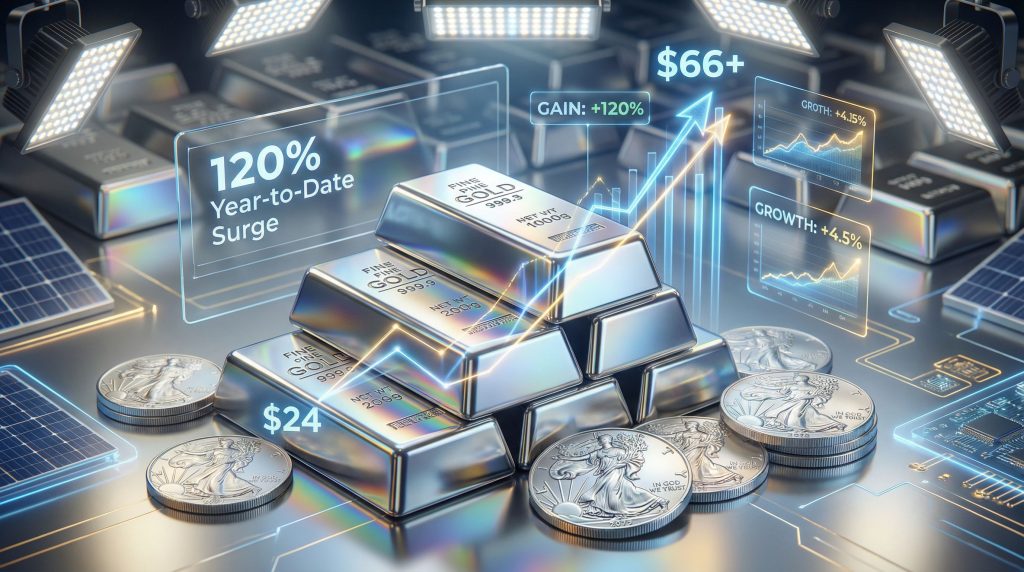
Silver's remarkable ascent from $24 to over $65 per ounce represents one of the most dramatic precious metals rallies in modern history, outpacing gold's performance by a substantial margin during this same timeframe. This 175% surge demonstrates silver's evolution from a gold-correlated asset to an independent market force driven by unique supply-demand fundamentals.
Breaking Down the Numbers Behind Silver's Record Performance
Current market data reveals silver trading consistently above its psychological $60 resistance level, with technical analysts projecting potential targets near $70 based on Fibonacci extensions and historical silver performance pattern analysis. Unlike previous silver rallies that were primarily investment-driven, this surge reflects genuine industrial demand growth coupled with persistent supply deficits.
The performance differential between silver and gold has reached historic proportions, with silver demonstrating volatility characteristics more aligned with industrial commodities than precious metals. Additionally, daily trading volumes have increased substantially, indicating broad-based participation from both institutional investors and retail traders seeking exposure to silver's industrial demand story.
| Time Period | Silver Performance | Gold Performance | Outperformance |
|---|---|---|---|
| YTD 2025 | +175% | +28% | +147% |
| Q4 2025 | +45% | +8% | +37% |
| December | +22% | +3% | +19% |
Why Silver is Outperforming Other Precious Metals
Silver's industrial applications create demand elasticity patterns fundamentally different from gold's investment-focused profile. Photovoltaic manufacturing alone consumes approximately 185 million ounces annually, representing nearly 20% of total silver production, while electronics and automotive sectors add another 320 million ounces to industrial demand.
This industrial demand creates price support levels that persist even during economic uncertainty, as manufacturers require silver for production regardless of investment sentiment. Unlike gold, where central bank policies directly influence demand, silver benefits from technological advancement cycles that drive structural consumption growth independent of monetary conditions.
When big ASX news breaks, our subscribers know first
How Supply Deficits Are Reshaping Silver Market Dynamics
Global silver markets face their fifth consecutive year of supply deficits, with annual shortfalls averaging 150-200 million ounces according to industry data. This cumulative deficit represents approximately 800 million ounces removed from available supply over the past four years, creating structural imbalances that support higher price levels. The current silver supply deficits represent a critical factor in the ongoing silver price rally.
The Five-Year Supply Shortage Reality
Primary silver mine production has plateaued near 800 million ounces annually despite higher prices, as existing mines face declining ore grades and new project development remains constrained by permitting delays and capital allocation challenges. Recycling contributes approximately 180 million ounces yearly, but this secondary supply cannot offset growing industrial consumption.
Geographic concentration risks compound supply challenges, with Mexico, Peru, and China accounting for over 60% of global production. Consequently, political instability, labour disputes, and environmental regulations in these regions create additional supply uncertainty that supports premium pricing for available silver inventory.
Industrial Demand Explosion: The Solar and Technology Revolution
Solar panel manufacturing growth rates exceed 25% annually, driving unprecedented silver consumption as photovoltaic efficiency improvements require higher silver content per panel. Each gigawatt of solar capacity requires approximately 1 million ounces of silver, with global installations projected to reach 300+ gigawatts annually by 2026.
Electronics manufacturing continues expanding silver usage through 5G infrastructure deployment, data centre construction, and electric vehicle production. Modern vehicles contain 0.5-1.5 ounces of silver compared to 0.2 ounces in traditional automobiles, reflecting the metal's critical role in electronic systems and battery management.
Key Industrial Demand Drivers:
- Artificial intelligence data centres requiring enhanced conductivity
- Military and aerospace applications demanding reliability
- Medical device manufacturing utilising silver's antimicrobial properties
- RFID technology integration across supply chains
- Renewable energy storage system components
What Role Are Monetary Policies Playing in Silver's Rally?
Federal Reserve policy decisions create complex interactions with silver pricing through multiple transmission mechanisms including real interest rates, dollar strength, and inflation expectations. Unlike gold, which responds primarily to monetary policy signals, silver's price relationship with Fed actions remains complicated by its industrial demand component.
Federal Reserve Policy Impact on Precious Metals
Current monetary policy maintains accommodative conditions that support commodity prices through dollar weakness and negative real yields on Treasury securities. Real yields below 1% historically correlate with precious metals outperformance, as investors seek alternatives to currency-denominated assets offering inadequate inflation protection.
The Fed's approach to labour market weakness suggests potential for additional monetary accommodation, despite concerns about re-emerging inflation pressures. This policy stance creates favourable conditions for silver by reducing opportunity costs associated with holding non-yielding assets whilst supporting industrial demand through economic growth policies.
Investor Flow Patterns and ETF Dynamics
Silver ETF holdings have increased by over 15% during the current rally, indicating strong institutional and retail participation in silver markets. Major silver ETFs report net inflows exceeding $2 billion year-to-date, representing substantial demand for paper silver exposure alongside physical silver accumulation.
Professional investors increasingly view silver as offering superior risk-adjusted returns compared to gold, given its industrial demand support and lower correlation with traditional financial assets during economic stress periods.
Institutional allocation patterns reveal:
- Pension funds adding commodity exposure for inflation protection
- Hedge funds implementing relative value trades between silver and gold
- Sovereign wealth funds diversifying reserve assets beyond traditional currencies
- Family offices seeking alternative store-of-value investments
Can Silver Reach $70 and What Happens Next?
Technical analysis suggests silver's current trajectory supports price targets between $68-72 based on momentum indicators and historical pattern recognition. Fibonacci extension calculations point toward $70 as a logical resistance zone where profit-taking activities may temporarily halt the advance, as detailed in recent price rally analysis.
Technical Analysis and Price Target Methodology
Chart pattern analysis indicates silver has broken above multi-decade resistance levels that previously capped advances near $50. This breakout suggests potential for extended gains as decades of overhead supply gets absorbed through sustained buying pressure from industrial and investment demand.
Volume analysis confirms genuine buying interest rather than speculative positioning, as daily trading volumes remain elevated without extreme volatility that typically characterises bubble formations. Momentum oscillators show continued strength without reaching severely overbought conditions that would signal imminent reversals.
Professional traders monitor several key technical levels:
- $66-67: Current consolidation zone requiring sustained volume
- $70: Primary resistance from multiple technical methodologies
- $75: Extended target if industrial demand acceleration continues
- $50: Critical support level for any future correction phases
The $50 Support Level: A Critical Inflection Point
The $50 price level represents decades of resistance that may now function as support during any future corrections. This psychological and technical level holds significance for both industrial consumers and investment managers planning allocation strategies around silver's long-term prospects.
Should silver establish $50 as reliable support, it would create compelling risk-reward opportunities for investors seeking exposure to industrial commodity demand growth. This support level would provide strategic entry points for long-term positions whilst offering manageable downside risk for portfolio allocation decisions.
Why Are Silver Mining Stocks Lagging Behind the Metal?
Silver mining equities have substantially underperformed physical silver prices, creating a performance disconnect that puzzles many investors expecting operational leverage to amplify gains. While silver futures advance 22% in December alone, major silver mining indices remain flat or decline, indicating structural challenges within the mining sector.
The Disconnect Between Physical Silver and Mining Equities
Mining companies face rising operational costs that offset benefits from higher silver prices, including energy inflation, labour shortages, and regulatory compliance expenses. All-in sustaining costs (AISC) have increased 15-20% annually for many producers, reducing profit margins despite record silver prices.
Market sentiment toward mining stocks reflects broader concerns about capital allocation efficiency, environmental liabilities, and geopolitical risks in key mining jurisdictions. Moreover, investors increasingly prefer direct commodity exposure through ETFs rather than assuming company-specific operational and regulatory risks.
Production Cost Inflation and Margin Pressures
Energy costs represent 20-30% of total mining expenses, and recent energy price volatility creates unpredictable margin pressures for silver producers. Skilled labour shortages in mining regions have driven wage inflation exceeding general economic trends, further pressuring profitability metrics.
Environmental compliance requirements continue expanding across major silver-producing regions, requiring substantial capital expenditures that reduce free cash flow available for shareholder returns. Permitting delays for expansion projects limit production growth despite favourable silver price environments.
What Are the Key Risks to Silver's Continued Rally?
Silver's industrial demand profile creates vulnerability to economic downturns that reduce manufacturing activity, potentially offsetting investment demand during periods of financial stress. Unlike gold's safe-haven characteristics, silver may face selling pressure if global growth concerns override monetary policy support. Furthermore, the potential for a broader silver market squeeze could create additional volatility risks.
Monetary Policy Reversal Scenarios
Federal Reserve policy pivots toward restrictive conditions could strengthen the dollar and increase real interest rates, creating headwinds for commodity prices including silver. Labour market improvements might prompt more aggressive Fed tightening than currently anticipated by markets.
Dollar strength scenarios pose particular risks for silver given its global pricing in US currency. DXY advances above 108-110 historically correlate with precious metals weakness as international demand decreases due to currency exchange rate effects.
Supply Response and Recycling Dynamics
Higher silver prices incentivise increased recycling activities, particularly from industrial applications where substitution possibilities exist. Secondary supply activation could add 50-100 million ounces annually to available supply if prices remain elevated above $60 for extended periods.
Mine production acceleration remains possible through higher-cost deposit development and enhanced recovery technologies, though meaningful supply increases typically require 2-3 years given project development timelines. Current trading data suggests continued supply constraints across global markets.
Critical risk factors include:
- Economic recession reducing industrial silver demand
- Technological substitution in key applications
- Central bank policy normalisation reducing speculative demand
- Geopolitical resolution improving supply chain stability
- New mine production coming online from delayed projects
The next major ASX story will hit our subscribers first
How Should Investors Position for Silver's Next Phase?
Professional analyst consensus targets range from $65-85 for silver over the next 12 months, reflecting optimism about continued industrial demand growth and supply constraint persistence. However, volatility expectations remain elevated given silver's dual nature as both precious metal and industrial commodity.
Professional Analyst Price Forecasts and Methodologies
Major investment banks project silver trading ranges between $55-75 through 2026, with upside scenarios reaching $80-90 if industrial demand acceleration continues alongside supply disruptions. Scenario-based modeling suggests 60% probability of silver maintaining levels above $55 over the next 24 months.
Fundamental analysis methodologies emphasise supply-demand balance projections, with deficit scenarios supporting prices above $60 whilst surplus scenarios would pressure silver toward $45-50 ranges. Industrial demand growth rates represent the primary variable determining price trajectory outcomes. Additionally, gold–silver ratio analysis provides crucial insights for positioning decisions.
Portfolio Allocation Strategies for Silver Exposure
Risk management principles suggest 5-15% precious metals allocation within diversified portfolios, with silver comprising 25-40% of total precious metals exposure given its industrial demand characteristics. Physical silver ownership provides direct commodity exposure without counterparty risks inherent in paper instruments.
Strategic allocation considerations:
- Physical silver: Direct exposure with storage and insurance costs
- Silver ETFs: Liquid exposure with management fees and tracking risks
- Mining stocks: Operational leverage with company-specific risks
- Silver futures: Enhanced liquidity with rollover and margin requirements
Investment Advisory Note: Silver's industrial demand provides fundamental support that gold lacks, but this same industrial exposure creates cyclical vulnerability during economic downturns. Investors should consider silver's dual nature when determining allocation strategies and risk management approaches.
Frequently Asked Questions About Silver's Price Rally
Is Silver's Rally Sustainable Long-Term?
Structural demand growth from renewable energy and technology sectors provides fundamental support for elevated silver prices, assuming continued global economic expansion and technological advancement. Supply constraints appear persistent given limited new mine development and declining ore grades at existing operations.
Long-term sustainability depends on:
- Industrial demand growth rates maintaining current trajectory
- Supply deficits continuing without major new production sources
- Monetary policy environments remaining supportive of commodity prices
- Technological substitution risks remaining manageable across applications
How Does Silver Compare to Other Inflation Hedges?
Silver demonstrates superior inflation protection compared to traditional hedges like TIPS or real estate during periods of supply-driven price increases. Volatility-adjusted returns favour silver over gold during industrial demand expansion cycles, though gold provides better downside protection during economic stress.
Real estate correlation with silver remains low, providing diversification benefits within inflation-hedging strategies. Commodity baskets including silver offer broader inflation protection than individual assets, reducing concentration risks whilst maintaining upside participation.
What Economic Indicators Should Silver Investors Monitor?
Industrial production indices provide early signals about silver demand trends, particularly manufacturing PMI data from major economies. Solar installation statistics offer direct insight into photovoltaic sector silver consumption, whilst automotive production data indicates transportation sector demand levels.
For instance, implementing effective silver squeeze strategies requires careful monitoring of these key indicators.
Key monitoring indicators:
- Global manufacturing PMI readings and trends
- Solar energy installation and capacity addition statistics
- Electronics production and semiconductor manufacturing data
- Federal Reserve policy statements and economic projections
- Currency exchange rates affecting international silver demand
- Mine production reports and supply chain disruption news
Disclaimer: This analysis contains forward-looking statements and projections that involve uncertainty and risk. Silver prices can experience significant volatility, and past performance does not guarantee future results. Investors should conduct thorough research and consider their risk tolerance before making investment decisions involving precious metals or related securities.
Looking to Capitalise on Silver's Historic Rally?
Discovery Alert's proprietary Discovery IQ model delivers instant notifications on significant ASX mineral discoveries, including precious metals opportunities that could benefit from silver's unprecedented market dynamics. Start your 30-day free trial today and discover why major mineral discoveries can generate substantial market returns for positioned investors.