How Will Sub-Saharan Africa Transform Global Gas Markets by 2050?
The global natural gas landscape stands at a pivotal inflection point. While established suppliers face production plateaus and aging infrastructure, Africa's gas boom is positioning the continent's nations to capture an unprecedented share of worldwide energy flows. This transformation extends beyond simple resource extraction into a comprehensive restructuring of continental energy economics and industrial capacity.
Sub-Saharan Africa holds more than 70% of the continent's remaining recoverable gas resources, creating a fundamental shift in production geography. Traditional North African producers Algeria, Egypt, and Libya have historically commanded dominant market positions, but their collective share is projected to decline below 40% by 2035 as emerging producers accelerate development timelines.
Production Shift Analysis – From North to South
Nigeria's comprehensive gas monetization strategy represents a cornerstone of this geographical transition. The nation's approach encompasses both upstream capacity expansion and downstream industrial development, leveraging non-associated gas resources that offer greater commercialization flexibility compared to oil-linked production. Furthermore, this strategy aligns with broader energy transition challenges facing global energy markets.
Mozambique's floating LNG (FLNG) infrastructure development exemplifies technological innovation in African gas production. TotalEnergies' Mozambique LNG project, despite regulatory and security challenges, demonstrates the scale of international investment flowing toward African gas assets. These FLNG facilities provide operational flexibility and reduced infrastructure costs compared to traditional onshore liquefaction terminals.
Non-associated gas resources across sub-Saharan Africa present distinct advantages over conventional oil-linked production:
- Pricing independence from oil market volatility
- Destination flexibility enabling diverse buyer relationships
- Production scheduling aligned with market demand rather than oil extraction cycles
- Contract structure optimization supporting long-term revenue stability
Export Capacity Multiplication Scenarios
African LNG export capabilities could experience exponential growth through the mid-century period. Current Atlantic and Indian Ocean shipping routes position African suppliers strategically between European, Asian, and emerging market destinations. Consequently, the LNG market implications extend far beyond regional supply dynamics.
Tanzania's anticipated entry into the LNG market represents a significant milestone for East African gas development. The country's offshore gas discoveries require substantial infrastructure investment, but successful development would create a new Indian Ocean supply hub serving growing Asian demand.
Africa's Strategic Positioning During Supply Disruptions:
| Route | Primary Markets | Competitive Advantage |
|---|---|---|
| Atlantic Routes | Europe, Caribbean, Americas | Proximity to European demand centres |
| Indian Ocean Routes | Asia-Pacific, South Asia | Direct access to fastest-growing LNG markets |
| Mediterranean Access | Southern Europe, Turkey | Existing pipeline infrastructure integration |
Sub-Saharan LNG producers have demonstrated capacity to serve as swing suppliers during global market disruptions. This positioning enhances their value proposition to international buyers seeking supply diversification and reliability assurance.
Which Economic Pathways Will Define Africa's Gas-Powered Growth Strategy?
Africa's gas boom operates through dual economic channels: export revenue generation and domestic industrial transformation. This approach maximises both foreign exchange earnings and local economic development, creating multiplier effects across multiple sectors.
Dual-Track Development Framework
Export revenue maximisation enables African nations to capture international market premiums while building sovereign wealth reserves. Foreign exchange generation from LNG exports provides fiscal resources for broader economic development initiatives and infrastructure investment. However, the US natural gas forecast suggests global price volatility remains a key consideration.
Domestic industrialisation acceleration represents the second pillar of gas monetisation strategy. Reliable, competitively-priced gas supply enables manufacturing sector expansion, particularly in energy-intensive industries previously constrained by power supply limitations.
Power Generation Revolution Metrics
Gas-to-power development across Africa demonstrates the potential for transformative energy infrastructure expansion. Senegal's 3GW gas-fired generation target exemplifies national-scale power sector modernisation enabled by domestic gas resources.
Key Benefits of Gas-Fired Power Generation:
- Grid stabilisation through dispatchable generation capacity
- Industrial competitiveness via reliable power supply
- Economic growth acceleration through reduced outage costs
- Renewable energy integration support through flexible generation
Rural electrification through distributed gas infrastructure extends energy access beyond traditional grid networks. Smaller-scale gas generation facilities can serve remote communities and industrial applications where centralised power distribution proves economically challenging.
African Gas-to-Power Expansion Projections (2025-2035)
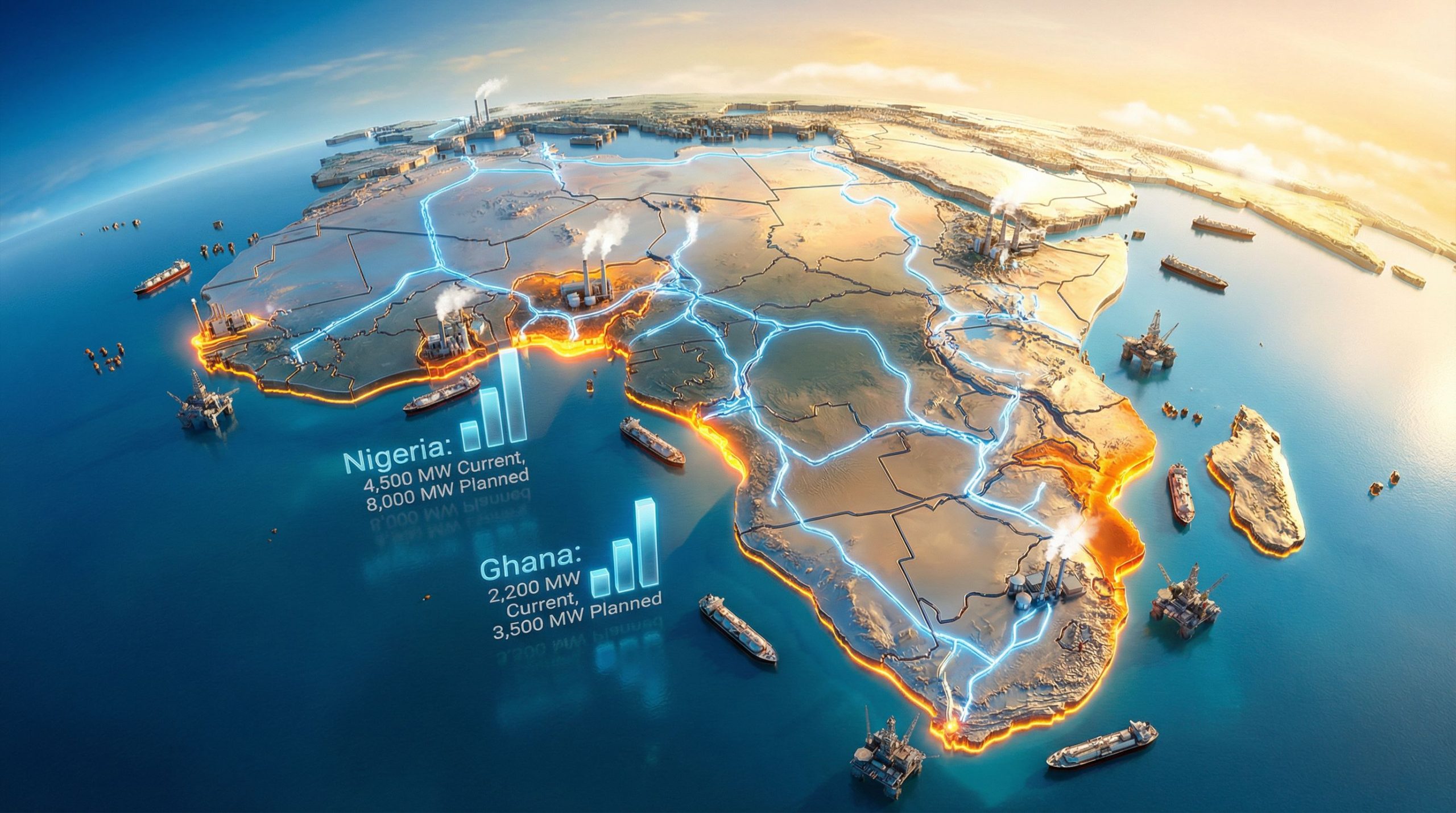
| Country | Current Capacity (MW) | Planned Additions (MW) | Primary Industrial Applications |
|---|---|---|---|
| Nigeria | 4,500 | 8,000 | Petrochemicals, Fertiliser Production |
| Ghana | 2,200 | 3,500 | Manufacturing, Mining Operations |
| Mozambique | 800 | 2,800 | Aluminium Smelting, Steel Processing |
| Côte d'Ivoire | 1,100 | 2,200 | Agro-processing, Textile Manufacturing |
Note: Figures represent planned capacity additions subject to financing availability and regulatory approvals. Actual development timelines may vary based on project-specific factors.
What Investment Architecture Will Unlock Africa's Trillion-Dollar Gas Potential?
The scale of investment required for comprehensive African gas development spans upstream exploration through downstream industrial applications. Capital allocation across the full value chain determines both development timelines and ultimate economic impact.
Capital Allocation Breakdown
Upstream investment encompasses exploration, appraisal drilling, field development, and production infrastructure. These foundational investments establish the resource base supporting all downstream activities. Successful upstream development requires sustained capital commitment over multi-year timelines.
Midstream infrastructure development captures a significant portion of total project investment. LNG liquefaction terminals, pipeline networks, and processing facilities require substantial capital but generate long-term revenue streams. In addition, capital raising strategies become critical for securing adequate financing for these large-scale projects.
Investment Risk Considerations:
- Country-specific risk profiles affecting financing costs
- Regulatory stability impacting long-term project viability
- Currency fluctuation exposure and hedging requirements
- Political risk insurance availability and costs
Infrastructure Development Priorities
Pipeline connectivity between gas-producing regions and consumption centres requires coordinated development planning. Cross-border infrastructure projects, such as the Senegal-Mauritania Greater Tortue Ahmeyim development, demonstrate successful regional cooperation models.
LNG terminal expansion encompasses both export facilities serving international markets and import terminals supporting domestic consumption growth. This dual-purpose infrastructure maximises utilisation rates and improves project economics.
Critical Infrastructure Components:
-
Upstream Production Facilities
- Wellhead platforms and subsea infrastructure
- Gas processing and treatment plants
- Pipeline gathering systems
-
Midstream Transportation Networks
- High-pressure transmission pipelines
- Compression and pumping stations
- Storage and peak-shaving facilities
-
Downstream Processing Capabilities
- LNG liquefaction terminals
- Industrial gas distribution systems
- Power generation facilities
How Do Regulatory Frameworks Shape Africa's Gas Competitiveness?
Regulatory environments directly influence investment attractiveness and project development timelines. African nations are implementing policy frameworks balancing government revenue objectives with investor return requirements.
Policy Harmonisation Requirements
Fiscal term optimisation involves structuring royalty rates, taxation levels, and profit-sharing arrangements that encourage investment while maximising government revenue. Competitive fiscal terms are essential for attracting international capital in a globally competitive market environment.
Local content integration policies mandate domestic participation in gas sector development. These requirements encompass workforce development, supply chain localisation, and technology transfer initiatives designed to maximise economic benefits for host countries.
Regulatory Framework Components:
- Fiscal Terms: Royalty rates, corporate taxation, windfall tax provisions
- Contractual Structures: Production sharing agreements, licensing frameworks
- Local Content Requirements: Employment mandates, supply chain preferences
- Environmental Standards: Emissions regulations, decommissioning requirements
Cross-Border Collaboration Models
Regional gas development requires coordinated regulatory approaches across national boundaries. The Greater Tortue Ahmeyim project between Senegal and Mauritania exemplifies successful cross-border cooperation enabling shared infrastructure development and risk distribution.
West African regional integration through ECOWAS (Economic Community of West African States) and Southern African coordination via SADC (Southern African Development Community) provide frameworks for harmonised energy policies and cross-border trade facilitation.
Benefits of Regional Regulatory Coordination:
- Reduced investment complexity through standardised frameworks
- Enhanced project economics via shared infrastructure
- Improved energy security through regional supply diversification
- Accelerated development timelines via coordinated planning
What Market Dynamics Will Determine Africa's Global Gas Position?
Global LNG market conditions significantly influence African gas development economics and export opportunities. Current oversupply projections create both challenges and opportunities for emerging African suppliers.
Supply-Demand Rebalancing Scenarios
African gas demand is forecast to increase 60% by 2050, according to industry analysis, driven by power generation expansion, industrial development, and population growth. This domestic consumption growth provides a foundation for gas infrastructure investment independent of export market conditions.
Global LNG oversupply conditions, while challenging for existing high-cost producers, create market entry opportunities for competitive African suppliers. Price moderation enables African LNG to compete effectively with established suppliers from Qatar, Australia, and North America.
Market Entry Advantages for African Suppliers:
- Competitive extraction costs due to favourable geological conditions
- Strategic geographic positioning between major demand centres
- Flexible contract structures appealing to diverse buyer preferences
- Supply diversification value for security-conscious consumers
Competitive Positioning Analysis
African gas resources offer inherent cost advantages through favourable geology and proximity to major shipping routes. Deepwater developments off West Africa benefit from established offshore expertise and infrastructure networks. For instance, new gas projects are emerging across the continent, demonstrating increasing investor confidence.
Reliability premium development represents a key competitive strategy for African suppliers. Establishing track records of consistent delivery and contractual compliance enhances long-term market positioning and pricing power.
Competitive Benchmarking Factors:
| Factor | African Advantage | Competitive Challenge |
|---|---|---|
| Production Costs | Low-cost deepwater reserves | Infrastructure investment requirements |
| Market Access | Atlantic/Indian Ocean positioning | Political risk perceptions |
| Resource Quality | High heating value, low impurities | Limited processing infrastructure |
| Delivery Reliability | Emerging track record | Security concerns in some regions |
Which Industrial Transformation Sectors Will Drive Gas Monetisation?
Gas-based industrial development creates higher-value economic activities compared to simple export strategies. African nations are prioritising downstream processing capabilities that capture additional value from domestic resources.
Manufacturing Renaissance Opportunities
Fertiliser production represents a natural application for African gas resources, supporting agricultural productivity while creating industrial employment. Nitrogen-based fertilisers require significant energy inputs, making gas-rich regions competitive manufacturing locations.
Petrochemical complex development enables value-added chemical production serving both domestic and international markets. Nigeria's existing petrochemical industry demonstrates the potential for expanded production based on increased gas availability. Furthermore, understanding investing guide strategies becomes crucial for international investors evaluating these opportunities.
Priority Industrial Applications:
- Ammonia and urea production for agricultural markets
- Methanol manufacturing for chemical industry feedstock
- Plastic and polymer production serving growing consumer markets
- Industrial gas supply for steel, aluminium, and other metal processing
Transport Sector Conversion Potential
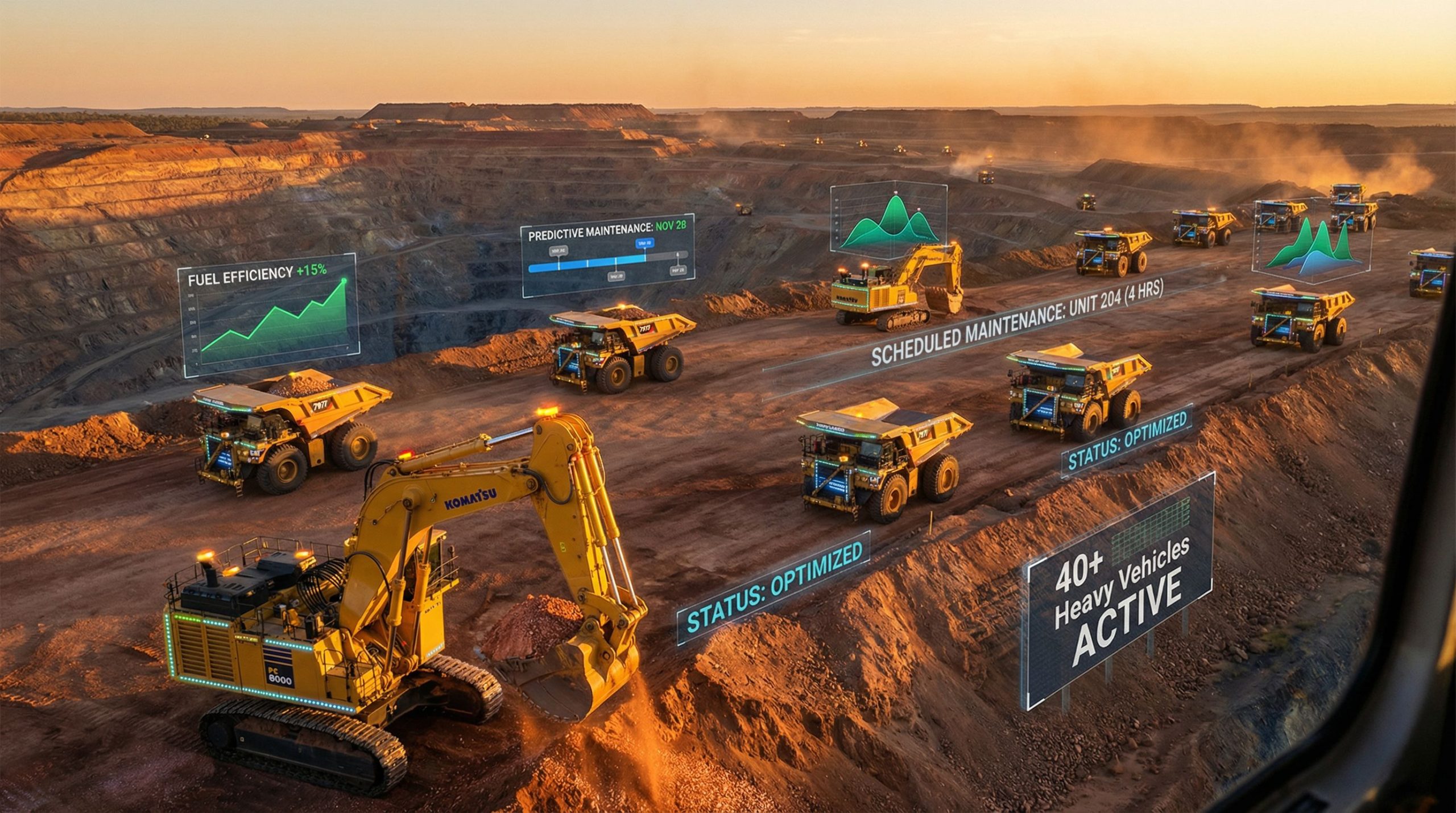
Heavy-duty vehicle fleets represent significant conversion opportunities for natural gas utilisation. Long-haul trucking and mining equipment can benefit from lower fuel costs and reduced emissions through compressed natural gas (CNG) adoption.
Marine fuel applications include coastal shipping and fishing industry operations. LNG as marine fuel reduces emissions while potentially lowering operating costs for commercial vessel operators.
Transport Sector Applications:
-
Road Transport
- Heavy-duty trucking fleets
- Urban bus transportation systems
- Industrial vehicle operations
-
Marine Applications
- Coastal and regional shipping
- Fishing vessel operations
- Port and harbour equipment
-
Industrial Heating
- Cement production facilities
- Steel and aluminium processing
- Glass and ceramics manufacturing
What Timeline Scenarios Define Africa's Gas Market Evolution?
African gas development follows a multi-phase timeline extending through the mid-century period. Project development cycles, infrastructure completion schedules, and policy implementation timelines influence overall market evolution.
Short-Term Catalysts (2025-2030)
Major LNG facility commissioning represents the most significant near-term catalyst for African gas market development. TotalEnergies' Mozambique LNG project and bp's Greater Tortue Ahmeyim development are advancing toward production phases.
Infrastructure completion milestones include pipeline network expansion and gas processing facility construction. These foundational investments enable subsequent industrial development and domestic market expansion.
Critical Near-Term Milestones:
- 2025-2026: First gas from major FLNG projects
- 2027-2028: Pipeline interconnection completions
- 2028-2030: Industrial facility commissioning
Long-Term Structural Changes (2030-2050)
Market share redistribution reflects Africa's growing position in global gas trade. Successful project execution and infrastructure development could establish Africa's gas boom as a major force in global LNG exports comparable to current leading suppliers.
Economic transformation metrics encompass GDP contribution, employment generation, and industrial sector development. Gas-enabled industrialisation could fundamentally alter African economic structures and growth trajectories.
Long-Term Impact Projections:
- GDP Contribution: Gas sector growth contributing 2-4% additional annual GDP growth
- Employment Generation: Direct and indirect job creation exceeding 2 million positions
- Industrial Transformation: Manufacturing sector doubling in gas-rich nations
- Energy Security: 80% of African nations achieving energy self-sufficiency
Disclaimer: Long-term projections involve significant uncertainty and depend on successful project execution, market conditions, and policy implementation.
How Will Africa's Gas Boom Create Sustainable Economic Resilience?
Africa's gas boom extends beyond energy sector development into comprehensive economic transformation. Strategic gas utilisation creates multiplier effects across agriculture, manufacturing, services, and infrastructure development.
Economic Diversification Impact
Revenue stream multiplication reduces dependence on traditional commodity exports while creating new sources of foreign exchange earnings. Gas monetisation provides fiscal resources for broader economic development initiatives and social investment programmes.
Job creation cascades encompass direct employment in gas sector operations plus indirect opportunities in supporting industries. Construction, transportation, manufacturing, and services sectors benefit from gas-enabled economic expansion.
Economic Multiplier Effects:
- Direct Employment: Operations, maintenance, and technical positions
- Indirect Employment: Supply chain, transportation, and support services
- Induced Employment: Consumer spending and service sector growth
- Tax Revenue Generation: Corporate income taxes, royalties, and local fees
Regional Integration Strengthening
Intra-African gas trade relationships enhance regional economic integration and energy security. Cross-border pipeline networks and LNG trading arrangements create mutual dependencies encouraging political stability and cooperation.
Infrastructure connectivity improvements extend beyond gas sector development into transportation, telecommunications, and financial networks. Gas project investments often catalyse broader infrastructure modernisation benefiting entire regional economies.
Regional Development Benefits:
- Energy Security Enhancement through diversified supply sources
- Infrastructure Development supporting broader economic activity
- Technology Transfer advancing local technical capabilities
- Financial Market Development through project financing and capital markets
Africa's Gas-Powered Economic Transformation
Africa's gas boom represents more than resource extraction; it embodies a pathway toward economic transformation and sustainable development. Strategic utilisation of gas resources can power industrial growth, enhance energy security, and create lasting prosperity.
Strategic Implementation Roadmap
Successful gas sector development requires coordinated action across multiple stakeholder groups. Governments, international investors, development institutions, and local communities must collaborate to maximise development benefits while managing associated risks.
Critical Success Factors:
- Policy Coordination between national governments and regional organisations
- Investment Mobilisation through public-private partnerships and international financing
- Infrastructure Development prioritising strategic connectivity and processing capabilities
- Capacity Building ensuring local participation in technical and managerial roles
The continent's gas resources provide both opportunity and responsibility. Effective development strategies can establish Africa as a global energy supplier while powering domestic industrialisation and economic diversification.
Investment Disclaimer: Gas sector investments involve significant risks including commodity price volatility, regulatory changes, political instability, and technical challenges. Prospective investors should conduct thorough due diligence and risk assessment before making investment decisions. Past performance does not guarantee future results.
Africa's gas boom holds transformative potential for the continent's economic future. Through strategic planning, coordinated development, and sustainable practices, natural gas can serve as a bridge toward prosperity, industrial growth, and lasting economic resilience.
Ready to Capitalise on Africa's Energy Transformation?
Discovery Alert's proprietary Discovery IQ model delivers real-time alerts on significant energy and commodity discoveries, instantly empowering subscribers to identify actionable opportunities ahead of the broader market. Begin your 30-day free trial today and position yourself to capitalise on major mineral discoveries that could transform entire sectors.