
May 21, 2026
Current Trading Environment and Market Dynamics
The metals distribution industry operates within an increasingly complex landscape where supply chain resilience has become paramount for sustained profitability. Market participants face unprecedented challenges from fluctuating commodity prices, trade policy uncertainties, and evolving customer inventory strategies that directly impact quarterly performance metrics. Understanding how leading distributors navigate these headwinds provides crucial insights into operational excellence and competitive positioning within this cyclical sector.
Metal distributors must balance inventory management with price volatility while maintaining strong customer relationships across diverse end markets. The ability to execute effective pricing strategies during periods of commodity inflation often separates industry leaders from underperformers, particularly when market volatility hedging becomes essential and gross margin pressures intensify across the supply chain.
When big ASX news breaks, our subscribers know first
Performance Analysis Against Market Expectations
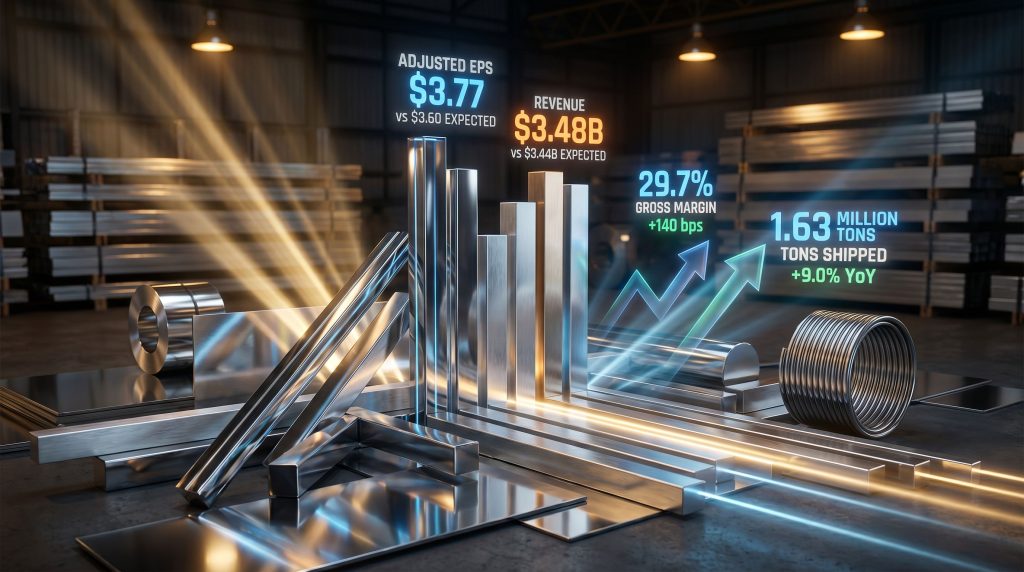
Reliance Steel & Aluminum Q1 estimates reflected broad analyst optimism heading into the earnings announcement, with consensus projections anticipating solid sequential and year-over-year growth. The company's first-quarter results demonstrated resilience amid challenging market conditions, with several key performance indicators exceeding Wall Street forecasts.
Financial performance showed meaningful improvement across multiple metrics during the quarter. Furthermore, recent earnings reports highlighted the company's ability to navigate complex market dynamics effectively.
• Revenue Generation: Total quarterly revenue reached substantial levels despite broader industry headwinds
• Pretax Income Growth: Operating performance improved significantly on a year-over-year basis
• Pricing Realisation: Average selling prices per ton increased notably across the product portfolio
• Balance Sheet Strength: Debt-to-EBITDA ratios remained at conservative levels
The quarterly results reflected successful execution of pricing strategies amid inflationary pressures on input costs. Reliance Steel & Aluminum Q1 estimates had incorporated expectations for continued price appreciation across key metal categories, particularly aluminium where market premiums reached elevated levels due to supply constraints and tariff impacts on markets.
Margin Performance Under Pressure
Despite achieving higher average selling prices, gross profit margins faced headwinds during the reporting period. The compression in margin percentages highlighted the ongoing challenge of passing through input cost increases to customers while maintaining competitive positioning. This dynamic reflects broader industry trends where distributors must balance pricing power with customer retention strategies.
Gross margin analysis revealed several contributing factors:
• Input Cost Inflation: Raw material costs increased faster than selling price adjustments
• Product Mix Impact: Changes in product category volumes affected overall margin composition
• Geographic Variations: Regional pricing dynamics influenced consolidated margin performance
• Customer Contract Terms: Fixed-price agreements limited immediate pricing adjustments
The margin environment demonstrated how successful metals distributors must maintain pricing discipline while adapting to rapidly changing commodity markets. Companies with strong customer relationships and diversified product portfolios typically navigate these conditions more effectively than competitors with concentrated exposure.
Operational Excellence and Volume Leadership
Volume performance across the metals distribution sector varies significantly based on end market exposure and geographic positioning. Leading distributors focus on capturing market share during periods of supply tightness while building resilient customer relationships that support long-term growth.
Shipment volumes provide critical insight into underlying demand trends across construction, manufacturing, and infrastructure sectors. The ability to maintain or grow volumes during challenging periods often reflects superior customer service capabilities and strategic market positioning.
Strategic Acquisition Integration
The metals distribution industry continues consolidating as companies seek to enhance geographic reach and processing capabilities. Successful acquisition strategies focus on complementary operations that expand market coverage while maintaining operational efficiency standards. These industry consolidation trends reflect broader patterns across the materials sector.
Recent acquisition activity has emphasised:
• Geographic Diversification: Expanding presence in underserved regional markets
• Processing Capabilities: Adding value-added services that command premium pricing
• Customer Base Enhancement: Acquiring relationships in strategic end markets
• Operational Synergies: Leveraging combined infrastructure for improved efficiency
Integration success depends heavily on maintaining customer relationships during ownership transitions whilst realising projected cost synergies. Companies with proven acquisition track records typically demonstrate superior integration capabilities and faster value realisation.
Pricing Strategy and Market Position
Metal pricing dynamics reflect complex interactions between global supply conditions, trade policies, and end market demand patterns. Successful distributors develop sophisticated pricing strategies that account for commodity volatility while maintaining competitive positioning across diverse customer segments.
Average selling price improvements during the quarter reflected several market factors. Moreover, industry insights suggest these trends may continue into subsequent quarters.
Carbon Steel Segment:
• Supply constraints supported price appreciation across product categories
• Trade policy impacts affected import competition levels
• Domestic production capacity utilisation remained elevated
Aluminium Products:
• Market premiums reached historically high levels due to supply tightness
• Transportation costs and logistics challenges supported regional pricing power
• Specialty applications maintained premium pricing structures
Stainless Steel Applications:
• Specialty product categories demonstrated pricing resilience
• Value-added processing services commanded sustainable premiums
• Long-term contract structures provided pricing visibility
The pricing environment highlighted how diversified product portfolios enable distributors to optimise revenue performance across varying market conditions. Companies with strong technical expertise and processing capabilities typically achieve superior pricing realisation compared to commodity-focused competitors.
Forward-Looking Market Guidance
Management outlook for subsequent quarters incorporates multiple variables including commodity price trends, end market demand patterns, and operational capacity constraints. Reliance Steel & Aluminum Q1 estimates established baseline expectations that inform forward guidance assumptions.
Second quarter projections reflect several key factors. In addition, these forecasts align with broader investing strategies 2025 that emphasise value creation through operational excellence.
| Metric | Projected Range | Key Drivers |
|---|---|---|
| Earnings per Share | $5.15 – $5.35 | Stable demand, firmer mill prices |
| Volume Growth | 1% – 3% sequential | Modest end market improvement |
| Price Trends | Continued strength | Supply tightness, contract timing |
The guidance framework incorporates both opportunities and challenges facing the metals distribution sector. Volume growth expectations remain below historical trend levels, reflecting continued softness in certain end markets despite overall economic resilience.
Contract Portfolio Impact
Government contract awards provide revenue visibility and demonstrate the company's capabilities in serving large-scale infrastructure projects. Recent agreements with federal agencies represent significant long-term value creation opportunities:
• Department of Homeland Security Projects: Multi-year infrastructure commitments
• Defence Platform Agreements: Five-year strategic partnership arrangements
• Border Infrastructure Contracts: Specialised steel product requirements
The combined contract portfolio represents approximately $2.9 billion in potential revenue over multiple years, providing baseline demand support during economic uncertainty periods.
Competitive Landscape Analysis
The metals distribution industry features several large-scale operators competing across regional and national markets. Competitive positioning depends on factors including geographic coverage, processing capabilities, customer relationships, and financial strength.
Key competitive advantages in the current environment include:
• Supply Chain Reliability: Consistent product availability during shortage periods
• Technical Expertise: Value-added processing and custom solutions
• Financial Flexibility: Balance sheet strength enabling strategic investments
• Market Coverage: Geographic diversification reducing regional concentration risk
Leading distributors maintain competitive moats through superior customer service, technical capabilities, and strategic location advantages. Companies with nationwide footprints typically achieve better pricing power and operational efficiency compared to regional competitors.
Industry Consolidation Trends
Ongoing consolidation creates opportunities for well-capitalised companies to expand market share through strategic acquisitions. The fragmented nature of metals distribution supports continued consolidation activity as smaller players face increasing competitive pressures. These patterns reflect broader industry evolution trends across materials sectors.
Consolidation drivers include:
• Scale Economics: Larger operations achieve better supplier terms and operational efficiency
• Technology Investment: Systems integration requires significant capital investment
• Customer Service Requirements: National accounts demand broad geographic coverage
• Regulatory Compliance: Increasing complexity favours larger, well-resourced operators
Companies with proven acquisition capabilities and integration expertise position themselves advantageously for continued market share gains through strategic transactions.
The next major ASX story will hit our subscribers first
Investment Considerations and Risk Assessment
Equity investors in metals distribution companies must evaluate both cyclical and structural factors affecting long-term value creation. The sector's sensitivity to economic conditions requires careful analysis of end market trends and commodity price cycles.
Investment Strengths:
• Defensive Characteristics: Essential role in infrastructure and manufacturing supply chains
• Cash Generation: Strong free cash flow profiles during normal operating conditions
• Capital Allocation: Balanced approach between growth investment and shareholder returns
• Market Position: Leading companies maintain sustainable competitive advantages
Risk Factors:
• Economic Sensitivity: Exposure to construction and manufacturing activity levels
• Commodity Volatility: Input cost fluctuations impact margin stability
• Customer Concentration: Large account dependencies create revenue concentration risk
• Working Capital Requirements: Inventory investment needs vary with commodity prices
The investment thesis for leading distributors centres on their ability to maintain market share whilst generating attractive returns on invested capital across economic cycles.
Capital Allocation Framework
Successful metals distributors employ disciplined capital allocation strategies that balance growth investments with shareholder returns. The current environment emphasises maintaining financial flexibility whilst pursuing strategic opportunities.
Recent capital allocation included:
• Shareholder Returns: Substantial cash returned through dividends and share repurchases
• Acquisition Investment: Strategic transactions enhancing market position
• Operational Improvements: Technology and infrastructure upgrades
• Debt Management: Maintaining conservative leverage ratios for financial flexibility
Companies with strong balance sheets and consistent cash generation maintain advantages in pursuing growth opportunities whilst providing attractive shareholder returns.
Strategic Growth Catalysts and Market Outlook
Long-term growth prospects for metals distribution reflect several structural trends supporting sustained demand across key end markets. Infrastructure investment, domestic manufacturing expansion, and defence spending provide potential growth catalysts over multiple years.
Infrastructure Development:
Federal and state infrastructure investment programmes create sustained demand for construction materials. Bridge replacement, highway expansion, and utility infrastructure projects require substantial steel and aluminium products over extended timeframes.
Manufacturing Reshoring:
Domestic manufacturing capacity expansion supports metals demand as companies relocate production capabilities. Supply chain resilience priorities drive investment in North American manufacturing infrastructure.
Defence and Security Applications:
Increased defence spending creates demand for specialised steel products in military applications. Border security infrastructure and defence platform modernisation programmes require advanced materials and processing capabilities.
Energy Infrastructure Transition:
Renewable energy development and grid modernisation create new demand categories for aluminium and specialised steel products. Wind turbine construction, solar installations, and electrical grid upgrades require substantial metal content.
What Role Does Technology Play in Industry Evolution?
The metals distribution industry continues evolving through technology adoption that enhances operational efficiency and customer service capabilities. Leading companies invest in systems that improve inventory management, order processing, and supply chain optimisation.
Innovation areas include:
• Digital Platforms: E-commerce capabilities and customer portal development
• Inventory Management: Advanced analytics for demand forecasting and stock optimisation
• Processing Technology: Automated cutting and fabrication equipment
• Logistics Optimisation: Transportation and warehouse management systems
Companies successfully implementing technology solutions typically achieve improved margins and customer satisfaction whilst reducing operational costs. However, Reliance Steel & Aluminum Q1 estimates demonstrate that traditional operational excellence remains equally important alongside technological advancement.
"This analysis is based on publicly available information and should not be considered investment advice. Investors should conduct their own research and consult with financial advisors before making investment decisions. Forward-looking statements involve risks and uncertainties that may cause actual results to differ from expectations."
Looking to Invest in ASX Mining and Metals Opportunities?
Discovery Alert's proprietary Discovery IQ model delivers real-time notifications on significant ASX mineral discoveries, helping investors identify actionable opportunities before they hit mainstream attention. Transform your investment approach by exploring Discovery Alert's dedicated discoveries page to see how historic discoveries have generated substantial market returns, then begin your 14-day free trial today to position yourself ahead of the market.