Western Ridge Resources Ltd
Western Ridge expands Keystone fivefold as it strengthens its position in Nevada’s Pershing Trend
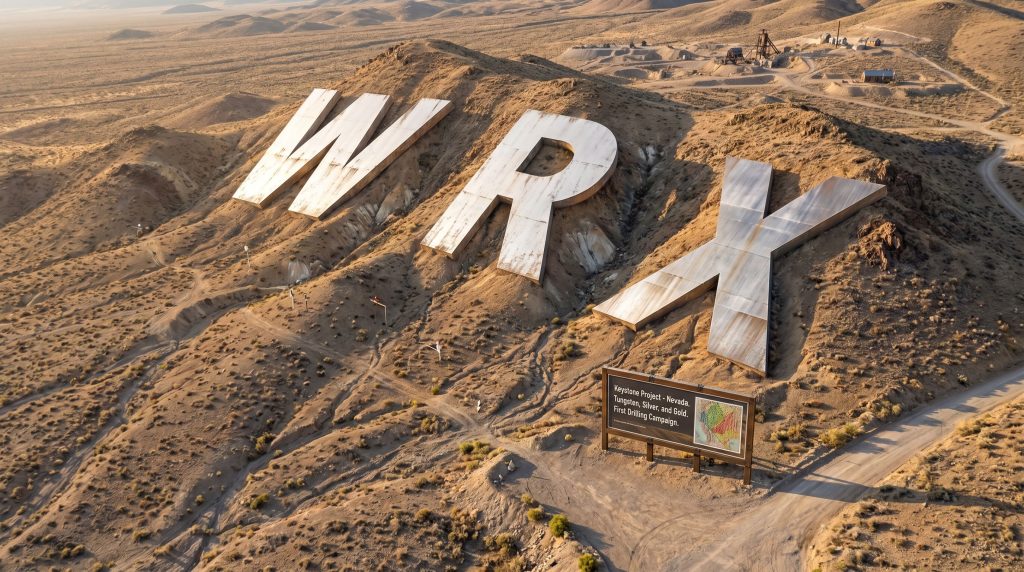
Western Ridge Resources has significantly enlarged its footprint through the Western Ridge Resources Keystone Project expansion in Nevada, adding approximately 4,960 acres via 248 new lode claims. As a result, the company has lifted its landholding in the district by about 500%, strengthening its exposure to an emerging tungsten, silver and gold trend.
According to the ASX announcement, the newly staked ground surrounds the existing Keystone Project, includes multiple historic mining workings, and has no recorded modern exploration across much of the added area. Furthermore, the company believes the geology is identical to Keystone, which adds another layer of exploration interest.
For investors, this update matters because it expands Western Ridge’s potential search area just as it prepares to begin a maiden 19-hole drilling program. Although there are no new drill results or resource figures yet, the enlarged position gives the company greater control over the broader district.
When big ASX news breaks, our subscribers know first
The headline development investors should focus on
This announcement is fundamentally about scale. Rather than adding a separate asset elsewhere, Western Ridge has expanded around its flagship project. Consequently, it may improve target continuity and increase district-wide control.
The key reported points are:
- 248 new lode claims staked
- Approximately 4,960 acres added
- Around 500% increase in Keystone landholding
- New claims containing historic mining localities and workings
- No recorded modern exploration across much of the added area
- Geology interpreted by the company to be identical to Keystone
- A larger position in a district prospective for tungsten, silver and gold
That matters because larger, contiguous tenure can help an explorer assess mineralised trends more systematically. In addition, it reduces the chance that nearby highly prospective ground remains available to competitors.
Why the Keystone expansion could matter
In early-stage exploration, land position can be highly relevant to long-term project value. If geology and mineralisation continue beyond the original project boundary, a larger footprint may improve the company’s ability to test those extensions.
The Western Ridge Resources Keystone Project expansion in Nevada may matter for three main reasons.
It increases the potential exploration footprint
Western Ridge says the new claims appear to host the same geology as Keystone. If future mapping and fieldwork support that interpretation, the company may be able to define additional targets beyond the current core zone.
A bigger land package does not confirm a discovery. However, it does increase the area available for target generation and follow-up exploration.
It captures historic workings with limited modern follow-up
Historic workings can be useful because they show where earlier miners identified mineralised rock near surface. The company reported that the new claims include numerous historic mining localities, while much of the ground has no recorded modern exploration.
For investors, this creates an interesting setup. Historic activity can provide clues, while modern methods such as digitised mapping, structured reviews and drilling may reveal a more complete picture.
It gives the company greater district control
A 500% increase in surrounding landholding can materially strengthen a company’s regional position. In this case, Western Ridge says it now holds a commanding land position within the emerging Pershing Trend.
That does not guarantee success. Nevertheless, it may improve optionality through more targets, better control over mineralised corridors and a wider platform for future work.
Keystone expansion at a glance
The announcement gives a concise summary of the project increase and the next stage of activity.
| Metric | Detail |
|---|---|
| New claims staked | 248 lode claims |
| Additional land added | ~4,960 acres |
| Increase in Keystone landholding | ~500% |
| Commodities of interest | Tungsten, silver, gold |
| Historic activity | Multiple historic workings |
| Modern exploration record | No recorded modern exploration across much of new ground |
| Near-term catalyst | Maiden 19-hole drilling program |
This combination of larger scale and near-term drilling is likely to remain the market’s main focus.
Management commentary points to a district-scale approach
Managing Director Dr Matthew Cobb framed the move as part of Western Ridge’s early mover advantage in the Pershing Trend.
“Expanding the Keystone landholding is a strategic decision to capitalise on our early entrant advantage in the Pershing Trend and has enabled the Company to secure numerous additional historic mining localities within what we consider to be a commanding regional land position.
The newly acquired claims cover geology interpreted to be identical to that at Keystone, and despite the presence of widespread historical workings throughout the district, there has been no modern exploration completed. As part of our systematic review and exploration, Western Ridge will assess additional tungsten, silver and gold targets across the broader project area.”
This wording suggests the company sees Keystone as more than a single prospect. Instead, it appears to be shaping a broader district opportunity around one geological setting.
What makes the new ground interesting?
Two features stand out in the company’s description of the new claims: historical mining evidence and the absence of modern exploration records.
Historic workings may help target ranking
Historic workings are not the same as a modern resource, and older records can vary in quality. Even so, they can show where mineralisation was visible or accessible to previous operators.
Western Ridge says it has begun sourcing and compiling historical datasets, including:
- historical workings
- production records
- geological mapping
This can help guide early exploration spending. Rather than starting from scratch, the company can compare older observations with current geological interpretations.
Geological continuity with Keystone
The company says the expanded claims cover geology interpreted to be identical to Keystone. That interpretation still needs to be tested through further work. However, it is central to the rationale behind the Western Ridge Resources Keystone Project expansion in Nevada.
If the broader area genuinely shares the same geological setting, it could support testing extensions of known structures or identifying new target zones along the same trend.
Exposure to multiple metals
The announcement highlights prospectivity for tungsten, silver and gold. This multi-commodity angle broadens the investment story, particularly because Keystone is described as silver-dominant and polymetallic.
For investors, that adds potential flexibility. However, any value creation still depends on future exploration success.
What is a lode claim and why does it matter?
A lode claim is a mineral claim used in the United States to secure rights over hard-rock mineral deposits. In simple terms, it gives an explorer the right to hold and assess ground believed to contain mineralisation in bedrock.
That matters because, in many US mining districts, lode claims form the building blocks of district-scale projects.
Investors should care because:
- More claims can mean more control over prospective ground
- They can capture possible extensions of mineralised structures
- They may prevent competitors from staking nearby open ground
- They can transform a small project into a larger regional play
A few related terms are also useful:
- Tenure package: the collection of claims or licences held by a company
- Historic workings: old mines, pits, shafts or tunnels from previous mining
- Mineralised trend: a corridor where geology suggests deposits may occur
- Maiden drilling program: the first drilling campaign conducted on a project or target
Near-term catalysts now come into focus
The update is not only about staking ground. It also outlines the next steps Western Ridge plans to take across both the original Keystone Project and the newly acquired claims.
The reported next steps are:
- Maiden 19-hole drilling program at Keystone following completion of earthworks
- Historical data review and digitisation across the expanded tenure package
- Prioritisation of historical workings and mineralised trends for follow-up exploration
- Ongoing regional assessment of tungsten, silver and gold potential across the Pershing Trend
These steps suggest the company is moving beyond land acquisition into more structured technical work.
| Activity | Status |
|---|---|
| Earthworks at Keystone | Required before drilling |
| Maiden drilling at Keystone | Planned following earthworks |
| Historical dataset sourcing and compilation | Underway |
| Review of workings, production records and mapping | Underway |
| Target ranking across expanded claims | Planned |
| Regional assessment across Pershing Trend | Ongoing |
For the market, the clearest upcoming catalyst is the 19-hole maiden drilling program.
Investment relevance: why this update may matter
This announcement strengthens Western Ridge’s project scale and broadens exposure to an emerging Nevada mineral trend. While it does not yet alter valuation through a resource or economic study, it may change how investors assess the opportunity.
Several points stand out:
- Project scale has increased materially
- Landholding is up by around 500%
- Historic workings may support target generation
- Geological similarity to Keystone could support a larger mineralised system
- Multi-commodity exposure adds breadth to the exploration narrative
- Maiden drilling provides a clear operational milestone
For now, the Western Ridge Resources Keystone Project expansion in Nevada turns Keystone into a larger district-scale exploration play. The next stage, however, will depend on whether technical work and drilling support that broader vision.
The next major ASX story will hit our subscribers first
Key takeaway
Western Ridge has increased the scale of Keystone by approximately 4,960 acres and 248 lode claims, giving the company a much larger position in Nevada’s emerging Pershing Trend. According to the announcement, the extra ground includes historic workings, much of it has no recorded modern exploration, and it is interpreted to share the same geology as Keystone.
For investors, the combination of a larger land package and an approaching 19-hole maiden drill program is the central reason to watch the story. The land expansion improves district exposure, while the drilling program should provide the first practical test of whether that bigger footprint can translate into meaningful tungsten, silver and gold targets.
Looking For The Next Major Discovery?
Discovery Alert’s proprietary Discovery IQ model delivers real-time alerts on significant ASX mineral discoveries, helping investors spot actionable opportunities as soon as they are announced. See how historic discoveries have delivered exceptional returns on the Discovery Alert discoveries page or start exploring the service at the Discovery Alert home page with a 14-day free trial.