June 8, 2026
Brazil's Resource Extraction Economy: Understanding Infrastructure Investment Multipliers
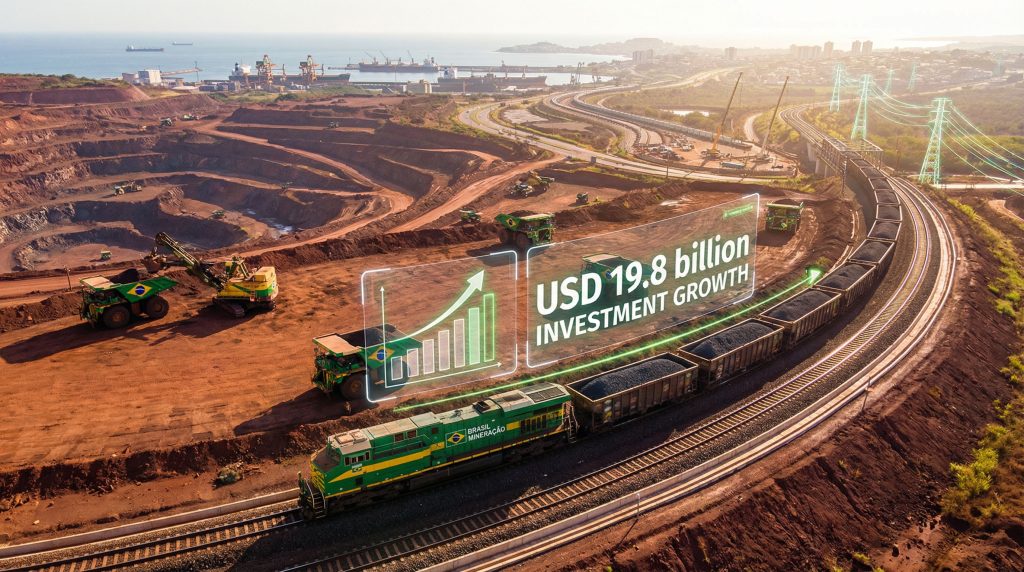
Latin America's largest economy demonstrates a unique development model where natural resource extraction creates cascading infrastructure investments across multiple economic sectors. When mining drives logistics and projects in Brazil, the resulting capital allocation patterns extend far beyond individual extraction sites, generating comprehensive transportation networks, port facilities, and regional connectivity improvements that reshape entire economic corridors.
This resource-driven infrastructure approach has created one of the world's most integrated commodity supply chain systems, where mining operations function as anchor tenants for massive logistics investments that benefit agriculture, manufacturing, and regional development initiatives across Brazil's diverse geographical regions.
When big ASX news breaks, our subscribers know first
The Economic Architecture of Resource-Driven Infrastructure Development
Brazil's extractive industries operate as primary catalysts for large-scale infrastructure modernisation, generating substantial portions of the nation's logistics investment pipeline. This sector-driven development model creates integrated economic zones where mineral extraction requirements determine transportation network expansion priorities, port capacity development strategies, and inter-regional connectivity improvements.
The multiplier effects of these investments extend across multiple economic sectors, creating shared infrastructure assets that support diverse industrial activities beyond mining operations. Agricultural exports, manufactured goods distribution, and regional economic development initiatives all benefit from transportation networks originally designed to serve extractive industry requirements.
Regional Investment Concentration Patterns
Mining operations concentrate capital investments in specific geographical corridors, creating regional development hubs that attract complementary industrial activities. These investment clusters generate economic benefits that extend to local communities, supporting employment growth and business development in service sectors, construction, and logistics operations.
Furthermore, the mining industry evolution has significantly influenced Brazil's economic landscape through strategic regional planning.
Key Investment Distribution by Region:
• Southeastern states receiving approximately 40% of total mining infrastructure investments
• Northern corridor development projects attracting 35% of capital allocation
• Northeastern coastal regions capturing 25% of logistics modernisation funding
Iron Ore Operations and Transportation Network Development
Iron ore extraction operations require specialised transportation infrastructure capable of handling massive commodity volumes efficiently. These requirements drive development of heavy-haul railway systems, deep-water port facilities, and automated material handling technologies that create opportunities for engineering firms, construction companies, and technology providers.
The scale of iron ore logistics operations necessitates dedicated transportation corridors that integrate rail networks, port terminals, and processing facilities into comprehensive supply chain systems. However, monitoring iron ore trends remains crucial for investment planning and market positioning.
These integrated networks support both current production requirements and future expansion capabilities across multiple mining operations.
Technological Integration in Heavy Industry Logistics
Modern iron ore operations increasingly incorporate automation technologies, electrification systems, and digital monitoring capabilities that require supporting infrastructure investments. Consequently, these technological upgrades create market opportunities for specialised contractors, equipment suppliers, and system integration firms.
Technology Integration Areas:
• Automated loading and unloading systems
• Real-time monitoring and tracking technologies
• Electrified transportation networks
• Digital logistics optimisation platforms
Port Infrastructure Development and Export Optimisation
Mining operations drive substantial investments in specialised port facilities designed to handle specific commodity types, vessel configurations, and loading technologies. These port development projects create dedicated terminals that support both domestic industrial requirements and international export strategies.
The integration of port facilities with inland transportation networks creates comprehensive logistics corridors that connect Brazilian mining operations with global commodity markets. In addition, this connectivity supports national economic objectives while providing competitive advantages for extractive industry operations.
Bulk Commodity Handling Capabilities
Specialised port terminals require sophisticated material handling systems, storage facilities, and vessel loading technologies optimised for bulk commodity operations. These infrastructure investments create opportunities for marine engineering firms, equipment manufacturers, and port operations specialists.
Brazil's port modernisation initiatives focus on increasing efficiency, reducing logistics costs, and improving environmental performance across commodity export operations.
Regional Development Through Mining Infrastructure Investment
Minas Gerais: Integrated Corridor Development
The southeastern region demonstrates comprehensive infrastructure development patterns where mining drives logistics and projects in Brazil creates integrated transportation networks serving multiple economic sectors. Rail connections, processing facilities, and logistics networks support both extractive operations and broader regional economic development initiatives.
These infrastructure investments generate employment opportunities in construction, engineering, transportation, and supporting service sectors while improving connectivity for non-mining economic activities across the region. Moreover, the largest iron ore mines often anchor these development corridors.
Northern Brazil: Export Corridor Optimisation
Northern regions focus infrastructure development on creating efficient pathways connecting inland mining operations with coastal export facilities. These investments emphasise rail-port integration, automated handling systems, and capacity optimisation technologies.
The resulting transportation networks support regional economic diversification by improving access to national and international markets for agricultural products, manufactured goods, and other economic activities beyond mining operations. Furthermore, improved haulage operations serve as models for Brazilian operations.
Coastal Region Development Strategies
Coastal regions concentrate infrastructure investments on port facilities, maritime logistics capabilities, and connections with inland transportation networks. These investments position coastal areas as critical links in national commodity export strategies while supporting regional economic development objectives.
Investment Timeline and Capital Allocation Analysis
Infrastructure development projects associated with mining operations typically follow extended implementation timelines that span multiple years of planning, construction, and commissioning phases. These extended development cycles create sustained economic benefits for regional communities and supporting industries.
Investment Phase Distribution:
| Phase | Duration | Capital Allocation |
|---|---|---|
| Planning and Design | 18-24 months | 10-15% |
| Construction | 36-48 months | 70-75% |
| Commissioning | 12-18 months | 15-20% |
The next major ASX story will hit our subscribers first
Opportunities for Infrastructure Service Providers
Engineering and Construction Sector Growth
Mining infrastructure projects create substantial opportunities for engineering firms specialising in heavy industrial construction, rail system development, port facility design, and material handling system integration. These projects often require expertise in complex logistical coordination, environmental compliance, and specialised equipment installation.
Construction companies benefit from extended project timelines, substantial capital budgets, and requirements for specialised capabilities in heavy industrial construction techniques and equipment installation procedures.
Technology and System Integration Services
Modern mining logistics operations increasingly rely on sophisticated automation systems, digital monitoring technologies, and operational optimisation tools. This technological integration creates market opportunities for software developers, system integrators, and technology consultants specialising in industrial applications.
Technology Service Opportunities:
• Automation system design and installation
• Digital monitoring and control systems
• Logistics optimisation software development
• Maintenance and technical support services
Sustainability Integration in Mining Infrastructure
What Role Does Clean Technology Play in Modern Mining Infrastructure?
Infrastructure investments increasingly incorporate electrification technologies, renewable energy systems, and emissions reduction capabilities that align with national sustainability objectives while improving operational efficiency and cost management.
These clean technology implementations create opportunities for renewable energy developers, electrification specialists, and environmental technology providers while supporting long-term operational cost reduction objectives. For instance, green iron production initiatives demonstrate sustainable approaches to resource extraction.
Environmental Performance Optimisation
Modern mining infrastructure projects integrate environmental protection technologies, waste management systems, and ecological impact mitigation measures. These create opportunities for environmental consulting firms, cleanup technology providers, and sustainable development specialists.
Financial Structure and Investment Management
Complex Financing Arrangements
Large-scale infrastructure projects require sophisticated financing structures that combine private investment, development financing, and risk management strategies. These complex arrangements create opportunities for financial services providers specialising in project finance and infrastructure investment.
Investment management firms develop specialised capabilities in evaluating infrastructure projects, managing construction risks, and optimising capital allocation across extended development timelines.
Risk Management and Investment Optimisation
Infrastructure development projects involve multiple risk factors including construction delays, cost overruns, regulatory compliance, and market conditions. Professional risk management services help optimise investment outcomes while protecting capital commitments across extended project timelines.
Future Technology Integration Trends
Autonomous System Implementation
Future mining infrastructure development will increasingly incorporate autonomous transportation systems, artificial intelligence optimisation, and advanced material handling technologies. These technological advances will drive continued investment in supporting infrastructure and operational capabilities.
Autonomous systems require specialised infrastructure including communication networks, control systems, and safety technologies that create opportunities for technology providers and system integrators.
Advanced Materials and Construction Techniques
Infrastructure projects increasingly utilise advanced construction materials, prefabricated components, and modular construction techniques that improve project efficiency while reducing environmental impacts and construction timelines.
These advanced construction approaches create opportunities for specialised manufacturers, engineering firms, and construction companies with capabilities in modern building techniques and materials science applications.
Strategic Economic Integration and Regional Development
Mining infrastructure investments continue supporting broader regional development objectives by creating integrated economic zones that benefit multiple industries. These support long-term economic growth across Brazil's mineral-producing regions, demonstrating how mining technology and innovation drives comprehensive development patterns.
The resulting economic corridors support industrial diversification, regional connectivity improvements, and sustained economic growth that extends far beyond initial mining operations. Consequently, these create lasting economic benefits for local communities and supporting industries across multiple sectors, ensuring that mining drives logistics and projects in Brazil continues delivering transformative regional development outcomes.
Ready to Capitalise on Brazil's Next Mining Infrastructure Breakthrough?
Discovery Alert's proprietary Discovery IQ model delivers real-time alerts on significant ASX mineral discoveries, instantly empowering subscribers to identify actionable opportunities ahead of the broader market. Understand why major mineral discoveries can lead to significant market returns by exploring Discovery Alert's dedicated discoveries page, showcasing historic examples of exceptional outcomes, and begin your 14-day free trial today to position yourself ahead of the market.