May 9, 2026
Coal markets have experienced dramatic price acceleration following geopolitical disruptions that exposed critical vulnerabilities in global energy supply chains. Understanding why coal prices are suddenly surging requires examining how emergency fuel switching protocols, infrastructure constraints, and geopolitical tensions combine to create unprecedented market conditions that force immediate procurement decisions regardless of cost considerations.
When power generation facilities face unexpected fuel shortages, they must maintain grid stability regardless of cost considerations. This creates unique market conditions where normal price elasticity mechanisms become temporarily suspended, leading to dramatic commodity price movements that reflect physical necessity rather than traditional supply-demand fundamentals.
Energy Security Crisis Reshaping Global Markets
The complex interdependencies within modern energy systems became starkly apparent during recent Middle Eastern geopolitical events that triggered cascading effects across multiple commodity markets. Furthermore, when critical infrastructure faces sudden disruption, the speed of market response reveals how tightly coupled global energy supplies have become.
The Qatar LNG Infrastructure Disruption
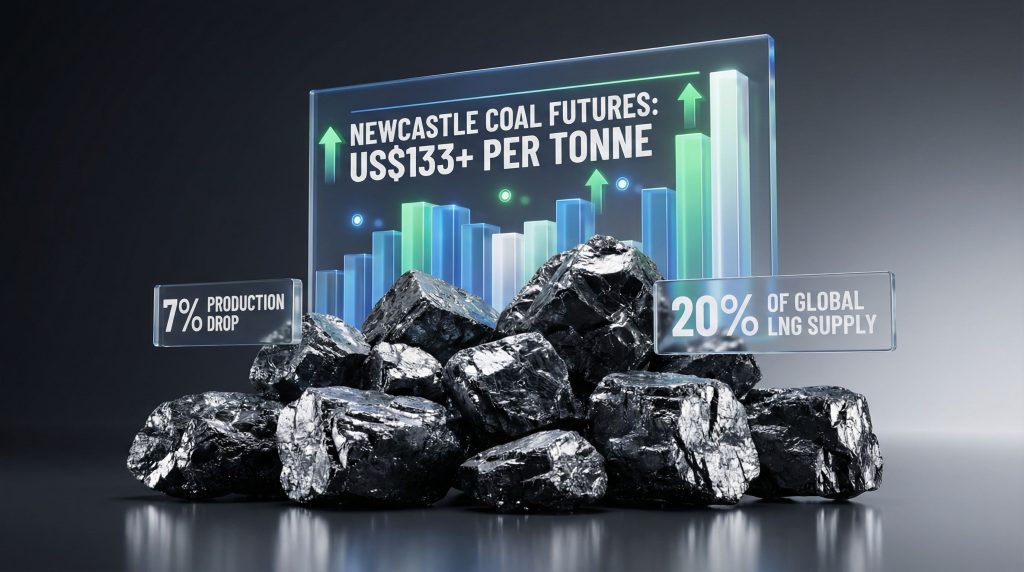
Qatar's liquefied natural gas export facilities represent approximately 20% of global LNG supply capacity, making any operational disruption immediately significant for international energy markets. The March 2, 2026 infrastructure damage from Iranian drone strikes created an overnight supply reduction that forced immediate fuel substitution decisions across European and Asian power generation sectors.
This event demonstrates why coal prices are suddenly surging during periods of natural gas supply uncertainty. Power generators cannot simply reduce electricity output when primary fuel sources become unavailable. Instead, they must rapidly source alternative fuels to maintain grid stability, creating immediate demand pressure on available substitutes.
However, the LNG import tax structure complications further exacerbate supply chain pressures during crisis periods. In addition, natural gas price trends indicate broader energy market volatility affecting procurement strategies.
Key Market Response Indicators:
- Newcastle coal futures increased 8.6% to US$128.70 per tonne on March 2, 2026
- Subsequent trading pushed prices above US$133 per tonne within one week
- Asian power utilities implemented emergency fuel switching protocols within 24 hours
- European energy traders began sourcing alternative supplies across multiple commodity markets
Supply Chain Vulnerabilities Across Energy Infrastructure
The rapid price movement following the Qatar incident illustrates critical vulnerabilities in global energy supply chains. Unlike manufactured goods that can substitute suppliers relatively easily, energy infrastructure requires specific fuel types with limited short-term alternatives.
Consequently, coal supply challenges become magnified during periods of alternative fuel disruption. Moreover, these infrastructure dependencies create systematic vulnerabilities that affect mining company performance across the sector.
Infrastructure Dependencies Include:
- LNG terminal capacity limitations affecting import flexibility
- Pipeline network constraints preventing rapid fuel source switching
- Coal transportation systems operating near capacity during peak demand
- Storage facility limitations requiring continuous supply chain coordination
Weather-related production disruptions compound these vulnerabilities by reducing available capacity precisely when demand increases. For instance, mining operations in major coal-producing regions face seasonal constraints that affect global supply availability during critical periods.
When big ASX news breaks, our subscribers know first
Understanding Sudden Coal Price Volatility Triggers
Coal price volatility operates through distinct mechanisms that differ significantly from other commodity markets. The combination of physical necessity, limited substitution options, and concentrated supply sources creates conditions where relatively small supply disruptions generate disproportionate price responses.
Emergency Fuel Switching Protocols
Power generation facilities maintain detailed emergency protocols for fuel switching scenarios, but these systems activate based on physical availability rather than cost considerations. When natural gas supplies face disruption, utilities implement predetermined coal procurement strategies that prioritize reliability over price optimization.
This procurement pattern explains why coal prices are suddenly surging rather than gradually during supply crises. Unlike normal market conditions where price sensitivity affects demand, emergency procurement operates under different decision-making frameworks focused on maintaining electrical grid stability.
Furthermore, the oil price rally dynamics demonstrate similar patterns across energy commodities during geopolitical uncertainty. However, coal's unique position as backup power generation fuel creates distinct market pressures.
Emergency Procurement Characteristics:
- Time-sensitive decision making requiring immediate fuel sourcing
- Price-inelastic demand during supply emergency conditions
- Limited supplier alternatives available for large-volume requirements
- Quality specifications restricting available coal grades and sources
Futures Market Dynamics During Crisis Events
Newcastle coal futures serve as the primary Asian benchmark for thermal coal pricing, making price movements in this market immediately relevant for producers across the Asia-Pacific region. The 8.6% single-day price increase on March 2, 2026, reflects both physical procurement pressure and financial market momentum.
Futures market participants include both physical coal suppliers and financial investors seeking commodity exposure. During geopolitical crises, speculative trading can amplify price movements beyond levels justified solely by physical supply-demand fundamentals.
Market Participant Categories:
- Physical coal miners hedging production output
- Power utilities securing future fuel supplies
- Trading companies managing supply chain risks
- Financial investors seeking commodity portfolio exposure
- Hedge funds capitalizing on volatility opportunities
Regional Market Pressures Amplifying Price Movements
Regional variations in coal quality, transportation infrastructure, and demand patterns create distinct pricing dynamics across global markets. Understanding these regional pressures helps explain why certain coal benchmarks respond more dramatically to supply disruptions than others.
Asian Pacific Coal Benchmark Performance
Newcastle coal futures function as the primary pricing benchmark for Asian thermal coal markets due to Australia's position as a major exporter and the port's strategic location relative to Asian demand centers. The recent surge to US$133+ per tonne represents the highest pricing level documented in over twelve months.
This benchmark pricing directly affects producers across multiple Australian regions, including operations in New South Wales, Queensland, and Western Australia. Companies with diversified geographic footprints can optimize production allocation based on regional price differentials and transportation costs.
Regional Production Characteristics:
- New South Wales: Hunter Valley operations with premium coal quality specifications
- Queensland: Bowen Basin mines providing both thermal and metallurgical coal
- Western Australia: Emerging production regions with developing export infrastructure
Transportation Infrastructure Constraints
Coal transportation systems operate with limited excess capacity, creating potential bottlenecks during periods of increased demand. Port facilities, rail networks, and shipping capacity must coordinate effectively to move increased volumes from mining operations to international customers.
However, according to industry analysis, global coal demand has reached a plateau and may decline by 2030, creating long-term infrastructure planning challenges.
During supply crises, transportation constraints can prevent producers from capitalising on elevated prices if infrastructure cannot handle increased throughput volumes.
Critical Infrastructure Components:
- Port loading facilities with specific capacity limitations
- Rail networks connecting mines to export terminals
- Shipping availability for international coal transportation
- Storage facilities managing inventory between production and export
Geopolitical Tensions Creating Energy Market Instability
Geopolitical events affecting energy infrastructure create immediate market responses due to the critical nature of energy supplies for economic stability. The interconnected nature of global energy markets means disruptions in one region rapidly affect pricing across multiple markets and commodity types.
Middle East Energy Infrastructure Vulnerabilities
The March 2, 2026 Iranian drone strikes targeting Qatar's LNG facilities demonstrate how concentrated energy infrastructure creates systemic risks for global markets. Qatar's 20% share of global LNG supply made this single incident immediately significant for energy markets worldwide.
Middle East energy infrastructure faces ongoing security risks due to regional tensions, making alternative energy sources increasingly valuable during periods of elevated geopolitical stress. Coal's role as an immediately available backup fuel becomes strategically important when primary energy sources face disruption.
Recent reports indicate that coal prices are surging as the Middle East energy shock drives fuel switching, highlighting the interconnected nature of global energy markets during crisis periods.
Geopolitical Risk Factors:
- Military actions targeting energy infrastructure
- Trade restrictions affecting energy commodity flows
- Diplomatic tensions impacting long-term supply agreements
- Regional conflicts disrupting transportation networks
Market Response Speed and Magnitude
The 8.6% single-day price increase in Newcastle coal futures illustrates how quickly energy markets respond to geopolitical disruptions. This response speed reflects both the critical nature of energy supplies and the limited short-term alternatives available when primary sources face interruption.
Financial markets often amplify these initial responses through momentum trading and speculative positioning. Understanding this dynamic helps investors distinguish between temporary price spikes and fundamental supply-demand shifts that may persist longer term.
Investment Implications for Coal-Exposed Securities
Coal price surges create immediate implications for mining company valuations, but the sustainability of elevated pricing levels remains uncertain. Investors must balance the benefits of increased commodity prices against risks associated with volatile geopolitical situations and potential demand substitution.
Valuation Analysis During Price Volatility
Yancoal Australia (ASX: YAL) provides a specific example of how coal price increases translate into equity market performance. The company's stock reached A$8.06 on March 15, 2026, representing its highest close in over twelve months and approximately 50% year-to-date gains.
This valuation level places the stock above all published analyst price targets, with consensus estimates around A$7.15 and the most bullish target at A$7.48. The premium to analyst targets suggests market expectations that elevated coal prices will persist longer than analysts currently anticipate.
Valuation Considerations:
| Metric | Current Level | Analyst Range |
|---|---|---|
| Stock Price | A$8.06 | A$7.15 – A$7.48 |
| Premium to Consensus | 12.7% | N/A |
| YTD Performance | +50% | N/A |
| 52-Week High | Yes | N/A |
Production Guidance and Earnings Impact
Yancoal raised its 2026 production guidance to 36.5-40.5 million tonnes across operations in New South Wales, Queensland, and Western Australia. This production increase, combined with elevated coal prices, creates potential for significant earnings enhancement compared to previous guidance periods.
The company's geographic diversification provides operational flexibility to optimise production allocation based on regional price differentials and transportation costs. Higher-grade coal deposits may receive priority development when prices justify increased extraction costs.
Dividend Policy During Commodity Price Cycles
The March 19, 2026 ex-dividend date for Yancoal's A$0.12 fully franked dividend creates short-term income considerations for current shareholders. However, dividend capture strategies during volatile pricing periods carry execution risks if stock prices decline following ex-dividend dates.
Coal companies typically adjust dividend policies based on sustainable cash flow levels rather than temporary price spikes. Consequently, investors should evaluate dividend yields based on normalised commodity price assumptions rather than current elevated levels.
Risk Assessment for Coal Market Investments
Investing during periods of elevated commodity prices requires careful risk assessment to distinguish between sustainable price increases and temporary spikes driven by specific events. Coal market investments face unique risks related to environmental policy, demand substitution, and geopolitical volatility.
Duration of Price Elevation Factors
The sustainability of current coal price levels depends on multiple factors beyond the initial geopolitical disruption. Resolution of Middle East tensions, alternative LNG supply availability, and seasonal demand patterns all influence whether elevated prices persist or normalise.
Key Duration Factors:
- Qatar LNG facility repair timelines affecting supply restoration
- Alternative LNG supplier capacity available for market substitution
- Weather patterns influencing renewable energy generation availability
- Policy responses potentially affecting long-term coal demand patterns
Substitution Risk Analysis
While coal serves as an emergency backup fuel during supply crises, longer-term demand faces substitution pressures from renewable energy sources and alternative fossil fuels. Investors must evaluate whether current demand increases represent temporary emergency procurement or structural demand growth.
Renewable energy capacity continues expanding globally, potentially reducing coal's role in power generation over multi-year periods. However, grid reliability requirements during extreme weather events maintain coal's importance as backup capacity.
Substitution Timeline Considerations:
- Short-term (0-6 months): Limited alternatives during supply emergencies
- Medium-term (6-24 months): Alternative fuel sources become available
- Long-term (2+ years): Renewable capacity expansion affects structural demand
The next major ASX story will hit our subscribers first
Strategic Investment Positioning During Volatility
Commodity price volatility creates both opportunities and risks for equity investors. Successful positioning requires understanding the difference between temporary price spikes and sustainable commodity cycle improvements that justify higher equity valuations.
Entry Point Optimisation Strategies
Current Yancoal valuations above analyst consensus suggest patience may benefit new investors seeking exposure to coal price movements. A potential pullback toward A$6.90-A$7.10 would align valuations with analyst targets while maintaining upside exposure to sustained commodity strength.
Strategic Entry Considerations:
- Technical analysis of support levels during price corrections
- Fundamental valuation relative to normalised commodity price assumptions
- Risk tolerance for geopolitical volatility affecting underlying commodity prices
- Portfolio allocation limits for single commodity exposure
Profit-Taking Decision Framework
Current holders face decisions about maintaining exposure above consensus price targets. The combination of elevated stock valuations and uncertain geopolitical developments suggests considering partial position reductions to manage concentration risk.
Profit-Taking Triggers:
- Valuation metrics exceeding fundamental analysis support
- Geopolitical developments indicating potential crisis resolution
- Technical indicators suggesting momentum exhaustion
- Portfolio allocation becoming overweighted in single positions
Diversification Beyond Single Commodity Exposure
Coal price volatility demonstrates the importance of diversified commodity exposure rather than concentration in single resource types. Alternative energy commodities, base metals, and precious metals provide portfolio diversification benefits during volatile periods.
Diversification Options:
- Base metals (copper, zinc) with infrastructure demand drivers
- Battery materials (lithium, cobalt) supporting renewable energy growth
- Precious metals (gold, silver) providing portfolio stability during uncertainty
- Energy transition commodities supporting long-term demand themes
Investment Disclaimer: This analysis is for educational purposes only and does not constitute personalised investment advice. Commodity investments carry significant risks including price volatility, geopolitical factors, and regulatory changes. Past performance does not guarantee future results. Investors should conduct independent research and consider consulting qualified financial professionals before making investment decisions. The information contained herein may not be suitable for all investors and individual circumstances vary significantly.
Looking to Capitalise on Coal Market Volatility?
Discovery Alert's proprietary Discovery IQ model delivers real-time alerts on significant ASX mineral discoveries, instantly empowering subscribers to identify actionable opportunities ahead of the broader market during periods of commodity price volatility. Explore historic discoveries that have generated substantial returns or begin your 14-day free trial today to position yourself ahead of market-moving announcements.