
August 14, 2026
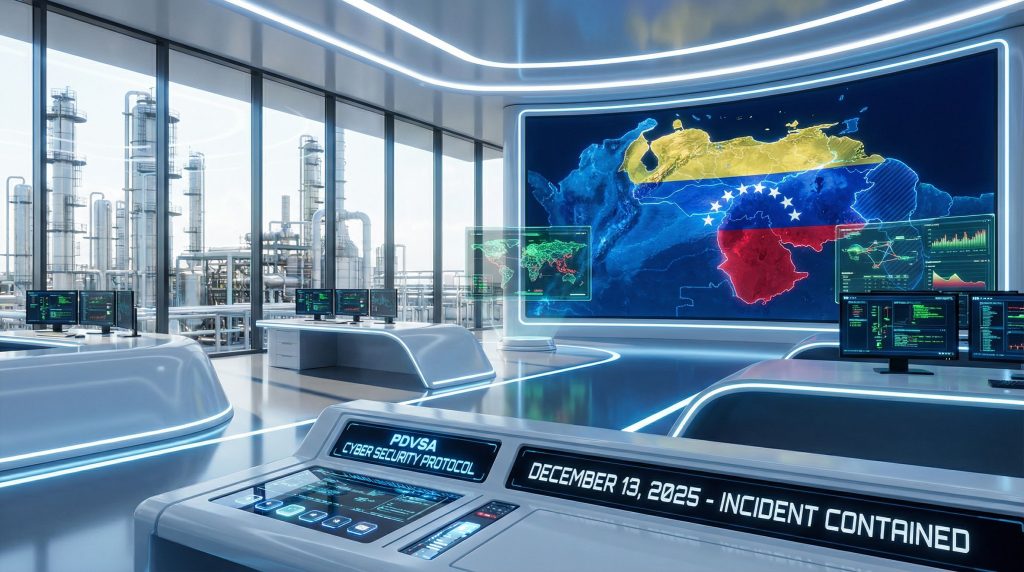
Critical Infrastructure Vulnerabilities in Modern Energy Networks
State-owned energy enterprises operate within complex regulatory environments where cyber security threats have evolved beyond traditional IT concerns into sophisticated attacks targeting operational technology systems. These energy transition challenges compound existing vulnerabilities as legacy industrial control systems integrate with internet-connected networks, creating attack vectors that regulatory frameworks struggle to address effectively.
Energy sector operators must navigate a challenging landscape where operational technology (OT) and information technology (IT) systems require different security approaches. Consequently, while IT networks can be regularly updated and replaced, OT systems controlling refineries and production facilities often run on decades-old software that cannot be easily patched without disrupting operations.
Key vulnerability areas include:
- Supervisory Control and Data Acquisition (SCADA) systems with limited encryption
- Human Machine Interface (HMI) terminals accessing critical production controls
- Industrial Internet of Things (IIoT) devices transmitting unencrypted operational data
- Legacy communication protocols lacking modern authentication standards
- Network segmentation gaps allowing lateral movement between systems
Furthermore, regulatory compliance in the energy sector varies significantly across jurisdictions, with many national frameworks developed before modern cyber threats emerged. The North American Electric Reliability Corporation (NERC) Critical Infrastructure Protection (CIP) standards provide comprehensive guidelines for electrical utilities, however oil and gas operators often face less standardised requirements.
Modern energy security issues have become increasingly complex as cybersecurity threats to energy infrastructure continue to evolve alongside technological advancements.
When big ASX news breaks, our subscribers know first
PDVSA December 2025 Incident Analysis
The December 13, 2025 cyber attack on Venezuela's state oil company PDVSA demonstrated both the vulnerabilities and resilience mechanisms built into modern energy infrastructure. The incident began when company systems detected a computer virus that systematically erased information across the network, prompting immediate activation of pdvsa cyber attack containment protocols.
PDVSA's response revealed sophisticated system architecture designed to protect critical operations. The attack primarily affected administrative and information management systems while leaving production control systems largely intact, suggesting effective network segmentation between operational and business functions.
Timeline of the PDVSA cyber incident:
- December 13, 2025 (Morning): Initial detection of virus propagation across company networks
- December 13, 2025 (Midday): Emergency protocols activated; workers instructed to avoid computer systems
- December 13, 2025 (Afternoon): Assessment revealed focus on Oriente Norte division infrastructure
- December 15, 2025: Public disclosure confirmed containment with maintained export operations
The Oriente Norte division houses critical infrastructure including multiple pipeline networks, refining facilities, and Orinoco Belt extra-heavy crude upgrading complexes. Despite the cyber attack's focus on this region, production and export commitments continued without interruption, indicating robust operational continuity measures.
Emergency response procedures implemented during the incident followed established Venezuelan energy security protocols. Workers received explicit instructions to avoid activating work computers while technical teams assessed the scope and nature of the attack, demonstrating pre-planned incident response coordination.
Geopolitical Context of Energy Cyber Warfare
The intersection of cyber security threats and geopolitical tensions creates unique challenges for energy companies operating under sanctions regimes. Venezuelan energy infrastructure exists within a complex web of international restrictions that limit access to advanced cyber security technologies whilst simultaneously increasing the likelihood of state-sponsored attacks.
US sanctions against Venezuela's energy sector, implemented progressively since 2019, have restricted PDVSA's ability to procure modern cyber security solutions from Western technology providers. This technological isolation forces reliance on alternative suppliers and potentially less secure systems, creating additional vulnerabilities in critical infrastructure.
Sanctions impact on cyber security capabilities:
| Restriction Area | Operational Impact | Security Implications |
|---|---|---|
| Technology procurement | Limited access to advanced security software | Reliance on legacy protection systems |
| Technical support | Reduced vendor assistance for security updates | Delayed patch deployment |
| Training programs | Restricted access to international certification | Skills gaps in modern threat detection |
| Intelligence sharing | Exclusion from industry threat information networks | Reduced early warning capabilities |
Recent escalations in US-Venezuela tensions, particularly the December 10, 2025 seizure of the oil tanker Skipper carrying Venezuelan crude, illustrate how enforcement actions can coincide with infrastructure attacks. Moreover, cybersecurity challenges in offshore operations have become increasingly sophisticated in recent years.
While direct attribution remains challenging, the timing suggests potential coordination between diplomatic pressure and cyber operations. The legal framework governing cyber attacks on energy infrastructure involves multiple international conventions, including the Tallinn Manual on cyber warfare and various United Nations resolutions.
However, these frameworks provide limited recourse for state-owned enterprises operating under sanctions regimes. Additionally, the oil price rally under tariffs creates additional economic pressures on energy infrastructure operators.
Emergency Response and Policy Coordination
Venezuela's response to the PDVSA cyber attack demonstrated sophisticated inter-agency coordination mechanisms developed specifically for critical infrastructure protection. The activation of emergency protocols within hours of detection suggests pre-established procedures linking energy security with national defense priorities.
Vice President Rodriguez's direct involvement in coordinating the response reflects the high-level political attention given to energy infrastructure security in Venezuela. This centralised command structure enables rapid decision-making but also highlights the political sensitivity surrounding energy operations.
Government response framework:
- Immediate Assessment: Technical teams deployed to evaluate attack scope and impact
- Operational Continuity: Production units maintained under manual control protocols
- Partner Coordination: Communication with joint venture partners to ensure minimal disruption
- Public Communication: Controlled disclosure balancing transparency with security concerns
The response revealed sophisticated understanding of modern cyber warfare tactics, including the need to isolate affected systems while maintaining operational capacity. Workers operating under emergency protocols demonstrated extensive training in manual backup procedures for critical operations.
International legal implications of the attack remain complex, particularly regarding attribution and response mechanisms. Venezuela's limited diplomatic relationships constrain options for formal complaints through international bodies, while sanctions restrictions limit access to international cyber security assistance.
Crisis Communication Strategies
The pdvsa cyber attack containment efforts required careful communication management to maintain stakeholder confidence whilst preserving operational security. Government officials balanced transparency requirements with the need to protect sensitive technical details about system vulnerabilities.
Operational Resilience in Critical Energy Infrastructure
PDVSA's ability to maintain export commitments during the cyber attack demonstrates the effectiveness of operational technology (OT) and information technology (IT) system segregation. This architectural approach, increasingly common in critical infrastructure, ensures that administrative system compromises cannot directly impact production operations.
Modern energy facilities typically employ multiple layers of operational protection, including air-gapped networks for critical control systems, redundant communication pathways, and manual backup procedures. These measures proved essential during the December incident when automated systems required shutdown for security assessment.
System architecture protection levels:
- Level 0: Field devices and sensors with direct physical protection
- Level 1: Local control systems with isolated network access
- Level 2: Supervisory control with limited external connectivity
- Level 3: Operations management with controlled internet access
- Level 4: Business systems with standard IT security protocols
Chevron's continued operations through four joint ventures with PDVSA, including two facilities in the affected Oriente Norte region, illustrate how operational partnerships can provide additional resilience. These joint ventures maintain independent control systems while sharing production infrastructure, creating redundancy in critical operations management.
The maintenance of domestic fuel distribution throughout the incident demonstrates robust supply chain protection mechanisms. Venezuelan consumers experienced no disruptions to gasoline or diesel availability, indicating effective separation between cyber attack impacts and physical distribution networks.
Furthermore, natural gas price trends continue to influence operational decisions across the energy sector, creating additional considerations for infrastructure protection strategies.
Regulatory Compliance During Crisis Management
PDVSA's handling of the cyber incident followed Venezuelan Corporate Transparency Requirements mandating public disclosure within 48 hours of events affecting operational capacity. This regulatory framework balances stakeholder information needs with operational security considerations during active threats.
Energy sector regulators globally have developed increasingly sophisticated requirements for cyber incident reporting, recognising the systemic risks posed by attacks on critical infrastructure. The Venezuelan approach emphasises rapid containment over detailed attribution, prioritising operational recovery over investigative procedures.
Compliance obligations during cyber incidents:
| Regulatory Requirement | PDVSA Response | Timeline |
|---|---|---|
| Initial incident notification | Internal emergency protocols activated | Within 2 hours |
| Partner communication | Joint venture operators informed | Within 6 hours |
| Operational assessment | Production capacity evaluation completed | Within 12 hours |
| Public disclosure | Media briefing on containment efforts | Within 48 hours |
| Regulatory filing | Formal incident report submitted | Within 7 days |
The incident revealed tensions between transparency requirements and operational security needs. While public disclosure helps maintain market confidence and regulatory compliance, detailed technical information about vulnerabilities could enable future attacks.
Venezuelan energy security regulations require state-owned enterprises to maintain operational capacity during national emergencies, including cyber attacks. PDVSA's success in meeting these obligations despite significant system compromises demonstrates effective emergency planning and preparation.
Regulatory Reporting Standards
The pdvsa cyber attack containment procedures followed established protocols that prioritise operational continuity whilst meeting disclosure requirements. These standards have evolved to address the unique challenges posed by cyber threats to critical infrastructure.
The next major ASX story will hit our subscribers first
Governance Lessons for State-Owned Energy Enterprises
The PDVSA cyber incident provides valuable insights into governance structures required for managing technology risks in politically sensitive environments. State-owned enterprises face unique challenges balancing commercial operational needs with national security considerations during cyber emergencies.
Board-level cyber security governance has become essential for energy companies, requiring directors with technical expertise capable of understanding operational technology risks. The rapid response to the PDVSA attack suggests well-established escalation procedures linking technical teams with senior management and government officials.
Critical governance elements for NOC cyber security:
- Executive leadership with operational technology background
- Board committees specifically focused on cyber risk oversight
- Regular cyber security drills involving government coordination
- Incident response procedures integrating national security protocols
- Investment authorisation for security infrastructure separate from commercial systems
Risk management frameworks for state-owned enterprises must account for geopolitical factors that private companies rarely face. Sanctions restrictions, diplomatic tensions, and potential state-sponsored attacks create threat landscapes requiring specialised governance approaches.
The incident highlighted the importance of maintaining operational expertise during cyber emergencies. While automated systems faced compromise, experienced operators maintained production through manual procedures, emphasising human capital as a critical security asset.
Technology sovereignty considerations become paramount for state-owned enterprises operating under international restrictions. PDVSA's experience demonstrates the need for domestic technical capabilities when external support becomes unavailable due to political constraints.
Regional Energy Security Implications
The PDVSA cyber attack carries significant implications for Caribbean energy security, given Venezuela's role as a major supplier to regional markets. The incident's successful containment prevented disruptions to fuel exports that could have affected energy prices across the Caribbean basin.
Regional energy cooperation frameworks, including the PetroCaribe alliance, face increased vulnerability assessment requirements following the December incident. Member nations dependent on Venezuelan energy supplies must develop contingency plans for supply disruptions caused by cyber attacks rather than traditional operational problems.
Caribbean energy supply vulnerabilities:
- Barbados: 40% of refined products from Venezuelan sources
- Jamaica: 25% of electricity generation fuel from PDVSA contracts
- Dominican Republic: 30% of heavy fuel oil imports from Venezuelan refineries
- Trinidad: Regional distribution hub for Venezuelan crude processing
OPEC member coordination on cyber security has intensified following recent attacks on member state infrastructure. The organisation's Secretariat has developed information-sharing protocols for threat intelligence while respecting individual member sovereignty over security responses.
Latin American energy cooperation faces new challenges as cyber threats increasingly target state-owned enterprises. The Union of South American Nations (UNASUR) energy council has initiated discussions on collective cyber defence mechanisms for critical infrastructure protection.
The incident demonstrates how regional energy security extends beyond traditional supply and demand factors to include technological infrastructure protection. Energy-importing nations must consider cyber resilience when evaluating supply contract terms with state-owned exporters.
Best Practices for National Oil Company Security
Modern cyber security frameworks for national oil companies require specialised approaches that account for the unique operational and political environments these enterprises face. The PDVSA incident demonstrates both effective practices and areas requiring improvement in NOC security architecture.
Network segmentation represents the most critical technical control for energy infrastructure protection. Effective implementation requires physical air gaps between operational technology systems and business networks, with carefully controlled communication channels for essential data transfer.
Recommended security architecture elements:
- Operational Technology Networks: Completely isolated from internet connectivity
- Demilitarised Zones (DMZ): Controlled interface points for necessary external communication
- Business Networks: Standard enterprise security with enhanced monitoring
- Emergency Networks: Backup communication systems independent of primary infrastructure
- Mobile Device Management: Strict controls on personal devices accessing company systems
Multi-layered defence strategies prove essential when facing sophisticated state-sponsored attacks. Technical controls must combine with procedural safeguards and human expertise to create resilient protection frameworks.
Regular cyber security assessments specifically designed for industrial control systems help identify vulnerabilities before attackers exploit them. These assessments require specialised expertise in operational technology systems rather than traditional IT security approaches.
In addition, international cooperation mechanisms provide valuable threat intelligence despite political constraints. Energy companies benefit from participation in industry information-sharing organisations, even when broader diplomatic relationships face restrictions.
Furthermore, implementing a comprehensive critical minerals strategy becomes crucial for maintaining supply chain security in critical infrastructure operations.
Regulatory Recommendations for Energy Sector Oversight
Energy regulators worldwide must adapt oversight frameworks to address the evolving cyber threat landscape facing critical infrastructure operators. The PDVSA incident highlights gaps between traditional operational safety regulations and modern cyber security requirements.
Mandatory cyber security audits for critical infrastructure operators should become standard regulatory practice, conducted by qualified assessors with operational technology expertise. These audits must evaluate both technical controls and incident response capabilities.
Regulatory framework enhancements:
- Annual Security Assessments: Comprehensive evaluation of cyber controls and procedures
- Incident Response Testing: Regular drills involving government coordination mechanisms
- Technology Standards: Minimum security requirements for operational technology systems
- Information Sharing: Protected channels for threat intelligence distribution
- Recovery Planning: Detailed procedures for restoring operations after cyber incidents
Cross-border information sharing protocols enable early warning systems for threats targeting multiple jurisdictions. Energy regulators should establish formal channels for sharing technical threat indicators while respecting national security classifications.
Emergency response coordination between public and private sectors requires clear protocols developed before incidents occur. The Venezuelan response's effectiveness stemmed from pre-established procedures linking company operations with government security agencies.
Investment incentives for cyber security infrastructure help overcome the tendency to prioritise production capacity over protection systems. Regulators should consider security investment requirements when approving major capital projects.
International Coordination Frameworks
The pdvsa cyber attack containment experience demonstrates the importance of international cooperation in addressing cyber threats to energy infrastructure. Regulatory bodies must develop frameworks that facilitate information sharing whilst respecting national sovereignty concerns.
Future Regulatory and Policy Challenges
Energy sector cyber security regulation faces fundamental challenges in balancing transparency requirements with operational security needs. The PDVSA incident illustrates tensions between stakeholder information demands and the need to protect sensitive infrastructure details.
Defining state responsibility for cyber attacks on energy infrastructure requires new international legal frameworks. Current treaties provide insufficient guidance for attribution standards and proportional response mechanisms when critical infrastructure faces attack.
Emerging regulatory challenges:
- Cross-Border Jurisdiction: Determining applicable law when attacks cross national boundaries
- Private-Public Coordination: Balancing commercial interests with national security requirements
- Technology Standards: Developing security requirements for rapidly evolving operational technology
- Information Classification: Protecting sensitive infrastructure data while enabling oversight
- International Cooperation: Facilitating threat intelligence sharing despite political tensions
The development of international norms for energy sector cyber conduct requires consensus among major producer and consumer nations. These norms must address both state-sponsored attacks and the responsibilities of host nations to protect critical infrastructure.
Regulatory frameworks must evolve to address the increasing integration of renewable energy sources, which introduce new cyber vulnerabilities through distributed generation systems and smart grid technologies. Traditional centralised security models may prove inadequate for future energy networks.
The successful pdvsa cyber attack containment provides valuable lessons for developing more resilient regulatory frameworks that can adapt to evolving cyber threats whilst maintaining operational effectiveness in critical energy infrastructure.
This analysis is based on publicly available information and industry best practices. Specific technical details about energy infrastructure security measures are intentionally limited to prevent potential misuse by threat actors. Readers should consult qualified cyber security professionals for guidance on implementing protective measures for critical infrastructure.
Ready to Stay Ahead of Energy Infrastructure Risks?
Discovery Alert's proprietary Discovery IQ model delivers real-time alerts on significant mineral discoveries across the ASX, helping investors identify companies with robust operational foundations before major price movements occur. Explore Discovery Alert's historic discoveries to understand how infrastructure-focused mining companies have generated substantial returns for early investors, then begin your 30-day free trial today to position yourself ahead of the market.