June 6, 2026
Understanding Critical Materials Supply Chain Transformation in North American Markets
North American industrial sectors increasingly recognise the strategic vulnerability inherent in concentrated supply chains for specialty metals essential to aerospace, defence, and high-technology manufacturing. This recognition has accelerated efforts to establish domestic processing capabilities for critical materials previously sourced exclusively from international suppliers. The complexity of these supply chains extends beyond simple geographic diversification, encompassing metallurgical expertise, quality certification standards, and integrated production capabilities that span from raw material processing to finished specialty products.
The transformation of these supply networks reflects broader shifts in global trade dynamics, regulatory frameworks emphasising supply security, and technological demands requiring consistent access to high-performance materials. Companies pursuing North American expansion must navigate intricate technical requirements while establishing operational footprints capable of serving demanding industrial applications across multiple sectors simultaneously.
When big ASX news breaks, our subscribers know first
Strategic Market Entry Drivers for Specialty Metals Processing
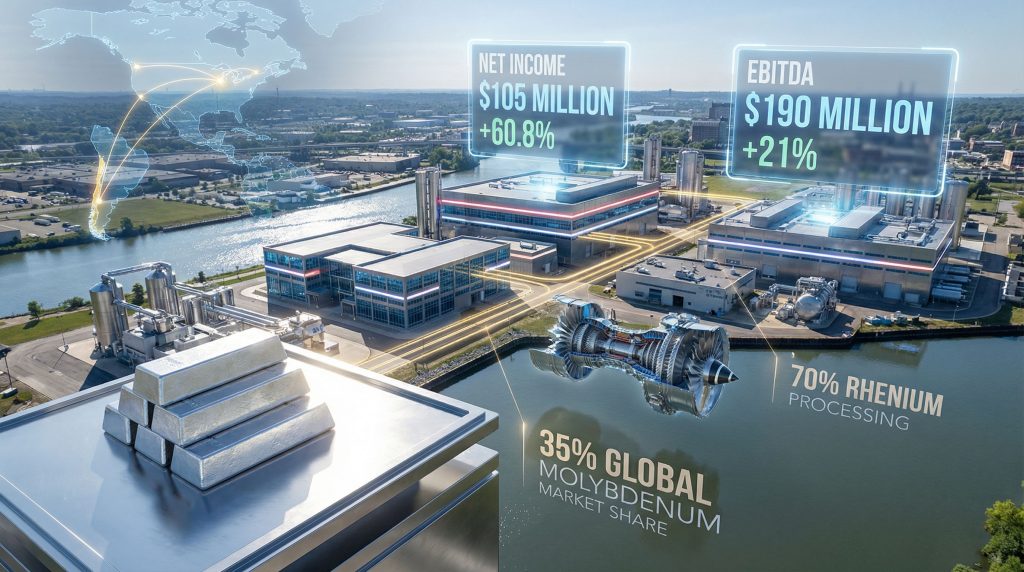
Molymet expansion in United States represents a calculated response to evolving market conditions that favour domestic processing capabilities for critical materials. The company's 2025 financial performance demonstrates the underlying strength supporting this strategic expansion, with net income reaching US$105 million, representing a substantial 60.8% increase compared to 2024's US$65 million baseline. This performance foundation enabled the company to pursue international expansion while maintaining strong operational metrics.
The company's EBITDA increased to US$190 million in 2025, reflecting 21% growth from the previous year's US$157 million. Revenue generation totalled US$2.473.8 billion, driven primarily by increased sales volumes rather than commodity price appreciation. According to Edgar Pape Arellano, President and Chief Executive Officer, "these results reflect an organisation that has gained solidity, capacity for adaptation and focus on execution, demonstrating progress in new routes of growth".
Critical Materials Supply Chain Vulnerabilities
North American dependence on imported molybdenum and rhenium creates strategic vulnerabilities across multiple industrial sectors. Defence and aerospace applications require materials meeting stringent quality specifications, with supply chain disruptions potentially affecting critical manufacturing timelines. The concentration of global processing capabilities in specific geographic regions amplifies these risks, particularly during periods of international trade policy uncertainty.
Furthermore, strategic materials stockpiling requirements established by defence procurement agencies emphasise the importance of domestic processing capabilities. These requirements extend beyond simple material availability to encompass quality certification standards, security clearance protocols, and technical support capabilities essential for defence contractor compliance.
The company operates production facilities across Chile, Mexico, Belgium, and Germany, with the proposed Cleveland facility representing the fifth international location. This geographic diversification model provides operational experience applicable to North American market entry while establishing precedents for regulatory compliance and customer relationship management.
Market Positioning Against Global Competition
Molymet expansion in United States positions the company to compete directly within North American specialty metals markets while leveraging existing global operational expertise. The competitive landscape for molybdenum and rhenium processing involves companies with varying degrees of vertical integration, geographic presence, and technological capabilities.
Value chain integration opportunities emerge from combining raw material processing expertise with finished product manufacturing capabilities. This integration model typically generates higher margins compared to concentrate processing alone, while providing greater control over product quality and delivery timelines essential for demanding applications.
In addition, the timing of this expansion coincides with elevated global discussion regarding supply chain resilience, particularly following international trade policy shifts affecting metal supply chains. Companies establishing domestic processing capabilities gain competitive advantages through reduced lead times, enhanced customer proximity, and improved regulatory compliance positioning.
Industrial Sector Applications for Advanced Metals Processing
The Cleveland operations target multiple industrial sectors requiring consistent access to high-performance specialty materials. These sectors demonstrate varying demand patterns, quality requirements, and supply chain characteristics that influence facility design and operational priorities.
Aerospace and Defence Applications
Rhenium applications in jet engine superalloys represent one of the most technically demanding uses for specialty metals in aerospace manufacturing. Modern commercial jet engines operate at temperatures exceeding 1,000 degrees Celsius in turbine sections, where superalloys containing rhenium maintain structural integrity and fatigue resistance under extreme conditions.
The aerospace industry requires materials meeting rigorous quality specifications, with traceability documentation extending throughout the manufacturing process. However, domestic production capabilities enhance supply security while ensuring compliance with International Traffic in Arms Regulations (ITAR) requirements affecting defence applications.
Temperature-resistant applications in military hardware depend on consistent material properties achievable through controlled processing environments. The establishment of US-based processing capabilities addresses supply chain security concerns while providing technical support capabilities essential for custom alloy development and application engineering.
Defence procurement requirements increasingly emphasise domestic sourcing advantages, particularly for classified programmes requiring security clearances and controlled access protocols. Buy American Act provisions create competitive advantages for US-based processors serving defence contractor requirements.
High-Technology Manufacturing Impact
Semiconductor industry applications for molybdenum encompass multiple manufacturing processes, including interconnect layers, barrier metals, and contact materials. These applications require materials meeting precise purity specifications, with processing quality directly affecting semiconductor device performance and reliability.
Process nodes in advanced semiconductor manufacturing utilise molybdenum for specific technical advantages over alternative materials, particularly in high-frequency applications and specialised device architectures. Annual consumption patterns vary with technology transitions and manufacturing capacity expansions across North American semiconductor facilities.
Medical device manufacturing applications require specialty alloys meeting biocompatibility standards while providing mechanical properties suitable for surgical instruments and implantable devices. Quality certification requirements for medical applications encompass ISO 13485 standards and FDA regulatory compliance protocols.
Energy sector specialised alloy demands include applications in power generation equipment, renewable energy systems, and industrial processing equipment operating under demanding environmental conditions. These applications require materials balancing cost considerations with performance requirements across extended operational lifetimes, particularly in critical minerals energy transition sectors.
Acquisition Strategy and Business Model Evolution
The strategic acquisition supporting Molymet expansion in United States represents a fundamental shift from concentrate processing toward finished product manufacturing. This transformation addresses market demands for value-added products while establishing capabilities for custom alloy development and application-specific solutions.
Vertical Integration Strategy Analysis
The transition from concentrate processing to finished alloy production requires significant operational expansion encompassing alloy formulation capabilities, specialised manufacturing equipment, and quality control protocols appropriate for finished products. This vertical integration model typically generates higher margins compared to raw material processing alone.
Margin enhancement through value-added manufacturing reflects industry economics where specialty product manufacturers often achieve 20-35% EBITDA margins compared to 5-15% margins typical of commodity concentrate processors. The Cleveland facility acquisition provides access to established manufacturing capabilities, customer relationships, and technical expertise essential for this transition.
Technology transfer benefits include access to specialised metallurgical processes, alloy formulation knowledge, and manufacturing protocols developed specifically for demanding applications. This expertise complements existing concentrate processing capabilities while enabling product portfolio expansion.
Integration with existing Chilean operations requires coordination of supply chains, quality control standards, and technical specifications across multiple facilities. The company's operational experience managing international facilities provides relevant experience for this integration challenge.
Production Capacity and Market Positioning
Cleveland facility capabilities encompass alloy formulation, melting, refining, and casting procedures required for finished product manufacturing. The facility's location within North American industrial centres provides logistical advantages for serving aerospace, defence, and technology sector customers.
Quality standards and certification requirements for finished products exceed those applicable to concentrate processing, encompassing aerospace quality standards (AS9100), defence contractor requirements, and specialised certifications for medical device applications. These certifications provide competitive differentiation while enabling access to premium market segments.
The facility acquisition includes established customer relationships, technical support capabilities, and market positioning within North American specialty metals markets. This established presence accelerates market entry while reducing customer acquisition costs and relationship development timelines.
Strategic Partnership Development for Market Expansion
Partnership strategies supporting Molymet expansion in United States encompass joint ventures, technology sharing agreements, and market development collaborations designed to enhance competitive positioning while sharing development risks and capital requirements.
Why Is Rhenium Recycling Important for Market Dynamics?
Growing aerospace scrap processing opportunities reflect increasing emphasis on circular economy principles within specialty metals markets. Rhenium recycling from used aerospace components provides feedstock for alloy production while addressing supply security concerns through domestic material recovery.
The aerospace industry generates substantial quantities of rhenium-containing scrap through engine maintenance, component replacement, and aircraft retirement cycles. Establishing processing capabilities for this recycling stream creates additional revenue opportunities while supporting customer sustainability objectives.
Partnership structures for recycling operations typically involve risk-sharing arrangements addressing material acquisition costs, processing yields, and market price volatility. Joint venture models provide access to specialised expertise while distributing capital requirements across multiple participants.
Facility Location Strategy and Regulatory Considerations
Location decisions for processing facilities balance feedstock availability, customer proximity, transportation costs, and regulatory approval requirements. Cleveland's industrial infrastructure and workforce provide advantages for specialty metals processing while offering access to major aerospace and defence industry customers.
Regulatory approval pathways for specialty metals processing encompass environmental permits, safety certifications, and industry-specific compliance requirements. The established facility acquisition approach accelerates regulatory approval timelines compared to greenfield facility development.
Logistics optimisation considerations include transportation costs for raw materials, finished products, and recycled feedstock. Proximity to major industrial centres reduces delivery times while enabling just-in-time inventory management for customers with demanding production schedules.
Financial Performance Metrics and Expansion Success Indicators
The financial foundation supporting Molymet expansion in United States reflects strong operational performance across existing facilities, providing capital availability and cash flow stability essential for international expansion investments.
2025 Performance Indicators
| Financial Metric | 2025 Result | Year-over-Year Change | Performance Driver |
|---|---|---|---|
| Net Income | US$105 million | +60.8% | Operational efficiency |
| EBITDA | US$190 million | +21% | Volume growth |
| Revenue | US$2.473.8 billion | Volume-driven | Market expansion |
| Base Year (2024) | US$65 million | Recovery foundation | Operational improvements |
Volume-driven growth characterised 2025 performance rather than commodity price appreciation, indicating operational efficiency improvements and market share expansion. This performance foundation provides financial flexibility for expansion investments while maintaining strong balance sheet metrics.
The company attributed results to efficient operational management, organisational strengthening, and pursuit of new business opportunities in an international environment characterised by market volatility, supply chain restrictions, and changing tariff regimes.
Investment Returns and Expansion Funding
US market entry cost-benefit analysis encompasses acquisition costs, integration expenses, and operational development requirements balanced against projected revenue growth and margin enhancement opportunities. The established facility acquisition approach typically provides faster payback periods compared to greenfield development.
Capital allocation between domestic and international operations requires balancing growth opportunities with operational cash flow generation from existing facilities. The company's diversified geographic presence provides operational cash flow stability supporting expansion investments.
Expected return on investment timelines for North American operations typically range from 5-7 years for specialty metals processing facilities, depending on capacity utilisation rates, product mix evolution, and market development success. Established facility acquisitions often achieve positive cash flow within 2-3 years.
The next major ASX story will hit our subscribers first
Global Market Conditions and Strategic Positioning
International market conditions significantly influence the timing and structure of Molymet expansion in United States, with trade policy developments, supply chain disruptions, and demand pattern changes affecting strategic positioning decisions.
Supply Chain Disruption Mitigation
Trade restriction impacts on specialty metals create competitive advantages for domestic processing capabilities, particularly in defence and aerospace applications requiring supply chain security. Recent international trade policy shifts have emphasised the strategic importance of domestic processing capabilities for critical materials, especially considering ongoing US-China trade tensions.
Tariff considerations affect the competitive positioning of domestic processing versus imported finished products. Domestic production capabilities provide natural protection against import tariffs while offering customers supply chain security and reduced regulatory compliance complexity, particularly as tariffs impact investments across industrial sectors.
Geopolitical risk diversification through multi-country operations reduces exposure to single-country political, regulatory, or economic disruptions. The company's operational experience across multiple jurisdictions provides relevant expertise for managing these diversification benefits, including considerations around the US uranium import ban.
Demand Forecasting and Market Trends
Aerospace industry recovery and growth projections support demand expectations for specialty metals, particularly as commercial aviation activity returns to pre-pandemic levels and defence spending maintains elevated levels. Long-term aerospace market growth projections indicate sustained demand for high-performance materials.
Defence spending impacts on specialty alloy demand reflect continued emphasis on advanced military technology requiring materials with superior performance characteristics. Multi-year defence procurement cycles provide demand visibility supporting capital investment decisions.
Clean energy technology material requirements create additional demand drivers for specialty metals, particularly in wind turbine components, solar panel manufacturing equipment, and energy storage system applications requiring corrosion resistance and high-temperature performance. This aligns with broader North American mining trends focusing on clean energy infrastructure.
Competitive Advantages Through Domestic Operations
Establishing processing capabilities within North American markets provides multiple competitive advantages extending beyond simple supply chain security to encompass customer service enhancement, regulatory compliance benefits, and technical support capabilities.
Customer Proximity and Service Enhancement
Reduced lead times for North American clients address critical customer requirements for just-in-time inventory management and rapid response to specification changes. Aerospace and defence customers particularly value supply chain responsiveness given the technical complexity and schedule sensitivity of their applications.
Technical support and customisation capabilities benefit from geographic proximity enabling face-to-face collaboration on alloy development, application engineering, and quality troubleshooting. These relationships provide competitive differentiation while creating barriers to customer switching.
Just-in-time delivery optimisation reduces customer inventory carrying costs while improving manufacturing efficiency. Domestic processing capabilities enable smaller batch sizes and more frequent deliveries aligned with customer production schedules.
Regulatory and Compliance Benefits
ITAR compliance for defence applications requires US-based processing capabilities for materials used in classified programmes or exported military equipment. Domestic operations eliminate regulatory complications associated with international material transfers while enabling security clearance access for personnel.
Buy American Act positioning provides competitive advantages in government procurement while supporting customer compliance with federal contracting requirements. These advantages often outweigh cost considerations for government contractors requiring domestic sourcing.
Environmental and safety standard alignment with US regulatory frameworks simplifies compliance management while ensuring consistent operational standards across facilities. Established facility acquisitions typically include existing permits and compliance histories reducing regulatory approval timelines.
Future Expansion Opportunities and Strategic Development
The Cleveland facility acquisition establishes a foundation for additional expansion opportunities within North American markets while providing operational experience applicable to further international growth initiatives.
Additional US Market Penetration
Potential secondary processing facilities could address regional customer concentrations or specialised application requirements not efficiently served from Cleveland operations. West Coast locations might serve aerospace customers while Gulf Coast facilities could target petrochemical and energy sector applications.
Research and development centre establishment could enhance technical capabilities while providing customer collaboration facilities for alloy development and application engineering. These centres support premium positioning while creating intellectual property advantages.
Strategic acquisition targets in specialty metals include companies with complementary product portfolios, customer relationships, or technical capabilities supporting market expansion objectives. The North American specialty metals sector includes numerous potential acquisition candidates with established market positions.
Technology Development and Innovation
Advanced alloy development capabilities encompass research partnerships with universities, national laboratories, and industry consortiums focused on next-generation materials for aerospace, defence, and energy applications. These partnerships provide access to emerging technologies while sharing development costs and risks.
Additive manufacturing material applications represent growing market opportunities for specialty metals, particularly in aerospace applications requiring complex geometries and weight optimisation. Processing capabilities for additive manufacturing feedstock require specialised quality control and particle size distribution management.
Sustainability and recycling technology advancement addresses growing customer requirements for circular economy solutions while potentially reducing raw material costs through increased recycling yields and process efficiency improvements. Plasma atomisation technology represents a key area of development for advanced powder production capabilities.
Global Market Impact and Industry Transformation
Molymet expansion in United States contributes to broader transformation of global molybdenum and rhenium markets by reducing geographic concentration risks while establishing additional processing capacity in strategic markets.
Supply Security and Market Stability
Reduced concentration risk in global processing provides market stability benefits by establishing multiple processing locations capable of serving international demand during supply disruptions. Geographic diversification reduces systemic risks affecting global specialty metals availability.
Price stability through diversified production helps moderate price volatility during supply or demand disruptions by maintaining processing capacity across multiple regions. This stability benefits both producers and customers by providing more predictable cost structures.
Strategic reserve implications include potential government stockpiling programmes for critical materials processed domestically, providing additional revenue opportunities while supporting national security objectives related to critical materials availability.
Industry Consolidation and Competitive Dynamics
Molymet's positioning for further acquisitions reflects industry consolidation trends favouring companies with geographic diversification, vertical integration capabilities, and strong balance sheets. The specialty metals sector includes numerous potential consolidation targets as smaller companies seek access to capital and market reach.
Vertical integration across the value chain provides competitive advantages through margin enhancement, quality control, and customer relationship management while creating barriers to entry for potential competitors lacking similar integration capabilities.
Competitive response from other global players may include similar expansion strategies, partnership development, or acquisition activities designed to maintain market positioning in response to changing competitive dynamics and customer requirements.
This analysis is based on publicly available information and industry research. Investment decisions should be made only after consulting with qualified financial advisors and conducting independent due diligence. Forward-looking statements regarding market conditions, demand projections, and financial performance involve inherent risks and uncertainties that may cause actual results to differ materially from expectations.
Looking to Capitalise on Critical Materials Market Transformation?
Discovery Alert's proprietary Discovery IQ model delivers real-time alerts on significant ASX mineral discoveries, empowering subscribers to identify actionable opportunities in critical materials and specialty metals ahead of the broader market. Begin your 14-day free trial today and secure your market-leading advantage in the evolving critical materials landscape.