May 23, 2026

Critical Minerals Geopolitics: Supply Chain Diversification Strategies Reshape Global Markets
Supply chain resilience has emerged as a defining strategic priority for major economies, fundamentally altering how nations approach mineral resource partnerships. The US Brazil critical minerals deal represents a pivotal example of how geographic proximity, political stability, and shared values increasingly outweigh purely economic considerations. This transformation reflects a broader shift from efficiency-focused globalisation toward strategic redundancy in critical sectors.
The paradigm change becomes particularly pronounced in sectors where single-country dominance creates systemic vulnerabilities. Nations are now developing multi-partner approaches that balance risk mitigation with access to essential resources, fundamentally reshaping international cooperation models in strategic industries.
When big ASX news breaks, our subscribers know first
Strategic Resource Positioning in South America
Brazil's mineral wealth positions the nation as a crucial player in global supply chain diversification efforts. The country's geological endowments span multiple critical materials needed for clean energy transitions, defence applications, and advanced manufacturing processes.
Geological Advantages and Resource Distribution
Brazil's critical minerals landscape centres significantly on the Goiás state, which contains substantial lithium and niobium deposits alongside rare earth production capabilities. The region hosts Serra Verde, currently Brazil's only commercial rare earth producer, representing a strategic foothold for international partners seeking supply diversification.
The nation's niobium resources deserve particular attention, as Brazil maintains dominant global production in this strategic metal essential for aerospace, defence, and energy infrastructure applications. Furthermore, the critical minerals energy security implications of these resources create opportunities for integrated development approaches.
Key Brazilian Critical Mineral Assets:
- Niobium production leadership with established infrastructure
- Lithium deposits in development across multiple states
- Rare earth processing through Serra Verde facility
- Graphite reserves supporting battery supply chains
- Nickel and manganese resources for steel and battery applications
Processing Capabilities and Value Addition
Brazil's strategic approach emphasises domestic processing capabilities rather than raw material exports. This policy direction aligns with international partners' preferences for processed materials that reduce downstream supply chain vulnerabilities.
The country's focus on value-added manufacturing extends beyond basic mineral processing to encompass rare earth separation, battery component production, and specialised alloy development. These capabilities create opportunities for technology transfer partnerships and joint venture structures that reflect broader mining industry innovation trends.
Diplomatic Frameworks and Negotiation Dynamics
International critical minerals partnerships require navigating complex diplomatic relationships while maintaining strategic flexibility. Current negotiations demonstrate how political considerations intersect with resource access priorities in establishing a US Brazil critical minerals deal.
Federal vs. State-Level Partnership Models
Recent developments highlight an innovative approach where state-level agreements can proceed despite federal diplomatic complications. The Goiás state cooperation framework demonstrates how subnational partnerships can maintain momentum when national-level negotiations face obstacles.
This model establishes cooperation across mineral mapping, technology transfer, and regulatory improvement initiatives. The agreement specifically targets value-added processing capabilities, including rare earth separation technologies that reduce dependence on external processing networks.
Components of State-Level Cooperation:
- Mineral potential mapping and geological surveys
- Technology transfer connections between international and local companies
- Regulatory framework improvements and permitting acceleration
- Investment facilitation for processing facility development
- Workforce development and technical training programmes
Political Complications and Diplomatic Tensions
Bilateral relationships face periodic strain that can impact resource partnership timelines. Recent diplomatic friction stemmed from perceived interference in domestic political matters, leading to postponed high-level meetings and altered negotiation schedules according to reports from Brazilian media sources.
These tensions illustrate how critical minerals partnerships must account for broader geopolitical relationships beyond purely commercial considerations. The complexity requires multiple diplomatic channels and flexible implementation approaches that consider the broader global mining landscape.
Investment Architecture and Financial Frameworks
Critical minerals partnerships involve sophisticated financing structures that combine public sector support with private capital deployment. Understanding these financial mechanisms reveals how strategic resource projects achieve development funding.
Public-Private Partnership Models
Investment architectures typically combine development finance institutions, export credit agencies, and private sector capital in coordinated structures. This approach distributes risk while ensuring adequate financing scale for large-scale mineral development projects.
Major financial institutions and mining companies participate through various instruments, including direct equity investments, project financing, and technical services agreements. The presence of established players like Citi and Anglo American at investment forums indicates substantial private sector interest in Brazilian critical minerals opportunities.
Investment Flow Characteristics:
- Development finance corporation funding for infrastructure projects
- Export credit financing for equipment and technology transfer
- Private equity participation in processing facility development
- Joint venture structures for integrated supply chain development
- Technical services agreements for operational optimisation
Project Pipeline and Development Timelines
Official sources identify over 50 potential mining projects across Brazil that could contribute to international supply chain diversification efforts. These projects span different development stages from exploration through production expansion.
The geographic distribution of these opportunities extends beyond traditional mining regions, creating potential for regional economic development in multiple states. Project timelines vary significantly based on regulatory approval processes, infrastructure requirements, and financing availability.
Chinese Supply Chain Dominance and Market Dynamics
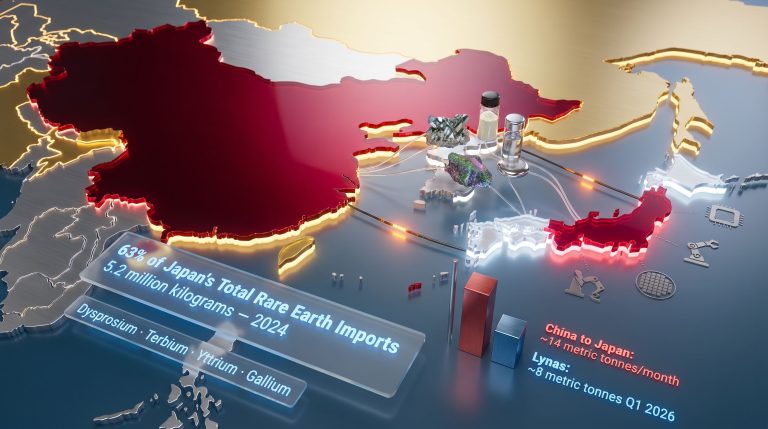
Understanding current market structures reveals why supply chain diversification initiatives have gained strategic importance. Chinese players maintain significant control across multiple critical mineral supply chains, creating concentration risks for consuming nations.
Processing Bottlenecks Beyond Mining
Critical minerals supply chains involve complex processing stages that extend far beyond initial extraction. Rare earth elements, in particular, require sophisticated separation and refining processes where technological expertise and industrial capacity create additional concentration points.
These processing bottlenecks often represent more significant strategic vulnerabilities than mining capacity limitations. Addressing supply chain diversification therefore requires development of processing capabilities, not just mining operations, particularly in light of growing Argentinian lithium insights.
Market analysts emphasise that true supply chain security requires processing capability development alongside mining capacity expansion.
Technology Transfer and Industrial Knowledge
Successful supply chain diversification depends heavily on technology transfer and industrial knowledge sharing. Critical minerals processing involves proprietary techniques and specialised equipment that require extensive technical cooperation between partners.
The development of domestic processing capabilities necessitates substantial technology transfer arrangements, worker training programmes, and industrial facility construction. These requirements create opportunities for comprehensive partnership agreements that extend beyond traditional mining joint ventures.
Multi-Partner Strategy and Global Relationships
Brazil's approach to critical minerals development emphasises diversified international partnerships rather than exclusive bilateral arrangements. This strategy maximises negotiating leverage while maintaining access to different markets and technologies in establishing a US Brazil critical minerals deal.
Balancing Competing International Interests
Multiple nations seek partnership arrangements with Brazil for critical minerals access, creating opportunities for strategic balance in international relationships. The country can leverage competing interests to secure favourable terms while maintaining political independence.
Partnership diversity also provides risk mitigation against changing political relationships or economic conditions in individual partner countries. This approach reflects sophisticated understanding of resource diplomacy in an increasingly multipolar world that mirrors broader European supply frameworks.
Strategic Partnership Considerations:
- Technology transfer capabilities from different international partners
- Market access diversification across multiple consuming nations
- Financial terms optimisation through competitive partnership structures
- Political risk distribution across varied bilateral relationships
- Long-term strategic flexibility preservation
The next major ASX story will hit our subscribers first
Environmental and Regulatory Frameworks
Critical minerals development must navigate increasingly complex environmental and regulatory requirements that impact project timelines and development costs. Understanding these frameworks becomes essential for realistic project planning and investment decisions.
Sustainability Standards and Compliance
International partners increasingly require environmental compliance standards that exceed local regulatory minimums. These requirements reflect growing emphasis on sustainable supply chains and environmental, social, and governance (ESG) considerations in investment decisions.
Regulatory alignment between producing and consuming nations creates opportunities for streamlined approval processes and reduced compliance complexity. However, achieving this alignment requires substantial coordination and mutual understanding of different regulatory philosophies, as outlined in Latin American mining analysis.
Indigenous Rights and Community Relations
Critical minerals development in Brazil must address indigenous land rights and community impact considerations. These factors significantly influence project development timelines and social licence requirements.
Successful projects increasingly require comprehensive community engagement strategies and benefit-sharing arrangements that extend beyond traditional royalty payments. International partners must understand and plan for these social responsibility requirements.
Market Pricing and Economic Implications
Supply chain diversification efforts will likely impact critical minerals pricing structures and market dynamics over the medium term. Understanding these potential changes helps inform investment and policy planning decisions for the US Brazil critical minerals deal.
Price Stability Through Supply Diversification
Reduced concentration in critical minerals supply chains could create more stable pricing environments by eliminating single-supplier premium effects. However, this stabilisation may occur at higher average price levels due to increased development and processing costs in new supply chains.
Long-term supply contracts and strategic partnerships may reduce price volatility while providing supply security for consuming nations. These arrangements typically involve price mechanisms that balance producer revenue stability with consumer cost predictability.
Pricing Dynamic Factors:
| Factor | Price Impact | Timeline |
|---|---|---|
| Supply diversification | Reduced volatility | 3-5 years |
| Processing capacity expansion | Higher base costs | 2-4 years |
| Technology transfer | Efficiency gains | 5-7 years |
| Infrastructure development | Regional cost variations | 3-6 years |
Integration with Clean Energy Incentives
Critical minerals from diversified supply chains may qualify for enhanced incentives under various national clean energy programmes. These policy frameworks create additional value for qualifying materials and processing operations.
Understanding qualification requirements and compliance mechanisms becomes essential for maximising project economics under these incentive structures. Integration planning must consider both current and anticipated future policy frameworks.
Implementation Timeline and Success Metrics
Realistic assessment of critical minerals partnership implementation requires understanding typical development timelines and measurable success indicators. These benchmarks help evaluate progress and identify necessary course corrections.
Development Phase Expectations
Critical minerals projects typically require 3-7 years from initial agreement to commercial production, depending on infrastructure requirements and regulatory complexity. Processing facility development adds additional timeline considerations for value-added manufacturing capabilities.
Success measurement should account for both quantitative production targets and qualitative partnership effectiveness indicators. These metrics help evaluate whether strategic objectives are being achieved alongside commercial goals.
Key Performance Indicators for 2030:
| Metric Category | Target Range | Measurement Frequency |
|---|---|---|
| Processing capacity development | 25-50% increase | Annual assessment |
| Technology transfer completion | 80-95% of planned initiatives | Quarterly review |
| Investment milestone achievement | 90%+ of committed funding | Semi-annual evaluation |
| Supply chain diversification | 15-25% market share shift | Bi-annual analysis |
Risk Mitigation and Contingency Planning
Successful critical minerals partnerships require comprehensive risk management frameworks that address political, operational, and market uncertainties. These contingency plans help maintain project momentum despite changing circumstances.
Risk mitigation strategies must account for potential changes in political relationships, market conditions, and technological developments. Flexible partnership structures allow adaptation to evolving circumstances while maintaining core strategic objectives.
Future Market Positioning and Competitive Dynamics
Critical minerals partnerships established today will influence global market structures and competitive positioning for decades. Understanding these long-term implications helps inform current strategic decisions and partnership approaches.
Regional Economic Transformation Potential
Successful critical minerals development can catalyse broader economic transformation in producing regions through infrastructure development, technological advancement, and industrial capacity building. These secondary effects often exceed direct project impacts.
The development of integrated critical minerals supply chains creates opportunities for downstream manufacturing industries and technical services sectors. This industrial clustering effect can establish long-term competitive advantages in strategic sectors.
Economic development specialists note that critical minerals partnerships often generate economic benefits far beyond direct mining and processing operations.
Innovation Ecosystem Development
Advanced critical minerals processing requires continuous technological innovation and improvement. Partnership frameworks that emphasise research and development cooperation can establish innovation ecosystems that generate long-term competitive advantages.
These innovation partnerships may extend into universities, research institutions, and technology companies, creating comprehensive knowledge networks that support ongoing industrial development. Such ecosystems become self-reinforcing sources of competitive advantage.
The evolution of critical minerals partnerships reflects broader changes in international economic relationships, where strategic considerations increasingly influence traditional commercial calculations. Success in this environment requires sophisticated understanding of both technical requirements and geopolitical dynamics, combined with flexible implementation approaches that can adapt to changing circumstances while maintaining core strategic objectives.
This analysis is based on publicly available information and should not be construed as investment advice. Critical minerals investments carry significant risks including political, operational, and market uncertainties. Potential investors should conduct independent due diligence and consult qualified professionals before making investment decisions.
Looking to Capitalise on Critical Minerals Investment Opportunities?
Discovery Alert's proprietary Discovery IQ model delivers real-time notifications on significant ASX mineral discoveries, including critical minerals sectors driving global supply chain diversification. Subscribers gain immediate access to actionable trading insights across over 30 commodities, helping identify opportunities ahead of broader market recognition—start your 14-day free trial today to secure your market advantage.