
August 7, 2026
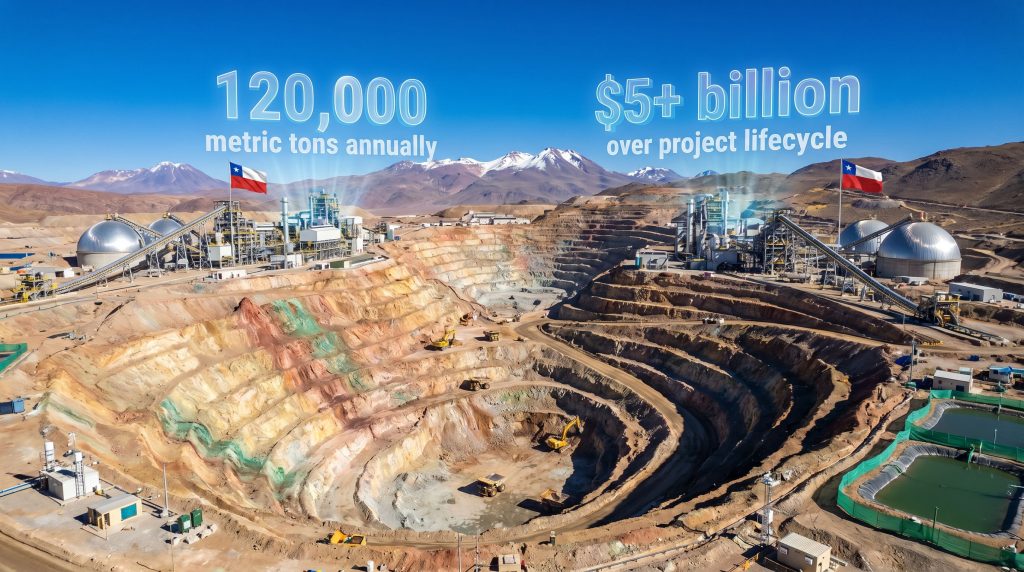
Cross-border mining partnerships represent one of the most complex engineering challenges in the global copper sector, where adjacent operations must navigate overlapping regulatory frameworks while maintaining separate corporate structures. The technical complexities of integrating mining infrastructure across company boundaries have historically deterred large-scale collaboration, particularly when constitutional ownership requirements create legal barriers to unified operations. Understanding how advanced mining companies overcome these obstacles provides insight into the evolving dynamics of international resource extraction partnerships and copper investment insights.
Understanding Dual Regulatory Pathways in Cross-Company Mining Projects
The emergence of twin environmental approvals for shared Chile copper pit operations represents a breakthrough methodology for navigating complex regulatory landscapes where traditional joint-venture structures prove legally impossible. This approach involves submitting two largely identical environmental applications that mirror each other's technical specifications while preserving separate corporate ownership structures.
Chile's constitutional framework creates unique constraints that exemplify these challenges. The country's constitution mandates that state-owned mining company Codelco retain ownership of its mining concessions, preventing conventional joint-venture environmental filings. This legal requirement forced mining engineers to develop innovative solutions that enable operational integration without ownership transfer.
The Andina-Los Bronces project demonstrates how regulatory innovation can unlock previously impossible partnerships. Codelco and Anglo American finalised their collaboration in September, structuring a 22-year partnership designed to add approximately 120,000 metric tons of copper annually from 2030 to 2051. Furthermore, this Codelco copper strategy includes projected pre-tax value generation exceeding $5 billion.
Constitutional Ownership Requirements vs. Operational Integration
Mining companies face a fundamental tension between constitutional ownership mandates and operational efficiency goals. In Chile, state-owned enterprises must maintain direct concession control, creating barriers to traditional partnership structures that typically involve shared legal entities.
The twin-track regulatory approach resolves this conflict by enabling:
• Separate environmental applications maintaining distinct corporate identities
• Identical operational specifications across overlapping zones
• Coordinated environmental management without ownership merger
• Future flexibility for returning to independent operations
Alternative structures, including three-application models combining individual extensions with joint entity filings, were evaluated and rejected. These approaches would require surrendering existing open-pit environmental permits, creating unacceptable operational disruptions. Consequently, companies must address significant permitting challenges when pursuing such collaborative ventures.
Technical Challenges of Merging Adjacent Mining Concessions
The engineering complexity of combining adjacent pits while maintaining separate ownership structures requires sophisticated technical solutions. The Los Bronces and Andina operations will create a unified extraction zone by removing the rock barrier between existing pits, effectively creating a single operating pit within the combined footprint.
This approach offers several technical advantages:
• Unified extraction efficiency: Single pit operations reduce equipment redundancy and optimise material flow
• Preserved operational boundaries: Despite physical integration, each company maintains distinct waste management zones
• Flexible ore routing: Material extracted from the shared pit can be processed at either Los Bronces' or Andina's facilities interchangeably
The rock barrier removal strategy represents a sophisticated compromise between operational integration and regulatory compliance. Rather than expanding the overall mining footprint, this design maximises extraction efficiency within existing permitted boundaries while enabling unprecedented levels of infrastructure sharing.
When big ASX news breaks, our subscribers know first
Production Capacity Optimisation Through Infrastructure Sharing
Infrastructure sharing fundamentally transforms the economics of large-scale copper operations by eliminating duplicate facilities and creating operational redundancies that enhance production reliability. The shared infrastructure model enables significant capital efficiency improvements while reducing environmental impact through consolidated resource consumption.
| Production Metrics | Annual Capacity | Project Duration | Value Generation |
|---|---|---|---|
| Additional Copper Output | 120,000 metric tons | 22 years (2030-2051) | $5+ billion pre-tax |
| Infrastructure Utilisation | Dual processing plants | Interchangeable routing | Reduced capital costs |
| Operational Timeline | 4-6 years to production | Environmental approval dependent | Risk mitigation through redundancy |
Operational Integration Models for Adjacent Mines
The integration model developed for the Andina-Los Bronces partnership creates a template for similar collaborations worldwide. Key operational elements include:
Processing Plant Interchangeability: Ore extracted from the shared pit flows to either Los Bronces' or Andina's processing facilities based on operational needs, maintenance schedules, or market conditions. This flexibility creates production continuity that single-operation mines cannot achieve.
Segregated Waste Management: Despite unified extraction, waste rock is deposited in company-specific waste dumps, maintaining clear environmental liability boundaries. This approach enables operational integration while preserving regulatory accountability structures.
Infrastructure Modification Requirements: The partnership necessitates changes to waste dumps, tailings facilities, pipelines, and support infrastructure to create an integrated system. These modifications enable the mines to function as a coordinated unit whilst maintaining separate corporate structures.
Environmental Compliance Strategies for Joint Mining Ventures
Environmental compliance in shared mining operations requires unprecedented coordination between companies, regulators, and communities. The mirror application methodology represents an innovative approach to managing complex environmental obligations across multiple corporate entities. However, this process illustrates broader mining innovation trends that prioritise operational efficiency alongside environmental responsibility.
Mirror Application Methodology for Regulatory Approval
The twin environmental approvals for shared Chile copper pit strategy involves submitting two largely identical applications that apply identical environmental measures in overlapping operational zones. This unprecedented approach addresses several regulatory challenges:
The dual-track filing methodology reduces the risk of underestimating environmental impacts while enabling streamlined regulatory review processes for complex cross-company operations.
Regulatory Coordination Benefits:
- Standardised Environmental Measures: Identical protocols across overlapping zones eliminate regulatory inconsistencies
- Streamlined Review Process: Twin applications enable parallel regulatory review while maintaining separate corporate accountability
- Risk Mitigation: Comprehensive environmental assessment reduces the likelihood of overlooked impacts
However, this approach also creates potential drawbacks, including duplicate environmental management measures that may prove unnecessary and increased complexity in regulatory coordination. Industry reports suggest that regulatory authorities are closely monitoring this innovative approach.
Water Resource Management in High-Altitude Operations
High-altitude copper mining in Chile's Andes faces intense scrutiny regarding water consumption and environmental impact. Los Bronces has experienced years of regulatory and community pressure over alleged impacts on water use, glaciers, and surrounding ecosystems.
The shared infrastructure approach addresses these concerns through:
• Freshwater consumption reduction by eliminating duplicate processing facilities
• Coordinated tailings management between companies
• Reduced environmental pressure on surrounding areas through infrastructure consolidation
Air Quality Monitoring Challenges
Large-scale copper operations in Chile's high Andes face intensified regulatory oversight regarding air quality impacts, particularly when expanding operational footprints through infrastructure sharing. Los Bronces' history of scrutiny from residents, regulators, and courts over air quality concerns illustrates the regulatory intensity surrounding these operations.
The project's high public visibility creates additional risks, as environmentalists and affected communities may argue that dual environmental reviews obscure the true scale of operational impacts. For instance, specialised mining reporters have highlighted these concerns extensively.
Regulatory Framework Navigation
Chile's Environmental Review System Capacity
Chile's environmental review system faces capacity constraints that complicate large-scale mining partnerships. The system is characterised as slow-moving, and the need for close coordination between companies and regulators creates additional strain on regulatory resources.
Regulatory Risk Factors:
• Processing delays in an already slow-moving system
• Coordination complexity between multiple regulatory bodies
• Public scrutiny intensity for high-visibility projects
• Community opposition potential over perceived impact obscuration
Community Engagement Strategies
Successful mining partnerships require comprehensive stakeholder engagement strategies that address community concerns whilst maintaining operational flexibility. The Andina-Los Bronces partnership plans community outreach in the second half of the year, recognising the critical importance of local support for large-scale mining operations.
Community engagement considerations include:
- Transparency in environmental impact assessment
- Clear communication of operational benefits
- Addressing historical environmental concerns
- Ongoing dialogue throughout project implementation
Future Implications for Global Mining Collaborations
Blueprint Potential for International Partnerships
The Andina-Los Bronces model could serve as a blueprint for other major miners seeking to share infrastructure and operations to raise output amid expected global copper supply constraints. This partnership structure addresses several industry-wide challenges and aligns with evolving joint venture strategies across the mining sector.
Capital Efficiency Improvements: Shared infrastructure reduces duplicate facility costs whilst maintaining operational independence. This approach enables smaller mining companies to participate in large-scale projects without surrendering corporate autonomy.
Risk Distribution Strategies: Dual processing capabilities create operational redundancy that reduces supply disruption risks. When one facility requires maintenance or faces operational issues, production continues through alternative processing pathways.
Regulatory Innovation: The twin approval methodology provides a framework for navigating complex regulatory environments where traditional joint ventures prove legally impossible.
Supply Security Through Operational Redundancy
Mining partnerships that maintain separate corporate structures whilst enabling operational integration offer unique supply security benefits. The 22-year production window creates stable copper supply expectations whilst providing flexibility for companies to adapt to changing market conditions.
Supply Stabilisation Benefits:
• Production continuity during individual mine disruptions
• Market responsiveness through dual processing pathways
• Strategic resource optimisation across shared infrastructure
Investment Implications for Market Participants
The success of infrastructure-sharing partnerships could reshape investment strategies in the global copper sector. Key implications include:
| Investment Factor | Traditional Operations | Shared Infrastructure Model |
|---|---|---|
| Capital Requirements | Higher individual investment | Reduced per-company costs |
| Risk Profile | Single-point failures | Operational redundancy |
| Market Flexibility | Limited processing options | Dual-pathway capabilities |
| Environmental Compliance | Individual responsibility | Coordinated management |
The Andina-Los Bronces partnership demonstrates how mining companies can achieve scale economies without traditional merger structures, potentially making large-scale copper projects more accessible to a broader range of investors and mining companies.
The next major ASX story will hit our subscribers first
Long-term Industry Evolution Patterns
The emergence of sophisticated mining partnerships reflects broader industry evolution patterns driven by resource scarcity, environmental scrutiny, and capital efficiency requirements. These trends suggest a shift toward collaborative extraction models that balance operational integration with corporate independence.
Key Success Factors for Shared Mining Ventures
Successful mining partnerships require mastery of multiple complex domains:
Regulatory Coordination Expertise: Companies must navigate overlapping regulatory frameworks whilst maintaining separate compliance obligations. The twin environmental approvals for shared Chile copper pit methodology requires unprecedented coordination between corporate legal teams and regulatory authorities.
Technical Integration Capabilities: Successful infrastructure sharing demands sophisticated engineering solutions that enable operational integration without ownership merger. This includes developing compatible processing systems, coordinated waste management protocols, and flexible material routing capabilities.
Community Stakeholder Management: Large-scale mining partnerships face intensified public scrutiny that requires proactive community engagement and transparent environmental impact communication.
Environmental Compliance Standardisation: Shared operations must develop coordinated environmental management systems that satisfy regulators whilst avoiding unnecessary duplication of compliance measures.
In addition, the success of such ventures depends on understanding broader market dynamics and regulatory frameworks that influence twin environmental approvals for shared Chile copper pit operations across different jurisdictions.
Disclaimer: This analysis is based on publicly available information regarding mining partnerships and regulatory frameworks. Specific project timelines, production figures, and regulatory approvals remain subject to change based on environmental review outcomes and market conditions. Readers should conduct independent research before making investment decisions related to mining companies or copper market exposure.
Ready to Capitalise on the Next Major Mineral Discovery?
Discovery Alert's proprietary Discovery IQ model delivers instant notifications when significant ASX mineral discoveries are announced, turning complex mining data into actionable investment insights for both short-term traders and long-term investors. Visit Discovery Alert's discoveries page to explore how historic mineral discoveries have generated substantial market returns, then begin your 14-day free trial to position yourself ahead of the market with real-time mining intelligence.