
May 23, 2026
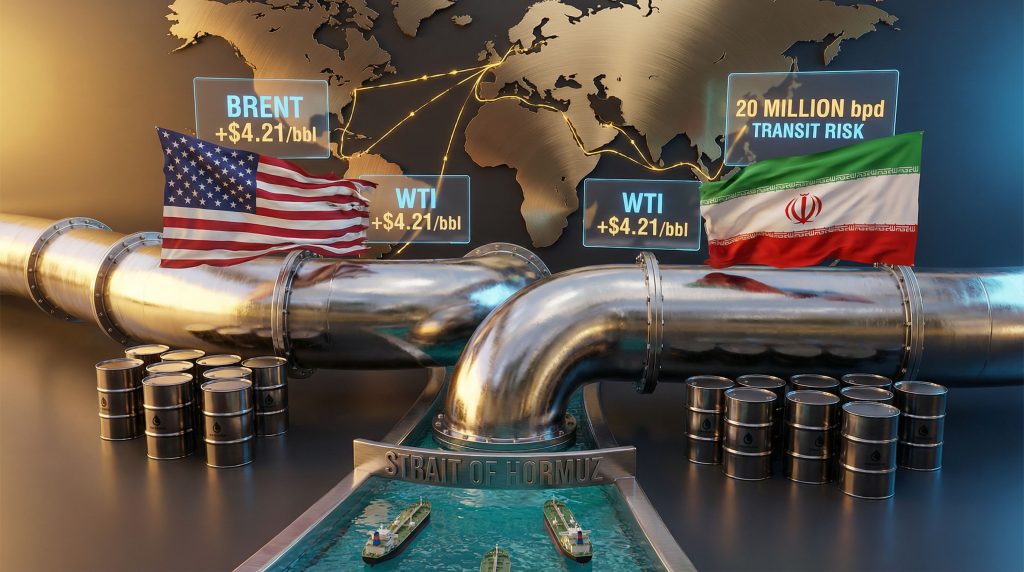
Global commodity markets operate within complex webs of interdependence, where regional disruptions can trigger cascading effects across continents. The current volatility in energy markets exemplifies how geopolitical tensions translate into economic reality through multiple transmission channels. Understanding these mechanisms becomes crucial as crude oil prices surge past $90 per barrel and supply chains adapt to new constraints.
Market participants worldwide face unprecedented challenges as traditional trading patterns reshape under pressure. The interconnected nature of modern energy infrastructure means that localized conflicts can rapidly evolve into global economic phenomena, affecting everything from fertilizer production to consumer fuel costs.
Understanding the Geopolitical Risk Premium in Oil Markets
Energy markets historically demonstrate heightened sensitivity to Middle Eastern political developments, with traders consistently pricing in worst-case scenarios during periods of uncertainty. The US Iran conflict oil price impact manifests through multiple psychological and structural channels that extend far beyond immediate supply calculations.
Current market psychology reflects merchants' assessment of cascading risk scenarios. WTI crude futures broke through $90 per barrel on March 6, 2026, representing a remarkable $9.12 per barrel increase from the prior day's settlement. This dramatic price movement underscores how rapidly geopolitical premiums can compound, with prices climbing more than $23 per barrel (35%) within a single week.
The "fear factor" in commodity pricing operates through options market distortions and elevated implied volatility across futures contracts. Trading behaviour indicates participants are simultaneously pricing multiple adverse scenarios, including sustained conflict, supply chain disruptions, and infrastructure damage. This creates a premium structure where current prices reflect not just present conditions but anticipated worst-case outcomes.
Historical Context and Premium Duration Patterns
Analysis of recent price shock patterns reveals how geopolitical premiums exhibit specific decay characteristics:
- December 28, 2025: Initial protests triggered +$4.00/bbl Brent response and +$3.80/bbl WTI response, with premiums lasting 14 days
- January 12, 2026: Tariffs impact markets generated +$2.10/bbl Brent and +$2.30/bbl WTI increases, sustaining for 7 days
- March 2, 2026: Military strikes prompted +$4.21/bbl responses in both benchmarks, with ongoing premium effects
This timeline suggests initial shocks create longer-lasting premiums than subsequent incremental triggers, indicating potential market acclimatisation to ongoing tensions before acute escalation events reset risk perception entirely.
Physical vs. Paper Market Divergences
The divergence between physical crude premiums and futures contract pricing reveals underlying market structure distortions. Alaska North Slope crude delivered prices hit record highs on March 5, 2026, with multiple May-arrival cargoes trading around an $8.30 per barrel premium to July ICE Brent on a cost-insurance-freight (CIF) US West Coast basis.
This premium represents approximately $8.10 per barrel above April cargoes and marks the highest level since assessment inception in January 2018. Such extreme premiums reflect:
- Geographic arbitrage opportunities created by transportation constraints
- Freight cost inflation affecting delivered valuations
- Supply redirection patterns as buyers seek alternatives to Middle Eastern sources
When big ASX news breaks, our subscribers know first
What Makes Iran Critical to Global Oil Supply Chains?
Iran's strategic position in global energy markets extends beyond its 3.3 million barrels per day production capacity. As the fifth-ranked OPEC member, Iran represents a critical node in hydrocarbon supply chains that support downstream refining, petrochemical production, and power generation infrastructure worldwide.
The concentration of energy flows through the Strait of Hormuz creates a single-point-of-failure vulnerability where disruption of one producer ripples through global markets. This chokepoint handles approximately 20 million barrels per day of oil transit, representing roughly 20% of global consumption flowing through waters just 21 miles wide at their narrowest point.
Supply Chain Interdependency Analysis
Iran's position creates structural vulnerabilities that extend beyond volume considerations. Furthermore, the interdependency manifests through several critical channels:
Export Infrastructure Constraints: The Strait of Hormuz serves as the primary export conduit for multiple Middle Eastern producers, including Iran, Iraq, Saudi Arabia, Kuwait, and the UAE. This geographic concentration creates both physical vulnerability to military interdiction and psychological risk premiums in shipping insurance and freight costs.
Regional Production Context: Market participants demonstrate rapid adaptation through geographic substitution when primary sources face disruption. Indian refiners actively purchased Russian crude under temporary US sanctions exemption, with Russian medium sour Urals offered at premiums of $1-5 per barrel to ICE Brent or Dubai contract prices. This compares dramatically to a $12.35 per barrel discount against Dated Brent as of February 27, 2026.
Floating Storage Dynamics: Over 15 million barrels of Russian oil currently float off the Indian coast, potentially reaching terminals within days. This stranded supply demonstrates how disruption creates market structure distortions, including physical arbitrage opportunities between stranded supply and accessible markets.
Alternative Routing Economics
Supply redirection in practice reveals the economic costs of bypassing traditional routes. South Korean and Japanese refiners responded to Middle Eastern supply disruptions by purchasing Alaska North Slope crude, with purchases reportedly priced around $2.00 per barrel premium to front-month Dubai assessments on a delivered-at-port basis.
Similarly, Libyan Es Sider crude reached a 3.5-year high premium to Dated Brent assessment, demonstrating how geopolitical risk premiums extend beyond directly affected regions to include alternative supply routes perceived as more secure.
The cascading effects extend to liquefied natural gas (LNG) markets, where QatarEnergy chartered additional vessels and diverted some shipments toward Asia rather than Europe. Empty LNG carriers began diverting away from the Hormuz chokepoint entirely as risk premiums exceeded the economic viability of transit.
Economic Transmission Mechanisms: From Conflict to Consumer Prices
The pathway from geopolitical tension to consumer impact operates through sophisticated transmission mechanisms that amplify initial price shocks across multiple economic sectors. Understanding these channels helps explain how regional conflicts evolve into global inflationary pressures affecting households and businesses worldwide.
Primary Market Impact Sequences
Crude Oil Futures Response: The rapid emergence of Brent crude trading above $89 per barrel as of March 6, 2026, demonstrates efficient price discovery in financial markets. April NYMEX WTI trading at $90.13 per barrel reflects immediate incorporation of risk premiums into forward-looking contracts.
Refined Product Price Transmission: The crude-to-products transmission mechanism operates with remarkable speed. New York Harbor distillate prices heading toward new highs indicate refinery margins initially compress as input costs rise faster than output prices adjust, creating temporary margin expansion followed by retail price increases.
Regional Price Differential Emergence: Geographic arbitrage opportunities manifest as traditional supply patterns break down:
| Region | Product | Price Impact | Market Response |
|---|---|---|---|
| Mexico | Delivered fuels | Multi-year highs | Government intervention consideration |
| Europe | Scrubber spreads | Narrowing on Hormuz concerns | Alternative sourcing acceleration |
| Poland | Import premiums | Surged dramatically | Well-supplied despite costs |
| Spain | Fuel prices | Rising toward subsidy thresholds | Revival of discount programs |
Energy-Intensive Industry Cascading Effects
The US Iran conflict oil price impact extends far beyond transportation fuels into industrial feedstock costs. Global urea-ammonium nitrate fertiliser prices soared as natural gas and refined fuel inputs became more expensive, affecting agricultural production costs worldwide.
Petrochemical markets demonstrate immediate demand destruction patterns. The US-Asia ethylene arbitrage shut completely, indicating that feedstock cost differentials exceed transportation advantages, forcing refineries to reassess production optimisation strategies.
European styrene prices increased on Middle Eastern supply disruptions, while US asphalt markets paused to digest the crude price spike, showing how specialised product markets respond to upstream cost pressures.
Insurance and Freight Cost Escalation
Risk premiums extend beyond commodity prices into logistics infrastructure. Some insurers began reinstating war risk coverage on March 6, 2026, indicating market assessment shifted from potential temporary disruption to sustained elevated risk. This markup on insurance premiums adds 2-5% to effective shipping costs, translating to $1.80-4.50 per barrel on typical voyage distances.
Consequently, the compounding effect of insurance, freight, and commodity premiums creates delivered cost increases that significantly exceed headline crude price movements, particularly for regions dependent on long-distance transportation routes.
Scenario Modelling: Economic Outcomes Under Different Conflict Trajectories
Economic forecasting during geopolitical crises requires multiple scenario frameworks that account for conflict escalation possibilities and their respective market responses. Current modelling suggests dramatically different outcomes depending on conflict duration and geographic scope.
Baseline Scenario: Contained Regional Conflict
Under assumptions of limited geographic spread and diplomatic resolution within months, energy markets could stabilise around elevated but manageable levels. BloombergNEF's $55 per barrel Brent average forecast for 2026 appears increasingly optimistic given current $89+ per barrel trading levels as of March 6, 2026.
The baseline scenario assumes:
- Strait of Hormuz remains navigable with elevated risk premiums
- OPEC+ spare capacity deployment offsets Iranian production losses
- Strategic petroleum reserve releases provide temporary price relief
- Conflict resolution within 3-6 month timeframe
However, the gap between forecast and reality suggests baseline assumptions may underestimate conflict persistence and market psychology factors.
Escalation Scenario: Supply Chain Disruption
Complete Iranian export cessation would trigger more severe economic consequences. Under this scenario, modelling suggests:
- Q2 2026: Brent averaging $71 per barrel
- Q4 2026: Prices reaching $91 per barrel
- Global inventory drawdown rates accelerating beyond sustainable levels
- OPEC+ spare capacity utilisation approaching maximum limits
This scenario accounts for demand destruction at higher price levels but assumes alternative supply sources can partially compensate for Iranian production losses. The timeline reflects gradual supply chain adaptation and strategic reserve deployment effectiveness.
Extreme Scenario: Strait of Hormuz Closure
Complete chokepoint closure would create unprecedented supply shock conditions affecting global economic stability. With 20% of global oil consumption at risk, emergency response mechanisms would face severe testing:
Alternative Routing Analysis: Transportation through Saudi Arabian pipelines, Iraqi infrastructure, and maritime detours around Africa could theoretically handle some displaced volume, but capacity constraints and economic costs would create sustained premium conditions.
International Coordination Requirements: Strategic reserve coordination among International Energy Agency members would become critical, with release rates potentially exceeding historical precedents set during previous oil crises.
Demand Destruction Thresholds: Economic modelling suggests sustained prices above $120 per barrel would trigger significant industrial demand destruction, particularly in energy-intensive manufacturing and transportation sectors.
How Will Central Banks Respond to Energy-Driven Inflation?
Energy price volatility presents complex challenges for monetary policymakers attempting to balance inflation control with economic growth objectives. The oil price rally creates policy dilemmas that traditional interest rate tools address imperfectly.
Monetary Policy Response Frameworks
Central banks face the classic supply shock dilemma where tightening monetary policy risks deepening recession without addressing the underlying energy cost drivers. Moreover, the Fed policy challenges have intensified as energy price pass-through to core inflation metrics operates through multiple channels:
- Direct transportation and energy service costs
- Indirect manufacturing and distribution cost increases
- Second-round effects through wage negotiations and inflation expectations
- Currency impacts affecting import-dependent economies
The Federal Reserve's communication strategy during supply shocks emphasises looking through temporary price increases while monitoring second-round effects. However, sustained energy price elevation tests the "temporary" assumption underlying this approach.
Fiscal Policy Intervention Mechanisms
Government intervention in energy markets accelerates during crisis periods. The temporary Russian sanctions waiver allowing Indian crude imports demonstrates recognition that market mechanisms require policy support when geopolitical constraints limit supply alternatives.
US Energy Secretary Chris Wright characterised the approach as addressing immediate market pressure: the temporary policy change aimed to keep oil prices down better than otherwise possible through deploying stored supply and facilitating alternative sourcing arrangements.
Strategic Petroleum Reserve Deployment: The US approach of releasing stored oil while allowing alternative imports creates dual pressure relief mechanisms. Over 15 million barrels of Russian oil floating off India could reach terminals within days under the temporary exemption, providing immediate supply augmentation.
Tax policy adjustments and fuel subsidy programmes represent additional fiscal tools, with Spain exploring potential revival of fuel discounts if prices continue rising, indicating government intervention consideration thresholds vary by economic conditions and political pressures.
Investment Flow Analysis and Capital Market Responses
Geopolitical energy crises reshape capital allocation patterns across multiple sectors as investors reassess risk-return profiles under new market conditions. Trade war global markets dynamics further complicate these investment flows.
Energy Sector Capital Reallocation
Upstream Investment Acceleration: Oil and gas companies in stable regions experience renewed investment attractiveness as geopolitical risk premiums highlight the value of secure production bases. North American shale producers, North Sea operators, and other non-Middle Eastern sources benefit from risk-adjusted return improvements.
Infrastructure Resilience Investments: Pipeline diversification projects, strategic storage expansion, and alternative transportation route development receive heightened attention as supply chain vulnerabilities become apparent. The record $8.30 per barrel premium for Alaska North Slope crude demonstrates the economic value of geographic diversification.
Renewable Energy Hedge Strategy: Accelerated renewable energy investment functions as a hedge against geopolitical oil price volatility. Energy independence economics improve when fossil fuel prices incorporate sustained risk premiums, making clean energy technologies more competitive on risk-adjusted bases.
Cross-Asset Market Implications
Currency Market Dynamics: Dollar strength during crisis periods reflects safe-haven demand and the currency's role in commodity pricing. Energy-importing emerging market currencies face pressure from twin deficits as import costs rise while economic growth prospects weaken.
Commodity Complex Correlations: The surge in global urea-ammonium nitrate fertiliser prices alongside crude oil demonstrates broad commodity complex correlations during supply shock periods. In addition, industrial metals, agricultural products, and energy commodities often move together as transportation and production costs rise.
Equity Market Sectoral Rotation: Energy sector outperformance contrasts with weakness in transportation, airlines, and energy-intensive manufacturing sectors. The complete shutdown of US-Asia ethylene arbitrage illustrates how petrochemical trading patterns collapse under extreme cost pressures.
The next major ASX story will hit our subscribers first
Long-Term Structural Economic Shifts
Beyond immediate crisis management, sustained geopolitical energy volatility accelerates structural economic transformations with long-lasting implications for global trade patterns and industrial organisation.
Energy Security Policy Evolution
Strategic Reserve Recalibration: The current crisis tests strategic petroleum reserve policies established during previous energy crises. Reserve size, release mechanisms, and international coordination frameworks require updating to address modern supply chain vulnerabilities and geopolitical risk patterns.
Domestic Production Incentive Structures: Energy independence versus cost optimisation trade-offs shift as geopolitical risk premiums make domestic production more attractive despite higher extraction costs. Policy frameworks supporting domestic energy development gain political support during crisis periods.
International Partnership Realignments: Energy import diversification strategies evolve as traditional suppliers become less reliable. The temporary Russian sanctions waiver for Indian imports illustrates how geopolitical relationships adapt to address immediate supply needs while maintaining longer-term strategic objectives.
Economic Transition Acceleration
Technology Investment Priorities: Crisis response requirements drive technology investment toward supply chain resilience, alternative energy sources, and demand reduction technologies. Emergency management capabilities receive increased attention as extreme events become more frequent.
Industrial Location Economics: Manufacturing and processing industries reassess location decisions based on energy security considerations rather than solely on cost minimisation. Furthermore, commodity market focus has shifted to supply chain resilience that commands risk premiums affecting competitiveness calculations.
Transportation System Evolution: The Mexico delivered fuel prices reaching multi-year highs illustrates how transportation costs affect regional economic competitiveness. Investment in alternative transportation technologies and infrastructure accelerates as fossil fuel price volatility creates planning uncertainties.
Risk Management Strategies for Economic Stakeholders
Modern energy price volatility requires sophisticated risk management approaches that extend beyond traditional hedging mechanisms to encompass supply chain diversification and strategic planning adaptations.
Corporate Strategy Adaptations
Energy Cost Hedging Evolution: Industrial energy users face complex hedging decisions when geopolitical premiums create sustained price elevation. Traditional financial hedging instruments may provide incomplete protection when supply disruptions affect physical availability alongside price levels.
Supply Chain Resilience Investments: The record-breaking Alaska North Slope premiums demonstrate the economic value of supply source diversification. Companies increasingly invest in multiple sourcing options despite higher costs to avoid single-point-of-failure vulnerabilities.
Pricing Power Preservation: Businesses operating in inflationary environments must balance cost pass-through capabilities with competitive positioning. The complete shutdown of US-Asia ethylene arbitrage shows how extreme cost pressures can eliminate traditionally profitable trading relationships.
Investment Portfolio Risk Considerations
Energy Sector Allocation During Uncertainty: Portfolio managers face difficult decisions regarding energy sector exposure when geopolitical risks create both opportunity and vulnerability. Current price levels may reflect risk premiums that could disappear with conflict resolution, but continued escalation could drive prices higher.
Inflation-Protected Asset Strategies: Traditional inflation hedges perform differently during supply shock periods versus demand-driven inflation. Real assets, commodities, and inflation-linked securities provide varying protection levels depending on crisis duration and central bank policy responses.
Regional Exposure Management: Emerging market investments face particular vulnerability to energy price shocks through current account impacts and fiscal pressures. Geographic diversification strategies must account for differential energy import dependencies and currency vulnerabilities.
Crisis Preparedness Frameworks
Scenario Planning Integration: The dramatic price escalation from under $70 per barrel to over $90 per barrel within weeks illustrates the importance of extreme scenario planning. Risk management frameworks must incorporate low-probability, high-impact events that traditional modelling approaches may underestimate.
Operational Flexibility Investments: Business models requiring operational flexibility during crisis periods command premium valuations. The ability to rapidly adjust production, sourcing, or distribution patterns provides competitive advantages when traditional supply chains face disruption.
Government Policy Coordination: Private sector risk management increasingly requires coordination with government policy responses. Understanding strategic reserve policies, sanctions frameworks, and emergency economic measures becomes essential for comprehensive risk assessment.
According to the Financial Review's analysis of how Iran disrupted global markets, "The speed at which traditional trade relationships collapsed illustrates the fragility of interconnected global commodity markets when geopolitical tensions escalate beyond manageable thresholds."
Additional analysis from The Guardian on stock market impacts suggests that "sustained conflict scenarios could force central banks to choose between fighting inflation and supporting economic growth, a decision that becomes increasingly difficult as energy costs permeate through all sectors of the economy."
Risk Management Disclaimer: The analysis contained in this article represents market observations and scenario modelling based on current conditions. Actual outcomes may vary significantly from projections due to the unpredictable nature of geopolitical conflicts and their economic impacts. Stakeholders should consult qualified financial advisors and develop comprehensive risk management strategies appropriate to their specific circumstances and risk tolerance levels.
The intersection of geopolitical conflict and global energy markets creates complex economic dynamics that extend far beyond immediate price movements. As crude oil prices continue responding to evolving conflict scenarios, understanding these transmission mechanisms becomes essential for navigating unprecedented market conditions. The US Iran conflict oil price impact illustrates how regional tensions transform into global economic phenomena, reshaping investment flows, policy frameworks, and strategic planning across industries and nations.
Successful navigation of these challenges requires integrated approaches combining immediate crisis management with longer-term structural adaptation strategies. The current market environment tests both established risk management frameworks and emerging policy tools designed to maintain economic stability during extreme supply shock conditions.
Looking to Capitalise on Commodity Market Volatility?
With geopolitical tensions driving unprecedented energy price swings and reshaping global commodity markets, identifying the next major mineral discovery becomes crucial for investors seeking both immediate opportunities and long-term portfolio protection. Discovery Alert's proprietary Discovery IQ model delivers real-time alerts on significant ASX mineral discoveries, empowering subscribers to position themselves ahead of market movements while volatile commodity prices create new investment dynamics across the mining sector. Begin your 14-day free trial today and gain the market-leading edge needed to navigate these challenging economic conditions with confidence.