
August 24, 2026
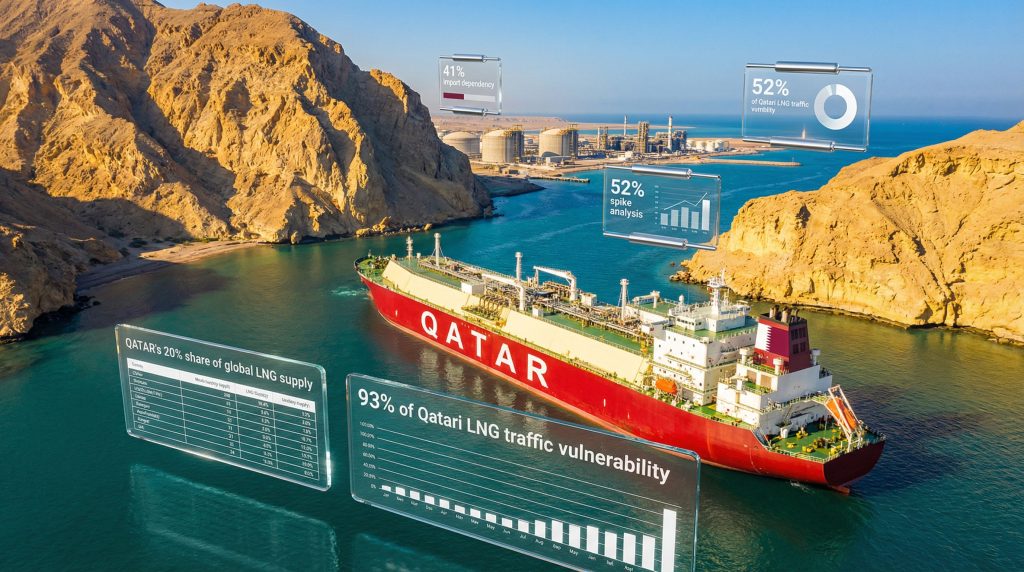
Global liquefied natural gas markets operate through intricate networks of long-term supply agreements, each containing carefully structured provisions designed to manage extraordinary circumstances. These contractual mechanisms become critically important when major supply disruptions occur, as demonstrated by recent events affecting one of the world's largest LNG export facilities. Understanding how these legal frameworks function provides insight into the broader dynamics of international energy security and market resilience, particularly when force majeure on Qatari LNG contracts becomes a reality for global buyers.
Understanding Force Majeure in Energy Markets
Force majeure provisions in LNG contracts serve as contractual circuit breakers, protecting both suppliers and buyers from events genuinely beyond their control while maintaining long-term commercial relationships. These clauses distinguish between force majeure events and commercial impracticability, establishing clear thresholds for when performance obligations can be suspended without constituting breach of contract.
Standard force majeure language varies significantly across different legal jurisdictions, with English law and New York law frameworks offering distinct approaches to burden of proof requirements and mitigation obligations. Under typical LNG agreements, the declaring party must demonstrate that the disruptive event was unforeseeable, unavoidable, and occurred despite reasonable precautionary measures.
Common triggering events include natural disasters, political instability, infrastructure attacks, and other circumstances that materially impair production or delivery capabilities. Duration limitations typically require periodic reassessment of force majeure conditions, with notification requirements mandating prompt communication to affected counterparties and regular status updates throughout the disruption period.
The burden of proof requires comprehensive documentation showing that alternative supply arrangements were explored and that mitigation efforts were undertaken to minimize supply disruptions. This includes demonstrating attempts to source replacement volumes from other facilities or implementing emergency production protocols where feasible.
Key Components of LNG Force Majeure Provisions
Notification and Documentation Requirements:
• Immediate notification within 24-72 hours of force majeure event occurrence
• Detailed written documentation of event circumstances and impact assessment
• Regular status updates at predetermined intervals (typically weekly or bi-weekly)
• Evidence of mitigation efforts and alternative supply investigations
• Independent verification of event circumstances where applicable
Standard contractual language typically includes carve-outs for events that could have been reasonably anticipated or prevented through standard industry practices. Mitigation obligations require parties to take commercially reasonable steps to restore normal operations, including coordination with emergency response agencies and implementation of backup systems where available.
When big ASX news breaks, our subscribers know first
Qatar's Strategic Position in Global LNG Markets
Qatar maintains a dominant position in global LNG markets through its massive production capacity concentrated at the Ras Laffan complex, the world's largest single LNG export facility. This concentration creates significant market dependencies, as the facility's operations directly impact global supply availability and pricing mechanisms.
The Ras Laffan complex represents a critical infrastructure asset with multiple production trains serving diverse international markets. Furthermore, Shell's equity partnership with QatarEnergy in the facility illustrates the integrated nature of global LNG supply chains, where international oil companies maintain significant stakes in Qatari production capacity.
Qatar's LNG Infrastructure Capacity:
| Facility Component | Annual Capacity (MTPA) | Primary Markets | Operational Status |
|---|---|---|---|
| Qatargas 1 | 10.0 | Asia-Pacific | Active |
| Qatargas 2 | 7.8 | Europe/Asia | Active |
| Qatargas 3 | 7.8 | Americas/Asia | Active |
| Qatargas 4 | 7.8 | Global Markets | Active |
| RasGas 2 | 4.7 | Europe | Active |
| RasGas 3 | 4.7 | Asia-Pacific | Active |
Concentration Risk in Global Energy Security
Single-point-of-failure analysis reveals that major LNG importers face substantial exposure to Qatari production disruptions. Regional dependency patterns show particularly acute vulnerability in Asia-Pacific markets, where long-term contract structures limit short-term supply flexibility.
Alternative supply route limitations compound concentration risks, as Qatar's geographic position creates natural chokepoints for LNG carrier transit. The facility's integration with upstream gas fields means that production disruptions cascade through multiple supply chains simultaneously.
Infrastructure constraints at alternative suppliers limit rapid substitution capabilities during Qatari supply disruptions. Most global LNG facilities operate near capacity during peak demand periods, reducing available swing supply that could compensate for major disruptions. In addition, these challenges directly impact energy security strategies across importing nations.
Infrastructure Security Vulnerabilities and Force Majeure Triggers
The March 2026 drone attack on the Ras Laffan facility demonstrates how targeted infrastructure strikes can trigger widespread force majeure on Qatari LNG contracts throughout global supply chains. This incident, occurring approximately one week prior to March 11, 2026, resulted in immediate facility shutdown and cascading contractual impacts throughout international markets.
Modern LNG facilities face evolving security challenges as drone technology becomes more accessible and sophisticated. Industrial complexes like Ras Laffan contain numerous critical components where targeted strikes can disrupt entire production systems, from feed gas processing to liquefaction trains and loading terminals.
Force Majeure Declaration Process Following Security Incidents:
- Immediate Assessment Phase: Facility operators conduct damage evaluation and safety protocols
- Contractual Notification: Legal teams issue preliminary force majeure notices within required timeframes
- Impact Quantification: Production teams assess capacity reduction and recovery timelines
- Customer Communication: Commercial teams notify affected buyers and trading partners
- Regulatory Coordination: Government agencies receive incident reports and response plans
Maritime Transit Disruptions
LNG carrier operations depend on secure maritime corridors, with vessel detention scenarios creating additional force majeure triggers beyond production facility disruptions. Insurance markets respond rapidly to heightened regional tensions, with premium adjustments reflecting increased risk assessments for energy infrastructure assets.
Cargo delivery delays from maritime security concerns can trigger destination flexibility clauses in long-term contracts, though these provisions vary significantly across different agreement structures. Some buyers maintain rigid destination clauses that limit cargo diversion options during force majeure periods.
Production Facility Dependencies
Technical interdependencies within integrated LNG complexes mean that disruptions to individual components can affect entire production systems. Upstream gas field connections to export terminals create vulnerability points where field-level incidents can trigger facility-wide shutdowns.
Emergency halt procedures differ substantially from planned maintenance shutdown protocols, with security-related stoppages requiring comprehensive safety assessments before production can resume. These evaluations often extend force majeure periods beyond immediate damage repair timelines.
Buyer Exposure to Qatari Force Majeure Events
Asian markets demonstrate the highest vulnerability to Qatari LNG supply disruptions, with several major importers maintaining substantial contract exposure to the Ras Laffan complex. The March 2026 incident illustrates how these dependencies translate into real-time supply security challenges for importing nations.
Bangladesh's experience provides a concrete example of cascading force majeure impacts, as Rupantarita Prakritik Gas Co. Ltd. received force majeure notifications through its trading intermediary relationship with OQ. This demonstrates how supply disruptions extend beyond direct contractual relationships to affect downstream buyers through intermediary channels.
Major Asian LNG Importers – Estimated Qatari Exposure:
| Importing Country | Est. Qatar Dependency | Primary Import Terminals | Contract Structure |
|---|---|---|---|
| India | 35-40% | Dahej, Hazira | Long-term Take-or-Pay |
| Bangladesh | 25-30% | Maheshkhali | Trading Intermediaries |
| South Korea | 15-20% | Incheon, Pyeongtaek | Mixed Portfolio |
| Japan | 10-15% | Multiple Terminals | Diversified Sources |
European Market Resilience Assessment
European natural gas markets show greater resilience to Qatari supply disruptions due to diversified supply sources and established pipeline connections with alternative producers. However, certain regasification terminals maintain significant Qatari cargo volumes, creating localised exposure points.
Rotterdam's role as a major European LNG hub means that Qatari supply disruptions can affect broader European gas pricing mechanisms, even when absolute volume impacts remain limited. Gas price volatility in European markets reflects the interconnected nature of global LNG supply chains, particularly when considering weekly natural gas trends and their broader implications.
Alternative supplier capacity from Norway, Algeria, and United States export facilities provides Europe with greater supply substitution options compared to Asian markets. Pipeline gas flexibility allows European buyers to adjust supply sources more rapidly during LNG supply disruptions.
Contract Structure Impact Analysis
Long-term take-or-pay agreements create different risk profiles compared to spot market purchases during force majeure events. Buyers with rigid destination clauses face the highest stranded cargo risk during force majeure periods, as contract flexibility limitations restrict cargo diversion options.
Contract flexibility mechanisms become critical during extended force majeure periods, as buyers seek alternative supply sources while maintaining long-term commercial relationships with primary suppliers.
Destination flexibility clauses allow some buyers to redirect Qatari cargoes to alternative terminals when original delivery points become inaccessible. However, these provisions require careful legal structuring to ensure enforceability during genuine force majeure events.
Cascading Force Majeure Declarations Through Secondary Suppliers
The March 2026 Ras Laffan incident triggered a systematic cascade of force majeure on Qatari LNG contracts throughout the global supply chain, demonstrating the interconnected nature of modern energy markets. Shell's immediate declaration to its Asian customers reflects the company's equity partnership obligations at the facility, while trading houses like OQ extended force majeure notifications to their downstream customer bases.
Tim Partridge, head of trading and risk management at LG Energy Group, characterised the situation as an energy ecosystem in delicate balance that became abruptly disrupted, with multiple parties across the supply chain experiencing significant impacts. His assessment that additional force majeure declarations would follow proved prescient as the disruption rippled through interconnected contractual relationships.
Six-Stage Ripple Effect From Primary to Tertiary Suppliers:
- Primary Producer Declaration: QatarEnergy declares force majeure on direct LNG supply contracts
- Equity Partner Response: Shell activates force majeure clauses with Asian customers
- Trading House Notifications: OQ declares force majeure to Bangladesh buyers
- Portfolio Rebalancing: Secondary suppliers seek alternative supply sources
- Spot Market Activation: Increased demand for replacement cargoes drives pricing volatility
- Tertiary Impact Assessment: End-users evaluate supply security and alternative arrangements
Market Arbitrage Opportunities
United States Gulf Coast LNG export facilities experienced increased utilisation as global buyers sought replacement volumes during the Qatari supply disruption. This pattern reflects the global nature of LNG markets, where regional supply gaps create arbitrage opportunities for suppliers with available capacity, particularly considering current US natural gas forecasts.
Australian LNG suppliers positioned themselves to capture premium pricing during the supply shortage, though physical cargo availability remained limited by existing long-term contract commitments. African LNG projects evaluated acceleration of planned maintenance schedules to maximise production during the supply-constrained period.
Trading house risk management protocols activated cargo substitution systems and quality specification matching procedures to minimise disruption to end-customers. Financial hedging mechanisms provided some protection against force majeure exposure, though coverage limitations became apparent during extended disruption periods.
Trading House Risk Management
Portfolio balancing strategies during regional supply disruptions require sophisticated logistics coordination and financial risk management. Cargo substitution protocols must account for quality specifications, delivery timing, and destination terminal compatibility when sourcing replacement volumes.
Financial hedging mechanisms for force majeure exposure include insurance products and derivative contracts, though coverage gaps often emerge during major supply disruptions. Trading houses maintain emergency response protocols designed to minimise customer impact while preserving long-term commercial relationships.
Economic Implications of Qatari LNG Force Majeure
The March 2026 supply disruption created immediate price volatility across global natural gas markets, with European gas futures experiencing significant spikes as markets absorbed the implications of reduced Qatari supply availability. Asian LNG spot prices demonstrated similar volatility patterns as buyers competed for limited replacement cargoes.
Historical Force Majeure Events and Price Movements:
| Event Date | Triggering Factor | Duration | Peak Price Impact | Recovery Timeline |
|---|---|---|---|---|
| Mar 2026 | Ras Laffan Drone Attack | Ongoing | 45-50% spike | TBD |
| Feb 2022 | Ukraine Invasion | 8 months | 60% spike | 12 months |
| Sep 2019 | Saudi Aramco Attack | 3 weeks | 15% spike | 6 weeks |
| Oct 2017 | Hurricane Harvey | 2 months | 25% spike | 8 weeks |
Industrial Downstream Effects
Petrochemical facilities in Qatar and importing regions faced production curtailments as feedstock availability declined during the force majeure period. Energy-intensive industries, particularly aluminium smelting operations, implemented demand response protocols and evaluated temporary production adjustments.
Power generation systems activated fuel switching mechanisms, with coal and oil backup systems coming online to compensate for reduced natural gas availability. These backup systems typically operate at higher costs, creating additional economic pressure on electricity markets and industrial consumers.
Industrial customers with interruptible gas contracts experienced supply curtailments as utility companies prioritised residential and commercial customers during the supply shortage. This prioritisation system reflects established emergency protocols designed to maintain essential services during energy supply disruptions.
Long-term Investment Implications
LNG infrastructure investment patterns may accelerate in alternative regions as buyers seek supply diversification following the March 2026 incident. Supply diversification capital allocation by major importers reflects growing recognition of concentration risk in current contractual portfolios, particularly as Canada's energy transition creates new supply opportunities.
Insurance premium adjustments for Middle Eastern energy assets incorporate updated risk assessments based on demonstrated vulnerability to targeted infrastructure attacks. These premium increases affect project economics for new investments and operating costs for existing facilities.
Investment in supply chain resilience technologies, including enhanced security systems and rapid response capabilities, may increase as operators seek to minimise future force majeure risk exposure. These investments require careful cost-benefit analysis given the uncertain frequency and magnitude of potential disruption events.
The next major ASX story will hit our subscribers first
Risk Mitigation Strategies for Future Force Majeure Events
Geographic supplier distribution optimisation represents a fundamental approach to reducing force majeure exposure, though this strategy requires balancing supply security against price competitiveness. Contract term flexibility versus price security trade-offs become particularly important when evaluating long-term supply agreements.
Seven-Point Risk Mitigation Framework for LNG Procurement:
- Geographic Diversification: Distribute supply contracts across multiple producing regions
- Supplier Portfolio Balance: Avoid over-concentration with single suppliers or facilities
- Contract Flexibility Enhancement: Negotiate destination and timing flexibility provisions
- Alternative Supply Development: Invest in relationships with backup suppliers
- Storage Capacity Expansion: Develop strategic reserve capabilities for supply interruptions
- Emergency Response Planning: Establish protocols for rapid supply substitution
- Insurance Coverage Optimisation: Evaluate force majeure insurance products and coverage levels
Alternative Supply Development
United States shale gas-to-LNG project investments offer buyers opportunities to diversify away from Middle Eastern supply sources, though these projects require long-term contract commitments to secure financing. East African LNG development timelines extend beyond immediate supply security needs but provide future diversification options.
Floating LNG technology deployment creates opportunities for supply redundancy through mobile production platforms that can serve multiple markets. These systems offer operational flexibility advantages during regional supply disruptions, though capacity limitations restrict their ability to replace major facility outages.
Pipeline gas connections provide alternative supply routes for markets with geographic access to multiple producing regions. European buyers benefit significantly from this infrastructure diversity compared to island markets dependent solely on LNG imports.
Contract Negotiation Enhancements
Force majeure clause refinements should include specific carve-out provisions that distinguish between different types of disruption events and establish clear mitigation requirements for each category. Alternative delivery point specifications provide buyers with greater flexibility during force majeure periods.
Future LNG contracts must balance price competitiveness with supply security through enhanced flexibility mechanisms that account for evolving geopolitical risk patterns.
Cargo flexibility provisions allow buyers to redirect deliveries during force majeure events, though these clauses require careful coordination with receiving terminal capacity and regulatory requirements. Enhanced notification and communication protocols improve supply chain visibility during disruption periods, particularly as global markets navigate increasing US–China trade tensions.
Global Energy Security and Strategic Reserve Development
National LNG stockpiling initiatives require substantial infrastructure investment but provide strategic security benefits during extended supply disruptions. Storage capacity expansion must account for technical requirements including boil-off management and regasification capabilities.
Emergency supply sharing agreements between allied nations create potential backup mechanisms during force majeure events, though these arrangements require complex coordination protocols and compatible infrastructure systems. Critical infrastructure protection coordination becomes increasingly important as facilities face evolving security threats.
International cooperation mechanisms for supply crisis management include information sharing protocols and emergency response coordination between producing and consuming nations. These diplomatic frameworks complement commercial risk mitigation strategies by providing government-level backstop capabilities.
Regulatory Response Framework
Government intervention protocols during extended force majeure periods may include temporary suspension of certain contractual obligations or activation of strategic reserve releases. Energy security legislation increasingly addresses LNG supply disruptions alongside traditional petroleum product shortages.
Strategic reserve equivalents for natural gas present technical challenges compared to crude oil storage, requiring specialised infrastructure and management protocols. Regulatory frameworks must balance market mechanisms with security considerations during supply crisis periods.
Emergency power sector protocols prioritise critical infrastructure and essential services during natural gas supply shortages. These protocols coordinate with utility emergency response plans to maintain grid stability during fuel supply disruptions.
What Does This Mean for Future Market Structure?
Spot market liquidity enhancement through improved trading platform development provides buyers with greater access to replacement volumes during force majeure events. Regional pricing hub establishment creates additional market depth and transparency for emergency procurement activities.
Technology solutions including demand response systems and grid flexibility improvements help manage supply disruptions by adjusting consumption patterns during shortage periods. Smart grid capabilities enable more sophisticated load management during energy supply constraints.
Enhanced market data transparency and real-time supply monitoring systems provide early warning capabilities that allow buyers to implement contingency plans before force majeure on Qatari LNG contracts occur. These information systems complement traditional risk management approaches by improving situational awareness across supply chains.
Moreover, major energy companies have already begun implementing comprehensive response strategies to address the cascading effects of such supply disruptions, recognising that future market resilience depends on proactive risk management rather than reactive responses to crisis situations.
This analysis is provided for informational purposes only and should not be construed as investment advice. Energy markets involve substantial risks including supply disruption, price volatility, and geopolitical uncertainty. Readers should consult qualified professionals before making investment or commercial decisions related to LNG contracts or energy market exposure.
Interested in Energy Sector Investment Opportunities?
Discovery Alert provides instant notifications on significant ASX mineral and energy discoveries, powered by its proprietary Discovery IQ model. Stay ahead of market-moving announcements by exploring Discovery Alert's dedicated discoveries page, which showcases the historic returns potential of major resource discoveries. Begin your 14-day free trial today to gain a market-leading advantage in identifying actionable trading and investment opportunities across the resources sector.