May 21, 2026
Understanding the Strategic Transformation in Global Copper Processing
The copper processing industry stands at a critical inflection point as technological innovation converges with escalating global demand for refined metals. Traditional smelting operations face mounting pressure to modernise their infrastructure, driven by environmental regulations, energy efficiency requirements, and the need to process increasingly complex ore concentrates. This transformation reflects broader copper investment trends in how the mining sector approaches capital deployment and operational excellence.
Modern copper smelting facilities represent sophisticated industrial ecosystems where multiple revenue streams converge. The integration of copper cathode production with sulfuric acid manufacturing demonstrates how contemporary projects maximise resource utilisation while creating operational synergies. These facilities serve as regional processing hubs that anchor supply chains and support manufacturing clusters across developing economies.
The technological landscape continues evolving as equipment manufacturers compete to deliver solutions that balance productivity, environmental performance, and long-term operational flexibility. Understanding these dynamics provides insight into how major capital investments shape regional industrial development and influence global copper supply.
When big ASX news breaks, our subscribers know first
How Major Equipment Contracts Reflect Shifting Market Dynamics
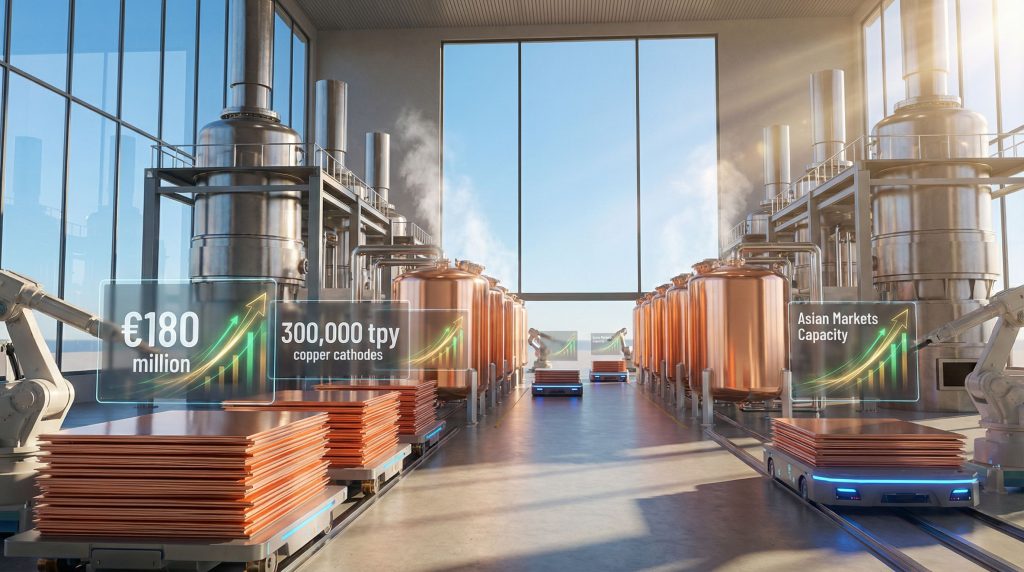
Metso copper smelter delivery in Asia represents a significant milestone in regional processing capacity expansion. This comprehensive project encompasses engineering and equipment supply for a facility designed to produce 300,000 tonnes per year of copper cathodes alongside 1.1 million tonnes per year of sulfuric acid. According to industry reports, the €180 million contract value, booked in Q4 2025, represents significant capital deployment in regional processing capability.
The technical specifications reveal sophisticated integration across multiple processing stages. The facility incorporates Outotec Flash Smelting technology, PS Converting systems, and comprehensive gas handling infrastructure. Furthermore, key components include gas cleaning systems, sulfuric acid production facilities, copper electrolytic refineries, and precious metals recovery operations.
According to Metso leadership, their Flash Smelting technology represents the most widely applied method for large-scale copper smelting globally. The company's track record spans more than 50 copper smelter deliveries since the 1950s, positioning them as established technology providers in this specialised market. Additionally, their Metso Plus solutions portfolio emphasises environmental performance through CO2 emission reductions and improved energy and water efficiency.
Key Project Components:
- Main smelter facilities utilising Flash Smelting technology
- PS Converting technology integration
- Comprehensive gas handling and cleaning systems
- Sulfuric acid production plant
- Copper electrolytic refinery
- Precious metals refinery
- Site services and spare parts support
The contract structure includes options for scope expansion, indicating potential for additional investment phases as market conditions evolve. This flexible approach allows operators to scale capacity incrementally whilst maintaining technological coherence across facility expansions.
Why Asian Copper Processing Capacity Continues Expanding
Regional demand fundamentals drive sustained investment in Asian copper processing infrastructure. Manufacturing sector growth across emerging economies creates steady consumption patterns for refined copper products, whilst infrastructure development programmes generate substantial metal requirements. Moreover, the ongoing energy transition in mining amplifies these trends as renewable energy systems, electric vehicles, and grid modernisation projects require significant copper inputs.
Supply chain localisation strategies influence processing capacity allocation decisions. Regional operators seek to reduce dependence on overseas refining services whilst capturing greater value-added margins from domestic ore resources. Consequently, this trend encourages investment in modern smelting facilities that can process complex concentrates whilst meeting environmental standards.
Investment climate indicators support continued capacity expansion across the region. Technology upgrade cycles affect existing facilities as operators balance retrofit costs against new build advantages. Furthermore, environmental compliance requirements increasingly favour modern technologies that achieve superior emission control and resource efficiency compared to legacy systems.
Regional Investment Drivers:
- Manufacturing sector copper consumption growth
- Infrastructure development requirements
- Energy transition metal demand acceleration
- Supply chain localisation initiatives
- Environmental compliance standards
- Technology modernisation cycles
The timing of major processing investments reflects broader commodity cycle considerations. Operators must balance current market conditions against long-term demand projections whilst managing construction timelines and financing costs. However, successful projects typically demonstrate robust economics across various price scenarios whilst maintaining operational flexibility.
Technology Evolution in Modern Copper Smelting Operations
Flash Smelting technology represents a significant advancement over traditional copper processing methods. This approach enables energy efficiency improvements whilst reducing environmental emissions compared to conventional smelting techniques. In addition, the technology demonstrates particular effectiveness when processing challenging concentrate compositions that pose difficulties for alternative methods.
Energy efficiency gains translate directly into operational cost advantages as smelting operations consume substantial electricity and fuel inputs. Modern Flash Smelting systems optimise heat recovery and minimise energy waste through improved process control and thermal management. Consequently, these efficiencies become increasingly valuable as energy costs rise and carbon taxation affects heavy industry operations.
Raw material flexibility provides strategic advantages for smelter operators who must process diverse concentrate supplies. Flash Smelting technology accommodates varying ore grades and compositions whilst maintaining consistent output quality. For instance, this flexibility enables operators to source materials opportunistically whilst adapting to changing supply conditions.
Flash Smelting Technology Benefits:
- Superior energy efficiency versus traditional methods
- Reduced environmental emissions
- Enhanced raw material processing flexibility
- Improved operational cost structures
- Advanced process control capabilities
- Optimised heat recovery systems
Process integration opportunities create additional value through co-product development and waste stream minimisation. Modern facilities combine copper cathode production with sulfuric acid manufacturing, precious metals recovery, and gas cleaning operations. Furthermore, these integrated systems maximise resource utilisation whilst generating multiple revenue streams from single processing campaigns.
Gas cleaning technology represents a critical component of modern smelting operations as environmental regulations tighten globally. Advanced systems capture sulfur dioxide and other emissions whilst recovering valuable materials for industrial use. However, sulfuric acid production from captured emissions transforms environmental compliance costs into revenue opportunities.
Global Supply Chain Implications of Large-Scale Processing Projects
The addition of 300,000 tonnes per year of copper cathode capacity represents meaningful supply increments that influence regional market balances. This production level positions the facility among significant processing operations whilst contributing to overall regional refining capacity. Additionally, the simultaneous production of 1.1 million tonnes of sulfuric acid creates substantial co-product availability for industrial users.
Regional processing capacity distribution affects logistics costs and supply chain resilience for manufacturing customers. Local smelting capability reduces transportation expenses and delivery lead times whilst providing greater supply security. Furthermore, these advantages become particularly valuable during periods of global trade disruption or transportation constraints.
Technology provider market positioning influences competitive dynamics across the equipment manufacturing sector. According to mining industry reports, Metso's extensive track record in copper smelter delivery creates competitive advantages through proven technology performance and established customer relationships. Their portfolio spanning Flash Smelting, Ausmelt processes, and advanced gas cleaning systems provides comprehensive solutions for diverse project requirements.
Supply Chain Impact Factors:
- Regional processing capacity additions
- Logistics cost optimisation opportunities
- Supply chain resilience enhancement
- Technology provider competitive positioning
- Service and support infrastructure development
- Lifecycle maintenance capabilities
Service and lifecycle support considerations affect long-term project economics as smelting facilities require ongoing maintenance and technology upgrades throughout operational lifespans. Technology providers with comprehensive service capabilities create sustained customer relationships whilst generating recurring revenue streams beyond initial equipment sales.
Environmental Performance and Operational Efficiency Standards
Sustainability performance metrics increasingly influence technology selection decisions as operators face mounting environmental compliance requirements. Modern smelting technologies achieve significant CO2 emission reductions compared to legacy systems whilst improving energy and water efficiency. In addition, these improvements address both regulatory requirements and operational cost optimisation objectives.
Energy efficiency improvements directly impact operational economics as smelting operations consume substantial power inputs. Advanced technologies optimise energy utilisation through improved process control, heat recovery systems, and thermal management. Furthermore, water efficiency gains reduce consumption requirements whilst minimising wastewater treatment costs.
Metal recovery optimisation ensures maximum value extraction from processed concentrates whilst minimising waste generation. Modern technologies achieve higher recovery rates even from challenging raw materials, improving project economics whilst reducing environmental impact. Consequently, these capabilities become increasingly important as ore grades decline globally.
Environmental Performance Indicators:
- CO2 emission reduction capabilities
- Energy efficiency improvements
- Water consumption optimisation
- Metal recovery rate enhancement
- Waste stream minimisation
- Air quality impact reduction
Environmental permitting processes affect project timelines and require comprehensive impact assessments. Modern technologies with proven environmental performance facilitate regulatory approvals whilst reducing permitting risks and delays.
The next major ASX story will hit our subscribers first
Investment Evaluation Framework for Processing Equipment Opportunities
Financial performance indicators for major equipment contracts reflect complex project economics involving capital investment, operational efficiency, and long-term service relationships. The €180 million contract value represents substantial capital deployment requiring careful risk assessment and return analysis. However, contract structures increasingly include performance guarantees and lifecycle service provisions that affect overall project economics.
Technology provider margin profiles vary significantly based on competitive positioning, technological differentiation, and service capabilities. Companies with proprietary technologies and proven track records typically achieve higher margins whilst maintaining customer relationships through comprehensive support services. Furthermore, project execution capabilities affect both initial contract profitability and long-term customer satisfaction.
Service revenue potential extends well beyond initial equipment delivery as smelting facilities require ongoing maintenance, technology upgrades, and operational support throughout multi-decade lifespans. These recurring revenue streams provide stable income sources whilst deepening customer relationships and creating competitive barriers.
Investment Evaluation Criteria:
- Contract value benchmarking and margin analysis
- Technology differentiation and competitive positioning
- Service revenue potential and lifecycle value
- Project execution track record and capabilities
- Customer relationship depth and duration
- Market position and competitive advantages
Strategic investment themes encompass copper demand growth alignment, technological leadership sustainability, and geographic expansion opportunities. Successful equipment manufacturers demonstrate consistent innovation capabilities whilst maintaining competitive advantages through intellectual property and operational excellence.
Future Outlook for Copper Processing Technology Development
Technological advancement continues reshaping copper processing capabilities as equipment manufacturers invest in next-generation solutions. Advanced process control systems, artificial intelligence applications, and automation technologies promise further efficiency improvements whilst reducing operational complexity. Moreover, these developments in data-driven mining operations support operational optimisation whilst addressing skilled labour constraints in remote mining locations.
Market consolidation trends affect competitive dynamics as larger technology providers acquire specialised capabilities whilst expanding geographic reach. Scale advantages in research and development, global service networks, and customer relationship management create barriers to entry for smaller competitors.
Sustainability requirements will continue driving technology development as environmental regulations tighten and corporate sustainability commitments expand. Future innovations likely emphasise carbon footprint reduction, circular economy principles, and resource efficiency optimisation. Consequently, these trends create opportunities for technology providers that successfully anticipate and address evolving customer requirements.
Future Development Trends:
- Advanced process automation and AI integration
- Enhanced environmental performance capabilities
- Improved energy efficiency and carbon reduction
- Greater raw material processing flexibility
- Predictive maintenance and digital optimisation
- Modular design for scalable capacity expansion
Regional processing capacity development will continue reflecting demand growth patterns and supply chain localisation strategies. Asian markets particularly demonstrate sustained investment appetite for modern smelting facilities that support manufacturing growth and infrastructure development. Furthermore, the broader mining industry evolution helps identify emerging opportunities and competitive positioning requirements.
The Metso copper smelter delivery in Asia exemplifies how technology providers position themselves for sustained growth in evolving markets. The integration of recycling capabilities with primary processing represents an important growth area as circular economy principles gain adoption. Electronic waste processing and secondary material recovery create additional revenue opportunities whilst supporting sustainability objectives. However, technology providers that successfully integrate these capabilities may achieve competitive advantages in evolving markets.
Looking to Capitalise on Major Copper Processing Opportunities?
Discovery Alert's proprietary Discovery IQ model delivers real-time notifications on significant ASX mineral discoveries, instantly empowering subscribers to identify actionable copper investment opportunities ahead of the broader market. Begin your 30-day free trial today and secure your market-leading advantage in the rapidly evolving copper sector.