July 22, 2026

The gold price rises amid middle east conflict has become a defining characteristic of modern financial markets, where regional instability creates cascading effects across asset classes and investment strategies. When uncertainty emerges from geopolitical tensions, particularly those affecting critical infrastructure and energy supplies, investors systematically rebalance portfolios toward assets that preserve value independently of traditional financial counterparties. This fundamental shift in risk assessment drives demand for tangible stores of wealth that have historically maintained purchasing power during periods of monetary and political upheaval.
Understanding Safe-Haven Asset Dynamics During Regional Instability
Crisis hedging represents more than simple flight-to-quality behaviour. It reflects institutional recognition that certain assets provide portfolio protection through characteristics that remain stable when conventional financial relationships break down. Gold functions as a primary crisis hedge because it maintains intrinsic value without relying on government backing, corporate performance, or currency stability. During periods of heightened uncertainty, this independence from systemic risk becomes particularly valuable.
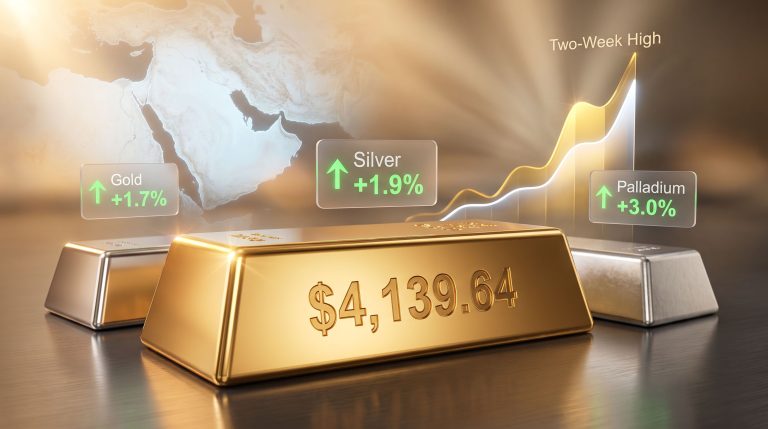
Current market conditions demonstrate this dynamic clearly. Furthermore, despite significant day-to-day volatility, with precious metals experiencing both sharp declines and subsequent recoveries, underlying demand patterns reflect persistent institutional interest in portfolio protection. The ability of record-high gold prices to recover quickly after technical corrections suggests strong fundamental support from investors seeking alternatives to traditional financial assets.
Portfolio rebalancing during crisis periods follows predictable patterns driven by institutional risk management protocols rather than emotional decision-making. However, when equity markets experience broad selloffs, forcing investors to liquidate positions to meet margin calls across multiple asset classes, precious metals often benefit from this mechanical reallocation. This creates opportunities for disciplined investors who understand the difference between temporary technical pressure and fundamental demand shifts.
Key characteristics of effective crisis hedging include:
• Non-correlation with traditional financial assets during stress periods
• Liquidity maintenance even when other markets become disrupted
• Independence from specific currency or governmental stability
• Historical precedent for value preservation during inflationary periods
The relationship between geopolitical events and safe-haven asset performance varies depending on the nature and scope of the crisis. In addition, regional conflicts that threaten global trade routes or energy supplies typically create more sustained precious metals demand than localised political disputes with limited economic impact.
When big ASX news breaks, our subscribers know first
Energy Market Disruptions and Inflation Transmission
Strategic chokepoints in global energy transportation create vulnerabilities that extend far beyond immediate supply and demand balances. The Strait of Hormuz, handling approximately 20% of global petroleum liquids, exemplifies how geographic bottlenecks can trigger widespread market volatility. When traffic through such critical waterways faces disruption, energy prices surge not merely due to immediate supply constraints, but also because of risk premiums reflecting potential future disruptions.
Energy price shocks create multi-layered inflationary pressures that cascade through the global economy over different timeframes. Direct energy costs affect consumers immediately, while transportation expenses increase manufacturing and distribution costs over subsequent months. This creates a complex transmission mechanism where precious metals serve multiple functions: immediate inflation hedging, currency debasement protection, and portfolio insurance against extended economic disruption.
Current market data illustrates this transmission process in real-time. For instance, oil prices have maintained elevated levels despite various policy interventions, with Brent crude holding near $82 per barrel and WTI crude at approximately $75 per barrel. These price levels reflect not only current supply constraints but also risk premiums for potential future disruptions. The oil price rally analysis demonstrates how different energy commodities respond to varying supply chain risks.
The relationship between energy disruptions and monetary policy creates additional complexity for precious metals valuation. Central banks face competing pressures: containing inflation from energy price shocks while maintaining economic stability through accommodative policy. Consequently, this policy dilemma often results in real interest rate compression, creating favourable conditions for non-yielding assets like gold.
Energy-inflation transmission mechanisms include:
• Immediate transportation cost increases affecting goods movement
• Manufacturing input cost inflation impacting producer prices
• Consumer energy expense increases reducing discretionary spending
• Currency weakness in energy-importing nations driving local precious metals demand
Market participants have substantially revised Federal Reserve policy expectations based on energy-driven inflation risks. Trading probabilities for rate cuts have shifted dramatically, from fully pricing in two quarter-point reductions to only 80% odds of more than one cut for the entire year. This revision demonstrates how energy market disruptions can rapidly alter monetary policy landscapes and, consequently, gold price rises amid middle east conflict scenarios.
Supply chain resilience has become a critical consideration for both governments and corporations. President Trump's announcement of naval escorts and insurance guarantees for oil tankers represents recognition that security measures may be necessary to maintain energy supply continuity. Such interventions highlight how geopolitical tensions force policy responses that extend beyond traditional economic tools.
Monetary Policy Divergence During Geopolitical Stress
Central bank decision-making during geopolitical crises reflects the inherent tension between inflation control and financial stability support. When energy price shocks create inflationary pressures, traditional monetary policy responses may conflict with the need to maintain economic stability during periods of uncertainty. This creates policy environments where precious metals can benefit regardless of the specific monetary approach adopted.
Real interest rate compression emerges as a key mechanism supporting precious metals during crisis periods. If central banks raise nominal rates to combat energy-driven inflation, they risk creating economic disruption during already unstable periods. Alternatively, maintaining accommodative policies allows inflation expectations to rise, reducing real returns on interest-bearing assets and enhancing the relative attractiveness of gold and silver.
Federal Reserve communication strategies during crisis periods significantly influence market expectations and asset valuations. The rapid shift in rate cut probabilities within a single trading session demonstrates how central bank messaging regarding inflation concerns can reshape investor behaviour. When policymakers signal concerns about energy-driven inflation, markets immediately adjust expectations for monetary accommodation.
Policy coordination becomes essential during geopolitical crises that affect multiple economies simultaneously. Furthermore, while individual central banks may face domestic pressures to adjust monetary policy, coordinated responses can help prevent competitive devaluations or policy conflicts that might exacerbate global instability.
Central bank policy considerations during crises:
• Inflation targeting versus financial stability objectives
• Communication strategies to manage market expectations
• International coordination to prevent policy conflicts
• Unconventional policy tool deployment when traditional methods prove insufficient
Reserve diversification strategies gain importance during periods when traditional monetary relationships face stress. Central banks accelerate gold accumulation as part of broader efforts to reduce dependence on any single currency or monetary system. This institutional demand provides fundamental support for precious metals pricing beyond speculative trading activity, particularly when examining the global recession analysis and its implications for monetary policy.
Currency Market Volatility and Gold Price Discovery
Traditional inverse correlations between dollar strength and gold prices often break down during geopolitical crises when both assets serve as safe-haven instruments. This breakdown occurs because crises can create simultaneous demand for U.S. dollar-denominated assets (as the global reserve currency) and precious metals (as stores of intrinsic value). Recent market data demonstrates this phenomenon clearly, with the dollar rallying 1.4% while gold maintained positive performance.
Flight-to-quality mechanisms become more complex when geopolitical events threaten global financial stability rather than affecting specific currency zones. In such circumstances, investors may seek both the liquidity advantages of dollar-denominated assets and the independence benefits of precious metals. This dual demand pattern can support both asset classes simultaneously, contradicting traditional correlation patterns.
Currency weakness in energy-importing nations creates regional demand patterns that support precious metals pricing independently of dollar-gold relationships. As domestic currencies lose value against the dollar due to energy import costs, local populations often increase gold purchases for inflation protection and wealth preservation. This creates geographically distributed demand that operates parallel to global investment flows.
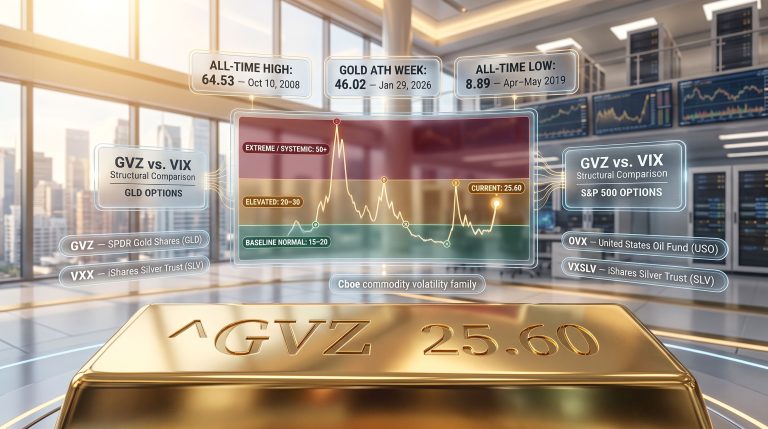
Cross-currency volatility during crisis periods generates hedging demand that can benefit precious metals markets, particularly when considering volatility hedging strategies that investors employ during uncertain times. When exchange rate fluctuations create uncertainty for international trade and investment, gold and silver serve as neutral stores of value that avoid exposure to specific currency risks.
Currency market dynamics affecting precious metals:
• Dollar strength supporting reserve currency demand while safe-haven flows support gold
• Emerging market currency weakness driving local precious metals purchases
• Cross-currency volatility creating demand for currency-neutral stores of value
• Trade-weighted dollar movements affecting commodity pricing mechanisms
Year-to-date gold performance, showing approximately 19% gains through early 2026 despite periods of dollar strength, illustrates how safe-haven demand can sustain precious metals valuations. However, the achievement of all-time highs above $5,595 per ounce demonstrates the strength of fundamental demand during periods of sustained geopolitical uncertainty.
Bond yield movements add another layer of complexity to currency-gold relationships. When yields advance alongside dollar strength, the traditional headwinds for precious metals (higher opportunity costs for non-yielding assets) compete with safe-haven demand driven by crisis concerns. The resolution of this tension depends on investor assessment of whether yield increases reflect economic strength or monetary policy responses to crisis-induced inflation.
According to CNBC analysis, "Gold extends gains as Middle East war boosts safe-haven demand", highlighting how the gold price rises amid middle east conflict represents a fundamental shift in investor risk assessment.
Market Structure Changes and Volatility Amplification
Electronic trading systems and algorithmic strategies have fundamentally altered how precious metals markets respond to geopolitical events. High-frequency trading algorithms programmed to react to news sentiment can create rapid price adjustments that exceed changes justified by fundamental factors alone. This technological infrastructure can amplify both upward and downward price movements during crisis periods.
News sentiment analysis systems now monitor global information flows continuously, triggering automated trading responses within milliseconds of geopolitical developments. While this creates more efficient price discovery in normal markets, it can also generate excessive volatility during crisis periods when conflicting information creates rapid sentiment shifts.
Cross-asset correlation models embedded in institutional portfolio management systems can trigger simultaneous adjustments across multiple asset classes when risk parameters change. During geopolitical crises, these systematic rebalancing mechanisms can create synchronised selling pressure initially, followed by reallocation toward safe-haven assets as risk models adjust to new market conditions.
Modern market structure impacts on precious metals:
• Algorithm-driven trading amplifying price movements beyond fundamental justification
• Cross-asset correlation models triggering systematic portfolio rebalancing
• Liquidity provision challenges during extreme market conditions
• Volatility targeting strategies automatically increasing precious metals exposure during crisis periods
Exchange-traded product flows provide transparent indicators of investor sentiment changes, with inflow patterns often preceding spot price movements. These investment vehicles create direct linkages between retail and institutional investor risk perception and physical gold demand, making market sentiment more visible than in previous decades.
Liquidity provision in precious metals markets faces unique challenges during geopolitical crises when physical movement of bullion may be restricted. Recent disruptions to gold flows from Dubai due to flight cancellations demonstrate how crisis-related logistics problems can create temporary supply-demand imbalances independent of investment demand changes.
Investment Flow Patterns During Regional Conflicts
Institutional investors typically implement systematic risk reduction protocols during geopolitical crises, following predetermined guidelines rather than emotional reactions. Value-at-Risk models automatically trigger position reductions when volatility exceeds specified thresholds, while commodity allocation algorithms may increase precious metals exposure within balanced portfolios as correlation patterns shift.
Professional investment managers distinguish between tactical positioning for short-term crisis volatility and strategic allocation for long-term portfolio protection. This distinction becomes crucial during extended geopolitical uncertainty when short-term trading opportunities must be balanced against fundamental portfolio protection needs.
Retail investor behaviour during crisis periods often exhibits different patterns than institutional responses, with individual investors sometimes making more emotion-driven decisions. Understanding these behavioural differences helps explain precious metals price volatility and trading volume patterns, particularly during the initial phases of geopolitical developments.
Investment flow characteristics during crises:
• Institutional systematic risk reduction creating initial selling pressure
• Subsequent reallocation toward defensive assets as risk models adjust
• Retail investor emotion-driven decisions creating additional volatility
• Long-term strategic allocation increases supporting fundamental demand
Hedge fund positioning in precious metals futures markets influences volatility patterns and price discovery mechanisms. When speculative positioning is not extremely elevated, technical corrections may be more limited, as noted by currency strategists observing that moderate futures positioning should constrain downside movements.
Pension funds and sovereign wealth funds operate with longer investment horizons that make them less sensitive to short-term volatility but more focused on long-term wealth preservation. These institutional investors often increase precious metals allocation during extended periods of geopolitical uncertainty as part of strategic asset diversification.
The next major ASX story will hit our subscribers first
Long-Term Structural Factors Supporting Gold During Crisis Periods
Sovereign Debt and Fiscal Pressures
Sovereign debt sustainability concerns across developed economies create underlying support for alternative monetary assets that function independently of government fiscal capacity. Regional conflicts requiring increased defence spending or economic support measures can exacerbate existing fiscal pressures, enhancing precious metals appeal as hedges against potential currency debasement.
The historic gold surge explained demonstrates how investors increasingly view gold as protection against mounting fiscal imbalances and monetary system uncertainties.
Deglobalisation and Supply Chain Resilience
Deglobalisation trends accelerated by geopolitical tensions support demand for assets that provide portfolio diversification benefits independent of global trade flows. As supply chains become more regionalised and countries prioritise strategic resource security, physical assets like precious metals gain importance as portfolio stabilisers.
Financial system resilience has become a priority for both governments and institutional investors following various crisis experiences. This focus on systemic risk reduction supports demand for assets that operate outside traditional financial system dependencies, providing portfolio protection when conventional markets face stress.
Structural trends supporting precious metals:
• Government debt sustainability concerns driving alternative monetary asset demand
• Supply chain regionalisation reducing dependence on global trade stability
• Strategic resource security initiatives including monetary diversification
• Financial system resilience planning incorporating non-traditional assets
Critical mineral supply security initiatives reflect broader trends toward resource independence that extend beyond immediate industrial applications. As countries develop comprehensive resource security strategies, precious metals often receive consideration as both industrial inputs and monetary alternatives.
Central bank reserve diversification strategies have evolved beyond traditional currency holdings to include increased precious metals allocation. This institutional trend provides fundamental demand support that operates independently of speculative trading patterns or short-term investment flows.
According to Bloomberg's reporting, "Gold rises as escalating conflict in Middle East stokes demand", reinforcing how structural changes in global monetary systems continue supporting precious metals despite short-term volatility.
Investment Strategy Framework for Crisis Periods
Time Horizon Considerations
Effective precious metals investment during geopolitical crises requires distinguishing between different time horizons and their corresponding analytical approaches. Short-term tactical positioning focuses on volatility patterns and momentum indicators, while longer-term strategic allocation emphasises structural economic changes and monetary system evolution.
Technical analysis reliability may decrease during crisis periods when fundamental-driven price movements override historical support and resistance levels. Investors should emphasise volume patterns, cross-asset correlations, and institutional flow indicators rather than relying solely on price-based technical patterns.
Risk management frameworks must account for the unique characteristics of crisis markets where traditional correlations may break down temporarily. This requires scenario-based planning that considers multiple potential outcomes rather than relying on historical relationship patterns.
Investment horizon considerations:
• Short-term: Volatility patterns and momentum-based positioning
• Medium-term: Central bank policy responses and energy market developments
• Long-term: Structural economic changes and monetary system evolution
Portfolio construction during crisis periods should consider the interaction between precious metals allocation and other portfolio components. While gold and silver may provide effective hedging benefits, their effectiveness depends partly on correlation patterns with other portfolio holdings during stress periods.
Position sizing during crisis periods requires balancing the potential for significant upward moves against the possibility of rapid reversals when tensions ease. This suggests graduated allocation strategies rather than concentrated positioning based on specific geopolitical developments.
Economic Scenarios and Future Market Dynamics
Conflict Resolution Pathways
Conflict resolution pathways create varying implications for precious metals pricing depending on whether resolution occurs through diplomatic agreement, military conclusion, or extended stalemate. Diplomatic solutions typically trigger rapid reversals in crisis premiums, while prolonged conflicts can establish new baseline risk assessments supporting sustained higher prices.
Central bank policy normalisation following crisis periods significantly influences precious metals performance trajectories. Gradual policy adjustments with clear forward guidance create different market dynamics than rapid policy changes in response to persistent inflation or financial stability concerns.
Energy market evolution during and after geopolitical crises affects long-term precious metals demand through inflation transmission mechanisms. Permanent changes to energy supply chains or strategic reserve policies can alter baseline inflation expectations and, consequently, precious metals investment demand.
Scenario analysis considerations:
• Diplomatic resolution scenarios triggering rapid crisis premium reversals
• Extended conflict situations establishing higher baseline risk premiums
• Policy normalisation paths affecting real interest rate trajectories
• Structural energy market changes influencing long-term inflation expectations
Regional economic impacts from prolonged conflicts may create lasting changes to global trade patterns and currency relationships. These structural shifts could permanently alter the role of precious metals in international monetary arrangements and institutional portfolio allocation strategies.
Technology adoption in precious metals markets continues evolving, with blockchain-based settlement systems and digital gold instruments potentially changing how investors access precious metals exposure. These innovations may affect market structure and volatility patterns during future crisis periods.
Understanding how gold price rises amid middle east conflict requires recognising the complex interaction between immediate crisis responses and longer-term structural changes. While short-term price movements reflect investor sentiment and technical factors, sustained precious metals performance during extended uncertainty periods demonstrates the enduring appeal of tangible assets that preserve value independently of financial system stability. As global economic relationships continue evolving in response to geopolitical pressures, precious metals maintain their historical role as portfolio stabilisers and wealth preservation vehicles during times when traditional financial relationships face unprecedented challenges.
Disclaimer: This analysis is for educational purposes only and does not constitute investment advice. Precious metals investments involve risks, including price volatility and potential loss of principal. Past performance does not guarantee future results. Readers should conduct their own research and consult qualified financial professionals before making investment decisions.
Want to Capitalise on Gold's Next Major Discovery?
Discovery Alert's proprietary Discovery IQ model delivers real-time alerts on significant ASX mineral discoveries, helping investors identify actionable opportunities before broader market recognition. Explore historic discoveries that have generated substantial returns, then begin your 14-day free trial to position yourself ahead of the market during these volatile times.