
June 24, 2026
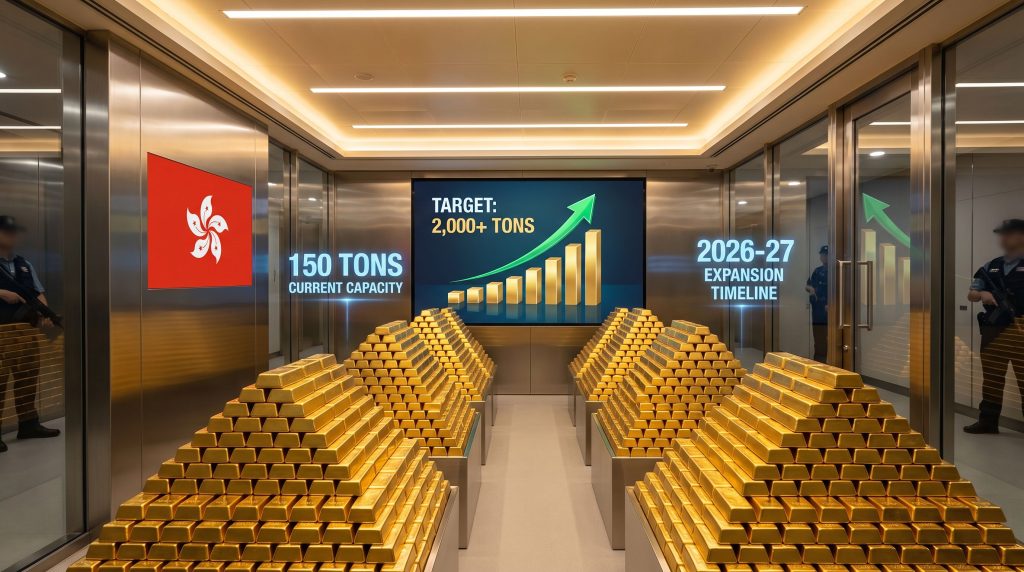
The global precious metals landscape faces unprecedented disruption as traditional storage hierarchies encounter mounting geopolitical pressures and shifting wealth patterns. Central banks worldwide are reassessing their bullion allocation strategies, driven by supply chain vulnerabilities exposed during recent international tensions and the emergence of new financial corridors linking Asia, the Middle East, and the Global South. This transformation creates strategic opportunities for emerging Hong Kong gold storage hub initiatives that can offer geographic diversification, political neutrality, and enhanced accessibility to rapidly growing markets.
What Makes a Global Gold Storage Hub Strategically Valuable?
The Three Pillars of Gold Vault Dominance
The architecture of global gold storage rests on three fundamental pillars: institutional trust, operational infrastructure, and strategic positioning. Leading storage centres combine regulatory certainty with physical security, creating environments where sovereign wealth funds, central banks, and institutional investors can store billions of dollars worth of precious metals with confidence.
Current Global Gold Storage Hierarchy:
| Storage Hub | Capacity | Key Advantages | Primary Clients |
|---|---|---|---|
| London | 9,000+ tons | LBMA clearing, historical trust | Western central banks, ETFs |
| New York | 8,000+ tons | Federal Reserve backing, dollar liquidity | US institutions, international reserves |
| Singapore | 1,200+ tons | Asian timezone, political neutrality | Regional wealth funds, private clients |
| Hong Kong | Target: 2,000+ tons | China gateway, dual legal system | Emerging market institutions |
The concentration of global gold reserves in Western financial centres creates systemic vulnerabilities that sophisticated institutional investors increasingly recognise. Traditional hubs built their dominance during the Bretton Woods era when Western financial institutions controlled international monetary flows, but this geographic concentration now presents risk concentration challenges for diversified portfolios.
Why Traditional Storage Models Are Being Disrupted
Geopolitical risk concentration in established financial centres has become a critical concern for institutional gold allocators. The traditional model of storing precious metals primarily in London and New York reflects historical patterns rather than current risk management best practices. Consequently, this creates opportunities for alternative hubs that can offer geographic and political diversification.
Rising demand from Global South central banks represents a fundamental shift in gold market performance. These institutions seek storage solutions that align with their evolving geopolitical relationships while providing cost-effective access to international markets. The traditional Western-centric storage model often fails to meet these requirements, creating market gaps that regional hubs can address.
Supply chain diversification imperatives have intensified following recent international tensions and sanctions regimes. Institutional investors now prioritise storage networks that can maintain operational continuity regardless of shifting political relationships between major powers. Furthermore, this drives demand for hubs positioned outside traditional Western financial centres.
When big ASX news breaks, our subscribers know first
How Is Hong Kong's Government Engineering Its Gold Hub Strategy?
The 2026-27 Budget Blueprint for Bullion Dominance
Hong Kong's government has unveiled an ambitious infrastructure development programme targeting regional gold storage leadership through systematic capacity expansion and regulatory framework enhancement. The initiative represents a coordinated effort to leverage the city's unique position as a bridge between Chinese domestic markets and international financial systems.
Financial Secretary Paul Chan's 2026-27 budget announcement outlines plans to expand vault capacity beyond 2,000 tons within three years, supported by comprehensive clearing system development and enhanced regulatory frameworks for precious metals storage and trading.
The government's strategic approach emphasises building institutional-grade infrastructure that can compete with established international standards while offering unique advantages through Asian timezone coverage and Chinese market connectivity. This positioning targets the growing wealth management needs of Asian high-net-worth individuals. In addition, it serves institutional investors seeking alternatives to Western storage solutions.
Infrastructure Expansion Timeline and Targets
Hong Kong's vault development follows a phased approach designed to build credibility through demonstrated capacity while preparing for larger-scale operations:
- Current baseline: Airport Authority facility at 150-ton capacity
- Phase 1 (2026): 200-ton capacity expansion at existing airport location
- Phase 2 (2027-2028): 1,000-ton regional hub development with enhanced security systems
- Phase 3 (2029+): 2,000+ ton international centre status with comprehensive financial product ecosystem
The timeline reflects lessons learned from Singapore's successful development as a regional precious metals hub. Moreover, it emphasises gradual capacity building supported by regulatory framework development and client relationship establishment. Each phase includes specific milestones for security infrastructure, insurance coverage, and operational certification meeting international institutional standards.
The Shanghai Gold Exchange Partnership Framework
Cross-border clearing system development represents a critical component of Hong Kong's gold hub strategy, enabling seamless transactions between Chinese domestic markets and international participants. The framework establishes operational protocols for settlement, custody, and risk management across different regulatory jurisdictions whilst maintaining compliance with both Hong Kong and mainland Chinese requirements.
Trial operations scheduled for 2026 will test system integration capabilities and establish operational procedures for cross-border gold transactions. The pilot programme focuses on institutional participants and standardised products, providing a controlled environment for refining processes before broader market access.
Cost reduction and liquidity enhancement mechanisms built into the partnership framework address key competitive disadvantages that have historically limited Asian precious metals markets. By reducing transaction costs and settlement times, Hong Kong aims to create compelling economic incentives for institutions to diversify their storage and trading activities away from established Western centres.
What Competitive Advantages Does Hong Kong Possess Over Established Hubs?
Geographic and Temporal Strategic Positioning
Hong Kong's location provides Asian timezone coverage during London and New York market closures, enabling continuous global trading and settlement activities. This temporal advantage becomes increasingly valuable as Asian wealth accumulation drives regional demand for precious metals services during local business hours.
Proximity to the world's largest gold consumer market positions Hong Kong strategically for serving Chinese demand whilst maintaining international connectivity. China's dual role as both the world's largest gold producer and consumer creates natural demand for regional storage and trading infrastructure that can serve domestic participants whilst providing international market access.
The city's gateway function between Chinese domestic and international markets offers unique value propositions for institutions seeking to participate in Chinese gold markets whilst maintaining operational flexibility. This positioning becomes particularly valuable as China continues monetary system diversification and yuan internationalisation initiatives.
Regulatory and Legal Framework Benefits
Hong Kong's dual legal system provides Western legal certainty combined with Chinese market access, creating operational advantages unavailable in pure Western or Chinese jurisdictions. This framework enables international institutions to engage with Chinese markets whilst maintaining familiar legal protections and dispute resolution mechanisms.
Free trade zone status facilitates duty-free storage and movement of precious metals, reducing operational costs compared to jurisdictions with import duties or transaction taxes on bullion movements. These cost advantages compound over time, creating meaningful economic incentives for large-scale storage operations.
Established financial infrastructure supporting complex derivative products provides the operational foundation for sophisticated precious metals services. Hong Kong's existing capabilities in foreign exchange, clearing, and settlement can be leveraged for gold market development without requiring entirely new institutional frameworks.
Political Neutrality in an Increasingly Polarised World
Hong Kong's non-aligned status in US-China trade tensions provides operational advantages for institutions seeking to avoid political complications in their storage decisions. However, whilst the city maintains strong ties to both Chinese and Western financial systems, its unique status offers protection from some geopolitical pressures affecting purely Western or Chinese financial centres.
The territory's historical role as a neutral financial intermediary continues to provide credibility with diverse international clients. This reputation, built over decades of serving as a bridge between different economic systems, offers competitive advantages in attracting institutions concerned about political risk in their storage decisions.
Reduced sanctions risk compared to Western financial centres may become increasingly relevant as global sanctions regimes expand and institutional investors seek storage solutions with lower regulatory compliance complexity for clients from diverse jurisdictions.
How Are Geopolitical Tensions Reshaping Global Gold Storage Patterns?
The Middle East Conflict Impact on Safe-Haven Demand
Recent Middle Eastern tensions have intensified institutional focus on diversification away from traditional centres due to security concerns and potential accessibility issues during crisis periods. Hong Kong's emerging role as a global gold trading hub reflects these shifting institutional priorities. Financial institutions now evaluate storage decisions through enhanced risk frameworks that consider geopolitical stability alongside traditional factors like regulatory certainty and operational efficiency.
Increased demand from Middle Eastern sovereign wealth funds reflects shifting priorities among institutions managing large-scale precious metals allocations. These entities seek storage solutions that provide political neutrality whilst maintaining operational excellence and international connectivity, creating opportunities for hubs positioned outside traditional Western financial centres.
Supply chain risk management considerations now drive institutional storage decisions as organisations recognise vulnerabilities in geographically concentrated storage models. The concentration of global gold reserves in a limited number of Western financial centres creates systemic risks that sophisticated institutional investors increasingly seek to mitigate through geographic diversification.
Global South Central Bank Behaviour Shifts
De-dollarisation trends among emerging market central banks influence gold allocation strategies as these institutions seek to reduce dependence on Western financial infrastructure. This shift creates demand for precious metals storage solutions that align with evolving geopolitical relationships whilst providing access to international markets.
Regional hub preference over Western financial centres reflects changing institutional priorities among Global South actors. These organisations increasingly favour storage solutions that provide operational autonomy whilst maintaining international connectivity. Consequently, this creates market opportunities for hubs positioned outside traditional Western financial centres.
Cost optimisation through Asian storage solutions becomes increasingly attractive as institutions evaluate total cost of ownership for precious metals storage. Regional hubs can offer significant cost advantages through lower operational expenses, reduced transportation costs, and simplified regulatory compliance for regional clients.
What Infrastructure and Services Must Hong Kong Develop?
Physical Storage Capacity Requirements
Hong Kong's vault expansion roadmap emphasises systematic capacity building supported by institutional-grade security and operational systems:
Vault Development Phases:
| Phase | Timeline | Capacity Target | Key Infrastructure |
|---|---|---|---|
| Phase 1 | 2026 | 200 tons | Enhanced airport facility security |
| Phase 2 | 2027-2028 | 1,000 tons | Dedicated regional hub development |
| Phase 3 | 2029+ | 2,000+ tons | International centre infrastructure |
| Supporting Systems | Ongoing | N/A | Insurance, transportation, technology |
The infrastructure development emphasises meeting international institutional standards for security, insurance coverage, and operational procedures. Each facility must achieve certification from recognised international auditing organisations whilst maintaining cost competitiveness compared to established storage centres.
Financial Product Ecosystem Development
ETF platform expansion targets both retail and institutional investors seeking exposure to precious metals through Hong Kong-listed instruments. The development includes creating competitive fee structures and enhanced liquidity provision mechanisms that can compete with established Western ETF platforms, particularly given record-high gold prices.
Futures market development focuses on providing price discovery mechanisms for Asian timezone trading whilst maintaining connectivity with international markets. The initiative includes establishing clearing and settlement systems that can handle complex derivative products whilst maintaining operational risk management standards.
Clearing and settlement systems designed to reduce transaction costs and settlement risk represent critical competitive advantages for Hong Kong's gold hub development. These systems must integrate with international networks whilst providing enhanced efficiency for regional participants.
Custody services for international financial institutions require comprehensive operational frameworks meeting global institutional standards. The development includes establishing procedures for segregated storage, audit compliance, and risk management that satisfy diverse institutional requirements.
Technology Integration for Competitive Edge
Blockchain verification systems enable enhanced provenance tracking and authenticity verification, addressing growing institutional concerns about precious metals supply chain integrity. These systems can provide competitive advantages by offering transparency and security enhancements unavailable in traditional storage models.
Digital custody solutions facilitate fractional ownership and enhanced liquidity for precious metals investments. The technology enables smaller institutional and retail investors to access professional storage services whilst maintaining ownership verification and transfer capabilities.
Real-time settlement platforms reduce counterparty risk and operational complexity compared to traditional settlement cycles. These systems can provide meaningful competitive advantages by enabling faster transaction processing and reduced settlement risk for institutional participants.
Integration with existing Hong Kong financial technology infrastructure leverages the city's established capabilities in digital payments, foreign exchange, and clearing systems. This approach reduces development costs whilst accelerating time-to-market for enhanced precious metals services.
Who Are Hong Kong's Primary Competitors and How Can It Differentiate?
Singapore's Regional Hub Challenge
Singapore's established infrastructure with over 1,200 tons of storage capacity represents the most direct regional competition for Hong Kong's gold hub ambitions. Singapore has successfully developed institutional-grade facilities and regulatory frameworks that attract both regional and international clients seeking Asian storage solutions.
Political stability and regulatory predictability provide Singapore with competitive advantages in attracting risk-averse institutional clients. The city-state's consistent regulatory approach and stable political environment create operational certainty that institutional investors value highly in storage decisions.
Tax advantages and wealth management ecosystem integration offer Singapore compelling economic incentives for precious metals storage combined with broader wealth management services. These advantages create meaningful cost savings for high-net-worth individuals and family offices managing diversified portfolios.
Hong Kong's counter-strategy emphasises China market access and larger scale ambitions that Singapore cannot readily replicate. By positioning itself as the primary gateway between Chinese domestic markets and international financial systems, Hong Kong can offer unique value propositions unavailable in purely international financial centres.
London's Historical Dominance Vulnerabilities
Brexit-related regulatory uncertainty continues to create operational complexities for London's precious metals markets, particularly in relationships with European Union financial institutions. These uncertainties provide opportunities for alternative hubs that can offer greater regulatory stability and clearer long-term operational frameworks.
Geopolitical alignment limitations reduce London's appeal to non-Western clients seeking storage solutions independent of Western political relationships. As Global South institutions diversify their financial relationships, London's close alignment with Western political structures becomes a competitive disadvantage.
High operational costs compared to Asian alternatives create meaningful economic disadvantages for London-based storage, particularly for price-sensitive institutional clients. Asian hubs can offer significant cost savings through lower labour costs, reduced regulatory compliance expenses, and more efficient operational procedures.
Time zone limitations for Asian market participants create operational inefficiencies that regional hubs can address through local business hour coverage. As Asian wealth accumulation drives regional precious metals demand, timezone alignment becomes an increasingly valuable competitive advantage.
Dubai's Emerging Competition
Dubai's Middle East gateway positioning creates competitive advantages for serving regional wealth and sovereign funds seeking precious metals storage solutions. China's efforts to establish Hong Kong as a gold trading hub indicate the regional competition intensity. The emirate's strategic location and established precious metals trading infrastructure provide strong foundations for regional hub development.
Gold refining and trading infrastructure already established in Dubai offers operational synergies for storage operations. The existing ecosystem of precious metals services can support comprehensive hub development without requiring entirely new infrastructure development.
Free zone advantages and regulatory flexibility provide Dubai with competitive positioning similar to Hong Kong's free trade zone benefits. These advantages create favourable operational environments for international precious metals operations whilst maintaining regulatory compliance.
Hong Kong's advantages include larger financial market depth and stronger Chinese connectivity that Dubai cannot readily replicate. Hong Kong's established financial infrastructure and unique position in Chinese markets provide differentiation opportunities in serving clients seeking exposure to Asian economic growth.
The next major ASX story will hit our subscribers first
What Are the Economic and Strategic Implications for Asia?
Regional Financial Centre Competition Dynamics
The shift in global financial gravity toward the Asia-Pacific region accelerates as regional wealth accumulation drives demand for local financial services. This transformation creates opportunities for Asian financial centres to capture market share from traditional Western hubs whilst serving growing regional client bases with specialised needs.
Competition for yuan internationalisation supporting infrastructure positions the Hong Kong gold storage hub strategically as China continues monetary system diversification. The territory's unique position in Chinese financial markets provides competitive advantages in developing infrastructure supporting yuan-denominated precious metals transactions and settlement.
Wealth management hub development serving high-net-worth Asian clients creates synergies with precious metals storage operations. As Asian wealth accumulation continues, integrated financial service offerings become increasingly valuable for attracting and retaining sophisticated institutional and private clients.
Supply Chain and Trade Route Optimisation
Reduced transportation costs for Asian gold market participants provide meaningful economic advantages for regional storage hubs. As Asian economies continue growing and generating precious metals demand, proximity advantages become increasingly valuable for both operational efficiency and cost management.
Enhanced liquidity through regional concentration enables more efficient price discovery and trading activities during Asian business hours. Regional hub development can improve market efficiency whilst reducing dependence on Western market timing for Asian precious metals activities.
Risk diversification away from Western financial centre concentration addresses systemic vulnerabilities that sophisticated institutional investors increasingly recognise. Geographic distribution of precious metals storage reduces concentration risks whilst improving operational resilience for global financial systems.
Long-term Strategic Positioning for Hong Kong
Integration with Greater Bay Area financial ecosystem creates opportunities for Hong Kong to leverage regional economic development whilst maintaining its international financial centre status. This positioning enables the territory to serve as a bridge between local Chinese markets and international financial systems.
Support for China's gold market development whilst maintaining international connectivity provides unique value propositions unavailable in other regional financial centres. Hong Kong can facilitate Chinese precious metals market development whilst providing international investors with access to Chinese opportunities.
Platform for innovation in digital gold products and services leverages Hong Kong's technology infrastructure and regulatory flexibility. The territory can develop innovative precious metals investment products and services that combine traditional storage with modern technology platforms.
What Challenges Could Undermine Hong Kong's Gold Hub Ambitions?
Regulatory and Political Risk Factors
US-China tensions affecting international confidence represent perhaps the most significant challenge to the Hong Kong gold storage hub development. Escalating political tensions between major powers could reduce international institutional willingness to store precious metals in Hong Kong despite its operational advantages.
Sanctions risk limiting Western institutional participation creates potential constraints on Hong Kong's client base expansion. Whilst the territory's unique status provides some protection, evolving sanctions regimes could create operational complications for international financial institutions.
Regulatory alignment challenges between Hong Kong and mainland systems require careful management to maintain operational efficiency whilst ensuring compliance. Differences in regulatory approaches and requirements could create operational complexities that reduce Hong Kong's competitive advantages.
Infrastructure and Operational Hurdles
High development costs for world-class vault facilities require substantial capital investment with uncertain returns. The infrastructure development costs for competing with established international storage centres may exceed the economic benefits, particularly in early development phases.
Security requirements meeting international institutional standards demand significant ongoing operational investments. Maintaining security standards comparable to established international centres requires continuous investment in technology, personnel, and operational procedures.
Insurance and risk management complexities for large-scale operations create ongoing operational challenges. Securing adequate insurance coverage for institutional-scale precious metals storage at competitive costs requires establishing credibility with international insurance markets.
Market Development Timeline Realities
Client acquisition from established relationships with London and New York requires sustained marketing efforts and demonstrated operational excellence. Institutional clients often maintain long-term relationships with established providers, making market entry challenging even with competitive advantages.
Liquidity development requiring critical mass of participants creates chicken-and-egg challenges for new hub development. Attracting sufficient market participants to generate meaningful liquidity requires time and sustained commitment that may exceed initial projections.
Brand building to establish trust among international institutions requires consistent performance over extended periods. Developing the institutional credibility necessary to compete with century-old storage centres demands sustained excellence and risk management that may take decades to achieve.
Hong Kong's Path to Gold Storage Leadership
Critical Success Factors for the Next Three Years
Government commitment to infrastructure investment and regulatory development provides the foundation for the Hong Kong gold storage hub development. Sustained political and financial support will determine whether the initiative can achieve sufficient scale to compete with established international centres.
Private sector partnership with international financial institutions offers the operational expertise and client relationships necessary for market development. Success requires attracting established precious metals service providers willing to invest in Hong Kong's infrastructure development.
Integration strategy balancing Chinese market access with international standards creates the unique value proposition that differentiates Hong Kong from alternative regional hubs. This positioning must provide compelling advantages to both Chinese and international clients whilst maintaining operational excellence.
Differentiation approach focusing on Asian timezone and cost advantages rather than direct competition with established centres offers the most realistic path to market success. By serving underserved market segments rather than attempting to capture existing market share, Hong Kong can build sustainable competitive advantages. Furthermore, understanding the gold price forecast becomes crucial for positioning strategies.
The transformation of global precious metals storage patterns creates unprecedented opportunities for emerging hubs that can offer geographic diversification, political neutrality, and cost advantages. Hong Kong's unique position between Chinese domestic markets and international financial systems provides compelling advantages for capturing growing Asian demand whilst serving Global South institutions seeking alternatives to Western financial centres. However, success will depend on sustained commitment to infrastructure development, regulatory excellence, and client service standards that meet international institutional requirements whilst leveraging Hong Kong's distinctive competitive advantages. Additionally, institutions must consider the gold-stock market guide when making strategic allocation decisions. The current environment of breaking gold records further emphasises the importance of strategic positioning.
This analysis is based on publicly available information and market observations. Potential investors should conduct their own research and consider seeking professional financial advice before making investment decisions in precious metals or related financial instruments.
Want to Capitalise on the Gold Market's Strategic Opportunities?
Discovery Alert's proprietary Discovery IQ model delivers real-time notifications on significant gold and precious metals discoveries across the ASX, transforming complex geological data into actionable investment insights for both short-term traders and long-term investors. Explore how historic discoveries have generated substantial returns and begin your 14-day free trial today to position yourself ahead of evolving market opportunities.