May 13, 2026
Understanding the Current Investment Climate During Middle Eastern Uncertainty
The investment landscape continues evolving as traditional risk assessment frameworks struggle with unprecedented diplomatic complexity. Market participants worldwide face heightened uncertainty stemming from contradictory signals emerging from Washington and Tehran regarding ongoing ceasefire negotiations. This environment creates unique challenges for portfolio managers attempting to navigate conflicting geopolitical narratives while maintaining strategic positioning across multiple asset classes, particularly given ongoing oil price volatility in global markets.
Energy markets demonstrate particular sensitivity to diplomatic developments, with crude oil prices experiencing significant volatility as negotiations progress. The Australian market reflects these global tensions, with shares positioned for negative opening sessions as international uncertainty persists. Currency markets similarly show elevated responsiveness to Middle Eastern developments, creating ripple effects across commodity pricing and international trade flows.
Investment implications extend beyond immediate price movements to encompass longer-term structural adjustments in global supply chains, defense spending patterns, and energy infrastructure development. Understanding these dynamics requires careful analysis of both immediate market reactions and underlying strategic shifts occurring across multiple sectors, including considerations of energy transition challenges facing developed economies.
Interpreting Mixed Diplomatic Communications
The fundamental challenge confronting investors stems from contradictory messaging between US officials claiming ceasefire extensions and Iranian leadership categorically denying such agreements exist. This creates scenarios where conventional geopolitical risk models provide limited guidance for investment decision-making processes.
Recent market sessions demonstrate the immediate impact of these conflicting signals. Australian shares faced projected declines of approximately 0.6% following confusion over the US-Israeli ceasefire with Iran status. Global markets reflected similar uncertainty, with Wall Street indices dropping 0.6%, European Stoxx declining 0.9%, and London's FTSE falling 1.1% during the same trading period.
Tehran's interpretation of US diplomatic initiatives suggests substantial scepticism regarding American intentions. Iranian officials characterise current diplomatic messaging as strategic manoeuvring designed to facilitate military positioning rather than genuine peace efforts. This perspective creates additional complexity for market participants attempting to assess the probability of escalation versus resolution, as reported by major news outlets covering the diplomatic situation.
When big ASX news breaks, our subscribers know first
Energy Market Volatility Assessment
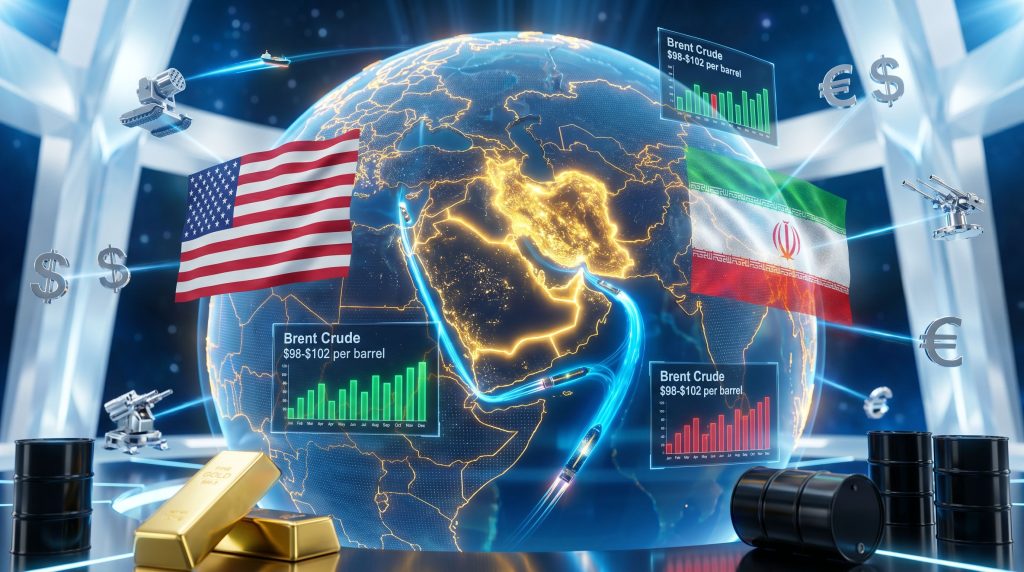
Oil price movements demonstrate extreme sensitivity to US-Israeli ceasefire with Iran developments, with Brent crude experiencing dramatic intraday swings based on diplomatic reporting. Energy sector participants face multiple pressure points extending beyond simple supply disruption concerns to encompass broader geopolitical risk premiums.
Brent crude reached $98.89 per barrel with gains of 3.5% during recent trading sessions, reflecting market anxiety over potential supply disruptions. The commodity had previously surged above $100 per barrel before retreating to double-digit levels following initial diplomatic communications. This volatility pattern illustrates the heightened sensitivity of energy markets to geopolitical developments.
Critical Energy Market Analysis:
| Market Segment | Volatility Level | Primary Risk Drivers |
|---|---|---|
| Crude Oil | Extreme | Supply route threats, strategic positioning |
| Natural Gas | Elevated | European supply concerns, LNG logistics |
| Refined Products | High | Processing capacity constraints |
| Alternative Energy | Moderate | Transition investment acceleration |
Strategic Waterway Economic Implications
Iran's positioning at critical maritime chokepoints creates significant economic leverage transcending traditional military considerations. Iranian authorities have explicitly warned that continued diplomatic tensions could result in effective closure of strategic shipping lanes, representing a substantial market-moving factor regardless of implementation probability.
The Strait of Hormuz represents a critical vulnerability in global energy supply chains, with any disruption threats creating immediate price responses across commodity markets. US natural gas futures traded at $2.66 per gigajoule, reflecting broader energy market uncertainty stemming from geopolitical tensions.
Natural gas markets show particular sensitivity to potential supply route disruptions, especially concerning European energy security arrangements. LNG shipping logistics face additional complexity as market participants assess alternative routing options and transportation cost implications, while companies implement Saudi exploration strategy alternatives to reduce regional dependence.
Defence and Security Sector Dynamics
Extended ceasefire periods create unusual investment environments for defence contractors and security technology companies. Unlike traditional conflict scenarios, current conditions present neither war nor peace dynamics affecting procurement cycles and strategic planning processes.
The technology sector demonstrates increased focus on conflict prevention and monitoring systems rather than traditional heavy weapons procurement. Investment patterns shift toward sophisticated early warning systems, cybersecurity solutions, and autonomous defence technologies designed to prevent escalation rather than manage active conflicts, reflecting broader defense sector strategy considerations.
Defence Sector Investment Trends:
- Enhanced missile defence system development and deployment
- Cybersecurity infrastructure investment surge amid digital warfare concerns
- Intelligence and surveillance technology demand elevation
- Communication security system enhancement priorities
- Autonomous defence system integration acceleration
Technological Integration in Conflict Management
Current diplomatic scenarios highlight growing importance of technology-based solutions in conflict prevention and management. This creates investment opportunities in satellite monitoring systems, secure communication networks, and artificial intelligence applications designed to support diplomatic efforts through enhanced situational awareness.
The shift toward technology-driven security solutions represents a fundamental change in defence spending priorities. Rather than focusing exclusively on traditional weapons systems, governments increasingly invest in sophisticated monitoring and communication technologies designed to prevent conflicts before they escalate to military engagement.
Regional Economic Partnership Formation
Uncertainty surrounding ceasefire negotiations accelerates new economic partnership formation and supply chain diversification strategies. Countries and corporations reassess their exposure to Middle Eastern geopolitical risks while developing alternative supply arrangements.
Australian government initiatives demonstrate practical responses to supply chain vulnerabilities. Agriculture Minister Julie Collins established agreements between Wesfarmers companies SCBP and Incitec to underwrite additional imported fertiliser purchases. Similar arrangements were implemented for Ampol and Viva Energy in previous weeks.
BHP received government consultation requests regarding dwindling diesel supplies, with the company providing global fuel expertise to assist Prime Minister Albanese's government in navigating ongoing supply challenges. These arrangements represent immediate tactical responses to supply chain disruptions rather than long-term strategic realignments.
Strategic Government Interventions:
Critical Observation: Government-industry partnerships emerging during diplomatic uncertainty periods focus on immediate supply security rather than permanent structural changes, suggesting tactical responses to temporary disruptions.
Supply Chain Resilience Development
The diplomatic breathing room provided by ceasefire negotiations enables organisations to establish more resilient supply chain arrangements. However, evidence suggests these initiatives primarily address immediate vulnerabilities rather than implementing comprehensive strategic restructuring.
Alternative infrastructure development accelerates during uncertainty periods as governments seek reduced dependence on potentially volatile supply sources. These investments often persist beyond immediate diplomatic crises, creating lasting changes in global trade patterns and infrastructure development priorities.
Currency and Commodity Market Sensitivity
Foreign exchange markets demonstrate heightened responsiveness to ceasefire-related developments, with particular volatility observed in currencies of countries maintaining significant Middle Eastern trade exposure. The Australian dollar traded at 71.5 cents against the US dollar, reflecting broader uncertainty in global currency markets.
Commodity markets beyond energy show increased correlation with diplomatic developments, creating complex interdependencies between geopolitical events and material pricing across multiple sectors. Industrial metals, agricultural products, and precious metals all demonstrate varying degrees of sensitivity to Middle Eastern diplomatic developments, particularly with geopolitical gold trends gaining momentum.
High-Sensitivity Market Indicators:
- USD strength during diplomatic uncertainty peaks
- Gold pricing reflecting enhanced safe-haven demand
- Agricultural commodity pricing influenced by shipping route security concerns
- Industrial metals responding to supply chain disruption possibilities
- Currency volatility in nations with substantial Middle Eastern trade relationships
Safe-Haven Asset Allocation Patterns
Investment flows into traditional safe-haven assets demonstrate distinct patterns during diplomatic uncertainty periods. Gold, government bonds, and defensive equity sectors experience increased allocation despite relatively stable diplomatic conditions, suggesting investor preference for capital preservation during ambiguous geopolitical situations.
Iron ore pricing declined approximately 0.25% to $106.65 per tonne in Singapore, while gold decreased to $4,731 per ounce, illustrating varied commodity responses to geopolitical uncertainty. These price movements reflect complex interactions between safe-haven demand and broader economic fundamentals.
Portfolio Management During Uncertainty Periods
The unique characteristics of extended ceasefire scenarios require modified risk management approaches accounting for possibilities of rapid escalation or resolution. Traditional geopolitical risk models may inadequately capture the nuances of current diplomatic situations involving the US-Israeli ceasefire with Iran.
Portfolio strategy considerations must balance immediate volatility management with longer-term positioning for potential scenario outcomes. This requires sophisticated hedging approaches capable of adapting to rapidly changing diplomatic conditions while maintaining portfolio efficiency during extended uncertainty periods.
Strategic Portfolio Approaches:
| Strategy Category | Recommended Positioning | Risk Assessment |
|---|---|---|
| Energy Sector Exposure | Moderate overweight with derivatives hedging | Medium-High |
| Defence Technology Allocation | Selective focus on conflict prevention systems | Medium |
| Safe Haven Weighting | Tactical increases during volatility events | Low-Medium |
| Regional Market Exposure | Reduced direct Middle Eastern allocation | High |
Dynamic Risk Management Strategies
The fluid nature of ceasefire negotiations requires more sophisticated hedging approaches than traditional geopolitical risk management. These strategies must adapt to rapidly changing diplomatic conditions while maintaining portfolio efficiency and avoiding excessive trading costs during volatile periods.
Successful navigation of diplomatic uncertainty requires careful balance between defensive positioning and maintaining exposure to potential positive developments. This involves utilising options strategies, currency hedging, and sector rotation techniques designed to preserve capital while capturing opportunities as they emerge.
The next major ASX story will hit our subscribers first
Long-Term Structural Market Evolution
Beyond immediate market volatility, ceasefire extension periods catalyse permanent changes in global economic structures. These transformations persist regardless of how current diplomatic situations ultimately resolve, creating lasting investment themes and opportunities.
Energy transition investment timelines experience acceleration during geopolitical uncertainty as governments and corporations seek reduced dependence on potentially volatile supply sources. This creates sustained investment opportunities in renewable energy infrastructure, energy storage technologies, and grid modernisation projects.
Emerging Structural Changes:
- Accelerated renewable energy infrastructure development timelines
- Permanent supply chain diversification implementation
- Enhanced regional security cooperation framework establishment
- Conflict prevention technology system advancement
- Alternative trade route development and utilisation
Investment Opportunities in Diplomatic Technology
Current scenarios highlight significant investment potential in technologies and services supporting diplomatic conflict resolution, early warning systems, and economic stability maintenance during geopolitical uncertainty. These represent growing market segments with potential for sustained growth independent of immediate diplomatic outcomes.
The integration of artificial intelligence, satellite monitoring, and communication technologies in diplomatic processes creates new market opportunities for technology companies specialising in conflict prevention and management solutions. These investments often receive government support and demonstrate resilience during various geopolitical scenarios.
Strategic Investment Considerations
How should investors approach sustained diplomatic uncertainty?
Historical analysis suggests markets can maintain elevated volatility for extended periods when fundamental economic conditions remain stable. Sector rotation patterns typically intensify over time, creating opportunities for active management strategies while challenging passive investment approaches.
Which sectors demonstrate greatest opportunity during diplomatic tensions?
Technology companies specialising in security solutions, alternative energy infrastructure developers, and logistics companies offering supply chain diversification services typically experience increased investment interest. These sectors benefit from both immediate uncertainty and longer-term structural changes.
Should portfolio managers completely eliminate Middle Eastern exposure during ceasefire periods?
Complete regional avoidance may prove suboptimal compared to selective exposure combined with enhanced risk management and hedging strategies. This approach often provides superior risk-adjusted returns while maintaining beneficial diversification characteristics.
What timeframes should investors consider for ceasefire-related positioning?
Diplomatic uncertainty can persist for months or years, requiring both short-term tactical adjustments and longer-term strategic positioning. Successful approaches typically combine immediate volatility management with sustained exposure to structural transformation themes. Furthermore, as detailed in recent analyses, prolonged conflict scenarios may influence long-term investment horizons significantly.
Investment decisions during geopolitical uncertainty require careful consideration of individual risk tolerance, investment objectives, and time horizons. The information presented represents analysis of current market conditions and should not be construed as specific investment recommendations. Readers should consult qualified financial advisors before making investment decisions based on geopolitical assessments.
Looking to Navigate Market Uncertainty with Discovery-Based Investments?
During periods of geopolitical volatility, Australian mineral discoveries can provide compelling investment alternatives to traditional defensive strategies. Discovery Alert's proprietary Discovery IQ model delivers real-time alerts on significant ASX mineral discoveries, helping investors identify actionable opportunities that may outperform during uncertain market conditions whilst avoiding exposure to regional geopolitical risks. Begin your 14-day free trial today to gain a strategic advantage during these challenging market environments.