August 24, 2026
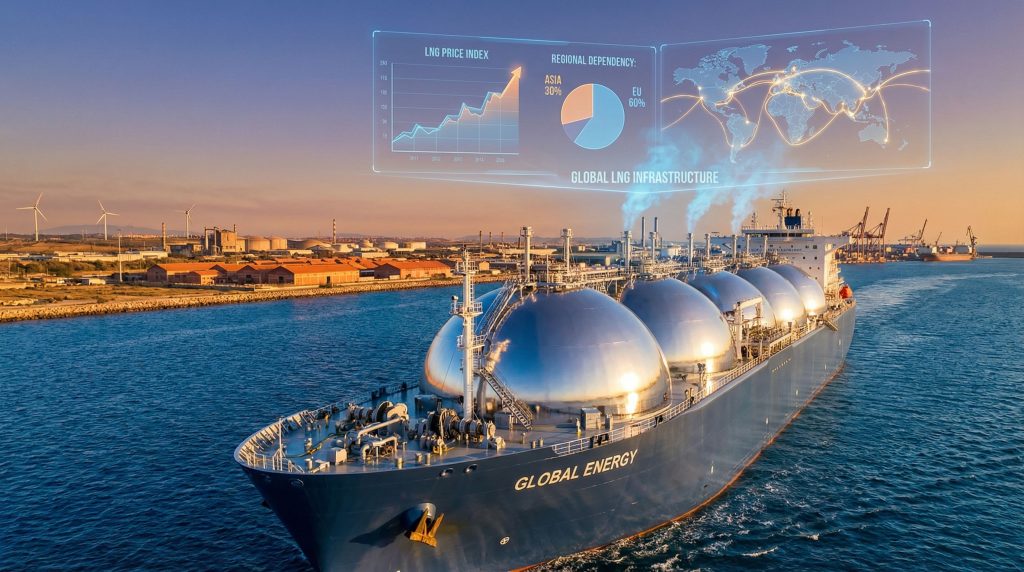
The current geopolitical landscape reveals how regional conflicts can create immediate and far-reaching disruptions across global energy markets. Iran war impacts LNG prices through complex supply chain vulnerabilities that extend far beyond immediate production facilities, creating cascading effects that reach consumers worldwide. Understanding these dynamics requires examining how geographic concentration, technical limitations, and market structure combine to amplify initial disruptions into system-wide price shocks.
The Critical Infrastructure Dependencies That Amplify Risk
Geographic Concentration Creates Systemic Vulnerability
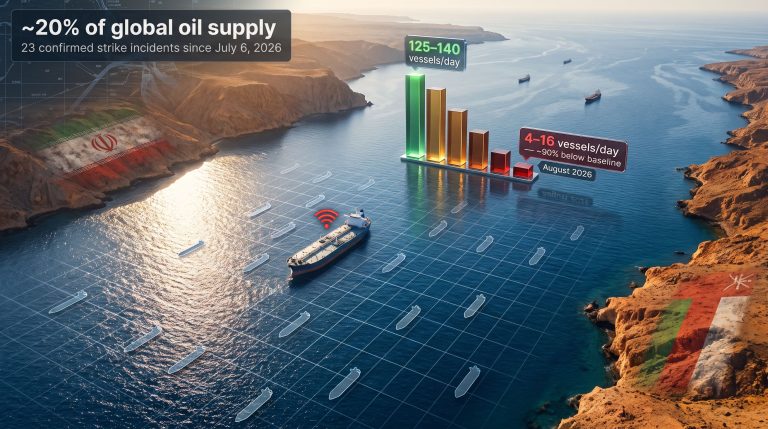
The global LNG trade structure demonstrates how geographic concentration creates systemic risk across energy markets. Approximately 35-40% of all seaborne traded oil and 30% of global seaborne LNG passes through the Strait of Hormuz, establishing this narrow waterway as one of the world's most critical energy chokepoints. This concentration means that disruptions in a single geographic location can immediately affect global energy prices.
Qatar's position as a major LNG supplier exemplifies this vulnerability. The country accounts for approximately 20% of global LNG exports, with its Ras Laffan facility representing the world's largest LNG export complex. The facility operates 14 LNG trains with a production capacity of approximately 77 million metric tonnes per annum, serving primarily Asian markets including China, Japan, India, and South Korea, as well as European consumers.
Furthermore, these markets must navigate the complex LNG import tax structure that varies significantly by region. India, for instance, faces particular challenges when supply disruptions coincide with existing fiscal policies affecting energy imports.
Storage Constraints Force Immediate Production Shutdowns
The technical constraints of LNG production create unique vulnerabilities compared to other energy commodities. Qatar's Ras Laffan storage system holds approximately four days of production at full rates. When export vessels cannot depart due to shipping disruptions, existing stored inventory quickly depletes, forcing complete production shutdowns once storage capacity is reached.
This differs significantly from crude oil operations, where larger storage capacities and more flexible transportation options provide greater operational buffers. The cryogenic nature of LNG requires specialised storage maintaining temperatures of -160°C (-260°F), making it impossible to simply store excess production in temporary facilities.
Technical Restart Limitations Extend Supply Disruptions
The specialised nature of LNG production equipment creates asymmetric recovery patterns. While disruptions can occur instantaneously, restarting operations requires weeks of careful, sequential rehabilitation to avoid thermal shock to cryogenic systems. Production trains cannot be brought online simultaneously; they must restart sequentially to ensure system stability.
This technical limitation means that even after shipping routes reopen, full production capacity restoration takes additional time. The process typically requires two weeks minimum for facilities to reach full operational capacity after the restart sequence begins.
When big ASX news breaks, our subscribers know first
Market Structure Elements That Amplify Price Volatility
Limited Global Spare Capacity
Unlike oil markets where spare production capacity provides some supply flexibility, LNG markets operate with minimal excess capacity. The United States, despite being the world's largest LNG producer, maintains only approximately 5% additional spare export capacity. This limited buffer means markets cannot quickly absorb supply shocks through normal substitution mechanisms.
Current U.S. LNG export facilities operate near full capacity with most production committed to long-term contracts. This contractual structure, while providing revenue stability for producers, reduces market flexibility during crisis periods. Consequently, market participants closely monitor weekly gas price trends to anticipate potential supply-demand imbalances.
| Region | Spare Capacity | Contract Flexibility | Alternative Sources |
|---|---|---|---|
| United States | ~5% | Limited | Domestic gas market |
| Australia | <3% | Very Limited | None significant |
| Russia | Variable | Sanctions-limited | Pipeline alternatives |
| Qatar | Disrupted | Force majeure declared | None available |
Just-in-Time Contract Vulnerabilities
Modern LNG supply chains emphasise efficiency through just-in-time delivery systems and flexible pricing mechanisms. However, this efficiency creates vulnerability during supply disruptions. Long-term contracts typically include force majeure clauses that release suppliers from delivery obligations during extraordinary circumstances, but these same contracts often limit buyers' ability to quickly secure alternative supplies.
When QatarEnergy formally declared force majeure on LNG exports, it effectively released the company from contractual obligations while simultaneously creating immediate supply gaps for contracted buyers. This legal mechanism, while protecting suppliers, transfers supply risk directly to consumers and importing nations.
Regional Price Discovery Mechanisms
LNG pricing occurs through different mechanisms across regions, creating complex arbitrage relationships. European markets primarily use Title Transfer Facility (TTF) pricing, while Asian markets rely on various indexation methods. During normal operations, price differentials between regions remain within shipping cost margins plus normal operating margins.
However, when physical shipping constraints develop, these arbitrage mechanisms fail, allowing regional prices to diverge significantly. Iran war impacts LNG prices demonstrate this dynamic, with European and Asian gas prices increasing by nearly 50% following Qatar's production halt, while shipping costs simultaneously experienced dramatic increases.
How Supply Disruptions Trigger Cascading Market Effects
Immediate Spot Market Response Patterns
Spot LNG markets respond within hours to supply disruption announcements as traders immediately reassess available inventory and reprice remaining supplies upward. This rapid price discovery reflects the commodity's inability to be easily substituted or rerouted compared to other energy products.
The velocity of spot market reactions creates momentum that often exceeds fundamental supply-demand imbalances. During the recent Strait of Hormuz disruptions, spot prices moved dramatically before physical supply shortages actually materialised, demonstrating how market psychology amplifies initial supply concerns.
In addition, analysts examining the US natural gas forecast must account for how global LNG market disruptions affect domestic pricing through export demand competition.
Transportation Cost Explosions
LNG shipping markets experience extreme volatility during geopolitical crises due to limited vessel availability and route flexibility. During recent disruptions, LNG shipping rates increased 650% to $300,000 per day, reflecting both genuine cost increases from extended voyage times and security surcharges, as well as monopolistic pricing of limited vessel availability.
Unlike crude oil tankers that can utilise alternative routes with manageable time delays, LNG carriers face more constrained options. Routing around the Cape of Good Hope instead of through the Suez Canal adds significant time to voyages while requiring specialised port facilities at destinations.
According to analysis from The Guardian, "The Iranian conflict has created unprecedented disruptions to global energy supply chains, with Australian consumers facing significant increases in utility bills as LNG export commitments compete with domestic demand."
Secondary Fuel Switching Cascades
As natural gas prices spike beyond economically viable levels, industrial users switch to alternative fuels, primarily oil-based products. This secondary demand surge amplifies crude oil price increases and tightens petroleum product markets globally. Recent market data shows U.S. gasoline topped $3 per gallon during Iran conflict escalation, while Asia's refining margins surged to 4-year highs as supply constraints affected multiple energy products simultaneously.
Industrial consumers, particularly in manufacturing sectors like chemicals, steel, and aluminium production, face immediate cost pressures that often cannot be quickly passed through to end customers. This creates operational stress across supply chains dependent on energy-intensive processes.
Moreover, these dynamics interact closely with oil price movements as markets recognise the interconnected nature of global energy commodities during supply disruptions.
Regional Vulnerability Assessment Across Global Markets
Asia-Pacific Exposure Analysis
Asian markets demonstrate the highest vulnerability to Middle Eastern LNG supply disruptions due to heavy import dependence and limited alternative supply sources. The region's major economies rely significantly on LNG imports to meet baseload power generation and industrial feedstock requirements.
Japan represents one of the most exposed markets, with approximately 40% of LNG imports originating from the Middle East region. The country's strategic reserves provide only a 3-week buffer, making it vulnerable to extended supply disruptions. Japan's post-Fukushima energy mix heavily emphasises LNG for power generation, creating both economic and energy security concerns during supply crises.
South Korea maintains similar vulnerability levels with 35% import dependence on Middle Eastern suppliers and a 2-week strategic buffer. The country's industrial sector, particularly petrochemicals and steel production, requires consistent LNG supplies for both energy and feedstock purposes.
China presents a more complex risk profile. While 25% of imports originate from vulnerable supply routes, the country maintains growing domestic natural gas production and a 4-week strategic buffer. China's energy security strategy increasingly emphasises supply diversification, though this transition remains incomplete.
European Market Resilience Factors
European markets demonstrate greater resilience to Middle Eastern supply disruptions due to diversified supply sources and alternative energy infrastructure. The continent's experience during the 2022 Russian gas crisis accelerated development of alternative supply relationships and strategic reserve policies.
Pipeline connections from Norway, Algeria, and other suppliers provide backup options that Asian markets lack. Additionally, European strategic reserve policies enable government intervention capabilities during supply crises, though these measures come with significant economic costs.
However, European markets still experience significant price volatility during global LNG supply disruptions, as global markets compete for available supplies. The interconnected nature of global gas markets means that European consumers face higher costs even when physical supply remains available.
North American Market Positioning
North American markets, particularly the United States, occupy a unique position as both major producers and consumers of natural gas. Domestic production capabilities provide substantial energy security, though LNG export commitments can create internal price pressures during global supply crises.
The U.S. pipeline infrastructure connecting production regions with consumption centres provides operational flexibility unavailable in import-dependent markets. However, export facility commitments mean that domestic consumers can experience price increases when global LNG markets tighten significantly.
Economic Sector Impact Distribution
Manufacturing Industry Disruptions
Chemical production facilities face immediate margin compression when LNG prices spike, as natural gas serves both as an energy source and chemical feedstock. India's industrial gas supply was slashed following Qatar's output suspension, demonstrating how manufacturing sectors experience direct operational impacts from supply disruptions.
Petrochemical facilities often cannot quickly substitute alternative feedstocks without significant process modifications and cost increases. This creates operational stress that propagates through downstream supply chains serving automotive, packaging, and consumer goods industries.
Steel and aluminium smelting operations, which require consistent high-temperature processes, face particular challenges when gas prices spike suddenly. Energy typically represents 20-30% of production costs in these industries, making price volatility a significant operational concern.
Power Generation Sector Dynamics
Gas-fired power plants experience immediate margin compression during price spikes, particularly in regulated markets where utilities cannot immediately pass through cost increases to consumers. This creates potential grid reliability concerns if utilities reduce generation to manage costs.
The integration of renewable energy sources creates additional complexity, as gas-fired plants often provide crucial grid balancing services. During supply crises, maintaining grid stability while managing fuel cost increases presents operational challenges for system operators.
In competitive electricity markets, gas price spikes translate directly into wholesale power prices, affecting both industrial consumers and residential customers through various rate-setting mechanisms.
Financial Market Risk Pricing Mechanisms
Commodity Futures Market Dynamics
Energy futures markets demonstrate complex relationships during geopolitical crises, with both contango and backwardation patterns emerging depending on market expectations about supply recovery timelines. Options markets typically show elevated volatility premiums as traders price uncertainty about conflict duration and supply restoration capabilities.
Correlation relationships between oil and gas prices often strengthen during supply crises, as markets recognise shared vulnerability to geopolitical risks. This correlation increase affects portfolio diversification strategies for institutional investors with energy sector exposure.
Furthermore, the OPEC production impact becomes particularly relevant during regional conflicts, as coordinated production decisions can either stabilise or exacerbate existing supply disruptions.
Corporate Valuation Impacts
LNG exporter companies often experience significant stock price appreciation during supply crises, as investors anticipate higher revenues from elevated pricing. However, these gains may be partially offset by operational disruptions and force majeure contract implications.
Utility companies with significant gas-fired generation face more complex valuation dynamics. While fuel cost pass-through mechanisms may protect margins in some regulatory frameworks, others face immediate profit pressures from input cost increases.
Shipping companies, particularly those specialising in LNG transport, experience dramatic revenue increases during crisis periods. The 650% increase in shipping rates demonstrates how transportation bottlenecks create windfall profits for vessel operators.
As noted by Forbes analysis, "The Iranian conflict has fundamentally altered energy market dynamics, creating both unprecedented challenges and opportunities across the global energy value chain."
The next major ASX story will hit our subscribers first
Long-term Strategic Energy Security Implications
Supply Chain Diversification Imperatives
Recurring supply disruptions accelerate strategic shifts toward geographic supply diversification. Importing nations increasingly prioritise supply source diversity over lowest-cost procurement strategies, recognising the risk premium associated with concentrated supplier relationships.
Infrastructure redundancy investments gain political and economic support following supply crises. Projects that might not meet traditional economic returns thresholds receive consideration based on energy security value propositions.
International energy partnerships undergo realignment as nations seek reliable suppliers and buyers. These relationships often extend beyond purely commercial considerations to include diplomatic and security cooperation elements.
Technology Acceleration Effects
Supply disruptions create market incentives for technological solutions that reduce vulnerability to geopolitical risks. Floating LNG development accelerates as markets recognise the flexibility advantages of mobile production platforms over fixed infrastructure vulnerable to regional conflicts.
Small-scale LNG solutions gain commercial viability as supply chain resilience becomes a priority consideration. Distributed supply networks reduce single-point failure risks while providing operational flexibility during crisis periods.
Renewable energy transition timelines often accelerate following fossil fuel supply crises, as governments and corporations recognise the energy security benefits of domestically-controlled generation resources.
Risk Management Strategies for Market Participants
Financial Hedging Approaches
Commodity hedging strategies must account for the unique volatility characteristics of LNG markets during geopolitical crises. Traditional hedging approaches designed for oil markets may not provide adequate protection given LNG's distinct supply chain vulnerabilities and price discovery mechanisms.
Currency hedging considerations become particularly important for international LNG trades, as supply disruptions often coincide with broader market volatility affecting exchange rates. Multi-currency exposure requires sophisticated hedging strategies to manage both commodity and foreign exchange risks.
Portfolio diversification approaches must recognise correlation increases between energy commodities during crisis periods. Traditional portfolio theory assumptions about diversification benefits may not hold during extreme market stress periods.
Operational Risk Mitigation
Multi-supplier contract strategies reduce single-source dependency risks, though they often come with higher average costs during normal market conditions. The insurance value of supply diversity becomes apparent during disruption periods when alternative sources command premium pricing.
Flexible fuel switching capabilities provide operational alternatives for industrial consumers, though retrofitting existing facilities requires significant capital investment and time. Strategic planning for fuel flexibility represents a long-term risk management approach.
Strategic inventory management optimisation balances carrying costs against supply security benefits. Organisations must determine appropriate inventory levels considering their specific supply chain vulnerabilities and operational requirements.
Building Resilience in Volatile Energy Markets
The interconnected nature of global energy systems means that regional conflicts increasingly generate worldwide market impacts. Iran war impacts LNG prices demonstrate how geopolitical events in one region can rapidly propagate across global supply chains, affecting consumers and businesses thousands of miles from conflict zones.
Effective risk management requires understanding both immediate market response mechanisms and longer-term structural adaptations. Organisations and nations that develop flexible, diversified energy strategies position themselves to better navigate an uncertain geopolitical landscape while maintaining operational continuity.
The evolution toward more resilient energy systems involves balancing efficiency gains from integrated global markets against the security benefits of diversified, flexible supply arrangements. This balance will continue evolving as market participants learn from each successive supply disruption and adapt their strategies accordingly.
Disclaimer: This analysis is for informational purposes only and should not be considered investment advice. Energy markets involve significant risks, and past performance does not guarantee future results. Readers should conduct their own research and consult with qualified professionals before making investment or business decisions.
Ready to Capitalise on Energy Market Volatility?
Discovery Alert's proprietary Discovery IQ model delivers real-time alerts on significant ASX mineral discoveries, including critical battery metals and energy commodities that often surge during global supply disruptions like those affecting LNG markets. Subscribers gain immediate access to actionable opportunities ahead of broader market recognition, turning complex market volatility into strategic investment advantages through Discovery Alert's proven track record of identifying transformative discoveries before they capture mainstream attention.