July 21, 2026
Understanding Iraq's Current OPEC Production Framework
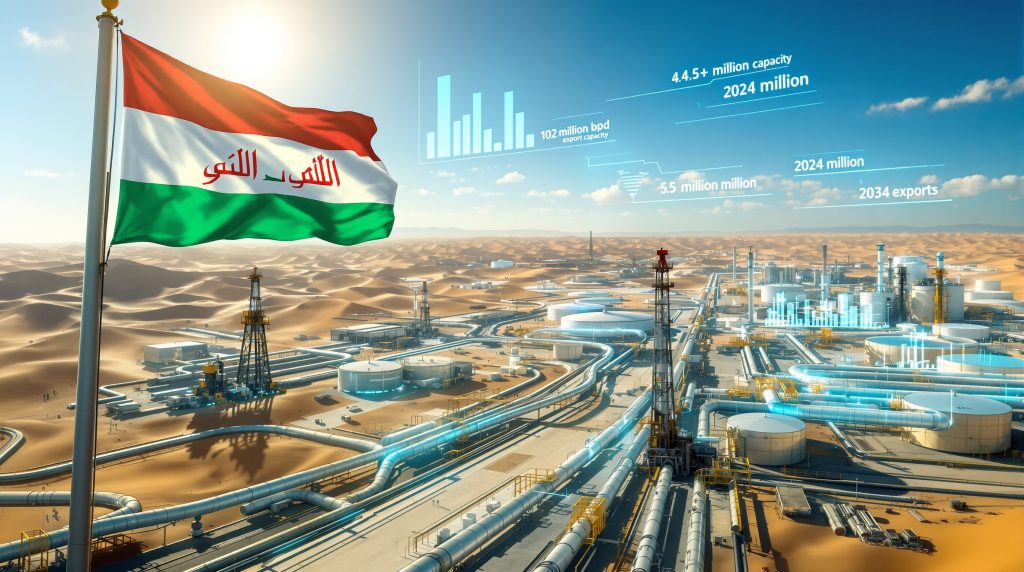
Iraq operates within OPEC's quota system under a production ceiling of 4.4 million barrels per day, designed to maintain global oil market stability. However, as Iraq negotiates higher OPEC oil production quota levels, this framework has become increasingly restrictive as the nation's actual production capacity has expanded substantially, creating a significant disparity between permitted output and technical capabilities.
The country's recent export achievements demonstrate this growing capacity gap. In September 2024, Iraq achieved record monthly exports exceeding 102 million barrels, showcasing infrastructure improvements and operational efficiency gains that have positioned the nation to produce well beyond its current OPEC allocation.
Current Production Landscape:
• OPEC quota allocation: 4.4 million bpd
• Estimated current capacity: 5.5 million bpd
• September 2024 export volume: 102+ million barrels
• Projected 2025 capacity target: 5.5 million bpd
• Expected 2029 capacity: 6+ million bpd
This capacity expansion reflects significant investments in drilling operations, field rehabilitation projects, and export infrastructure upgrades that have fundamentally altered Iraq's production potential within the OPEC framework.
When big ASX news breaks, our subscribers know first
Economic Pressures Driving Quota Adjustment Requests
Revenue Optimisation Requirements
Iraq's economy remains heavily dependent on hydrocarbon revenues, making production optimisation crucial for national development objectives. The government faces mounting pressures to fund infrastructure projects, social services, and economic diversification initiatives that require maximised oil income within existing international frameworks.
With oil revenues accounting for approximately 95% of government income, the gap between production capacity and quota allocation represents substantial foregone revenue. Furthermore, this economic reality has intensified discussions within Iraqi leadership about pursuing higher OPEC quotas that better reflect the nation's enhanced production capabilities.
Infrastructure Investment Returns
Recent substantial investments in oil sector infrastructure have created opportunities for higher sustainable output levels. These improvements include enhanced drilling programmes, pipeline rehabilitation projects, and storage facility upgrades that collectively enable production levels exceeding current quota limitations.
The resumption of Kirkuk pipeline flows and improved regional coordination have further enhanced Iraq's export reliability. Consequently, these developments provide the technical foundation for arguments supporting quota increases within OPEC discussions, particularly given the OPEC market influence on global energy dynamics.
Technical Capacity Expansion and Infrastructure Development
Production Enhancement Programmes
Iraq has implemented comprehensive improvements across its oil sector infrastructure, creating the technical basis for higher production quotas. These developments include:
• Advanced well drilling programmes expanding field capacity
• Pipeline system rehabilitation improving export reliability
• Storage facility modernisation enhancing operational flexibility
• Technology integration initiatives optimising extraction efficiency
The country's ability to maintain consistent export performance despite regional challenges and operational obstacles demonstrates improved technical capabilities that support arguments for quota adjustments.
Export Infrastructure Achievements
| Timeframe | Export Performance | Key Developments |
|---|---|---|
| September 2024 | 102+ million barrels | Record monthly exports achieved |
| Recent quarters | Sustained growth trend | Infrastructure reliability improvements |
| Pipeline operations | Kirkuk flows resumed | Enhanced regional export coordination |
| Storage capacity | Expanded facilities | Improved operational flexibility |
These infrastructure achievements provide tangible evidence of Iraq's enhanced production and export capabilities. In addition, they support technical arguments for OPEC quota adjustments that reflect current operational realities, especially when considering broader US oil production impact on global markets.
OPEC Quota Negotiation Mechanisms and Processes
Consensus-Building Framework
OPEC quota adjustments require extensive consultation among member nations, incorporating multiple factors including global supply-demand dynamics, price stability objectives, and individual country circumstances. The negotiation process typically involves several key components:
• Technical committee assessments of production capabilities
• Economic impact evaluations for member states and global markets
• Market condition analyses considering supply-demand balance
• Member state consultations ensuring organisational unity
These discussions occur within established OPEC meeting schedules. However, production data, market conditions, and individual country requests receive comprehensive review from organisation leadership and technical committees, with particular attention to how changes might affect oil price trade dynamics.
Historical Precedents for Quota Modifications
Previous quota adjustments within OPEC have typically occurred during periods of significant capacity changes, market disruptions, or strategic realignments among member states. These modifications often reflect evolving production realities and changing market dynamics that require organisational adaptation.
Historical examples demonstrate that quota changes generally involve gradual implementation phases designed to minimise market disruption while allowing member states to optimise their production within updated frameworks.
Iraq's Recent Production Performance and Export Achievements
Record Export Performance Analysis
Iraq's September 2024 achievement of over 102 million barrels in monthly exports represents a significant milestone. For instance, this performance demonstrates the country's enhanced production and export capabilities despite ongoing regional challenges and infrastructure constraints that have historically limited output.
The consistent export growth in recent quarters reflects successful implementation of infrastructure improvement programmes and operational efficiency initiatives that have strengthened Iraq's position within global oil markets. Furthermore, according to Oil & Gas 360, Iraq's oil minister has confirmed these impressive export figures during current quota discussions.
Operational Challenge Management
Despite facing various obstacles including pipeline disruptions, facility incidents, and regional complexities, Iraq has demonstrated remarkable consistency in export performance and production reliability improvements. These achievements underscore the country's technical progress and operational resilience.
The nation's ability to maintain stable exports while managing complex regional dynamics highlights infrastructure investments and operational improvements that support arguments for higher OPEC production quotas.
Compliance History and Compensation Mechanisms
Quota Adherence Evolution
Iraq's historical relationship with OPEC quota compliance has evolved significantly, with the country implementing various measures to improve adherence to organisational guidelines. Recent efforts demonstrate enhanced commitment to OPEC objectives while seeking quota adjustments that better reflect production capabilities.
The nation has implemented production reductions below quota levels during certain periods to offset previous overproduction. However, this demonstrates willingness to balance past discrepancies with current compliance efforts as Iraq negotiates higher OPEC oil production quota levels.
Compensation Arrangement Implementation
Compensation mechanisms have played an important role in Iraq's OPEC relationship, with the country accepting temporary production adjustments to address historical compliance issues. These arrangements reflect Iraq's commitment to organisational unity while pursuing long-term quota modifications.
Key Compliance Measures:
• Voluntary production reductions during compensation periods
• Enhanced monitoring and reporting systems
• Improved coordination with OPEC secretariat
• Commitment to organisational production discipline
The next major ASX story will hit our subscribers first
Global Market Implications of Quota Adjustments
Supply Security Enhancement
Increased Iraqi production within OPEC frameworks could contribute to enhanced global supply security by providing additional production flexibility during market disruptions. This enhanced capacity would improve market responsiveness to demand fluctuations and reduce price volatility during supply interruptions.
The integration of Iraq's expanded capacity into OPEC quota systems could strengthen the organisation's ability to manage global oil supply dynamics. Furthermore, this approach maintains price stability objectives while considering oil futures insights for market planning.
Competitive Market Dynamics
Higher Iraqi quotas might influence regional producer strategies, investment allocation decisions, and long-term supply planning across global oil markets. These changes could affect market share distributions and competitive positioning among major oil-producing nations.
The market impact would depend on implementation timelines, global demand conditions, and coordination with other OPEC member states. In addition, considerations around global trade impact from ongoing policy changes add complexity to market dynamics.
Implementation Timelines and Meeting Schedules
OPEC Review Processes
Quota modifications typically occur during scheduled OPEC meetings, where member states conduct comprehensive reviews of market conditions, production data, and individual country adjustment requests. These meetings provide formal venues for negotiating quota changes within established organisational frameworks.
The timing of potential quota adjustments depends on various factors including global market conditions, organisational consensus-building, and technical assessments of member state production capabilities.
Potential Implementation Phases
If approved, quota changes usually include several implementation components:
• Gradual implementation phases minimising market disruption
• Monitoring mechanisms ensuring compliance with new quotas
• Review periods for assessment and potential adjustments
• Coordination requirements with other member states
These structured approaches help maintain market stability while allowing member states to adapt to modified production frameworks.
Geopolitical Considerations in Quota Negotiations
Regional Stability Factors
Iraq's quota discussions occur within broader Middle Eastern geopolitical contexts, including regional security dynamics, international relations, and economic cooperation frameworks. These factors influence negotiation approaches and potential outcomes within OPEC discussions.
Regional stability considerations often play important roles in quota allocation decisions, as OPEC seeks to maintain organisational unity. However, the organisation must also address individual member state requirements while managing complex political dynamics.
Global Energy Transition Impacts
Long-term energy transition trends influence OPEC strategies and decision-making processes, potentially affecting how quota adjustments align with evolving global energy demand patterns and investment priorities.
The organisation must balance short-term production optimisation with long-term strategic positioning in evolving global energy markets. Consequently, these considerations become particularly important as Iraq negotiates higher OPEC oil production quota within changing energy landscapes.
Potential Negotiation Outcomes and Market Scenarios
What are the optimistic scenario possibilities?
Favourable Outcome Possibilities:
• Quota increase aligning with enhanced production capacity
• Improved revenue generation potential for national development
• Strengthened market position within OPEC framework
• Enhanced operational flexibility for infrastructure optimisation
This scenario would provide Iraq with greater production flexibility while maintaining organisational coordination and market stability objectives.
How might gradual adjustments work?
Gradual Adjustment Scenario:
• Incremental quota increases over extended timeframes
• Conditional adjustments based on market conditions
• Continued emphasis on compliance demonstration
• Focus on infrastructure development for future opportunities
Status Quo Maintenance
Current Framework Continuation:
• Maintenance of existing quota levels pending future reviews
• Emphasis on maximising efficiency within current limits
• Infrastructure development for future quota discussions
• Enhanced compliance demonstration for organisational credibility
This approach would maintain current production frameworks while building foundations for future quota adjustment opportunities.
Market Psychology and Investment Implications
Investor Sentiment Factors
Quota adjustment negotiations influence market psychology and investment decision-making within global oil markets. Successful quota increases could enhance investor confidence in Iraq's oil sector while potentially affecting regional competitive dynamics.
Market participants monitor these negotiations closely, as outcomes affect supply expectations, price forecasting, and long-term investment planning across global oil markets. Furthermore, these developments occur alongside broader considerations of geopolitical stability and energy sector evolution.
Supply-Demand Balance Considerations
Current market conditions, including global oversupply concerns and demand uncertainties, provide important context for quota negotiation outcomes. Recent market analyst predictions suggest oil prices could face downward pressure, with some experts forecasting prices below $60 per barrel by early 2026.
These market dynamics influence OPEC decision-making processes and potential timing for quota adjustments. However, Reuters reports that Iraq continues pushing for quota discussions despite challenging market conditions, as the organisation seeks to balance member state requirements with overall market stability.
Disclaimer: This analysis is based on publicly available information and industry reports. Oil market conditions and OPEC decisions involve complex factors that may change rapidly. Readers should consult multiple sources and professional analysis for investment or policy decisions.
Frequently Asked Questions About OPEC Quota Systems
How often does OPEC review member production quotas?
OPEC typically conducts quota reviews during regular meeting schedules, with major adjustments considered based on changing market conditions and member state circumstances. These reviews incorporate technical assessments and market analysis to ensure optimal outcomes for all parties involved.
What factors determine quota allocations among OPEC members?
Quota allocations consider multiple factors including production capacity, proven reserves, economic development needs, historical production levels, and overall market stability objectives. In addition, organisational frameworks ensure equitable distribution while maintaining global supply balance.
How do quota changes potentially affect global oil prices?
Quota adjustments can influence supply expectations and market sentiment, potentially impacting price dynamics depending on overall market conditions. However, global demand trends and implementation approaches by member states also play crucial roles in determining final market outcomes.
Further exploration opportunities exist through industry publications and energy sector research organisations that provide additional analysis of OPEC production dynamics and global oil market developments. These resources offer valuable insights for understanding the complexities of international energy coordination and market management.
Looking to Capitalise on Energy Market Developments?
Discovery Alert's proprietary Discovery IQ model delivers real-time alerts on significant ASX mineral discoveries, including energy and critical mineral opportunities that could benefit from evolving global market dynamics. Explore how major discoveries have generated substantial returns by visiting Discovery Alert's dedicated discoveries page and begin your 30-day free trial today to position yourself ahead of the market.