
June 22, 2026
What Does Komatsu's Strategic Acquisition of SRC Assets Mean for the Industry?
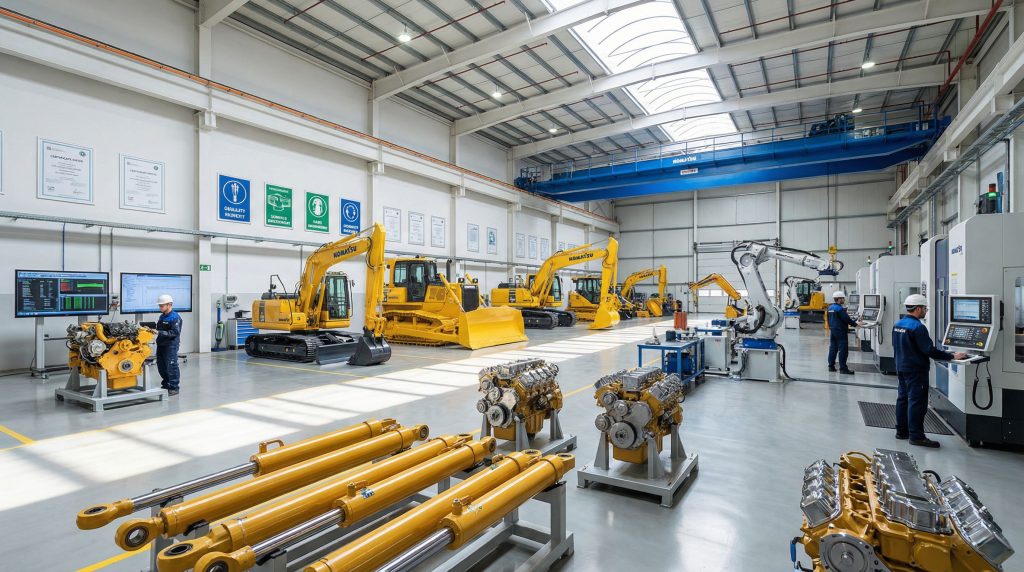
Modern heavy equipment remanufacturing has evolved far beyond simple cost-reduction strategies, emerging as a critical differentiator in an increasingly competitive marketplace. The Komatsu acquisition of SRC of Lexington represents a significant development in industry consolidation trends that are reshaping how original equipment manufacturers approach aftermarket services. Original equipment manufacturers face mounting pressure to control entire product lifecycles while delivering sustainable solutions that meet both environmental regulations and customer demands for operational efficiency.
The convergence of supply chain vulnerabilities, sustainability mandates, and technological advancement has fundamentally reshaped how major equipment manufacturers approach aftermarket services. This transformation has accelerated vertical integration strategies, with companies seeking to capture greater value from component restoration while ensuring quality consistency across their service networks.
When big ASX news breaks, our subscribers know first
The Strategic Context Behind Heavy Equipment Remanufacturing Consolidation
Market dynamics driving OEM vertical integration reflect several interconnected forces reshaping the heavy equipment sector. Post-pandemic supply chain disruptions exposed critical vulnerabilities in traditional parts distribution networks, compelling manufacturers to develop more resilient aftermarket capabilities. Furthermore, equipment downtime costs have escalated dramatically, with some mining operations reporting daily losses exceeding $500,000 during unexpected equipment failures.
Remanufacturing has transitioned from a peripheral cost-saving measure to a core competitive strategy. Industry analysis indicates that remanufactured components can deliver 40-60% cost savings compared to new parts while maintaining performance specifications equivalent to original equipment. This value proposition has become increasingly attractive as equipment owners face pressure to extend asset lifecycles and minimise capital expenditures.
Supply chain resilience has emerged as a paramount concern following global disruptions that affected equipment availability and service delivery. Companies now prioritise regional manufacturing capabilities and localised service networks to reduce dependency on complex international supply chains that proved vulnerable to various external shocks.
Understanding SRC of Lexington's Market Position
SRC of Lexington represents a significant player in the North American heavy equipment remanufacturing sector, with capabilities spanning multiple critical component categories. The company's 180+ employee-owners operate from a strategically located Kentucky facility that serves major equipment markets across the central United States.
SRC's Core Remanufacturing Capabilities:
- Hydraulic Systems: Complete system overhauls, valve rebuilds
- Transmissions: Full rebuilds, component replacement
- Axle Components: Differential rebuilds, housing restoration
- Drivetrain Systems: Complete assembly restoration
- Engine Components: Block reconditioning, component replacement
The facility's geographic positioning provides strategic advantages for serving both construction and mining equipment markets across the central United States. In addition, Kentucky's transportation infrastructure enables efficient distribution to major equipment concentration areas, including mining regions in Appalachia and construction markets throughout the Southeast and Midwest.
How Does This Acquisition Fit Komatsu's Global Remanufacturing Strategy?
Komatsu's Remanufacturing Network Evolution
Komatsu's global remanufacturing operations have experienced substantial expansion over the past decade, reflecting the company's commitment to comprehensive lifecycle management. The network currently encompasses 45 locations across 16 countries, representing a significant investment in aftermarket capabilities that support equipment populations worldwide.
Key Growth Metrics:
- 4x transaction volume growth from 2010 to 2024
- 45 global remanufacturing facilities across multiple continents
- Identified North American market gaps requiring enhanced coverage
This acquisition addresses specific geographic and operational gaps in Komatsu's North American service network. The company's existing remanufacturing capabilities in the region required strengthening to match customer demand and competitive service levels. Consequently, SRC's established operations provide immediate capacity enhancement and market penetration in underserved territories.
Geographic and Operational Synergies
The Kentucky facility's strategic location offers multiple advantages for integration with Komatsu's existing North American operations. Proximity to major transportation corridors enables cost-effective distribution to primary equipment markets, while the skilled workforce provides immediate operational capability without extensive training requirements.
Integration opportunities extend beyond simple capacity addition to encompass supply chain optimisation and service delivery enhancement. Komatsu's global procurement capabilities can potentially reduce component sourcing costs while improving availability of specialised materials required for complex remanufacturing processes.
Cross-platform component standardisation represents another significant synergy opportunity. Komatsu's engineering expertise can potentially expand SRC's remanufacturing scope to include additional component categories while maintaining quality standards that meet OEM specifications.
What Are the Technical and Operational Benefits of This Integration?
Enhanced Component Lifecycle Management
Improved Turnaround Times for Critical Components
Integration with Komatsu's global operations enables implementation of advanced scheduling and workflow optimisation systems that can significantly reduce component restoration timeframes. Industry benchmarks suggest that optimised remanufacturing processes can achieve 15-20% reduction in turnaround times compared to traditional approaches, particularly through enhanced data-driven operations.
Hydraulic system restoration processes benefit particularly from standardised procedures and quality control protocols. Complex hydraulic components require precise tolerance restoration and performance validation that can be streamlined through integration with Komatsu's engineering standards and testing capabilities.
Transmission rebuilding methodologies can leverage Komatsu's extensive component engineering data to optimise restoration procedures and ensure performance consistency. Access to OEM specifications and engineering tolerances enables more precise rebuilding processes that deliver enhanced reliability and performance.
Engine remanufacturing protocols benefit from integration with Komatsu's ongoing engine development programs, ensuring that restored components incorporate latest performance enhancements and emissions compliance requirements.
Quality Assurance and Certification Standards
ISO 9001:2015 compliance integration ensures that quality management systems meet international standards for consistency and reliability. This certification framework provides customers with confidence in component quality while enabling systematic quality improvement processes.
OEM specification adherence protocols ensure that remanufactured components meet or exceed original equipment performance standards. Access to Komatsu's engineering specifications enables precise restoration processes that maintain equipment performance and reliability expectations.
Performance testing and validation procedures can be enhanced through integration with Komatsu's advanced testing facilities and protocols. Comprehensive testing capabilities ensure that remanufactured components deliver expected performance under operational conditions.
How Will This Impact Equipment Owners and Fleet Managers?
Cost-Effectiveness Analysis
Total Cost of Ownership Implications
Equipment owners can expect significant improvements in total cost of ownership through enhanced remanufacturing capabilities and service delivery. Remanufactured components typically offer 40-60% cost savings compared to new parts while delivering equivalent performance and reliability when properly restored according to OEM specifications.
Downtime reduction calculations indicate that improved parts availability and faster turnaround times can substantially reduce operational interruptions. For instance, mining operations reporting daily costs of $500,000 or more during equipment downtime can achieve substantial savings through enhanced service responsiveness and parts availability.
Warranty and reliability considerations become increasingly important as equipment populations age and component replacement needs increase. Enhanced quality control and OEM specification compliance provide greater confidence in component performance and longevity.
Supply Chain Reliability Enhancements
Parts availability improvements through expanded remanufacturing capacity address critical customer concerns about component accessibility and delivery timeframes. Regional remanufacturing capabilities reduce dependence on international supply chains while improving response times for urgent component needs.
Emergency service response capabilities benefit from geographic expansion and enhanced inventory management. Local remanufacturing capacity enables faster response to critical component failures that require immediate attention to minimise operational disruption.
Predictive maintenance integration opportunities emerge through enhanced data collection and analysis capabilities. Integration with AI-enhanced processes and monitoring systems can enable proactive component replacement scheduling that minimises unexpected failures and optimises maintenance timing.
The next major ASX story will hit our subscribers first
What Does This Mean for Competitive Dynamics in Heavy Equipment?
Market Positioning Against Major Competitors
Comparison with Caterpillar's remanufacturing strategy reveals significant competitive implications for aftermarket service delivery. Caterpillar's extensive remanufacturing network has long provided competitive advantages in customer retention and service revenue generation. However, the Komatsu acquisition of SRC of Lexington positions the company to compete more effectively in this critical service segment.
Differentiation in aftermarket service offerings becomes increasingly important as equipment manufacturers seek to capture greater value from installed equipment populations. Enhanced remanufacturing capabilities enable comprehensive service packages that extend equipment lifecycles while generating recurring revenue streams.
Customer retention and loyalty implications extend beyond simple cost considerations to encompass service quality, responsiveness, and technical support capabilities. Integrated remanufacturing operations can provide competitive advantages in customer satisfaction and long-term relationship development.
Industry Trend Analysis:
- Accelerating shift toward circular economy principles in heavy equipment manufacturing
- Growing regulatory and customer emphasis on sustainable production practices
- Environmental compliance drivers promoting component reuse and material recycling
- Increasing focus on lifecycle cost optimisation over initial purchase price considerations
What Are the Financial and Investment Implications?
Revenue Stream Diversification
Aftermarket Services as Growth Drivers
Recurring revenue model advantages from remanufacturing operations provide stability and predictability compared to cyclical new equipment sales. Aftermarket services typically generate higher margins while requiring lower capital investment compared to new equipment manufacturing.
Margin improvement opportunities emerge through vertical integration and operational optimisation. Direct control over remanufacturing processes enables cost management and quality control that can enhance profitability compared to third-party service arrangements.
Customer lifetime value enhancement results from comprehensive service capabilities that extend equipment operational lifecycles. Customers receiving high-quality remanufacturing services are more likely to maintain long-term relationships and consider future equipment purchases from the same manufacturer.
How Will the Integration Process Unfold?
Timeline and Milestones
Expected closing by February 2026 provides sufficient time for comprehensive integration planning and stakeholder preparation. This timeline enables thorough due diligence completion and regulatory approval processes while minimising operational disruption during the transition period.
Employee retention and development plans address critical workforce considerations for successful integration. The 180+ employee-owners represent valuable operational expertise and customer relationships that require careful management throughout the transition process.
Technology and process standardisation phases will likely occur gradually to minimise operational disruption while achieving integration benefits. Systematic implementation of Komatsu's quality standards and operational procedures can enhance efficiency while maintaining service continuity.
Operational Continuity Measures
Customer service transition protocols ensure that existing SRC customers experience minimal disruption during the integration process. Maintaining service levels and customer satisfaction during ownership transition requires careful planning and communication with affected customers.
Quality assurance during integration maintains component quality and performance standards while implementing enhanced procedures and capabilities. Continuous monitoring and validation ensure that quality improvements occur without compromising existing service delivery.
Supply chain disruption mitigation addresses potential challenges in component sourcing and distribution during the transition period. Furthermore, contingency planning and alternative supply arrangements can minimise risks to operational continuity and customer service.
What Are the Broader Industry Implications?
Remanufacturing Industry Consolidation Trends
OEM acquisition strategies in aftermarket services reflect broader industry trends toward vertical integration and comprehensive lifecycle management. Major equipment manufacturers increasingly recognise remanufacturing as essential for competitive positioning and customer retention rather than peripheral service offerings.
Independent remanufacturer competitive challenges intensify as OEMs expand direct service capabilities and leverage advantages in component specifications, engineering data, and customer relationships. Smaller remanufacturing operations may face increasing pressure to specialise or partner with OEMs to maintain market position.
Technology advancement requirements continue escalating as modern equipment incorporates increasingly sophisticated electronic and hydraulic systems. Remanufacturing operations must invest in specialised equipment, training, and technical capabilities to service contemporary equipment populations effectively.
Sustainability and Environmental Impact
Circular Economy Benefits
Resource conservation through component reuse contributes significantly to environmental sustainability goals while reducing material consumption and waste generation. Remanufacturing typically requires 80-85% less energy compared to new component production while delivering equivalent performance and reliability.
Waste reduction in manufacturing processes addresses growing environmental regulations and corporate sustainability commitments. Component remanufacturing diverts materials from waste streams while reducing demand for raw material extraction and processing.
Carbon footprint implications of enhanced remanufacturing capabilities contribute to climate change mitigation efforts and corporate environmental goals. Moreover, the global expansion of remanufacturing operations through regional facilities can further reduce environmental impact while improving service delivery.
Key Questions About the Acquisition
Will existing SRC customers experience service disruptions during the transition?
Komatsu has committed to maintaining operational continuity throughout the integration process, with specific protocols designed to ensure seamless service delivery during ownership transition.
How will this acquisition affect pricing structures for remanufactured components?
The integration aims to improve operational efficiency and cost management while maintaining competitive pricing that reflects enhanced quality and service capabilities.
What happens to SRC's employee-ownership structure and workforce?
The acquisition includes comprehensive provisions for employee retention and professional development within Komatsu's expanded North American operations, recognising the value of existing expertise and customer relationships.
Will this acquisition trigger similar consolidation activity in the remanufacturing sector?
Industry observers anticipate continued consolidation as OEMs seek to enhance aftermarket capabilities and independent operators evaluate strategic alternatives in an increasingly competitive environment.
Strategic Positioning for Future Growth
Long-term Market Outlook
Remanufacturing growth projections in heavy equipment indicate continued expansion driven by sustainability requirements, cost pressures, and technological advancement. Industry analysis suggests 7-10% annual growth in remanufacturing services over the next decade as equipment populations age and environmental regulations strengthen.
Technology integration opportunities will likely accelerate as equipment manufacturers incorporate advanced monitoring and diagnostic capabilities that enable predictive maintenance and optimal component replacement timing. Integration with telematics and condition monitoring systems can enhance remanufacturing efficiency and customer value.
Customer relationship evolution in aftermarket services reflects growing emphasis on comprehensive service partnerships rather than transactional parts supply arrangements. Consequently, equipment manufacturers offering integrated lifecycle management services can command premium pricing while enhancing customer satisfaction and retention.
The Path Forward for Industry Transformation
The alignment with sustainability transformation initiatives across the mining and construction sectors suggests that this acquisition represents more than operational expansion. It reflects a strategic commitment to circular economy principles and environmental responsibility that increasingly influence customer purchasing decisions.
Key Takeaways for Industry Stakeholders:
- Enhanced service capabilities across North American markets through expanded geographic coverage
- Improved component availability and quality consistency through integrated operations and standardised procedures
- Strategic positioning for sustainable equipment lifecycle management and circular economy principles
- Competitive advantages in aftermarket services and customer relationship development
The Komatsu acquisition of SRC of Lexington represents more than simple capacity expansion, reflecting fundamental shifts in how equipment manufacturers approach aftermarket services and customer relationships. Success will depend on effective integration execution and realisation of operational synergies that enhance customer value while strengthening competitive positioning in an evolving marketplace.
Ready to Identify the Next Major Industrial Investment Opportunity?
Consolidation trends like Komatsu's strategic acquisition highlight how industrial shifts can create significant investment opportunities for informed investors. Discovery Alert's proprietary Discovery IQ model delivers real-time alerts on significant ASX mineral discoveries, transforming complex market data into actionable insights that help you stay ahead of major industrial and commodity trends. Begin your 14-day free trial today to secure your market-leading advantage.