June 30, 2026
Understanding Low-Carbon Copper Anodes and Their Transportation Significance
Modern copper production faces increasing pressure to minimise environmental impact while meeting global demand for this essential metal. The emergence of low-carbon copper anode transportation represents a technological breakthrough that addresses both environmental concerns and supply chain efficiency challenges facing the industry today.
Copper anodes serve as the foundation for electrolytic refining processes that produce high-purity copper cathodes used in electrical applications, construction, and renewable energy infrastructure. Traditional copper smelting operations typically generate substantial carbon emissions through energy-intensive processes and reliance on fossil fuel-based power sources. However, advanced direct-to-blister smelting technologies are revolutionising this approach by consolidating multiple processing stages into streamlined operations that significantly reduce energy consumption and associated greenhouse gas emissions.
The Kamoa-Kakula Copper Complex in the Democratic Republic of Congo exemplifies this technological advancement, achieving 99.7% purity specifications in their copper anode production while maintaining recognition as the world's lowest carbon-emitting major copper mining operation. This facility demonstrates how modern mining operations can achieve industrial-scale production targets while minimising environmental impact through renewable energy integration and process optimisation. Furthermore, this approach aligns with broader decarbonisation mining benefits across the industry.
Carbon Footprint Comparison Between Production Methods
Traditional copper smelting operations rely heavily on reverberatory furnaces that require multiple heating and cooling cycles, intermediate material handling, and energy-intensive reprocessing steps. Each stage introduces additional energy consumption and corresponding carbon emissions throughout the production timeline.
Direct-to-blister technology eliminates many intermediate processing requirements by achieving target purity levels in primary smelting operations. This consolidated approach reduces:
- Energy losses from repeated heating and cooling cycles
- Material handling requirements between processing stages
- Infrastructure footprint and associated construction emissions
- Transportation of intermediate products within facility boundaries
The environmental advantages extend beyond immediate production emissions to encompass the entire supply chain, including reduced waste generation, lower water consumption, and decreased land disturbance compared to conventional mining operations.
When big ASX news breaks, our subscribers know first
Direct-to-Blister Technology and Carbon Emissions Reduction
Metso Outotec's direct-to-blister smelting process represents a fundamental shift in copper processing methodology, consolidating traditional multi-stage smelting into integrated operations that achieve commercial-grade purity specifications while minimising energy consumption and emissions intensity.
The technology processes copper concentrate directly to blister copper (approximately 99% purity) through optimised thermal management and chemical reaction control. This elimination of intermediate processing stages reduces total energy requirements per tonne of finished product while maintaining quality standards required for downstream refining operations.
Technical Process Optimisation
The Kamoa-Kakula implementation demonstrates how direct-to-blister technology achieves production targets of 500,000 tonnes annually once full operational capacity is reached. This scale positions the facility as Africa's largest copper smelter while maintaining the lowest carbon intensity metrics among major global operations.
Process efficiency improvements include:
- Integrated smelting stages that eliminate intermediate cooling and reheating requirements
- Optimised chemical reactions that maximise copper recovery while minimising waste generation
- Advanced thermal management systems that capture and reuse waste heat throughout operations
- Automated quality control monitoring that maintains consistent purity specifications
The technology's effectiveness is demonstrated through successful production of 99.7%-pure copper anodes suitable for European refinery operations, confirming that environmental optimisation does not compromise product quality or commercial viability. Additionally, these innovations contribute to advancing data-driven operations throughout the mining sector.
The Lobito Atlantic Railway Transportation Revolution
Infrastructure development across sub-Saharan Africa historically focused on colonial-era transportation networks designed to extract raw materials rather than support integrated industrial development. The Lobito Atlantic Railway represents a paradigm shift toward modern, efficient transportation corridors that enable competitive access to global markets while supporting regional economic integration.
Geographic and Operational Advantages
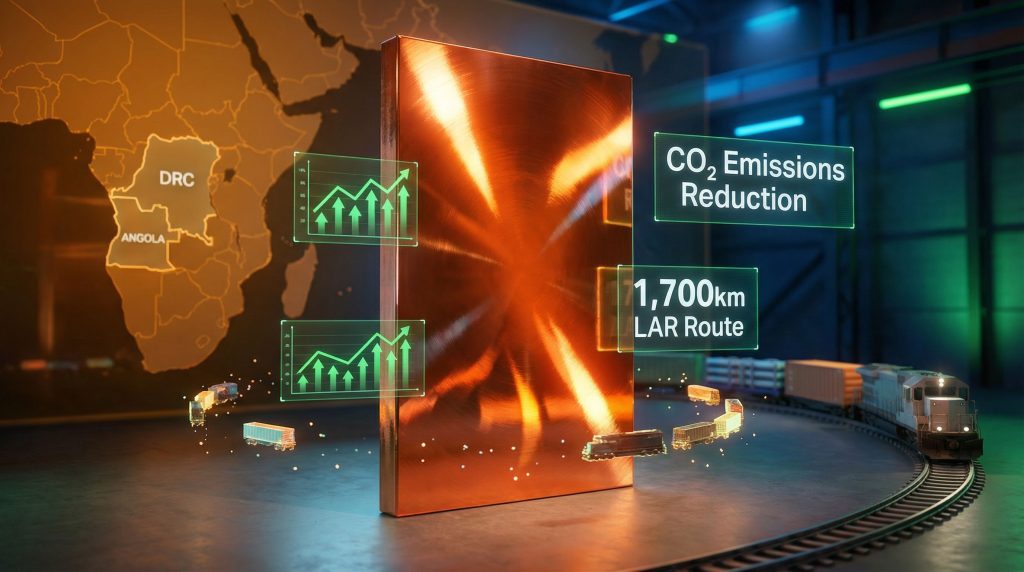
The LAR corridor spans 1,700 kilometres from Kolwezi in the Democratic Republic of Congo to the Port of Lobito in Angola, providing the shortest available route from central African mining regions to Atlantic shipping lanes. This geographic positioning delivers significant competitive advantages compared to alternative transportation options.
Transportation Efficiency Metrics:
| Route Option | Distance | Transit Time | Infrastructure Status |
|---|---|---|---|
| LAR to Lobito | 1,700 km | 7 days | Operational since January 2024 |
| Road to Dar es Salaam | 2,800 km | 14-21 days | Existing road network |
| Road to Durban | 3,200 km | 18-25 days | Existing road network |
The railway achieved impressive operational milestones in its initial years, transporting over 200,000 tonnes of cargo in 2025, with 30,000 tonnes moved in January 2026 alone. These volumes demonstrate the corridor's capacity to handle substantial mineral exports while providing reliable transit schedules essential for supply chain planning.
Infrastructure Investment and Development
The LAR project represents collaborative international development financing that combines private sector expertise with multilateral development support. Trafigura's consortium partnership with the US International Development Finance Corporation and Development Bank of Southern Africa created a financing structure that supported infrastructure development while establishing operational sustainability.
This financing approach demonstrates how strategic partnerships can address infrastructure gaps that have historically limited African mineral exports to global markets. Consequently, the corridor's success provides a model for similar transportation projects across the continent.
Carbon Footprint Analysis of Transportation Methods
Transportation represents a significant component of total supply chain emissions for mineral exports, particularly when considering the distances involved in moving products from central African mining regions to global markets. The selection of transportation corridors directly impacts the overall carbon intensity of finished copper products.
Comparative Environmental Impact Assessment
Rail transportation generally offers superior energy efficiency compared to road-based alternatives, particularly for high-volume mineral shipments. The LAR corridor's 7-day transit time compared to 14-25 days for alternative routes provides both commercial and environmental advantages through reduced fuel consumption and lower emissions per tonne transported.
Key Environmental Benefits:
- Reduced transit times minimise fuel consumption and associated emissions
- Higher cargo capacity per transport unit improves efficiency ratios
- Consolidated shipping reduces total vehicle movements required
- Modern infrastructure incorporates energy-efficient operational technologies
The integration of low-carbon copper anode production with efficient transportation creates cumulative environmental benefits throughout the supply chain. Products that begin with lower production emissions maintain these advantages through optimised logistics, delivering enhanced sustainability credentials to end users. For instance, this approach significantly outperforms traditional US copper production methods in terms of carbon intensity.
Life Cycle Carbon Intensity Calculations
Comprehensive carbon footprint assessments must consider emissions from mining operations, processing, transportation, and final refining to provide accurate sustainability metrics. The combination of Kamoa-Kakula's low-carbon production methods with LAR's efficient transportation creates industry-leading total emissions intensity.
While specific quantified emissions data requires detailed life cycle assessment studies, the integration of renewable energy sources, efficient processing technology, and optimised transportation provides substantial reductions compared to conventional supply chains relying on higher-carbon production methods and longer transportation routes.
Operational Excellence in Production and Logistics
The successful integration of advanced smelting technology with modern transportation infrastructure requires sophisticated operational coordination to maintain product quality, delivery schedules, and cost effectiveness throughout the supply chain.
Production Capacity and Quality Management
The Kamoa-Kakula smelter's 500,000-tonne annual capacity target positions it as a major supplier in global copper markets while maintaining stringent quality specifications required for international refinery operations. Achievement of 99.7% purity standards confirms the facility's technical capabilities and commercial readiness.
Quality control protocols include:
- Continuous monitoring of chemical composition throughout smelting processes
- Standardised sampling procedures that ensure representative quality assessment
- Automated testing systems that provide real-time production feedback
- Certification protocols that verify compliance with international specifications
Supply Chain Coordination Strategies
The Kolwezi dry port facility serves as the critical interface between production and transportation operations, providing consolidation, quality verification, and logistics coordination services. This facility's integration with LAR operations enables efficient cargo flows while maintaining inventory management flexibility.
Operational coordination includes:
- Production scheduling aligned with transportation capacity and market demand
- Inventory management that balances storage costs with delivery requirements
- Quality assurance checkpoints that verify specifications before shipment
- Documentation systems that support international trade and customs requirements
Economic Impact and Market Positioning
The integration of low-carbon production methods with efficient transportation creates competitive advantages that extend beyond immediate cost considerations to encompass market positioning, regulatory compliance, and long-term contract opportunities in sustainability-focused markets.
Cost-Benefit Analysis of Infrastructure Investment
While specific financial metrics require detailed commercial analysis, the LAR corridor's operational performance demonstrates clear advantages in transit time reduction, cargo handling efficiency, and market access improvement. These benefits translate to reduced inventory carrying costs, improved cash flow timing, and enhanced customer service capabilities.
Transportation cost advantages include:
- Reduced transit times that minimise working capital requirements
- Higher transport efficiency that lowers per-tonne shipping costs
- Improved reliability that reduces supply chain risk premiums
- Market access to European refineries seeking low-carbon materials
Sustainable Copper Market Positioning
European Union regulations increasingly require supply chain transparency and carbon footprint disclosure for industrial materials. Copper products with verified low-carbon credentials command premium pricing and preferential procurement consideration from sustainability-focused buyers.
Market positioning advantages include:
- Regulatory compliance with emerging EU carbon border adjustment mechanisms
- Brand differentiation through verified sustainability credentials
- Premium pricing opportunities for low-carbon certified products
- Long-term contracts with customers requiring ESG compliance
The successful delivery to Aurubis Group demonstrates market acceptance and commercial viability of integrated low-carbon supply chains, establishing precedents for similar transactions throughout the industry. Moreover, this achievement strengthens opportunities for copper-uranium investment strategies globally.
The next major ASX story will hit our subscribers first
Technology Integration and Digital Supply Chain Management
Modern mineral supply chains require sophisticated tracking, verification, and coordination systems to manage complex logistics while providing transparency required for sustainability certification and regulatory compliance.
Digital Tracking and Verification Systems
Blockchain technology enables immutable tracking of carbon footprint data throughout supply chains, providing verification capabilities essential for sustainability certification and premium pricing of low-carbon products. Integration of digital systems across production, transportation, and refining operations creates comprehensive audit trails.
Digital integration capabilities include:
- Real-time tracking of shipment location and condition throughout transport
- Automated documentation that supports customs clearance and quality certification
- Data analytics that optimise routing decisions and inventory management
- Integration platforms that coordinate between mining, logistics, and refining operations
Scalability and Future Development Potential
The LAR corridor's initial success creates opportunities for capacity expansion and service diversification that can support additional mining operations throughout the region. Current volume growth trends indicate strong market demand for efficient transportation alternatives.
Expansion opportunities include:
- Increased frequency of rail services to support higher cargo volumes
- Additional mining operations utilising the corridor for export logistics
- Service diversification to include other mineral commodities beyond copper
- Regional integration with continental trade facilitation initiatives
Risk Management and Operational Challenges
Large-scale infrastructure projects spanning multiple countries require comprehensive risk assessment and mitigation strategies to address operational, political, and technical challenges that could impact service reliability and commercial performance.
Infrastructure Reliability and Maintenance
Railway operations in challenging environments require robust maintenance programmes and equipment redundancy to ensure consistent service availability. The LAR corridor's performance during its initial operational period demonstrates effective maintenance planning and operational management.
Risk mitigation strategies include:
- Preventive maintenance programmes that minimise equipment failures and service disruptions
- Spare parts inventory management that ensures rapid repair capabilities
- Alternative routing options that provide backup transportation capacity during maintenance periods
- Weather monitoring systems that enable proactive service adjustments
Geopolitical and Regulatory Considerations
Cross-border infrastructure operations require stable political relationships and regulatory frameworks that support consistent operational permissions and commercial terms. The LAR project benefits from strong government support in both the Democratic Republic of Congo and Angola.
Stability factors include:
- Bilateral agreements that establish legal frameworks for cross-border operations
- Government endorsement that demonstrates long-term political support
- International financing that provides additional stakeholder oversight and stability
- Commercial contracts that establish clear operational terms and dispute resolution mechanisms
Industry Impact and Competitive Dynamics
The successful demonstration of integrated low-carbon copper supply chains creates competitive pressure throughout the industry while establishing new benchmarks for environmental performance and operational efficiency.
Market Transformation Drivers
European regulatory requirements for supply chain carbon disclosure and potential carbon border adjustments create strong market incentives for low-carbon material sourcing. Mining companies that establish verified low-carbon copper anode transportation gain competitive advantages in regulated markets.
Industry transformation factors include:
- Regulatory compliance requirements that favour low-carbon suppliers
- Customer procurement policies that prioritise sustainability credentials
- Investment criteria that incorporate ESG performance metrics
- Technology adoption pressures that drive operational efficiency improvements
Strategic Responses from Industry Participants
Major copper producers are evaluating similar technology adoptions and infrastructure investments to maintain competitive positioning in evolving markets. The Kamoa-Kakula and LAR integration provides a model for technology deployment and partnership development.
Strategic response options include:
- Technology partnerships with equipment suppliers for process efficiency improvements
- Infrastructure investments in transportation corridor development
- Market positioning strategies that emphasise sustainability credentials
- Supply chain integration initiatives that optimise total emissions intensity
Furthermore, the adoption of EV mining transportation technologies complements these strategic initiatives by reducing emissions across the entire mining value chain.
Future Outlook and Investment Implications
The successful integration of low-carbon copper production with efficient transportation infrastructure demonstrates the commercial viability of sustainable mining operations while creating precedents for industry-wide transformation toward lower emissions intensity.
Demand Growth Projections for Sustainable Copper
Global copper demand continues expanding driven by renewable energy infrastructure, electric vehicle production, and grid modernisation projects. Markets increasingly differentiate between conventional and low-carbon copper products, creating premium pricing opportunities for verified sustainable sources.
Demand drivers include:
- Electric vehicle manufacturing requiring verified sustainable material sourcing
- Renewable energy projects with sustainability certification requirements
- Grid infrastructure development prioritising low-carbon construction materials
- Industrial applications responding to supply chain carbon regulations
Investment Strategies for Market Participants
The LAR corridor and Kamoa-Kakula integration demonstrates how strategic infrastructure investments can create competitive advantages while supporting broader industry transformation toward sustainable operations.
Investment considerations include:
- Technology adoption timelines that balance capital requirements with market positioning
- Infrastructure partnerships that share development costs while improving market access
- Market differentiation strategies that capture premium pricing for sustainable products
- Geographic diversification that provides access to efficient transportation corridors
However, the successful implementation of low-carbon copper anode transportation requires careful consideration of market dynamics and technological developments. As demonstrated by the first commercial shipment through the Lobito corridor, these integrated approaches are proving their commercial viability in global markets.
Disclaimer: This analysis is based on publicly available information and industry research. Market forecasts and investment implications should be evaluated in conjunction with detailed financial analysis and professional investment advice. Actual results may vary from projections due to market conditions, technological developments, and regulatory changes.
Want to Capitalise on Emerging Copper Mining Opportunities?
Discovery Alert's proprietary Discovery IQ model identifies significant ASX mineral discoveries in real-time, including breakthrough technologies in copper production and low-carbon mining operations. Stay ahead of market-moving announcements by exploring Discovery Alert's proven track record of identifying major mineral discoveries that have delivered substantial returns to early investors.