July 11, 2026
Understanding Maritime Chokepoint Governance in Critical Energy Transit Routes
Global energy markets operate within a complex web of maritime regulations that govern the world's most strategic waterways. When critical shipping lanes face disruption, the intersection of international law, economic necessity, and geopolitical tensions creates unprecedented challenges for maintaining stable energy supplies. Maritime chokepoints represent vulnerable nodes in the global energy supply chain, where legal frameworks must balance coastal state sovereignty against the international community's need for unimpeded commercial navigation. The process of reopening the Strait of Hormuz exemplifies these complex dynamics when major transit routes face closure.
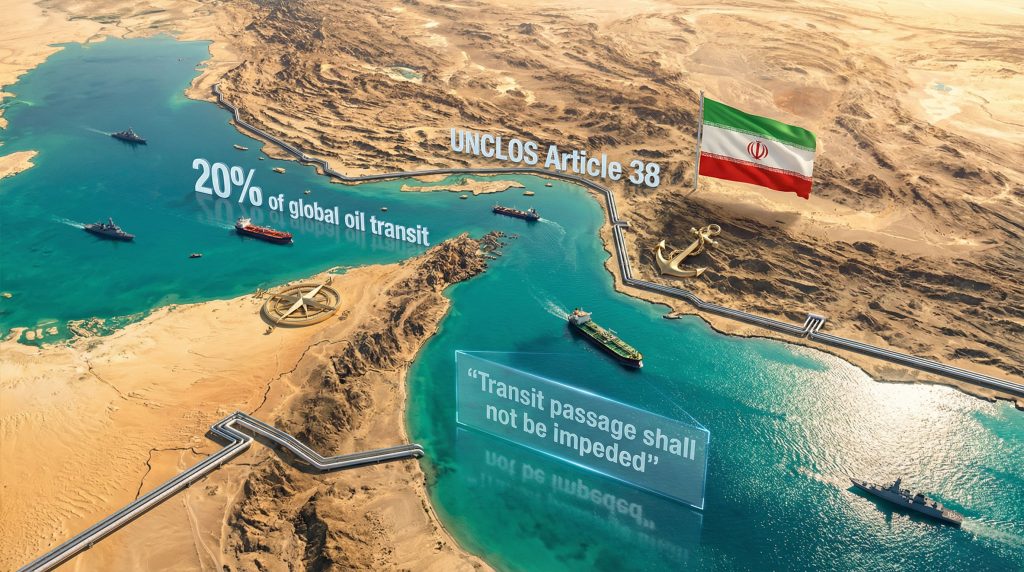
The governance of these vital waterways relies on established international maritime law principles, particularly those codified in the United Nations Convention on the Law of the Sea (UNCLOS). Under UNCLOS Article 38, the principle of transit passage ensures that ships and aircraft have the right to exercise freedom of navigation and overflight solely for the purpose of continuous and expeditious transit through straits used for international navigation. This legal framework becomes particularly crucial when analyzing disruptions to major energy transit routes.
| Maritime Law Principle | Application | Enforcement Mechanism |
|---|---|---|
| Transit Passage Rights | Continuous movement through international straits | Coastal state monitoring with limited interference |
| Freedom of Navigation | Commercial vessels maintain right of passage | International maritime patrols and diplomatic pressure |
| Innocent Passage | Peaceful transit through territorial waters | Port state control and flag state responsibilities |
The enforcement of these principles requires careful coordination between coastal states and the international maritime community. When disruptions occur, the legal framework provides multiple pathways for resolution, though practical enforcement often depends on political will and economic incentives rather than purely legal mechanisms.
"The principle that transit passage shall not be impeded forms the cornerstone of international maritime law governing strategic waterways, establishing the legal foundation for maintaining open sea lanes critical to global commerce."
When big ASX news breaks, our subscribers know first
Economic Leverage Mechanisms for Waterway Access Restoration
Financial pressure represents one of the most effective tools for encouraging cooperation in maritime dispute resolution. Recent events have demonstrated how regional conflicts can rapidly escalate into global economic crises, with energy infrastructure damage creating cascading effects across international markets. Qatar's major liquefied natural gas export facility sustained extensive damage, with QatarEnergy estimating approximately $20 billion annually in lost revenue and requiring up to five years for complete repairs.
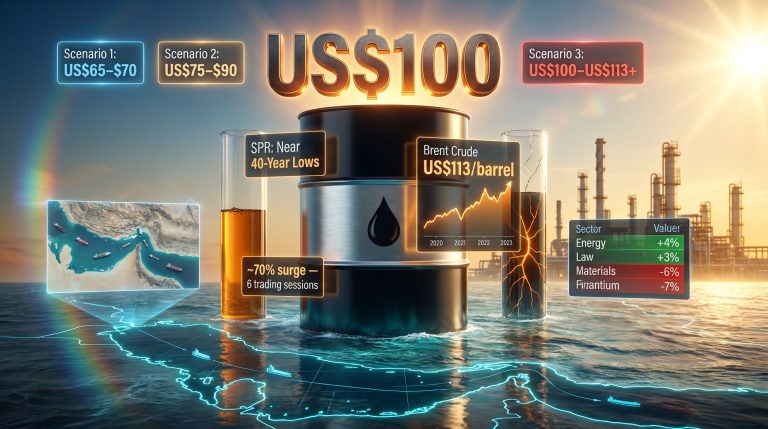
The immediate market response to such disruptions reveals the interconnected nature of global energy systems. Furthermore, oil prices have exhibited significant volatility, with Brent crude reaching levels near $105 per barrel and West Texas Intermediate trading around $93. These levels demonstrate the oil price rally dynamics that emerge during supply disruptions.
Multilateral Economic Pressure Tools
International responses to maritime disruptions typically employ several coordinated economic mechanisms. Additionally, governments must navigate how tariffs' impact on markets influences their strategic decisions:
• Asset freezes targeting maritime authorities and shipping entities
• Insurance restrictions that increase liability costs for vessels transiting disputed waters
• Port access limitations for flagged vessels from non-compliant states
• Financial sanctions on energy infrastructure operators
• Trade finance restrictions affecting commodity transactions
Coalition building among major energy importers becomes crucial when implementing these measures effectively. Recent weapons sales totaling $23 billion to the United Arab Emirates, Kuwait, and Jordan demonstrate how military assistance can serve dual purposes as both economic tools and diplomatic signals of commitment to regional partners.
Strategic Economic Interventions
Governments possess several regulatory tools to mitigate domestic energy cost impacts during maritime disruptions. The temporary waiver of century-old shipping mandates to reduce transportation costs for energy goods represents one such intervention, designed to provide immediate relief to domestic markets while maintaining pressure for waterway reopening.
| Intervention Type | Timeline | Expected Impact |
|---|---|---|
| Emergency shipping waivers | Immediate (0-30 days) | 5-15% cost reduction |
| Strategic reserve releases | Short-term (30-90 days) | Market price stabilisation |
| Alternative route subsidies | Medium-term (90-180 days) | Supply chain diversification |
The coordination of these economic measures requires significant financial commitment. Military operations alone have generated requests for additional funding exceeding $200 billion, indicating the substantial costs associated with maintaining pressure for waterway access restoration.
Military Protection Frameworks for Commercial Navigation
Naval escort operations in disputed maritime zones must navigate complex legal and operational challenges while maintaining the delicate balance between protecting commercial interests and respecting territorial sovereignty. The operational environment has proven particularly challenging, with military losses including 13 personnel and numerous aircraft, highlighting the risks associated with maintaining open shipping lanes through contested waters.
Recent incidents involving advanced military aircraft, including damage to F-35 stealth fighters requiring emergency landings, demonstrate the sophisticated defensive capabilities that naval protection forces must contend with when establishing secure transit corridors. Moreover, understanding how securing shipping lanes involves technological solutions becomes increasingly important.
Operational Risk Assessment Parameters
Military escort operations require comprehensive threat evaluation frameworks that consider multiple risk factors. Consequently, operational planners must assess:
- Air defence capabilities in transit zones
- Maritime patrol vessel presence and capabilities
- Subsurface threats including mine warfare potential
- Electronic warfare and communication disruption risks
- Weather and visibility conditions affecting defensive operations
The establishment of secure maritime corridors demands careful coordination between allied naval forces to ensure deconfliction and maximise protective coverage. After 20 days of ongoing operations, patterns of engagement and protective protocols have evolved to address identified vulnerabilities in escort procedures.
International Maritime Coordination Challenges
Effective naval protection requires clear rules of engagement that balance proportional response principles with the need to maintain deterrent capabilities. The complexity increases when multiple allied forces operate in the same maritime zone, requiring sophisticated coordination to prevent friendly fire incidents while maintaining robust defensive postures.
Insurance markets have responded to increased transit risks by adjusting premium calculations, though specific rate increases vary based on vessel type, cargo classification, and route timing. Commercial operators must weigh these additional costs against potential delays and revenue losses from route diversification.
Alternative Energy Transportation Infrastructure
The strategic importance of diversifying energy transportation routes has gained renewed attention as maritime chokepoint vulnerabilities become apparent. Current transportation networks concentrate approximately one-fifth of global oil and liquefied natural gas flows through single transit points, creating systemic risks for energy security. However, OPEC's market influence remains crucial in managing these supply disruptions.
Pipeline infrastructure development offers the most viable long-term alternative to maritime transportation for regional energy exports. However, existing pipeline networks require substantial capacity expansion to accommodate diverted flows during maritime disruptions.
Regional Pipeline Development Priorities
Several key infrastructure projects could reduce dependence on vulnerable maritime routes. In addition, regional cooperation becomes essential:
- Saudi East-West Pipeline expansion to increase Red Sea export capacity
- UAE-Oman strategic pipeline development for alternative Gulf access
- Iraq-Turkey route optimisation to enhance Mediterranean connectivity
- Qatar-Turkey pipeline proposals for European market access
Alternative shipping routes present immediate but costly solutions for maintaining energy flows during chokepoint disruptions. The Red Sea corridor offers one potential alternative, though recent attacks on facilities including the Samref refinery demonstrate that alternative routes may also face security challenges.
Economic Viability of Route Diversification
Transportation cost analysis reveals significant differences between maritime chokepoint transit and alternative routing options. While precise cost comparisons require current market data, historical patterns indicate that pipeline transportation generally offers lower per-unit costs for sustained high-volume flows, whereas maritime alternatives provide greater flexibility but at higher operational costs.
The Cape of Good Hope routing represents the most extreme alternative for maritime energy transportation, adding substantial distance and time to delivery schedules. This option becomes viable primarily during extended chokepoint closures when the cost differential becomes acceptable compared to supply interruption losses.
Emergency shipping diversification strategies require advance planning to secure adequate vessel capacity and alternative port infrastructure. The complexity of redirecting large-scale energy flows demonstrates why most stakeholders prioritise reopening the Strait of Hormuz rather than permanently shifting to alternative transportation networks.
International Institutional Oversight of Maritime Access
Multiple international organisations maintain jurisdiction over different aspects of maritime waterway governance, creating a complex institutional landscape for addressing access disruptions. The United Nations Security Council possesses broad authority to address threats to international peace and security, including maritime commerce disruptions that affect global economic stability.
Under Chapter VII of the UN Charter, the Security Council can authorise enforcement measures ranging from economic sanctions to military intervention when maritime access disputes threaten international peace. However, the effectiveness of Security Council action depends heavily on the political consensus among permanent members, particularly regarding veto power dynamics.
UN Security Council Enforcement Mechanisms
The Security Council's toolkit for addressing maritime access disputes includes several escalating response options. Furthermore, experts discuss maintaining open waterways as a critical international priority:
• Resolution adoption calling for immediate cessation of interference with navigation
• Economic sanctions targeting entities responsible for access disruption
• Arms embargoes limiting military capabilities in contested maritime zones
• Peacekeeping deployment authorisation for neutral monitoring of shipping lanes
• Military enforcement authorisation under Chapter VII provisions
Peacekeeping mission deployment in maritime contexts presents unique operational challenges, as traditional peacekeeping models focus on land-based territorial disputes rather than dynamic maritime environments requiring continuous patrol and protection capabilities.
International Maritime Organisation Authority
The International Maritime Organisation (IMO) maintains technical authority over shipping safety and navigation standards in international waters. IMO's jurisdiction encompasses traffic separation schemes that organise commercial vessel movement through high-density transit areas, emergency response coordination for maritime incidents, and search and rescue protocol implementation.
During access disruptions, IMO can activate emergency response protocols that coordinate international maritime assistance, establish temporary alternative routing recommendations, and facilitate communication between commercial operators and military authorities maintaining protective operations.
The organisation's technical expertise becomes particularly valuable when assessing infrastructure damage and establishing timeline estimates for waterway restoration to full operational capacity.
Energy Market Volatility and Reopening Timeline Dynamics
Oil market responses to maritime access disruptions reveal the complex relationship between geopolitical events and energy pricing mechanisms. Current market conditions show Brent crude trading near $106.78 and West Texas Intermediate at $94.42, representing significant increases from pre-crisis baseline levels. Additionally, understanding trade war oil price impact provides crucial context for these market movements.
The market's reaction pattern demonstrates how political statements and diplomatic developments can create immediate price volatility. Reassurance comments from political leaders helped moderate prices after initial spikes reached levels not seen since July 2022, indicating the market's sensitivity to perceived resolution prospects.
Price Threshold Analysis for Market Intervention
Historical patterns suggest that sustained oil prices above specific threshold levels trigger coordinated market interventions by major consuming nations. Strategic petroleum reserve releases become increasingly likely as prices remain elevated for extended periods, particularly when supply disruptions affect substantial percentages of global energy flows.
| Price Level (Brent) | Duration | Intervention Probability |
|---|---|---|
| $100-110/barrel | 1-2 weeks | Moderate (30-50%) |
| $110-125/barrel | 2-4 weeks | High (60-80%) |
| Above $125/barrel | Any duration | Very High (80-95%) |
Natural gas markets have shown parallel volatility, with current pricing at $3.10 reflecting the interconnected nature of energy commodity markets during supply disruption events.
Supply-Demand Rebalancing Mechanisms
Energy markets possess several mechanisms for managing temporary supply disruptions, though their effectiveness varies based on disruption duration and severity. Emergency stockpile releases can provide short-term market stabilisation, while demand reduction measures and alternative supplier activation require longer implementation periods.
The estimated $20 billion annual revenue loss from damaged LNG infrastructure demonstrates the substantial economic incentives for rapid resolution of maritime access disputes. Such figures influence political decision-making regarding resource allocation for resolution efforts, including military intervention costs.
Regional energy infrastructure damage, including refineries in Kuwait, gas facilities in the UAE, and power generation capacity in Iraq, creates multiplier effects that extend beyond simple transportation route disruption, amplifying market volatility and political pressure for swift resolution.
The next major ASX story will hit our subscribers first
How Can Long-term Governance Frameworks Enhance Maritime Security?
Preventing future maritime chokepoint closures requires institutional innovations that address the structural vulnerabilities in current governance frameworks. The concentration of global energy flows through limited maritime corridors creates systemic risks that existing international institutions struggle to address effectively. Moreover, ongoing US-China trade tensions complicate international cooperation efforts.
Multilateral oversight mechanisms could provide more robust protection for critical maritime infrastructure while respecting coastal state sovereignty rights. Such frameworks would require unprecedented cooperation between regional powers and global energy stakeholders.
Proposed Institutional Reforms
Several structural changes could enhance maritime chokepoint security. In addition, these reforms would create lasting benefits:
- International waterway authority establishment with monitoring and coordination responsibilities
- Mandatory transit insurance schemes funded by commercial beneficiaries
- Regional security cooperation agreements with standardised response protocols
- Infrastructure protection commitments backed by international guarantees
The Suez Canal Authority provides a potential model for international waterway management, though adapting this approach to reopening the Strait of Hormuz would require addressing significantly more complex geopolitical dynamics and sovereignty concerns.
Regional Security Architecture Evolution
Gulf Cooperation Council expansion could provide a framework for enhanced maritime security cooperation, though current regional tensions limit the viability of comprehensive security integration. Confidence-building measures between regional powers remain essential for establishing sustainable maritime governance frameworks.
The Malacca Strait security cooperation model demonstrates how multiple coastal states can collaborate on maritime security while maintaining individual sovereignty rights. This approach combines coordinated patrols, information sharing, and emergency response protocols without creating supranational authority structures.
Investment priorities for alternative route development must balance immediate security concerns against long-term economic efficiency considerations. Pipeline infrastructure projects require substantial upfront capital but offer greater supply security, while maintaining multiple maritime route options provides flexibility at higher operational costs.
Ultimately, the challenge of reopening the Strait of Hormuz highlights the need for comprehensive international frameworks that can respond effectively to maritime disruptions while preserving the principles of free navigation that underpin global commerce.
Disclaimer: This analysis is based on publicly available information and market data. Energy market investments carry substantial risks, and past price movements do not guarantee future performance. Readers should conduct independent research and consult qualified financial advisors before making investment decisions. Geopolitical developments can rapidly change market conditions and regulatory environments.
Seeking Strategic Advantages in Energy Markets During Maritime Disruptions?
Discovery Alert's proprietary Discovery IQ model provides immediate insights into ASX mining and energy companies positioned to benefit from global supply chain disruptions and commodity price volatility. Begin your 14-day free trial today to discover actionable investment opportunities ahead of the broader market, ensuring you're positioned to capitalise on energy sector developments as they unfold.