August 10, 2026
Understanding the Strategic Importance of Maritime Energy Corridors
Global energy markets depend heavily on a complex network of maritime chokepoints that facilitate the movement of petroleum products across continents. These narrow passages, where geographic constraints create bottlenecks in international shipping routes, have evolved into critical infrastructure that underpins modern economic systems. When tensions escalate around these strategic waterways, the resulting disruptions cascade through interconnected supply chains with effects far beyond the immediate geographic region, affecting oil price dynamics and global market stability.
The concentration of energy transit through specific maritime corridors creates vulnerabilities that extend throughout the global economy. Recent market volatility demonstrates how quickly disruptions can translate into price spikes, supply shortages, and strategic realignments among major energy consumers. Understanding these dynamics requires examining both the immediate market responses and the longer-term structural adaptations that emerge when critical infrastructure faces persistent threats.
When big ASX news breaks, our subscribers know first
Core Strategic Variables Driving the Current Crisis
Geopolitical Leverage Mechanisms
The ability to control or disrupt maritime energy transit creates substantial negotiating power in international relations. Recent events have demonstrated this leverage effect clearly, with oil prices experiencing dramatic swings based on diplomatic statements and military positioning. When President Trump announced that negotiations were approaching resolution, markets responded with a 10% decline in crude prices within a single trading session, illustrating the direct correlation between geopolitical posturing and energy valuations.
This leverage operates through multiple channels beyond simple supply restriction. The mere threat of disruption triggers precautionary behaviour among market participants, leading to strategic stockpiling, alternative routing arrangements, and premium pricing for secure supply contracts. According to OilPrice.com reporting from April 2026, South Korea secured 273 million barrels of crude through routes avoiding the disputed waterway, demonstrating how anticipated risks drive proactive supply chain modifications.
Economic Interdependence Dynamics
The crisis has revealed both the fragility and adaptability of global energy systems. Companies with significant trading operations have reported exceptional profits during periods of maximum volatility, while those dependent on consistent production flows have faced substantial operational challenges. Shell reported trading profits that significantly exceeded production-based earnings, despite a decline in output from 948,000 barrels per day to a range of 880,000-920,000 barrels per day.
Similarly, TotalEnergies quantified the conflict's impact at approximately 15% of global oil and gas production, accounting for roughly 10% of upstream cash flow. However, the company simultaneously reported a 10% increase in LNG production and substantial trading gains that offset production losses. This pattern illustrates how market disruptions create both challenges and opportunities within integrated energy companies.
Naval Force Projection Requirements
Maintaining open shipping lanes during periods of tension requires significant military resources and international coordination. The deployment of naval assets for escort duties, mine-clearing operations, and security patrols represents a substantial ongoing cost that typically falls on major maritime powers. These operations must balance deterrence effectiveness with escalation risks, creating complex strategic calculations for military planners.
The resource requirements for maintaining maritime security extend beyond immediate military costs. Insurance premiums for commercial vessels transiting disputed waters increase substantially, with some estimates suggesting increases of several hundred percent during peak tension periods. These costs ultimately flow through to end consumers while simultaneously creating incentives for alternative routing and supply diversification.
Market Impact Analysis Under Different Disruption Scenarios
Partial Restriction Dynamics
Current market data reveals the immediate effects of partial shipping disruptions on global energy pricing. Recent trading sessions have shown:
- WTI Crude declining to $84.98, representing a $9.71 decrease (-10.25%) in one day
- Brent Crude falling to $90.38, down $9.01 (-9.07%) over the same period
- Physical delivery prices for Brent crude reaching $150 per barrel during peak disruption
- Gasoline prices dropping $0.151 to $3.012 (-4.79%)
- Natural gas gaining $0.033 to $2.680 (+1.25%)
These price movements demonstrate how futures markets can diverge significantly from physical commodity values during supply disruptions. While paper contracts declined substantially, physical crude grades maintained elevated premiums, indicating that actual supply constraints persisted despite futures market corrections. Furthermore, the differential impact across petroleum products reflects varying degrees of supply chain flexibility.
Canadian crude blends, including Western Canadian Select at $78.82 and Premium Synthetic at $91.57, traded at discounts to benchmark prices, suggesting that non-disrupted sources maintained competitive advantage during the crisis period.
Extended Disruption Projections
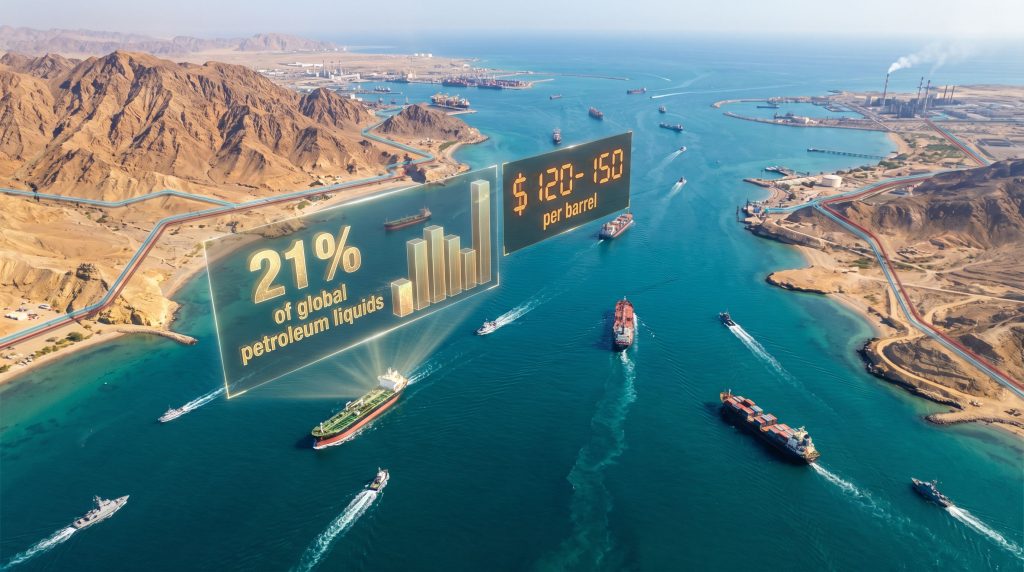
Industry analysis suggests that prolonged disruptions could drive oil prices to $120-150 per barrel, though physical delivery prices have already reached the upper end of this range. The International Energy Agency has projected that recovery from current production losses could require approximately two years, indicating potential for sustained market pressure.
Extended disruptions would likely trigger several adaptive mechanisms:
- Strategic reserve releases from major consuming nations to moderate price spikes
- Alternative pipeline utilisation through Turkey, Central Asia, and other overland routes
- Accelerated renewable energy deployment as price volatility increases investment returns for alternative sources
- Regional refining capacity expansion to reduce dependence on refined product imports
The LNG market faces distinct disruption patterns separate from crude oil. Headlines from EuroNews indicate that the Strait of Hormuz standoff has "upended global LNG markets," with European buyers exploring Canadian LNG options and Asian consumers adjusting procurement strategies. India has been actively purchasing spot LNG cargoes as regional prices fluctuated, demonstrating the global nature of energy market adjustments.
Long-Term Structural Implications for Energy Security
Infrastructure Diversification Imperatives
The crisis has accelerated discussions around building redundant energy transportation networks, highlighting critical energy security insights that inform strategic planning. This transformation encompasses multiple dimensions of energy infrastructure development, each requiring substantial capital investment and international cooperation.
Pipeline Network Expansion:
- Enhanced capacity through existing overland corridors
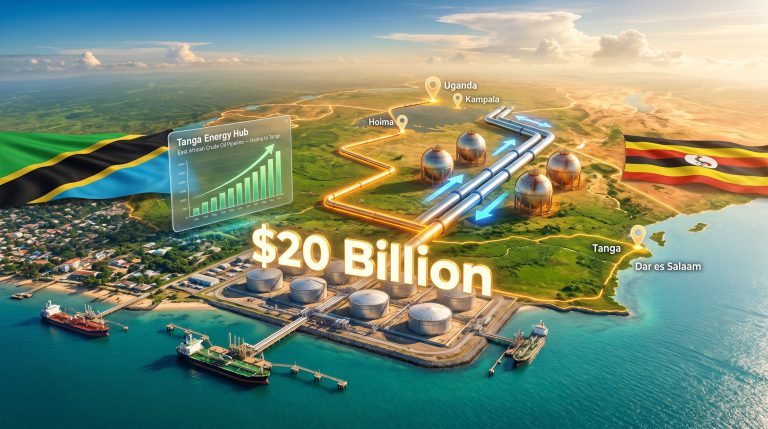
- Development of new pipeline routes bypassing maritime chokepoints
- Investment in bidirectional flow capabilities for existing infrastructure
- Integration of regional pipeline networks to create alternative supply paths
Alternative Transportation Methods:
- Increased rail and truck capacity for refined products
- Development of smaller vessel operations through alternative routes
- Regional storage facility expansion to buffer supply disruptions
- Investment in domestic refining capacity to reduce import dependencies
Strategic Reserve Policy Evolution
Nations are reassessing strategic petroleum reserve policies in response to demonstrated vulnerabilities. China has been expanding oil stockpiles to buffer against supply shocks, while other major consumers are evaluating reserve adequacy relative to import dependencies.
Key policy considerations include:
- Reserve size optimisation based on import vulnerability assessments
- Geographic distribution of storage facilities to minimise single points of failure
- Coordination mechanisms between allied nations for emergency response
- Release triggers that balance market stabilisation with strategic security needs
Japan has allocated $10 billion to support Southeast Asian nations in coping with oil supply disruptions, demonstrating how energy security concerns drive international cooperation and development assistance programmes.
Market Participant Adaptation Strategies
Trading Division Performance
Energy companies with substantial trading operations have reported exceptional performance during the crisis period. This success stems from their ability to capitalise on price volatility and geographic arbitrage opportunities that emerge during supply disruptions.
European Supermajor Results:
- Shell: Significantly higher trading profits despite production declines
- BP: Exceptional oil trading results attributed to extreme market volatility
- TotalEnergies: Strong trading activities benefiting from price dislocations
- Equinor: Trading division operating income guidance of $400 million, with actual results expected higher
U.S. Major Performance:
- Exxon: $2.9 billion earnings bump from higher prices, offset by $3.3-5.3 billion in hedging and operational losses
- Chevron: $1.6-2.2 billion price benefit, countered by $2.7-3.7 billion in downstream and hedging impacts
This divergence between European and U.S. majors reflects different business model orientations, with European companies maintaining more active trading operations while U.S. companies faced hedging losses from price movements beyond their risk management bands.
Corporate Strategic Adjustments
Operational Modifications:
- Manufacturing location decisions incorporating energy security considerations
- Supply chain resilience investments prioritising multiple sourcing options
- Emergency response protocol development for supply disruptions
- Enhanced inventory management systems to buffer short-term shortages
Investment Reallocations:
- Accelerated renewable energy project development timelines
- Energy efficiency initiative expansion to reduce total consumption
- Strategic partnerships with alternative suppliers in stable regions
- Technology investments in energy storage and demand management systems
Norway's oil export earnings surged 68% amid the crisis, illustrating how alternative suppliers benefit from disruptions to primary sources. This dynamic creates incentives for both supply diversification by consumers and capacity expansion by alternative producers, impacting energy exports challenges globally.
Diplomatic Resolution Pathways
Multilateral Mediation Frameworks
Regional Diplomatic Initiatives:
- Gulf Cooperation Council mediation efforts to reduce tensions
- OPEC+ coordination on production adjustments to stabilise markets
- Asian energy consumer nation diplomatic engagement with all parties
- European Union energy security dialogue incorporating supply diversification
International Organisation Involvement:
- United Nations maritime law enforcement mechanisms
- International Maritime Organisation safety and navigation protocols
- World Trade Organisation trade facilitation measures
- International Energy Agency emergency response coordination
Recent reporting indicates that ceasefire discussions involving Lebanon suggest broader regional de-escalation efforts may be underway. President Trump's statements suggesting that negotiations are "very close to over" with potential deal announcements have contributed to market optimism about diplomatic progress.
The next major ASX story will hit our subscribers first
What Economic Incentives Could Resolve the Crisis?
Compensation Mechanisms:
- Revenue-sharing arrangements for secure transit rights
- Infrastructure development partnerships benefiting all parties
- Economic sanctions relief negotiations tied to compliance agreements
- Investment guarantees for energy infrastructure projects
Security Guarantee Frameworks:
- Mutual non-aggression agreements with international backing
- Joint maritime patrol arrangements reducing tension points
- Conflict de-escalation protocols with automatic implementation triggers
- Third-party monitoring systems ensuring compliance verification
The complexity of interests involved requires sophisticated diplomatic frameworks that address economic, security, and sovereignty concerns simultaneously. Success likely depends on creating mechanisms that provide benefits to all parties while establishing clear consequences for agreement violations, considering Venezuela oil policies as precedents for resolution models.
National Preparedness Strategies for Future Disruptions
Short-Term Response Protocols
Emergency Activation Procedures:
- Strategic reserve release coordination with international partners
- Alternative supplier engagement through existing agreements
- Transportation infrastructure prioritisation for energy supplies
- Price volatility management through regulatory mechanisms
Market Stabilisation Measures:
- Fuel allocation systems prioritising critical sectors
- Export restriction authorities to preserve domestic supplies
- Import financing facilities to maintain supply flows
- Consumer protection measures preventing excessive price increases
India has implemented several adaptive measures, including purchasing Iranian oil in Yuan under U.S. sanctions waivers and directing refiners to avoid dollar purchases in spot markets. These actions demonstrate how nations can maintain energy security through financial and diplomatic flexibility.
Medium-Term Adaptation Requirements
Infrastructure Investment Priorities:
- Pipeline capacity expansion through secure routes
- Strategic storage facility development in protected locations
- Domestic production capability enhancement where feasible
- Regional energy integration projects with neighbouring countries
Diplomatic Relationship Strengthening:
- Bilateral energy partnership agreements with multiple suppliers
- Regional security cooperation frameworks reducing conflict risks
- International law enforcement coordination for maritime security
- Technology sharing agreements for energy infrastructure protection
Energy Mix Diversification Acceleration:
- Renewable energy deployment targets increased to reduce import dependence
- Nuclear power programme expansion where politically acceptable
- Energy efficiency standards enhancement across all sectors
- Demand response system development for crisis management
Consequently, the development of natural gas forecasts becomes essential for strategic planning.
Long-Term Resilience Building
Domestic Production Development:
- Exploration and development incentives for indigenous resources
- Technology advancement programmes for unconventional extraction
- Environmental regulation balance with energy security needs
- Workforce development for domestic energy industries
Regional Integration Projects:
- Cross-border pipeline networks with trusted partners
- Shared strategic reserve systems among allies
- Coordinated renewable energy development programmes
- Regional refining capacity optimisation agreements
Innovation Investment Focus:
- Energy storage technology advancement for grid resilience
- Alternative fuel development reducing petroleum dependence
- Smart grid systems enabling demand management during crises
- Advanced materials for energy infrastructure protection
Risk Assessment and Contingency Planning Methodologies
Scenario Planning Frameworks
Duration Analysis Models:
- Short-term disruption scenarios (1-30 days) focusing on immediate market impacts
- Medium-term restrictions (1-6 months) examining supply chain adaptations
- Extended crisis scenarios (6+ months) evaluating structural transformations
- Permanent alteration cases considering complete route abandonment
Escalation Pathway Assessment:
- Diplomatic resolution probability calculations
- Military intervention risk factors and consequences
- Economic warfare expansion potential across other sectors
- Regional conflict spillover effects on global energy systems
Economic Impact Modelling:
- GDP effects across major economies under different price scenarios
- Industry-specific impact assessments for energy-intensive sectors
- Consumer spending pattern changes during extended high-price periods
- Financial market stability implications of sustained energy volatility
Contingency Planning Requirements
Supply Chain Alternative Mapping:
- Complete route analysis for all major trade flows
- Capacity constraints identification for alternative pathways
- Lead time requirements for supply source switching
- Cost differentials between primary and backup supply options
Emergency Allocation Protocols:
- Priority sector identification for fuel allocation during shortages
- Inter-agency coordination mechanisms for rapid response implementation
- International cooperation agreements for emergency supply sharing
- Private sector engagement protocols for crisis management support
Inter-Agency Coordination Mechanisms:
- Real-time information sharing systems between relevant departments
- Decision-making authorities clearly defined for crisis response
- Communication protocols with international partners and organisations
- Public information management strategies during crisis periods
The Australian refinery fire that exacerbated fuel shortages demonstrates how local disruptions can compound global supply pressures, emphasising the need for comprehensive risk assessment that considers multiple simultaneous stress factors.
Navigating Complex Energy Security Challenges
The Strait of Hormuz standoff closure represents a critical inflection point in global energy security architecture. The crisis has demonstrated both the vulnerabilities inherent in concentrated supply chains and the remarkable adaptability of market mechanisms when faced with systemic stress. While immediate price volatility creates significant challenges for consumers and businesses, the disruption has also accelerated necessary adaptations toward more resilient and diversified energy systems.
The ultimate resolution of this crisis will likely require addressing underlying geopolitical tensions through comprehensive diplomatic engagement while simultaneously building more robust energy security frameworks. Companies have demonstrated their ability to profit from volatility through sophisticated trading operations, but sustainable energy security depends on reducing the conditions that create such extreme market dislocations.
Success in managing these risks requires coordinated responses across multiple dimensions. Diplomatic efforts must address root causes of conflict while economic policies support supply diversification and infrastructure resilience. Military capabilities ensure freedom of navigation, but their effectiveness depends on international cooperation and clear rules of engagement that minimise escalation risks.
The transformation toward greater energy security will require sustained investment in alternative infrastructure, diplomatic relationship building, and technological innovation. Countries that successfully balance immediate crisis management with long-term structural improvements will be best positioned to thrive in an increasingly complex global energy environment.
This analysis is based on publicly available information and market data as of April 2026. Energy markets remain highly volatile, and investors should conduct independent research before making investment decisions. Geopolitical situations can evolve rapidly, potentially affecting the accuracy of forward-looking assessments contained in this analysis.
Looking to Navigate Energy Market Volatility?
Geopolitical disruptions and supply chain vulnerabilities create exceptional opportunities for informed investors to capitalise on market movements before the broader public reacts. Discovery Alert's proprietary Discovery IQ model delivers real-time alerts on significant ASX mineral discoveries, transforming complex commodity data into actionable insights that position subscribers ahead of market volatility. Begin your 14-day free trial today and secure your advantage in navigating the next wave of energy and resource market opportunities.