July 23, 2026
Mining Industry Dynamics and the Strategic Shift Toward Renewable Energy
The global mining sector faces mounting pressure to transform its operational energy framework as stakeholders demand both environmental accountability and sustained competitiveness. Traditional heavy industry operations have long relied on fossil fuel-intensive processes, creating significant challenges for companies seeking to balance profitability with sustainability commitments. Furthermore, the Fortescue Pilbara wind farm decarbonisation initiative represents a pivotal moment in demonstrating how large-scale renewable energy integration can reshape mining operations whilst maintaining operational efficiency.
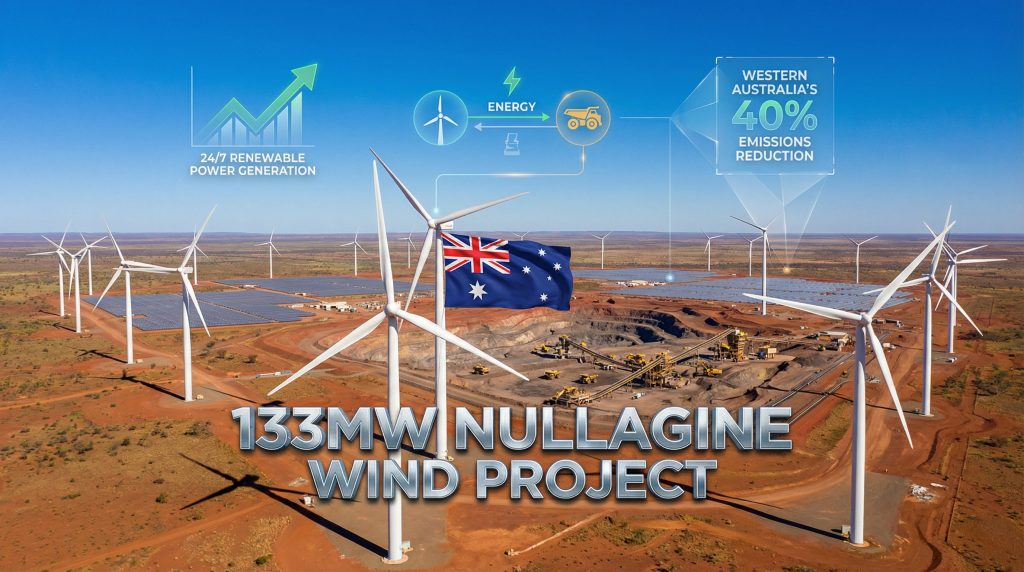
Within this context, Australia's Pilbara region represents a critical testing ground for renewable energy integration in mining operations. The area's mining activities contribute more than 40% of Western Australia's total emissions, yet less than 2% of energy generated in the Pilbara currently comes from renewable sources. This dramatic imbalance highlights both the scale of the challenge and the potential impact of successful renewable energy deployment in remote mining locations.
When big ASX news breaks, our subscribers know first
Strategic Innovation in Remote Wind Power Development
Fortescue's recent initiative to construct Australia's first Pilbara wind farm represents a significant strategic departure from conventional mining energy approaches. The 133-megawatt facility near Nullagine, scheduled for completion in 2027, will deploy 17 specialised turbines engineered specifically for extreme weather conditions common to Western Australia's remote mining regions.
The project's technical specifications reveal important innovations in remote renewable energy deployment. Each turbine reaches an estimated height of 277 meters, making them the tallest wind installations in Australia. This engineering choice reflects cost-optimisation principles, as taller structures enable increased energy capture while requiring fewer physical installations to achieve equivalent power output.
Evening Energy Generation Advantages
Unlike solar installations that generate power exclusively during daylight hours, wind resources in the Pilbara demonstrate optimal performance during evening periods and late afternoon hours. This timing alignment addresses a critical operational gap for mining operations that require continuous energy supply for equipment operation and processing activities.
The China-manufactured turbines incorporate cyclone-resistant design specifications, addressing the primary environmental challenge for infrastructure deployment in Western Australia's cyclone-prone regions. This weather resilience represents a fundamental requirement for ensuring operational continuity during extreme weather events that regularly impact the area.
Economic Considerations for Wind Power in Mining Operations
Cost dynamics present both opportunities and challenges for wind power adoption in remote mining locations. Industry analysis suggests that wind technology has not achieved the same rate of cost reduction experienced by solar installations, creating economic pressure on project viability. However, these challenges must be viewed within the broader context of industry evolution trends that increasingly favour renewable energy adoption.
Remote Location Cost Multipliers
The Pilbara's geographic isolation creates specific cost challenges that impact renewable energy project economics:
- Extreme weather conditions requiring enhanced equipment specifications
- Fly-in/fly-out (FIFO) workforce requirements driving labour costs significantly higher than non-remote projects
- Specialised maintenance demands for equipment operating in harsh environmental conditions
These factors combine to create higher operational expenses compared to renewable energy projects in more accessible locations. However, the strategic value of evening energy generation capability may justify the additional costs for mining operations requiring 24-hour power availability.
Competitive Energy Pricing Requirements
Industry consultants emphasise that renewable energy costs must continue declining to maintain mining competitiveness in global markets. Ray Wills from Future Smart Strategies notes that expensive energy translates directly to expensive iron ore production, potentially impacting the viability of green iron initiatives that depend on low-cost renewable power sources.
Equipment Electrification and Infrastructure Requirements
The transition from diesel-powered mining equipment to electric alternatives represents a fundamental shift in mining operations. Fortescue has already initiated electric excavator trials at Pilbara mine sites, demonstrating progression beyond planning stages toward operational implementation. Moreover, the integration of electric mining equipment requires substantial renewable energy capacity to remain economically viable.
Electric mining equipment deployment requires substantial renewable energy capacity to remain economically viable. The 133-megawatt wind farm is explicitly designed to power electric heavy vehicles, indicating the scale of energy infrastructure needed to support equipment electrification across mining operations.
Technical Integration Challenges
Several technical factors influence the successful integration of renewable energy with electric mining equipment:
- Continuous power demand for 24-hour mining operations
- Equipment charging infrastructure requirements for large-scale vehicle fleets
- Battery technology specifications capable of supporting heavy-duty mining applications
- Grid integration systems balancing multiple renewable energy sources
Industry Competitive Positioning and Market Dynamics
Fortescue's wind initiative occurs within a broader context of mining industry decarbonisation efforts, where companies pursue different strategic approaches to emissions reduction. BHP's September 2025 decision to discontinue Western Australian renewable energy projects whilst maintaining emissions targets through alternative mechanisms illustrates the diverse pathways mining companies are exploring.
The first-mover advantage in Pilbara wind development positions Fortescue strategically within competitive dynamics where lower-carbon production processes may create market differentiation opportunities. In addition, this positioning becomes increasingly relevant as international markets implement carbon border adjustment mechanisms that may favour lower-emission resource producers, supporting Australia's green metals leadership aspirations.
Regulatory Framework and Policy Implications
Western Australia's Pilbara Energy Transition Plan provides policy context for renewable energy development in the region, establishing frameworks for emissions reduction whilst maintaining economic competitiveness. The plan addresses the significant challenge posed by the region's massive emissions contribution relative to its current renewable energy penetration.
Environmental regulations create both compliance requirements and market opportunities for mining companies investing in renewable energy infrastructure. ESG compliance demands from institutional investors add additional pressure for demonstrable progress in operational decarbonisation. Consequently, companies that align with energy transition strategies position themselves favourably for long-term market success.
The next major ASX story will hit our subscribers first
Technical Feasibility and Expert Assessment
Industry expertise reveals mixed perspectives on wind power adoption in remote mining applications. While recognising Fortescue as a global best-practice leader in operational decarbonisation, renewable energy consultants characterise the Nullagine project as ambitious given the technical and economic challenges of the Pilbara operating environment.
The assessment that widespread wind farm development is unlikely in northern Western Australia due to cost considerations compared to solar alternatives suggests that Fortescue's initiative may remain unique rather than catalysing broader industry adoption in the near term. However, Fortescue's commitment to uniting world-class technology and manufacturing demonstrates the company's dedication to pioneering solutions.
What Makes This Project Unique?
The Fortescue Pilbara wind farm decarbonisation project incorporates several unique features that distinguish it from conventional renewable energy developments:
- Self-lifting tower technology reducing installation complexity
- Australia's largest turbines specifically designed for cyclone conditions
- Strategic positioning to complement solar installations for round-the-clock renewable power
- Direct integration with electric mining equipment deployment plans
Regional Energy Infrastructure Transformation
The Nullagine wind farm represents the beginning of potential regional energy infrastructure development that could extend beyond individual mining operations. CEO Dino Otranto's statement that the wind farm would be "the first of many" for the region suggests strategic vision for expanded renewable energy capacity.
This expansion potential creates opportunities for infrastructure sharing across mining operations, potentially improving project economics through scale efficiencies and distributed cost structures. Furthermore, successful implementation could inspire renewable energy innovations across the global mining industry.
Strategic Risk Management Through Renewable Investment
Renewable energy investment serves multiple strategic purposes beyond emissions reduction, including operational cost management and competitive positioning. As global markets increasingly demand lower-carbon production processes, mining companies with established renewable energy capabilities may capture premium pricing or preferential market access.
The investment also provides hedging against future carbon pricing mechanisms and regulatory changes that may impose additional costs on carbon-intensive operations. This risk management value adds strategic rationale for renewable energy investment even when immediate economic returns remain uncertain.
Performance Metrics and Success Indicators
Several key performance indicators will determine the success of the Fortescue Pilbara wind farm decarbonisation strategy and its influence on broader industry adoption:
- Capacity factor achievements relative to projected 133MW output expectations
- Integration efficiency with existing solar installations and electric equipment deployment
- Cost per MWh performance compared to diesel and natural gas alternatives
- Operational reliability during extreme weather events and cyclone seasons
The 2027 completion timeline provides a clear milestone for evaluating technical performance and economic viability, which will inform decisions regarding expansion and industry-wide adoption patterns.
Future Implications for Sustainable Mining Operations
Fortescue's Pilbara wind initiative establishes important precedents for renewable energy integration in remote mining environments. Success in achieving cost-effective evening energy generation whilst maintaining operational reliability could accelerate similar projects across Australia's resource sector.
The project's outcomes will influence investment patterns and policy development for renewable energy in mining, potentially reshaping how the industry approaches decarbonisation challenges. The strategic positioning achieved through early adoption of wind power technology may create lasting competitive advantages in an increasingly carbon-conscious global marketplace.
However, the Fortescue Pilbara wind farm decarbonisation project represents more than just technological innovation – it demonstrates how forward-thinking companies can lead industry transformation whilst maintaining operational excellence. The project's success will likely influence similar initiatives globally, establishing new benchmarks for renewable energy integration in resource-intensive industries.
Disclaimer: This analysis involves forecasts and projections regarding renewable energy adoption, mining industry transformation, and technology development timelines. Actual outcomes may vary significantly based on technological advancement, regulatory changes, market conditions, and operational performance factors not fully predictable at the time of analysis.
Ready to Capitalise on Energy Transition Investment Opportunities?
Discovery Alert's proprietary Discovery IQ model delivers real-time alerts on significant ASX mineral discoveries, including companies positioned to benefit from the renewable energy transformation reshaping the mining sector. Understand why major mineral discoveries can lead to substantial market returns by exploring historic examples of exceptional outcomes, then begin your 30-day free trial today to position yourself ahead of the market.