June 30, 2026
Modern Mining Consolidation Strategies in Copper Operations
The global copper mining industry faces mounting pressure to optimise extraction efficiency while maintaining production consistency across volatile market conditions. Traditional approaches of operating multiple small-scale pits within proximity have given way to sophisticated consolidation methodologies that integrate adjacent resources into unified extraction systems. This transformation represents more than operational convenience – it fundamentally reshapes how mining enterprises approach resource development, equipment deployment, and long-term strategic planning.
Contemporary copper operations increasingly prioritise systematic resource optimisation through technological integration and strategic planning frameworks. The shift toward consolidated operations reflects broader industry recognition that fragmented extraction approaches limit both operational efficiency and capital utilisation effectiveness. Furthermore, these developments align with emerging copper investment opportunities that focus on operational excellence.
When big ASX news breaks, our subscribers know first
Understanding Integrated Pit Development Systems
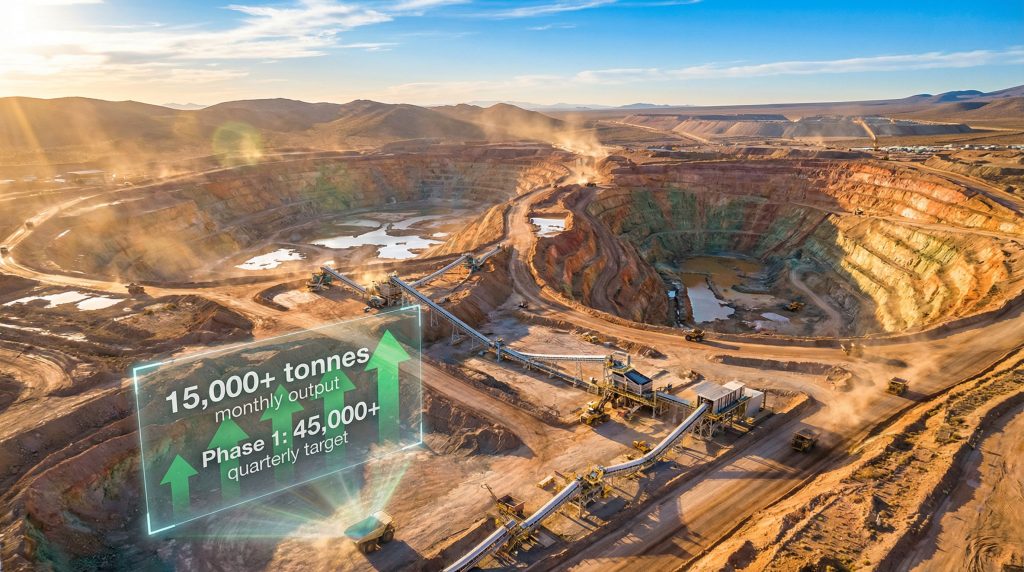
Pit consolidation methodology transforms traditional multi-site operations into streamlined extraction platforms that maximise equipment utilisation while minimising operational redundancies. The implementation of mine plan at Molefe exemplifies this strategic approach, where Pit 2 and Pit 3 integration creates a unified operational framework targeting monthly production exceeding 15,000 tonnes.
The consolidation process involves several critical operational phases:
- Overburden removal: Systematic stripping of 400,000 tonnes across four-month development periods
- Waste management optimisation: Processing 352,230 bank cubic metres during initial development phases
- Production scaling: Quarterly targets increasing to 50,000 bank cubic metres from month four onward
- Grade consistency improvement: Delivery of material at more consistent copper percentages to downstream processing
Operational Efficiency Through Unified Extraction
Modern pit consolidation delivers measurable operational improvements through equipment optimisation and haulage distance reduction. When mining operations eliminate the need to maintain separate infrastructure for adjacent pits, significant cost reductions emerge across multiple operational categories.
Table: Consolidation Impact Metrics
| Operational Parameter | Before Integration | After Integration | Improvement Factor |
|---|---|---|---|
| Monthly Production | 3,500 tonnes | 15,000+ tonnes | 328% increase |
| Equipment Utilisation | Multi-site deployment | Unified operations | Reduced redundancy |
| Waste Management | Separate processing | Consolidated handling | Streamlined logistics |
| Grade Consistency | Variable delivery | Standardised feed | Enhanced quality control |
The strategic advantages of unified pit operations extend beyond immediate cost savings. Consolidated operations enable more sophisticated mine planning approaches that consider the entire resource base as an integrated system rather than individual extraction zones. In addition, these developments contribute to broader global copper supply forecast considerations.
Dual-Stream Processing Optimisation
Advanced copper operations implement sophisticated material classification systems that maximise value extraction from varying ore grades. The implementation of mine plan at Molefe incorporates automated ore sorting technology to distinguish between high-grade material (2.0-2.5% copper) designated for direct processing and medium-grade ore requiring on-site beneficiation.
This dual-pathway approach creates multiple revenue streams while ensuring comprehensive resource utilisation:
- Direct processing pathway: High-grade ore immediate refinery delivery
- On-site enhancement: Medium-grade material acid curing treatment
- Recovery optimisation: Enhanced copper solubility through chemical processing
- Revenue acceleration: Immediate cash generation from premium material
Automated Classification Technology Integration
The introduction of automated ore sorting represents a significant technological advancement in material handling efficiency. This technology enables real-time classification of mined material, reducing manual handling requirements while improving grade consistency for downstream processing operations.
Moreover, underground copper mining advances are revolutionising material classification processes across the industry. According to Mining Weekly, recent developments demonstrate the effectiveness of integrated classification systems in maximising resource utilisation.
The integration of automated sorting systems allows for efficient classification of mined material into appropriate processing pathways, maximising both immediate cash generation and long-term resource value creation through comprehensive ore body utilisation.
Automated sorting technology provides several operational advantages over traditional manual classification approaches, including reduced labour requirements, improved safety outcomes, and enhanced material consistency for processing facilities.
Resource Extension and Long-Term Growth Planning
Strategic mine development extends beyond immediate production optimisation to encompass systematic resource base expansion. Phase 2 drilling programmes target eastern resource extension with geological continuity confirmed across 250 metres of strike length, supporting production scaling while extending overall mine life.
The systematic approach to resource development includes:
- Phase 2 drilling: Currently underway with strategic partner collaboration
- Resource definition: 12-month construction timeline to production implementation
- Strike extension: Mineralisation continuity assessment along eastern geological trends
- Exploration ground: 12,300 hectares of adjacent territory for future development
Strategic Timeline Implementation
Table: Development Phase Progression
| Development Phase | Timeline | Operational Focus | Expected Output |
|---|---|---|---|
| Phase 1 Implementation | Current | Pit consolidation | 15,000+ tonnes monthly |
| Phase 2 Drilling | Ongoing | Eastern extension | Resource definition |
| Construction Phase | 12 months | Infrastructure development | Production preparation |
| Production Integration | Year 2 | Scaled operations | Enhanced mine life |
Processing Infrastructure Integration
The proximity of processing facilities to extraction operations creates significant logistical advantages that support operational scaling objectives. Strategic integration between mining operations and refinery capacity enables consistent material flow while reducing transportation costs and ensuring processing capability alignment.
Vertical integration advantages include:
- Reduced transportation costs: Minimised haulage distances to processing facilities
- Consistent processing capacity: Aligned production rates with refinery capabilities
- Quality control integration: Direct feed quality management systems
- Operational synchronisation: Coordinated production and processing schedules
The geographic positioning of processing infrastructure relative to extraction operations represents a critical factor in operational efficiency and cost management for integrated copper production systems. However, these considerations also reflect broader trends in copper and uranium investments across international markets.
Weather Resilience and Production Continuity
Operational resilience during challenging weather conditions demonstrates the effectiveness of systematic mine planning approaches. Recent performance data indicates successful mining of 181,890 tonnes of copper reef during adverse weather periods, with 9,130 tonnes transported at 1.84% copper grade maintaining production continuity.
This weather resilience performance provides confidence in year-round production consistency and supports investor expectations for reliable cash flow generation regardless of seasonal variations. Consequently, such operational reliability contributes to stability within the broader US copper production outlook.
Risk Management Through Strategic Planning
Effective mine planning incorporates weather resilience measures that protect production schedules from seasonal disruptions. These measures include infrastructure design considerations, equipment selection criteria, and operational scheduling flexibility that maintains productivity during challenging conditions.
The next major ASX story will hit our subscribers first
Investment Framework and Value Creation
The structured approach to mine development balances immediate production delivery requirements with long-term value creation objectives. This dual focus addresses investor requirements for both near-term cash flow generation and sustainable resource growth.
Key Investment Considerations:
- Accelerated cash generation: High-grade ore immediate processing capabilities
- Resource maximisation: Medium-grade material on-site upgrading systems
- Operational scaling: Consolidated pit efficiency improvements
- Strategic expansion: Exploration programmes supporting future growth
- Production reliability: Weather-resilient operations ensuring consistency
The integration of technological systems, operational optimisation, and strategic resource development creates a comprehensive framework for sustainable copper production that addresses both immediate operational requirements and long-term growth objectives.
Market Positioning and Competitive Advantages
Modern copper operations compete on efficiency, consistency, and scalability rather than solely on resource grade or geographic positioning. The implementation of mine plan at Molefe demonstrates how systematic operational optimisation creates competitive advantages through:
- Technology integration: Automated systems improving material handling efficiency
- Operational consolidation: Reduced extraction costs through unified pit operations
- Strategic processing: Dual-stream approaches maximising resource value
- Systematic expansion: Exploration programmes supporting sustainable growth
These competitive advantages position modern copper operations for success in volatile commodity markets while building platforms for long-term resource development and operational expansion. Furthermore, detailed insights from Galileo Resources highlight the strategic importance of integrated operational approaches in contemporary mining developments.
This analysis examines operational optimisation strategies in modern copper mining without providing investment recommendations. Readers should conduct independent research and consult qualified professionals before making investment decisions. Mining operations involve inherent risks including commodity price volatility, operational challenges, and regulatory considerations that may impact performance outcomes.
Looking to Capitalise on Copper Mining Investment Opportunities?
Discovery Alert provides instant notifications on significant ASX mineral discoveries, powered by its proprietary Discovery IQ model, delivering rapid insights into copper and mining opportunities as soon as they're announced. Begin your 14-day free trial today to gain a market-leading edge in identifying actionable copper investments ahead of the broader market.