
May 15, 2026
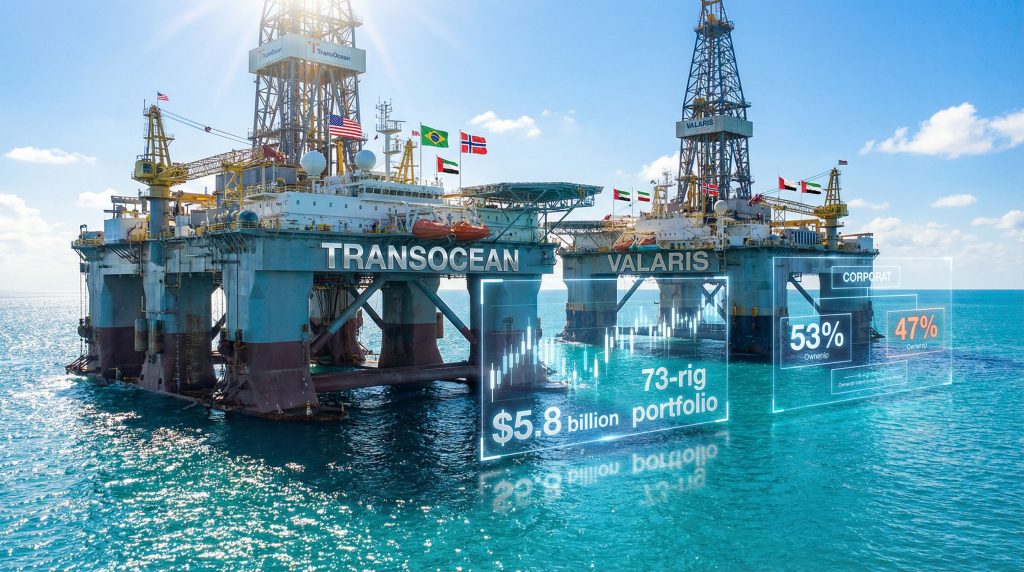
The offshore drilling industry stands at a critical juncture where scale, specialisation, and strategic positioning determine long-term survival. Market forces have created an environment where only the largest, most technically capable operators can weather commodity cycles whilst capitalising on multi-year development opportunities. This consolidation imperative reflects broader industry consolidation trends seen across energy infrastructure sectors.
Understanding the Strategic Rationale Behind Offshore Drilling Consolidation
The Transocean Valaris merger represents a fundamental shift in offshore drilling market dynamics, driven by the urgent need for operational scale and enhanced pricing leverage. This $5.8 billion all-stock combination creates a dominant market position capable of weathering commodity downturns whilst positioning for cyclical recoveries.
Scale Economics and Market Positioning
Modern offshore drilling requires sophisticated asset allocation across multiple basins and technical specifications. The merger creates an industry leader with a diversified fleet of 73 rigs, including 33 ultra-deepwater drillships, nine semisubmersibles, and 31 modern jackups. This comprehensive portfolio enables service delivery across varied operational requirements and geographic markets.
The transaction structure reflects careful valuation considerations, with Valaris shareholders receiving 15.235 Transocean shares per common share. Based on February 6, 2026 closing prices, the combination implies a combined enterprise value of approximately $17 billion.
Market Consolidation Drivers
Industry analysts have identified the strategic rationale behind this consolidation wave. The offshore drilling sector operates in a highly consolidated market with limited room for organic growth. As one Wood Mackenzie analyst noted, acquiring new backlog through strategic combinations makes sense for major operators seeking market leadership positions.
The industry is moving toward duopoly-like conditions similar to other supply chain sectors, where remaining rig owners gain enhanced pricing power. This concentration supports near-term price stability whilst positioning the combined entity to capitalise more efficiently on offshore drilling cycles.
Geographic and Technical Diversification
The merged fleet's geographic reach spans the world's most attractive offshore basins:
• Gulf of Mexico ultra-deepwater developments
• North Sea harsh-environment operations
• Brazil pre-salt exploration and development
• West Africa deepwater projects
• Middle East shallow-water drilling campaigns
• Southeast Asia jackup operations
• Mediterranean exploration activities
• Australia offshore developments
This diversification provides defensive characteristics against regional market downturns whilst enabling opportunistic deployment during basin-specific upcycles. Furthermore, the combination creates additional stability against volatility similar to patterns observed in oil price stagnation factors affecting the broader energy sector.
When big ASX news breaks, our subscribers know first
Fleet Optimisation and Operational Synergies
The combination creates unprecedented opportunities for cross-fleet optimisation, enabling specialised equipment deployment based on technical requirements rather than corporate boundaries. This operational flexibility enhances contract competitiveness across diverse drilling environments.
Technical Capability Integration
| Rig Category | Fleet Size | Market Position | Operational Focus |
|---|---|---|---|
| Ultra-deepwater Drillships | 33 units | Market leader | 3,000+ feet water depth |
| Harsh-environment Semisubs | 9 units | Premium positioning | Extreme weather operations |
| Modern Jackups | 31 units | Top-five player | Shallow water efficiency |
The combined entity solidifies its market-leading position in high-specification ultra-deepwater operations whilst becoming a top-five player in the high-specification jackup market. This dual positioning provides comprehensive service capabilities across water depth ranges.
Operational Excellence Framework
Approximately 78% of the combined fleet operates in technically demanding harsh environments, where barriers to entry remain high. This positioning provides defensive characteristics and premium pricing opportunities compared to more commoditised drilling segments.
The merger enables advanced asset allocation strategies, allowing optimal rig deployment based on:
• Technical specifications matching project requirements
• Geographic proximity to reduce mobilisation costs
• Contract duration alignment with fleet availability
• Environmental conditions suitable for specific rig capabilities
In addition, the integration of drilling technology innovation positions the combined entity at the forefront of operational efficiency advances.
Financial Architecture and Value Creation
The ownership structure reflects balanced value distribution, with Transocean shareholders holding 53% and Valaris shareholders holding 47% of the combined entity on a fully diluted basis. This near-equal split demonstrates the strategic value both companies bring to the combination.
Synergy Realisation Framework
Management has identified over $200 million in annual cost synergies across three primary categories:
- Administrative consolidation – Elimination of redundant corporate functions
- Fleet optimisation – Enhanced vessel utilisation and deployment efficiency
- Operational efficiency – Streamlined procurement and maintenance operations
"Strategic Value Assessment: Management values these operational synergies at approximately $1.5 billion, representing roughly 15% of the combined market capitalisation and indicating substantial optimisation potential."
Balance Sheet Strengthening
The transaction creates enhanced financial flexibility through improved cash flow generation and accelerated debt reduction. The combined entity targets a leverage ratio of approximately 1.5x within 24 months of transaction closing, significantly strengthening the balance sheet position.
Combined Backlog Value: $10 billion
Projected Market Capitalisation: $12.3 billion
Target Leverage Ratio: 1.5x within 24 months
This deleveraging timeline demonstrates the cash generation potential of the combined operations and provides financial resilience during potential market downturns. However, the financial projections must account for broader market conditions affecting similar oil price rally analysis scenarios.
Market Concentration and Competitive Dynamics
The Transocean Valaris merger accelerates the offshore drilling industry's evolution toward concentrated market structures characteristic of mature supply chain sectors. This consolidation enhances pricing discipline and enables more strategic contract negotiations.
Industry Consolidation Trends
The upstream sector continues experiencing significant consolidation activity, with mergers and acquisitions serving as strategic growth levers for offshore drilling companies. This trend reflects limited organic growth opportunities in mature markets and the need for enhanced scale to compete effectively.
Market concentration typically leads to:
• Improved pricing power and dayrate stability
• Enhanced negotiating leverage with operators
• Reduced competitive pressure on contract terms
• More efficient capital allocation during upcycles
Competitive Positioning Advantages
The combined entity's market position creates multiple competitive advantages:
• Scale economics in procurement and operations
• Diversified revenue streams across geographic markets
• Technical specialisation in high-barrier segments
• Enhanced customer relationships through comprehensive service offerings
Consequently, the merger positions the entity to benefit from data-driven operations insights that increasingly define competitive advantage in energy infrastructure sectors.
Regulatory Framework and Integration Challenges
The transaction requires multiple regulatory approvals across jurisdictions where the combined entity operates. The expected second-half 2026 closing timeline reflects the complexity of integrating two major offshore drilling contractors whilst maintaining operational continuity.
What Regulatory Approvals Are Required?
The merger faces regulatory scrutiny across multiple jurisdictions:
• United States: SEC review and maritime regulatory approvals
• United Kingdom/North Sea: Competition and maritime authorities
• Brazil: Brazilian regulatory and competition review
• International waters: Various national maritime authorities
The transaction has received unanimous approval from both companies' boards of directors, indicating strong strategic alignment at the leadership level. According to industry reports, the regulatory review process focuses primarily on market concentration concerns.
Integration Risk Management
Combining operations across diverse geographic markets whilst maintaining service quality presents significant execution challenges. Success depends on preserving customer relationships and operational expertise during the integration process.
Critical integration factors include:
• Retention of specialised technical personnel
• Maintenance of operational safety standards
• Preservation of customer contract relationships
• Seamless fleet management transitions
Investment Implications and Market Outlook
The combination creates a more investable offshore drilling platform with enhanced scale economics, diversified revenue streams, and improved financial metrics. This positions the entity for stronger risk-adjusted returns through reduced exposure to individual project or geographic risks.
Investment Thesis Transformation
The Transocean Valaris merger fundamentally alters the investment proposition for offshore drilling exposure:
• Market leadership position in high-specification segments
• Defensive portfolio characteristics through harsh-environment focus
• Financial flexibility for opportunistic growth investments
• Enhanced dividend sustainability through improved cash flows
Cyclical Positioning Strategy
Industry analysts describe the combination as well-timed to capitalise on an emerging multi-year offshore drilling upcycle. The enhanced fleet capabilities and financial strength position the company to benefit from increasing operator activity levels and dayrate improvements.
Long-term Industry Evolution
This merger may catalyse additional industry consolidation as remaining players seek scale to compete effectively with the enlarged market leader. The combination demonstrates the strategic value of comprehensive service capabilities across water depths and geographic markets.
Technology and Innovation Focus
The combined entity's enhanced financial resources and scale enable increased investment in drilling technology advancement and operational innovation. This technological leadership potential creates additional competitive differentiation opportunities.
The next major ASX story will hit our subscribers first
Strategic Outlook and Market Implications
The Transocean Valaris merger represents more than operational consolidation; it signals the offshore drilling industry's maturation into a concentrated, financially resilient sector capable of delivering consistent returns across commodity cycles.
Future Industry Structure
The combination accelerates the evolution toward duopoly-like market conditions where remaining major players possess enhanced pricing power and operational flexibility. This structural shift benefits investors through improved return predictability and reduced competitive volatility.
Operational Excellence Standards
The merged entity's comprehensive service capabilities across all water depths and environmental conditions establish new industry benchmarks for operational excellence and customer service delivery.
"Market Transformation: The creation of this industry leader demonstrates the strategic value of scale, specialisation, and geographic diversification in offshore drilling markets, setting precedent for further consolidation activity."
Investor Considerations
For energy sector investors, this merger creates a more compelling offshore drilling investment opportunity through enhanced scale, improved financial metrics, and strengthened competitive positioning. The combination addresses many traditional concerns about offshore drilling investments, including cyclical volatility and fragmented market structures.
The expected timeline for transaction completion in the second half of 2026 provides investors with clear visibility into the value creation opportunity whilst allowing sufficient time for comprehensive due diligence and regulatory review processes.
Ready to Capitalise on Energy Sector Consolidation Opportunities?
Discovery Alert's proprietary Discovery IQ model delivers real-time alerts on significant mineral discoveries across the ASX, helping investors identify actionable opportunities in sectors experiencing similar consolidation trends. Begin your 14-day free trial today to position yourself ahead of the market and gain immediate access to AI-powered trade alerts that simplify complex market data into clear investment insights.