August 12, 2026

Understanding Market Dynamics Behind Precious Metals Volatility
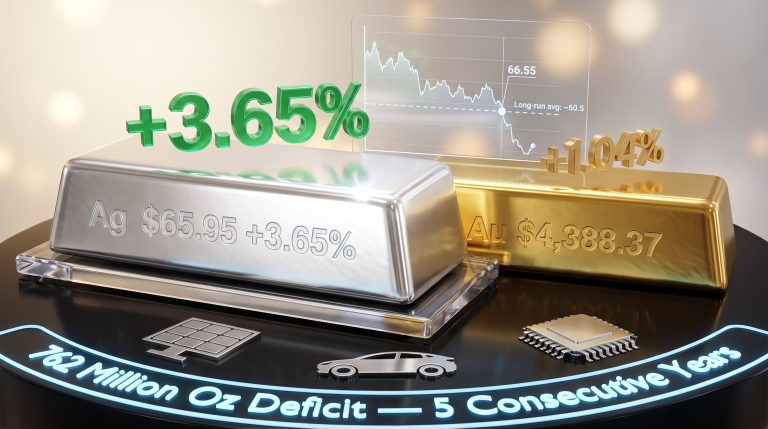
The relationship between economic stress and precious metals pricing reveals complex market mechanics that often confuse investors. Silver and gold market predictions become particularly challenging when financial markets experience severe disruption, as precious metals initially decline despite their reputation as safe-haven assets. This counterintuitive behavior stems from forced liquidation patterns rather than fundamental value shifts.
How Margin Calls Drive Initial Price Declines
During market stress events, investors holding diversified portfolios face margin calls requiring immediate capital. Rather than selling losing positions at steep losses, many choose to liquidate winning assets – frequently including precious metals holdings that have maintained relative strength. This creates artificial selling pressure unrelated to the metals' intrinsic value.
The COMEX futures market can amplify this volatility through rule modifications during crisis periods. These changes affect settlement terms and margin requirements, creating additional downward pressure on paper prices even as physical demand remains robust.
Recovery Acceleration Following Liquidity Crises
Historical patterns demonstrate that precious metals experience rapid price recovery once initial liquidation pressures subside. The recovery phase typically exceeds pre-crisis levels as investors recognise the underlying monetary conditions that drive long-term demand. During recent market corrections, physical precious metals became extremely difficult to obtain despite lower paper prices, highlighting the disconnect between futures markets and physical reality.
Furthermore, the historic gold surge experienced in previous cycles often follows these initial correction phases, providing substantial returns for strategic investors.
Geopolitical Events as Economic Distractions
Current market dynamics suggest geopolitical tensions may serve as distractions from underlying economic weaknesses. When conflicts escalate, precious metals prices often decline as attention shifts away from fundamental monetary issues. Conversely, when peace discussions emerge, gold and silver typically experience significant upward momentum as focus returns to structural economic problems.
This pattern indicates that war-related volatility masks deeper concerns about global debt levels, private credit markets, and central bank policy constraints. The approximately $2.7 trillion private credit market faces potential stress that remains largely undiscussed in mainstream financial analysis.
When big ASX news breaks, our subscribers know first
Supply-Demand Imbalances Creating Market Tension
Industrial demand for silver continues expanding across multiple technology sectors, creating structural supply deficits that support higher long-term pricing. The metal's unique properties make it irreplaceable in numerous applications, from renewable energy infrastructure to advanced electronics manufacturing.
Technology Sector Consumption Patterns
Silver serves as the second most versatile commodity globally, exceeded only by oil in terms of diverse applications. Modern society's dependence on silver spans:
• Solar panel manufacturing requiring high-conductivity materials
• Electric vehicle components utilising silver's thermal properties
• Artificial intelligence infrastructure demanding superior electrical conductivity
• Medical devices leveraging silver's antimicrobial characteristics
The expansion of renewable energy infrastructure particularly drives consumption, as solar panel production requires significant silver content per unit. In addition, the emerging silver market squeeze reflects these growing industrial demands competing with investment interest.
Global Import Surge Indicators
Recent trade data shows dramatic increases in precious metals imports among major economies. China has significantly increased silver imports, reportedly importing quantities multiple times higher than historical averages. This surge reflects both industrial demand and strategic accumulation by institutional buyers.
The concentration of physical silver ownership reveals striking statistics: holding approximately 400-500 ounces places an individual among the top 1% of physical silver holders globally. For instance, reaching the top 0.1% tier requires ownership of 1,000+ ounces, indicating how limited physical accumulation has become relative to global population.
Physical Versus Paper Market Disconnection
The relationship between paper precious metals markets and physical availability continues diverging during stress periods. While futures prices may decline due to trading dynamics, physical metals become increasingly scarce and expensive to obtain. This disconnection suggests paper markets may not accurately reflect true supply-demand fundamentals for physical metals.
Storage and delivery constraints in major trading centres compound this issue, as investors seeking to convert paper positions into physical holdings often encounter significant delays and premium costs. However, experts predict significant silver price gains over the coming years as these imbalances resolve.
Central Bank Gold Strategy Shifts
Central banks worldwide demonstrate increasingly divergent precious metals strategies, with net buying significantly exceeding selling across the global official sector. This institutional behaviour reflects concerns about currency stability and sovereign debt sustainability.
Institutional Buying Versus Selective Selling
While certain central banks engage in tactical gold sales, the overwhelming majority maintain accumulation strategies. According to World Gold Council data, far more central banks purchase gold than those reducing holdings. The institutions selling gold often face specific currency defence requirements rather than strategic diversification away from precious metals.
Turkey's currency defence operations exemplify this dynamic. As the Turkish Lira experiences depreciation pressure, the central bank deploys gold reserves to support the currency through market intervention. This represents intended usage of precious metals reserves rather than fundamental strategic shift away from gold holdings.
Russia's decade-plus accumulation demonstrates the opposite approach, with consistent gold purchases over the past 10-15 years building substantial official reserves. Consequently, this strategy reflects long-term monetary diversification and reduced dependence on foreign currency reserves.
Currency Defence Mechanisms
Central banks utilise gold reserves as emergency assets for currency stabilisation through multiple mechanisms:
• Direct market intervention selling gold to support domestic currency
• Collateral for emergency lending facilities with international institutions
• Signal of financial stability and reserve adequacy to international markets
• Hedge against domestic currency depreciation during crisis periods
The effectiveness of these mechanisms depends on reserve adequacy and market confidence in the central bank's policy framework.
Debt Sustainability Concerns
Mounting sovereign debt levels across developed economies create pressure for monetary policy accommodation. U.S. federal debt approaching $40 trillion represents a significant constraint on conventional monetary policy tools. European economies face similar challenges with elevated debt-to-GDP ratios limiting policy flexibility.
Central banks recognise these constraints and maintain readiness to implement accommodative policies despite current hawkish rhetoric. The inevitability of rate reductions to service elevated debt loads supports the fundamental case for precious metals as monetary hedges. Major financial institutions have begun acknowledging this reality, with JP Morgan forecasting substantial gold price increases in their latest analysis.
Regional Currency Pressures and Inflation Dynamics
Real-world inflation impacts demonstrate the purchasing power erosion affecting developed economies. Analysis of wage growth versus inflation reveals significant negative trends for consumer purchasing power across multiple regions.
Netherlands Inflation Case Study
Official statistics from the Netherlands provide concrete examples of purchasing power deterioration:
Wage Growth (6-year period): 12.5% cumulative increase
Official Inflation (same period): 25% cumulative increase
Net Purchasing Power Loss: Approximately 10%
This divergence between wage growth and price increases creates a structural decline in living standards, encouraging alternative store-of-value investments. Furthermore, the reintroduction of €100 banknotes into ATM systems reflects inflation's practical impact on daily commerce, as basic grocery shopping now requires larger denomination currency.
Currency Debasement Indicators
Multiple indicators suggest coordinated currency debasement across major economies:
• Elevated debt-to-GDP ratios constraining fiscal policy
• Central bank balance sheet expansion capabilities
• Political pressure for monetary accommodation
• Structural inflation pressures from supply chain costs
These factors create an environment where monetary authorities face limited options beyond continued accommodation, supporting the fundamental thesis for precious metals investment as purchasing power protection.
Investment Strategy Considerations
Precious metals allocation requires understanding both cyclical volatility patterns and structural monetary trends. The current environment presents opportunities for strategic accumulation while recognising potential short-term volatility.
Timing Market Corrections
Current precious metals prices may appear elevated relative to recent history, but long-term monetary trends suggest these levels could prove historically inexpensive. The perspective shift occurs when evaluating current prices against future purchasing power rather than past nominal levels.
During recession phases, precious metals typically experience initial declines followed by sustained recovery exceeding pre-correction levels. This pattern provides strategic entry opportunities for investors with appropriate time horizons and risk tolerance. Silver and gold market predictions suggest this cycle may be particularly pronounced given current monetary conditions.
Sophisticated investors often reference a comprehensive gold investment guide when positioning for these opportunities.
Physical Versus Paper Considerations
Physical precious metals ownership provides direct exposure without counterparty risk, but requires storage and security considerations. Paper alternatives through ETFs and futures offer liquidity advantages but introduce counterparty and tracking risks during market stress.
Physical Ownership Benefits:
• No counterparty risk during financial system stress
• Direct possession and control over assets
• Protection against paper market manipulation
• Long-term store of value characteristics
Physical Ownership Challenges:
• Storage security requirements and costs
• Insurance and custody considerations
• Liquidity constraints during rapid market movements
• Premium costs above spot prices
Portfolio Integration Strategies
Precious metals allocation should consider overall portfolio construction and risk management objectives. Conservative allocation ranges typically suggest 5-15% of total portfolio value, with adjustments based on individual risk tolerance and economic outlook.
Dollar-cost averaging approaches reduce timing risk while building positions over extended periods. This strategy proves particularly effective during volatile markets where precise timing becomes difficult. However, current gold market strategies may favour more tactical approaches given unprecedented market conditions.
Risk Assessment Framework
Investment in precious metals carries specific risks requiring careful evaluation alongside potential benefits. Understanding these risks enables more informed allocation decisions within broader portfolio construction.
Market Liquidity Considerations
Physical precious metals markets can experience liquidity constraints during high-demand periods. Recent market stress events demonstrate that physical availability may become limited even as paper prices decline, creating basis risk between different market segments.
Storage and delivery infrastructure capacity represents potential bottlenecks during periods of high conversion from paper to physical holdings. Investors should consider these operational constraints when sizing positions and planning exit strategies.
Interest Rate Policy Divergence
Rising real interest rates typically present headwinds for precious metals pricing, as opportunity costs increase relative to yield-bearing alternatives. However, current debt levels may constrain central banks' ability to maintain elevated rates over extended periods.
The relationship between nominal interest rates and precious metals proves more complex when considering inflation-adjusted returns and currency debasement trends. Real interest rate calculations become crucial for evaluating relative attractiveness across asset classes.
Supply Response Dynamics
Higher precious metals prices eventually stimulate increased mining production and recycling activity, creating natural supply response mechanisms. However, mine development timelines typically require several years, creating temporary supply-demand imbalances during price increases.
Technological substitution represents a longer-term risk for silver's industrial applications, though current alternatives remain inferior for most specialised uses requiring silver's unique properties.
The next major ASX story will hit our subscribers first
Future Market Structure Evolution
Precious metals markets continue evolving through technological innovation and regulatory changes affecting both physical and paper market segments. These structural shifts influence pricing mechanisms and investor access to different market segments.
Digital Integration Trends
Blockchain technology and digital custody solutions are creating new investment vehicles for precious metals exposure. These innovations potentially address some traditional challenges around storage, verification, and fractional ownership while maintaining precious metals' fundamental characteristics.
Central Bank Digital Currencies (CBDCs) development may influence precious metals demand as investors evaluate alternatives to traditional fiat currencies. The relationship between digital currencies and physical store-of-value assets remains evolving as these technologies mature.
What Regulatory Changes Are Coming?
International regulatory coordination affects precious metals markets through reporting requirements, taxation policies, and trading restrictions. Changes to these frameworks can influence both individual and institutional participation in precious metals markets.
Regulatory Factors Affecting Markets:
• Anti-money laundering requirements for large transactions
• Tax treatment of precious metals investments versus other assets
• Import/export restrictions affecting international trade
• Central bank reserve management regulations
Understanding these regulatory environments becomes crucial for both domestic and international precious metals investment strategies. Moreover, the evolving gold price forecast for 2025 must incorporate these regulatory dynamics alongside traditional economic factors.
Silver and gold market predictions continue pointing towards sustained price appreciation as fundamental supply-demand imbalances persist alongside accommodative monetary policies globally.
Risk Disclosure: Precious metals investments carry market risk and may experience significant price volatility. Past performance does not guarantee future results. Investors should carefully consider their financial objectives and risk tolerance before making investment decisions. This analysis is for educational purposes and should not be considered personalised investment advice.
Looking to Capitalise on Precious Metals Discoveries?
Discovery Alert's proprietary Discovery IQ model delivers real-time alerts on significant precious metals discoveries across the ASX, transforming complex mineral data into actionable investment insights for both short-term traders and long-term investors. Explore why major mineral discoveries can lead to substantial returns and begin your 14-day free trial today to position yourself ahead of market movements.