May 19, 2026
Revenue Diversification Through Advanced Processing Technologies
Modern lithium extraction operations face increasing pressure to maximize resource utilisation while maintaining environmental compliance. The mining industry has traditionally viewed processing residuals as waste products requiring costly management, but technological advances now enable companies to transform these materials into revenue-generating assets. This shift represents a fundamental change in operational philosophy, where every component of extracted ore becomes a potential income stream.
Battery manufacturers increasingly demand specialised lithium products with precise specifications, creating market opportunities for producers who can deliver consistent quality across multiple product grades. Furthermore, the emergence of fine materials markets demonstrates how processing innovation directly translates to financial performance, particularly when companies invest in advanced separation and purification technologies.
Understanding Ultra-Fine Lithium Recovery Economics
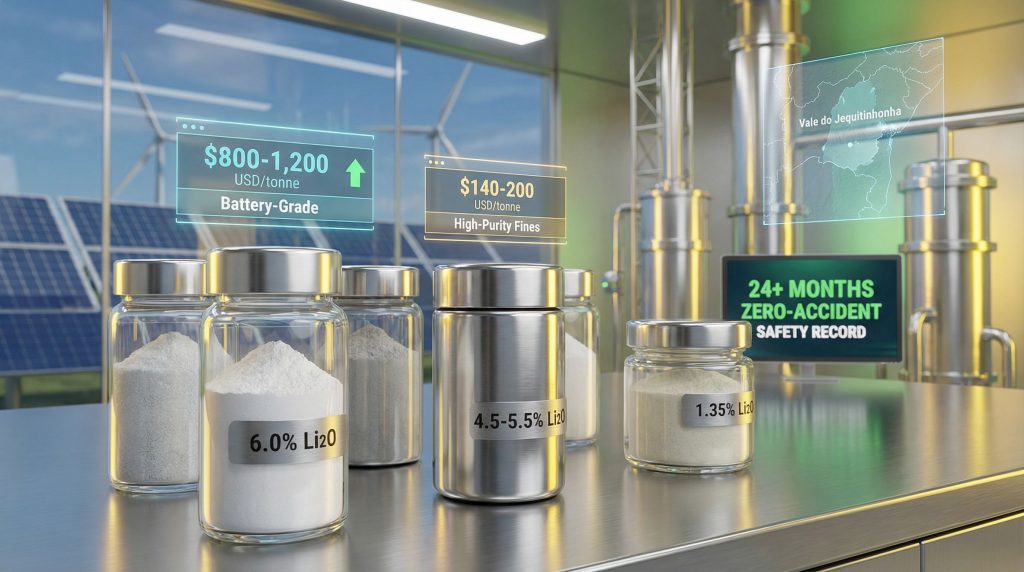
Processing residuals containing even modest lithium concentrations can generate substantial revenue when recovered through specialised techniques. Materials with lithium oxide content ranging from 1.0% to 1.35% command market prices between $140-200 per tonne, creating meaningful income streams from what were previously considered waste products.
The Shanghai Metal Market serves as the primary pricing reference for these materials, with real-time quotations reflecting supply-demand dynamics across global markets. Recent transactions demonstrate the viability of fine materials sales, with 100,000-tonne shipments generating approximately $14 million in gross revenue at current market rates.
Key Revenue Components:
- Primary concentrate sales for battery-grade lithium refinery applications
- Secondary fine materials recovery from processing residuals
- Technical-grade products for industrial applications
- Specialised high-purity materials for premium markets
Processing Efficiency Metrics and Market Applications
| Product Category | Price Range (USD/tonne) | Purity Level | Primary Application |
|---|---|---|---|
| Battery-grade concentrate | $800-1,200 | 6.0% Li2O | EV battery cathodes |
| High-purity fines | $140-200 | 1.0-1.35% Li2O | Secondary processing |
| Technical-grade material | $600-900 | 4.5-5.5% Li2O | Industrial applications |
| Premium concentrate | $1,000-1,400 | >6.5% Li2O | Specialised battery systems |
Recovery rates from tailings and fine materials vary significantly based on processing methodology and equipment configuration. However, companies utilising dry stacking technology typically achieve higher recovery percentages compared to conventional wet processing systems, as materials remain more accessible for subsequent extraction processes.
When big ASX news breaks, our subscribers know first
Environmental Technology Infrastructure and Operational Advantages
Dry stacking technology represents a paradigm shift in tailings management, eliminating traditional pond-based storage systems while enabling continuous material recovery. Consequently, this approach requires substantial capital investment but delivers long-term operational benefits through reduced environmental liability and enhanced resource utilisation.
Water management systems incorporating 100% recirculation eliminate external freshwater requirements while maintaining processing efficiency. These closed-loop configurations reduce operational costs and regulatory compliance burdens, particularly in water-scarce regions where mining operations compete with agricultural and municipal users.
Advanced Processing Infrastructure Components
Greentech Facility Design Elements:
- Zero-discharge water management systems
- Solar and wind power integration for renewable energy
- Chemical-free extraction processes eliminating flotation reagents
- Automated material handling reducing labour costs and safety risks
The elimination of toxic chemical processing aids distinguishes advanced facilities from conventional operations, reducing environmental monitoring requirements and waste disposal costs. In addition, this approach requires more sophisticated physical separation techniques but delivers cleaner final products meeting stringent battery manufacturer specifications.
Safety Performance Metrics:
- 24+ months without lost-time workplace incidents
- 19,000 direct and indirect positions maintained during operations
- Continuous production capability during regulatory reviews
- Enhanced worker protection through automation implementation
Renewable Energy Integration and Cost Management
Modern lithium processing facilities increasingly incorporate renewable energy sources to reduce operational costs and improve sustainability credentials. Solar installations combined with wind power can provide 100% renewable electricity for processing operations, significantly reducing long-term energy expenses.
Energy-intensive processes like crushing, grinding, and separation benefit substantially from renewable power integration, as these operations typically consume 40-60% of total facility electricity. For instance, companies achieving energy independence through renewable sources gain competitive advantages through predictable power costs and reduced grid dependency.
Regulatory Compliance and Administrative Oversight
Brazilian mining operations operate within comprehensive regulatory frameworks requiring continuous compliance monitoring and periodic government inspections. The Ministry of Labour and Employment conducts routine workplace safety reviews, focusing on tailings management protocols and worker protection systems.
Administrative investigations typically examine procedural compliance rather than operational authorisation, allowing continued production during review periods. Recent regulatory activity demonstrates this distinction, as safety record verification proceeds alongside ongoing mining operations.
Investigation Scope and Operational Continuity
Regulatory Review Process:
- Workplace health and safety procedure verification
- Tailings deposit safety protocol assessment
- Employee protection system evaluation
- Environmental compliance documentation review
Companies maintaining strong safety records face reduced regulatory scrutiny and faster resolution timelines. Furthermore, documentation of 24+ months without workplace accidents provides substantial evidence of effective safety management systems during regulatory reviews.
Regulatory Insight: Administrative investigations focus on systematic compliance verification rather than operational shutdowns, enabling continued production during review periods for companies with demonstrated safety performance.
Legal response mechanisms allow companies to address media inaccuracies through judicial notifications, protecting operational reputation during regulatory processes. This approach demonstrates proactive communication strategies that maintain stakeholder confidence throughout administrative reviews.
Market Positioning and Pricing Strategies
Shanghai Metal Market pricing mechanisms provide transparent benchmarks for lithium transactions, enabling sellers to adjust prices based on real-time supply-demand conditions. Index-based pricing eliminates negotiation complexities while ensuring market-responsive revenue optimisation.
Grade differential calculations reward producers delivering consistent quality specifications, with purity premiums reaching $55 per tonne between 1.0% and 1.35% lithium oxide content materials. This pricing structure incentivises investment in advanced purification technologies capable of achieving higher concentrations.
Competitive Advantages in Global Markets
Market Differentiation Factors:
- ESG compliance certification for institutional buyers
- Geographic proximity to major shipping terminals
- Proprietary processing technologies ensuring quality consistency
- Renewable energy operations supporting sustainability claims
Supply chain reliability becomes increasingly critical as battery manufacturers seek dependable raw material sources. Consequently, companies operating in politically stable regions with established transportation infrastructure command premium pricing through reduced supply disruption risks.
Currency Risk Management:
- USD-denominated contracts reducing exchange rate exposure
- Flexible payment terms accommodating buyer preferences
- Spot market pricing versus long-term agreement strategies
- Financial hedging instruments protecting revenue streams
Quality Consistency and Customer Relationships
Standardised product specifications across shipments enable long-term customer relationships with major battery manufacturers. Consistency in lithium oxide content, particle size distribution, and impurity levels reduces buyer quality assurance costs while commanding premium pricing.
Technical certifications from recognised testing laboratories provide independent verification of product quality, supporting premium pricing strategies and facilitating entry into high-specification markets serving aerospace and medical device applications.
Processing Innovation and Technical Advancement
Green technology implementation extends beyond environmental compliance to encompass operational efficiency improvements and cost reduction strategies. Companies investing in advanced processing systems typically achieve higher recovery rates while reducing per-tonne operating expenses.
Dry processing methods eliminate water-intensive flotation circuits, reducing chemical consumption and waste disposal requirements. However, these systems require sophisticated physical separation techniques but deliver cleaner products meeting increasingly stringent battery manufacturer specifications.
Equipment Automation and Safety Enhancement
Operational Technology Integration:
- Automated material handling systems reducing manual labour exposure
- Real-time process monitoring enabling rapid adjustment capability
- Predictive maintenance systems minimising equipment downtime
- Remote operation capabilities improving worker safety
Processing optimisation through automation delivers measurable improvements in product consistency while reducing operational costs. Advanced control systems enable precise adjustment of separation parameters, maximising lithium recovery while minimising waste generation.
| Operational Phase | Annual Capacity (tonnes Li2O) | Timeline | Investment Priority |
|---|---|---|---|
| Current Operations | 270,000 | Active | Process optimisation |
| Phase 2 Expansion | 520,000 | 2025-2026 | Capacity doubling |
| Future Development | 750,000+ | 2027+ | Market expansion |
Waste Minimisation and Resource Recovery
Converting processing residuals into saleable products requires sophisticated separation technologies capable of extracting lithium from low-grade materials. Companies achieving near-zero waste generation gain competitive advantages through reduced disposal costs and additional revenue streams.
Resource Recovery Strategies:
- Fine materials processing for secondary lithium extraction
- Tailings reprocessing using advanced separation techniques
- Byproduct recovery for alternative industrial applications
- Continuous process improvement maximising extraction efficiency
Regional Development and Community Integration
Vale do Jequitinhonha regional development benefits significantly from large-scale lithium operations, with employment generation extending far beyond direct mining activities. Maintenance of 19,000 direct and indirect positions demonstrates the substantial economic impact these projects deliver to local communities.
Infrastructure development accompanying mining operations improves transportation networks, communication systems, and utility services benefiting entire regions. These improvements attract additional investment while reducing operational costs for existing businesses.
Local Economic Integration Strategies
Community Development Programmes:
- Technical training for regional workforce development
- Local supplier development reducing transportation costs
- Social investment programmes supporting education and healthcare
- Environmental stewardship initiatives protecting regional resources
Partnership development with government agencies and community organisations creates stable operating environments while generating broader economic benefits. These relationships prove crucial during regulatory reviews and expansion planning processes.
Logistical Advantages:
- Vitória port access enabling efficient product shipment
- Established transportation networks reducing shipping costs
- Regional supplier networks providing operational support
- Skilled labour availability supporting expansion activities
The next major ASX story will hit our subscribers first
Investment Implications and Financial Performance
Sigma Lithium high-purity lithium sale transactions demonstrate how processing innovation creates multiple revenue streams from single mining operations. Revenue diversification through fine materials sales provides financial stability during commodity price fluctuations while generating additional cash flow for expansion activities.
Capital allocation priorities focus on equipment optimisation and market diversification rather than purely capacity expansion. This approach maximises return on investment while building competitive advantages through technological leadership.
Growth Financing and Margin Optimisation
Financial Performance Drivers:
- High-purity product premium capture through advanced processing
- Operational efficiency improvements reducing per-unit costs
- Market diversification minimising commodity price exposure
- Technology licensing opportunities generating additional revenue
Cost management through automation and renewable energy integration provides sustainable competitive advantages as labour and energy costs continue rising globally. For instance, companies achieving operational excellence command premium valuations through demonstrated execution capability.
Investment Timeline Considerations:
- Q1 2026: Equipment remobilisation completion
- 2025-2026: Phase 2 capacity expansion implementation
- 2027+: Advanced technology integration and market expansion
- Ongoing: Environmental system enhancements and regulatory compliance
Operational resilience demonstrated during regulatory reviews indicates strong management execution capabilities, supporting investor confidence in long-term growth strategies. Companies maintaining production continuity while addressing administrative requirements show superior operational management.
Technical Excellence Through Sustainable Innovation
The integration of advanced processing technologies with environmental stewardship creates sustainable competitive advantages in global lithium markets. Sigma Lithium high-purity lithium sale activities showcase how technical innovation enables resource optimisation while meeting increasingly stringent environmental requirements.
Dry stacking implementation, renewable energy integration, and waste monetisation strategies position technically advanced producers as industry leaders capable of meeting future regulatory requirements while maintaining operational efficiency. Furthermore, these capabilities become increasingly valuable as environmental standards continue evolving globally through lithium industry innovations.
Modern lithium operations benefit from advances in mine reclamation innovation and geothermal lithium extraction technologies, which complement traditional processing methods. However, the most significant developments emerge through sustainable mining transformation initiatives that integrate multiple technological approaches.
For investors and industry participants, this operational model demonstrates how technological leadership translates directly to financial performance through premium pricing, operational efficiency, and reduced regulatory risk. Consequently, the combination of processing innovation and environmental compliance creates multiple value creation mechanisms supporting long-term growth strategies.
Recent developments in the sector highlight the importance of these innovations, as demonstrated by Sigma Lithium's significant sale of high-purity lithium and the company's strategic response to media reports through comprehensive operational updates.
This analysis is based on publicly available information and industry research. Investment decisions should consider multiple factors including market conditions, regulatory changes, and individual risk tolerance. Projections and forecasts involve inherent uncertainty and should not be considered guaranteed outcomes.
Ready to Invest in the Next Major Lithium Discovery?
As the lithium processing sector evolves through advanced technologies and sustainable practices, Discovery Alert's proprietary Discovery IQ model delivers real-time alerts on significant ASX mineral discoveries, transforming complex geological data into actionable investment insights. Explore Discovery Alert's discoveries page to understand how historic mineral discoveries have generated substantial market returns, then begin your 30-day free trial today to position yourself ahead of emerging opportunities.