August 2, 2026

Strategic Energy Corridors Face Unprecedented Volatility
Global energy markets have entered a phase of extraordinary uncertainty as supply chain vulnerabilities intersect with diplomatic negotiations between US and Iran that could reshape international commerce for decades. The intricate web connecting Middle Eastern energy production, maritime chokepoints, and worldwide economic stability demonstrates how geopolitical tensions can trigger cascading effects across seemingly unrelated sectors. Understanding these dynamics requires examining not just immediate price movements, but the underlying structural forces that determine long-term market behavior.
Recent developments in precious metals markets illustrate the complexity of these interconnected systems. Furthermore, the gold market surge has experienced significant volatility, with spot gold falling 2.2% to $4,712.04 per onza in April 2026, while futures declined 2.3% to $4,719.60 per onza. This dramatic movement occurred amid conflicting signals about potential diplomatic breakthroughs, demonstrating how uncertainty itself becomes a market driver regardless of ultimate outcomes.
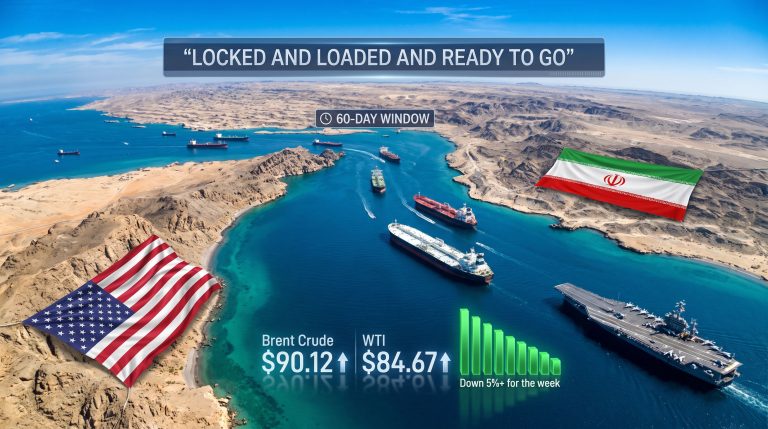
The Strait of Hormuz remains central to global energy security calculations, with approximately 20% of worldwide petroleum liquids transit depending on this narrow waterway. Any disruption to this critical passage creates immediate ripple effects across energy pricing, currency markets, and inflation expectations worldwide.
When big ASX news breaks, our subscribers know first
Current Stakes in US-Iran Negotiations
Economic leverage mechanisms in ongoing negotiations between US and Iran extend far beyond bilateral trade relationships. The Strait of Hormuz represents a strategic chokepoint where approximately 21% of global petroleum liquids and other energy products pass through daily. This concentration of critical infrastructure creates asymmetric negotiating power that influences diplomatic positioning and economic outcomes across multiple continents.
Timeline pressure points have become increasingly significant as markets react to extended deadlines and shifting diplomatic momentum. The conflict that began in late February 2026 has already lasted nearly two months, creating sustained inflationary pressures that central banks worldwide must navigate carefully. Each week of continued tensions adds complexity to monetary policy decisions and supply chain planning across industries.
Key Negotiation Framework Elements:
• Direct diplomatic channels through established embassy connections
• Indirect negotiations facilitated by third-party mediators
• Maritime security protocols for energy transit routes
• Economic sanctions modification timelines
• Regional security cooperation agreements
The effectiveness of different diplomatic approaches varies significantly based on historical precedent and current geopolitical alignment. However, the broader context includes concerns about the US‑China trade war impact on global trade dynamics. Reuters reporting indicates that markets are closely monitoring the possibility of peace conversations, while renewed tensions following weekend events continue to create uncertainty about negotiation sustainability.
Market observers note that the tone of political signals changes frequently, creating what analysts describe as a dubious environment for aggressive positioning in traditional safe-haven assets. This uncertainty extends beyond immediate energy concerns to broader questions about global trade stability and currency relationships, particularly regarding tariffs and investments across multiple sectors.
Energy Market Reactions to Middle East Diplomacy
Supply chain vulnerability mapping reveals critical dependencies that extend well beyond obvious oil and gas transportation routes. The interruption of transit through the Strait of Hormuz has elevated crude prices while simultaneously reducing expectations for interest rate cuts by major central banks. This dual pressure creates a challenging environment for economic growth forecasting and monetary policy coordination.
Price volatility patterns show distinct correlation structures between geopolitical events and commodity movements. Historical analysis demonstrates that energy markets typically experience initial shock responses followed by adaptation phases as alternative supply routes and strategic reserves come into play. However, the current situation involves multiple simultaneous pressure points that complicate traditional response mechanisms.
Strategic Reserve Implications Include:
• Government stockpile release timing decisions
• Corporate inventory management strategy adjustments
• International coordination mechanisms for emergency supplies
• Alternative sourcing relationship development priorities
• Long-term storage capacity expansion requirements
Major economies prepare for potential supply disruptions through diverse approaches ranging from bilateral supply agreements to technological innovation in energy efficiency. In addition, the OPEC oil production impact on global pricing remains a significant factor. The complexity of modern energy systems means that disruptions in one region can trigger unexpected bottlenecks in seemingly unrelated geographical areas.
Market Psychology During Diplomatic Uncertainty
Risk sentiment shifts follow predictable patterns during negotiation cycles, though the amplitude and duration of these movements can vary dramatically based on perceived negotiation credibility and external factors. The current environment demonstrates how conflicting information sources can create sustained volatility rather than clear directional trends.
Safe haven asset rotation patterns reveal interesting dynamics between traditional defensive positions. Gold showed recovery signals earlier in April, with spot prices rising 1.5% to $4,861.32 per onza on April 17th, supported by dollar weakness and Iranian officials' comments about maintaining Strait of Hormuz transit during truces. However, subsequent mixed diplomatic signals reversed these gains rapidly.
Currency movements during geopolitical uncertainty follow established hierarchies of perceived stability and liquidity. The US dollar typically benefits from flight-to-quality dynamics, while commodity currencies experience divergent pressures based on their specific export profiles and regional exposure to conflict zones.
Sector-specific performance patterns show energy and defense companies generally outperforming during tension periods, while growth-sensitive sectors face headwinds from inflation concerns and monetary policy uncertainty. Precious metals mining companies experience complex dynamics as rising commodity prices compete with operational cost increases and currency fluctuations.
Economic Scenarios from Current Negotiations
Scenario 1: Successful Diplomatic Resolution
Energy price normalisation timelines following successful diplomatic resolution typically span several months as markets adjust to restored supply certainty. Historical precedent suggests crude oil prices could decline 15-25% from peak crisis levels, though this adjustment occurs gradually as strategic reserves rebuild and alternative supply arrangements unwind.
Regional trade flow restoration provides significant economic benefits beyond immediate energy cost reductions. The reopening of normal Strait of Hormuz operations would reduce shipping costs, insurance premiums, and inventory carrying costs across multiple industries. These second-order effects often exceed the direct energy savings in terms of overall economic impact.
Investment flow redirection from defensive positioning toward growth-oriented allocations creates opportunities across equity markets, particularly in sectors that have been constrained by energy cost uncertainty. Technology companies, consumer discretionary businesses, and emerging market investments typically benefit from reduced geopolitical risk premiums.
Expected Market Adjustments:
| Asset Class | Projected Change | Timeline | Key Drivers |
|---|---|---|---|
| Crude Oil | -15% to -25% | 3-6 months | Supply normalisation |
| Gold | -10% to -15% | 2-4 months | Risk-off unwinding |
| US Dollar | -5% to -8% | 1-3 months | Safe haven demand reduction |
| Energy Stocks | -20% to -30% | 1-2 months | Crisis premium removal |
Scenario 2: Prolonged Stalemate
Sustained elevated energy costs create persistent inflationary pressures that complicate monetary policy decisions across developed economies. Central banks face difficult trade-offs between supporting growth through lower interest rates and containing inflation through tighter monetary conditions. This tension typically results in volatile policy signals and uncertain market responses.
Alternative supply route development gains economic urgency during extended crises, driving infrastructure investment in pipeline capacity, shipping alternatives, and renewable energy acceleration. While these investments provide long-term benefits, they require significant capital allocation that may constrain other economic priorities.
Economic adaptation costs accumulate over time as businesses implement permanent changes to supply chain structures, inventory management, and operational procedures. These adaptations often persist even after crisis resolution, creating lasting changes to global trade patterns and cost structures.
Scenario 3: Escalation and Conflict Expansion
Global recession probability increases significantly if regional conflicts expand beyond current boundaries or if additional supply chokepoints become affected. Economic modelling suggests that simultaneous disruption of multiple energy transit routes could trigger worldwide recession within 6-12 months, particularly if combined with existing structural economic vulnerabilities.
Strategic commodity stockpiling becomes a critical national security consideration as governments and corporations reassess supply security versus cost efficiency trade-offs. This shift toward resilience over optimisation represents a fundamental change in global economic organisation that could persist for decades.
Supply chain restructuring requires massive capital investment and operational reorganisation across industries. The costs of building redundant supply networks, developing alternative sourcing relationships, and maintaining higher inventory levels represent a permanent drag on global economic efficiency.
Currency Market Responses to Geopolitical Negotiations
Dollar Strength Dynamics
Flight-to-quality mechanisms during international crises consistently favour US dollar-denominated assets due to deep liquidity markets and perceived institutional stability. However, the strength of this effect depends on whether the United States is directly involved in the crisis or serves as a neutral safe haven destination.
Federal Reserve policy constraints become more complex during geopolitical tensions as traditional inflation targeting must balance against financial stability concerns and international coordination requirements. The presence of elevated energy costs complicates the interpretation of inflation data and appropriate policy responses.
Emerging market currency vulnerability increases during dollar strength cycles, particularly for countries with significant energy import dependencies or high levels of dollar-denominated debt. These secondary effects often amplify the initial geopolitical shock through financial contagion mechanisms.
Commodity Currency Implications
Energy exporter currencies experience divergent pressures during Middle East crises as higher energy prices compete with global economic growth concerns and risk aversion. The Canadian dollar, Norwegian krone, and other resource-linked currencies must balance commodity windfalls against broader economic uncertainty.
Trade balance adjustments occur rapidly as energy price changes alter import/export relationships across countries. Nations with significant energy import bills face immediate current account pressures, while exporters benefit from improved terms of trade but may face demand reduction concerns.
Resource-dependent economies including Australia, Brazil, and South Africa experience complex currency dynamics as energy costs affect their domestic industries while simultaneously influencing global demand for their export commodities. These cross-currents create challenging forecasting environments for both policymakers and investors.
Financial Institution Roles in Sanctions and Negotiations
Banking Sector Compliance Challenges
SWIFT system alternatives have gained strategic importance as financial institutions prepare for potential payment network disruptions. The development of parallel payment systems creates operational complexity and compliance challenges that require significant technological and regulatory adaptation.
Due diligence intensification for Middle East-related transactions has become standard practice, requiring enhanced screening procedures, additional documentation requirements, and extended processing times. These measures increase operational costs while reducing transaction speed and efficiency.
Credit risk assessment evolution incorporates geopolitical exposure analysis as a standard component of lending decisions. Financial institutions now evaluate not just borrower creditworthiness but also geographical, political, and supply chain risks that could affect repayment capacity during crisis periods.
Investment Strategy Adaptations
Portfolio diversification requirements have evolved beyond traditional geographical and sector allocation models to include explicit geopolitical risk management components. This shift requires new analytical frameworks and risk measurement tools that many institutional investors are still developing.
ESG considerations during diplomatic crises create additional complexity as sustainable investing principles intersect with national security and economic stability concerns. Investment managers must balance ethical considerations with fiduciary responsibilities in challenging geopolitical environments.
Hedge fund positioning strategies during uncertainty periods often focus on volatility trading, currency arbitrage, and relative value opportunities rather than directional bets on specific outcomes. This approach reflects the difficulty of predicting diplomatic resolution timing and the potential for multiple false signals during negotiation processes.
The next major ASX story will hit our subscribers first
Supply Chain Management During Diplomatic Volatility
Strategic Inventory Management
Buffer stock optimisation calculations must balance increased carrying costs against supply security benefits during geopolitical uncertainty. Companies across industries are reassessing just-in-time delivery models in favour of strategic stockpiling for critical components and materials.
Supplier diversification imperatives extend beyond cost considerations to include geographical, political, and operational risk factors. Furthermore, developments like Saudi exploration licenses highlight the importance of comprehensive supply security approaches that often require accepting higher baseline costs in exchange for improved resilience during crisis periods.
Transportation route flexibility planning involves developing multi-modal logistics capabilities that can adapt to various disruption scenarios. Companies investing in these capabilities often discover operational advantages that persist beyond the initial crisis period.
Technology Sector Implications
Rare earth element sourcing faces particular challenges during Middle East tensions as alternative supply chains often involve lengthy qualification processes and significant capital investment. The technology sector's dependence on these materials creates vulnerability to supply disruptions even when the materials themselves originate outside conflict zones.
Semiconductor manufacturing continuity requires careful attention to both direct input availability and indirect factors such as energy costs, shipping routes, and financial system stability. The complexity of semiconductor supply chains means that disruptions in seemingly unrelated geographical areas can create unexpected bottlenecks.
Data centre energy planning has become a strategic priority as energy cost volatility affects operational expenses and long-term facility location decisions. The growth of cloud computing and artificial intelligence applications makes energy security a critical consideration for technology infrastructure development.
Long-Term Economic Restructuring Implications
Energy Transition Acceleration
Crisis-driven clean energy adoption often accelerates during periods of fossil fuel supply uncertainty as governments and corporations prioritise energy independence alongside environmental considerations. However, the capital requirements for rapid energy transition can strain economic resources during already challenging periods.
Grid resilience enhancement receives increased investment priority as energy security becomes a national security consideration. These infrastructure improvements provide long-term economic benefits but require significant upfront capital allocation that may compete with other investment priorities.
Electric vehicle adoption rates typically increase during fuel price volatility periods as consumers seek protection from future energy cost uncertainty. This demand acceleration can create supply chain pressures in battery materials and manufacturing capacity.
Global Trade Pattern Evolution
Regional economic bloc strengthening emerges as countries seek to reduce dependence on potentially unstable trade relationships. These realignments often persist beyond the initial crisis period, creating lasting changes to global commerce patterns and competitive relationships.
Nearshoring and friendshoring trends accelerate as supply chain security considerations outweigh pure cost optimisation in corporate decision-making. This shift represents a fundamental change in global manufacturing organisation that could affect economic efficiency for decades.
Digital trade infrastructure development gains priority as physical goods movement faces increasing complexity and risk. The growth of digital services and remote work capabilities provides some insulation from physical supply chain disruptions.
Investment Positioning for Multiple Diplomatic Outcomes
Tactical Asset Allocation
Correlation analysis during crisis periods reveals how traditional diversification assumptions break down under stress. Assets that normally provide portfolio balance may move together during geopolitical uncertainty, requiring dynamic allocation adjustments and alternative risk management approaches.
Options strategies for volatility management become particularly valuable during diplomatic uncertainty as traditional forecasting models lose reliability. Protective strategies that profit from uncertainty itself, regardless of direction, often outperform conventional directional positioning.
Sector rotation timing requires careful attention to both immediate crisis developments and longer-term structural changes. The most successful investors often position for post-crisis opportunities while maintaining protection against extended uncertainty periods.
Strategic Portfolio Considerations
Inflation-protected securities gain importance as energy cost volatility creates unpredictable inflation patterns that traditional fixed-income investments cannot address effectively. Treasury Inflation-Protected Securities (TIPS) and international inflation hedges provide portfolio protection during extended uncertainty periods.
Real asset exposure through infrastructure, commodities, and real estate offers portfolio diversification benefits during currency volatility and inflation uncertainty. However, the performance of these assets can vary significantly based on specific geopolitical developments and their regional exposure.
Currency hedging decisions become more complex as traditional relationships between currencies and underlying economic fundamentals may shift during crisis periods. Dynamic hedging strategies that adjust to changing volatility and correlation patterns often prove more effective than static approaches.
What Historical Precedents Tell Us About Current Negotiations?
The lessons from historical diplomatic crises suggest that successful navigation requires scenario-based planning, diversified positioning, and constant reassessment as situations evolve. The Cuban Missile Crisis demonstrated how markets can recover rapidly once resolution becomes clear, while the Iranian hostage crisis showed how extended uncertainty can create lasting economic impacts that persist beyond diplomatic resolution.
Consequently, regarding negotiations between US and Iran, recent diplomatic efforts have highlighted the complexity of achieving sustainable agreements while managing market expectations. The historical pattern suggests that markets often experience multiple false starts before achieving actual diplomatic breakthrough.
Market Outlook and Risk Assessment
Current market positioning reflects this historical understanding, with investors maintaining defensive positions while preparing for multiple potential outcomes. The key insight from previous crises is that the timing and nature of resolution often matter more than the specific diplomatic details, suggesting that flexibility and adaptability remain the most valuable investment characteristics during uncertain periods.
For instance, the current diplomatic environment surrounding negotiations between US and Iran demonstrates how markets must simultaneously prepare for breakthrough scenarios while maintaining protection against escalation risks. This dual positioning creates unique opportunities for sophisticated investors who can navigate uncertainty effectively.
Finally, the ongoing negotiations between US and Iran will likely continue to influence global markets across multiple dimensions. Energy security, currency relationships, trade patterns, and investment flows all remain subject to diplomatic developments that could shift rapidly and dramatically.
This analysis is based on publicly available information and market data. Investors should conduct their own research and consider their specific risk tolerance and investment objectives. Geopolitical developments can change rapidly, and past performance does not guarantee future results.
Ready to Capitalise on Market-Moving Discoveries?
Discovery Alert's proprietary Discovery IQ model delivers instant notifications on significant ASX mineral discoveries, empowering investors to identify actionable opportunities ahead of market volatility caused by geopolitical events. Begin your 14-day free trial today and gain the market-leading advantage you need to navigate uncertain times with confidence.