
August 5, 2026
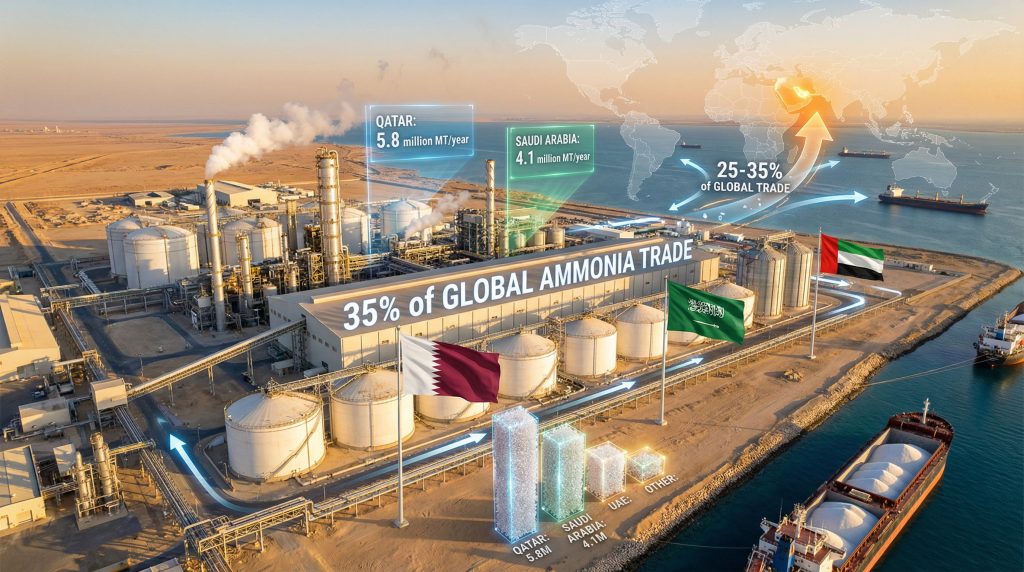
Supply Chain Vulnerabilities in Global Agricultural Systems
Modern fertilizer production operates within a framework of concentrated supply chains where energy commodity price fluctuations create immediate ripple effects throughout agricultural markets. The fertilizer market middle east conflict impact has become increasingly significant as regional tensions affect global supply chains and pricing mechanisms. Natural gas serves as the primary feedstock for ammonia production, representing approximately 70-80% of total manufacturing costs, while petroleum-derived products fuel transportation networks that connect production hubs to farming regions worldwide.
The agricultural sector's dependence on imported fertilizers has intensified over decades as farming operations pursued efficiency gains through specialised input sourcing. This optimisation strategy, while economically beneficial during stable periods, creates systemic exposure to regional disruptions that can cascade rapidly through global food systems.
Regional production hubs in the Middle East have emerged as critical nodes in global fertilizer supply chains, controlling substantial market shares across multiple product categories. These facilities leverage abundant natural gas reserves and strategic port locations to serve international markets, creating interdependencies that extend far beyond immediate geographic boundaries.
When big ASX news breaks, our subscribers know first
Energy-Commodity Price Transmission Mechanisms
Natural gas price volatility translates directly into fertilizer production costs through well-established industrial processes. Moreover, natural gas trends demonstrate how ammonia synthesis requires significant energy inputs, with every unit increase in gas prices creating proportional cost pressures that manufacturers typically pass through to end users within quarterly pricing cycles.
Energy Cost Impact Analysis:
- Immediate production adjustments: Facilities reduce utilisation rates when margins compress
- Futures market responses: Contract prices adjust within days of energy commodity movements
- Physical delivery impacts: Spot market premiums emerge for immediate availability
- Seasonal amplification: Energy price spikes during peak agricultural demand periods create compounded effects
The interconnected nature of energy and fertilizer markets means that regional conflicts affecting oil and gas infrastructure can trigger global agricultural input cost inflation even when physical supply chains remain nominally intact. Furthermore, oil price movements show how market participants respond to perceived risks by building inventory buffers and adjusting contract terms, creating additional price pressure.
Transportation networks connecting production facilities to agricultural markets represent another critical vulnerability point. Shipping routes through strategic waterways handle substantial portions of global fertilizer trade, with alternative routing options often requiring significantly longer transit times and higher costs.
Regional Production Capacity and Market Concentration
Middle Eastern production facilities have established dominant positions in global ammonia and urea markets through strategic investments in natural gas-based manufacturing capacity. These operations leverage proximity to feedstock sources and deep-water port infrastructure to serve international markets efficiently.
Key Production Metrics by Fertilizer Type:
| Product Category | Regional Capacity Share | Alternative Sources | Supply Flexibility |
|---|---|---|---|
| Ammonia | 35-40% | North America, Europe | Limited short-term |
| Urea | 25-30% | China, India, Russia | Moderate |
| Phosphates | 15-20% | Morocco, China, USA | High diversity |
| Potash | 10-15% | Canada, Belarus, Russia | Regional concentration |
Production capacity utilisation rates across global facilities typically operate at 85-95% during normal market conditions, leaving limited spare capacity available for rapid supply adjustments. This high utilisation reflects economic optimisation but creates vulnerability when specific regional capacities become unavailable.
Alternative production regions possess varying capabilities to compensate for Middle Eastern supply disruptions. North American and European facilities can increase utilisation rates and defer maintenance schedules to boost short-term output, while longer-term capacity expansion requires substantial capital investment and regulatory approval timeframes.
Transportation Chokepoint Analysis:
Critical shipping routes concentrate fertilizer trade flows through specific geographic corridors:
- Strait of Hormuz: Handles 25-35% of global urea and ammonia shipments
- Red Sea shipping lanes: Alternative routing adds 15-20 days to delivery schedules
- Mediterranean ports: Limited capacity for large-scale cargo redirection
- Atlantic shipping routes: Higher freight costs reduce economic competitiveness
Agricultural Demand Response Patterns
Different crop systems exhibit varying levels of fertilizer input sensitivity, creating diverse response patterns when supply constraints emerge. Nitrogen-intensive crops like corn and wheat face immediate production decision pressures, while leguminous crops with biological nitrogen fixation capabilities offer greater input flexibility.
Crop-Specific Fertilizer Requirements:
| Crop Type | Nitrogen Input (kg/hectare) | Price Sensitivity Level | Geographic Concentration |
|---|---|---|---|
| Corn/Maize | 150-250 | Very High | Americas, Europe |
| Winter Wheat | 100-180 | High | Global distribution |
| Rice Systems | 120-200 | Medium-High | Asia, parts of Americas |
| Soybeans | 20-40 | Low | Americas primarily |
| Oil Palm | 80-120 | Medium | Southeast Asia, Africa |
Farmer decision-making processes during fertilizer price volatility typically follow predictable patterns based on crop economics and available alternatives. High-value crops maintain fertilizer applications longer than commodity grains when input costs increase, while livestock producers adjust feed ration formulations to optimise nutrition per unit cost.
Regional agricultural systems demonstrate different adaptation capabilities based on infrastructure, financial resources, and alternative input availability. Developed agricultural economies possess greater flexibility to substitute products or adjust application timing, while resource-constrained regions often reduce application rates with corresponding yield impacts.
Regional Food Security Implications:
Import-dependent regions face compounded vulnerabilities when fertilizer supply disruptions coincide with currency devaluation or reduced government subsidy programmes:
- Gulf States: 80%+ import dependency across all major fertilizer categories
- Sub-Saharan Africa: Limited financial capacity for premium-priced alternative sources
- South Asian markets: Large-scale agricultural systems with minimal input substitution options
- Island nations: Transportation cost premiums amplify supply disruption impacts
Market Adaptation and Response Strategies
Agricultural markets demonstrate specific behavioural patterns during input supply disruptions, with adaptation strategies varying based on disruption duration and severity expectations. However, the fertilizer market middle east conflict impact has shown how short-term responses typically involve inventory management and application timing adjustments, while extended disruptions trigger more fundamental changes in cropping patterns and input sourcing strategies.
Producer Response Mechanisms:
Phase 1: Immediate Adjustments (0-3 months)
- Delayed fertilizer purchases awaiting price normalisation
- Reduced per-hectare application rates to extend existing inventory
- Substitution toward locally available or lower-cost fertilizer types
- Crop area reductions in fertilizer-intensive systems
Phase 2: Structural Adaptations (3-12 months)
- Long-term supply contract renegotiation with alternative suppliers
- Investment in soil testing and precision application technologies
- Crop rotation adjustments to include nitrogen-fixing species
- Regional sourcing strategy diversification
Phase 3: System Transformation (12+ months)
- Production facility investments in alternative geographic regions
- Vertical integration between energy and fertilizer companies
- Government strategic reserve establishment and management programmes
- Research acceleration into fertilizer efficiency and alternative nutrient sources
Non-affected production regions experience increased demand pressure during regional supply disruptions, leading to capacity utilisation increases above 90% in many facilities. These elevated production rates can maintain global supply adequacy in the short term but reduce system flexibility for addressing additional disruptions.
Investment patterns shift toward geographic diversification when market participants recognise persistent supply chain vulnerabilities. Consequently, energy companies evaluate forward integration opportunities whilst agricultural input distributors pursue supply source diversification to reduce single-region dependency.
Economic Impact Scenario Modelling
Fertilizer market disruption scenarios demonstrate varying economic impacts based on duration, geographic scope, and alternative supply development capabilities. Economic modelling frameworks evaluate price effects, production adjustments, and agricultural output implications across different timeframes.
Scenario Framework Analysis:
Short-Duration Disruption (3-6 months)
- Price impact range: 20-40% above baseline levels
- Production response: Minimal capacity additions, increased utilisation rates
- Agricultural effects: Single growing season yield impacts in affected regions
- Trade flows: Temporary shipping route adjustments and inventory drawdowns
Medium-Duration Disruption (6-18 months)
- Price impact range: 40-80% above baseline levels
- Production response: Accelerated investment in alternative capacity
- Agricultural effects: Multi-season crop planning adjustments and area shifts
- Trade flows: Permanent supply chain restructuring and contract renegotiation
Extended Disruption (18+ months)
- Price impact range: 60-120% above baseline levels
- Production response: Major new facility construction and technology deployment
- Agricultural effects: Structural changes in crop mix and farming practices
- Trade flows: Complete supply network reconfiguration and strategic reserve systems
Price transmission through agricultural supply chains typically exhibits 6-12 month lag periods as current production utilises previously purchased inputs while future planting decisions reflect current fertilizer costs. This temporal disconnect creates opportunities for policy intervention but also complicates short-term market stabilisation efforts.
Economic Multiplier Effects:
Regional economic impacts extend beyond direct agricultural production through interconnected supply chains:
- Input manufacturing: Equipment and service providers experience demand volatility
- Transportation systems: Shipping and logistics networks require capacity reallocation
- Processing industries: Food manufacturers face raw material cost and availability pressures
- Export economies: Countries dependent on agricultural exports experience foreign exchange impacts
The next major ASX story will hit our subscribers first
Policy Response and Strategic Reserve Systems
Government intervention capabilities during fertilizer supply disruptions vary significantly based on existing policy frameworks, strategic reserve systems, and international cooperation agreements. In addition, understanding supply chain crisis insights shows how effective responses typically combine immediate market stabilisation measures with longer-term supply security enhancements.
Government Intervention Tools:
Immediate Response Mechanisms:
- Strategic fertilizer reserve releases to stabilise spot markets
- Import tariff suspensions and regulatory approval expediting
- Domestic production facility support through subsidies or guaranteed contracts
- Agricultural sector financial assistance for input cost increases
Medium-Term Policy Adjustments:
- International cooperation agreements for supply sharing during emergencies
- Investment incentives for domestic production capacity development
- Research funding acceleration for fertilizer efficiency and alternative technologies
- Trade relationship diversification to reduce single-source dependencies
Long-Term Structural Changes:
- National fertilizer security strategy development and implementation
- Strategic reserve system establishment with optimal inventory management
- Public-private partnership frameworks for supply chain resilience
- International organisation strengthening for commodity market coordination
Private sector adaptation strategies often anticipate and complement government policy responses through market-based solutions. Vertical integration between energy and fertilizer companies provides supply security while geographic production diversification reduces regional concentration risks.
Corporate Strategic Responses:
Companies operating in global fertilizer markets pursue multiple strategies to mitigate supply chain vulnerabilities:
- Production diversification: Facility development in multiple geographic regions
- Feedstock sourcing: Long-term natural gas contracts with price and volume security
- Technology investment: Process efficiency improvements and alternative feedstock research
- Customer relationships: Long-term supply agreements with pricing mechanisms that share risk
Technological Innovation and Alternative Solutions
Fertilizer supply disruptions accelerate technological innovation as market participants seek alternatives to traditional supply chain dependencies. Research and development investments increase during periods of price volatility and supply uncertainty, focusing on efficiency improvements and alternative production methods.
Innovation Focus Areas:
Production Technology Advances:
- Alternative feedstock utilisation for ammonia synthesis beyond natural gas
- Distributed production systems that reduce transportation requirements
- Process efficiency improvements that lower energy consumption per unit output
- Renewable energy integration for fertilizer manufacturing operations
Application Technology Development:
- Precision agriculture systems that optimise fertilizer placement and timing
- Soil testing and nutrient management systems that reduce total input requirements
- Slow-release and enhanced-efficiency fertilizer formulations
- Biological nitrogen fixation enhancements for non-leguminous crops
Supply Chain Technologies:
- Blockchain systems for supply chain transparency and disruption early warning
- Predictive analytics for demand forecasting and inventory optimisation
- Transportation optimisation systems that identify alternative routing options
- Market intelligence platforms that integrate price, supply, and demand data
Investment in alternative production technologies typically accelerates when traditional supply chains demonstrate sustained vulnerabilities. Furthermore, the fertilizer market crisis has shown how venture capital and government research funding increasingly target fertilizer innovation as food security concerns elevate the strategic importance of agricultural input reliability.
Market Intelligence and Risk Management
Sophisticated market participants employ comprehensive risk management frameworks that combine supply chain monitoring, price hedging strategies, and alternative sourcing development. These approaches help organisations navigate fertilizer market volatility whilst maintaining operational continuity.
Risk Assessment Methodologies:
Supply Chain Vulnerability Analysis:
- Geographic concentration mapping of critical suppliers and facilities
- Transportation route assessment with alternative pathway evaluation
- Political risk evaluation for key producing regions and shipping corridors
- Financial stability analysis of major fertilizer manufacturers and distributors
Market Intelligence Systems:
- Real-time price monitoring across global fertilizer markets
- Supply and demand forecasting models incorporating weather and economic variables
- Geopolitical event tracking with market impact assessment capabilities
- Inventory level monitoring throughout supply chain networks
Financial Risk Management:
- Futures market hedging strategies for price volatility protection
- Currency hedging for international transactions and supply contracts
- Supply contract diversification with multiple regional sources
- Strategic inventory management balancing carrying costs with supply security
Professional risk management in fertilizer markets requires understanding of interconnections between energy markets, agricultural demand cycles, transportation systems, and geopolitical developments. Additionally, US economic tariffs demonstrate how successful strategies typically involve multiple complementary approaches rather than reliance on single risk mitigation methods.
How do fertilizer price increases affect food production costs?
Fertilizer cost increases typically appear in agricultural production expenses immediately but influence food prices with a 6-12 month lag as current crops utilise previously purchased inputs. The magnitude of food price impacts depends on fertilizer intensity of specific crops and the ability of farmers to substitute lower-cost alternatives or adjust application rates.
Which fertilizer types face the greatest supply vulnerabilities?
Nitrogen-based fertilizers including ammonia and urea demonstrate the highest vulnerability to Middle East supply disruptions due to concentrated production capacity and natural gas dependency. Phosphate and potash markets show greater geographic diversification, though specific product grades and transportation routes still create regional concentration risks.
Can global markets compensate for regional fertilizer supply losses?
Partial compensation occurs through increased utilisation at non-affected facilities and alternative supply source development, but complete replacement typically requires 12-24 months for meaningful capacity expansion. Short-term adjustments often involve higher costs and longer transportation times while new production capabilities develop.
What role do strategic reserves play in fertilizer market stability?
National fertilizer reserves can provide 30-90 days of supply buffer during acute shortages, offering temporary market stabilisation whilst alternative supply chains activate. However, few countries maintain substantial strategic fertilizer stocks compared to petroleum reserves, limiting the immediate stabilisation capacity available during supply disruptions.
How do regional conflicts specifically impact global fertilizer markets?
Regional conflicts affect fertilizer markets through multiple transmission mechanisms including direct production facility impacts, transportation route disruptions, energy commodity price increases, and market participant risk perception changes. Even conflicts that do not directly affect fertilizer facilities can create substantial market volatility through energy market linkages and shipping route concerns. The fertilizer market middle east conflict impact has particularly demonstrated how critical agricultural supply chains remain vulnerable to geopolitical tensions.
"Investment Considerations: Fertilizer market disruptions create both risks and opportunities for market participants, with successful navigation requiring comprehensive understanding of supply chain dependencies, alternative sourcing capabilities, and technological innovation trends that may reshape traditional market structures over time."
Looking to Capitalise on Agricultural Supply Chain Disruptions?
Discovery Alert's proprietary Discovery IQ model delivers real-time alerts on significant ASX mineral discoveries, including critical fertilizer and agricultural commodity opportunities that often emerge during supply chain crises. Subscribers gain instant access to actionable trading insights and investment opportunities, positioning themselves ahead of broader market movements when agricultural input vulnerabilities create new mining and exploration prospects across essential commodity sectors.