
June 29, 2026
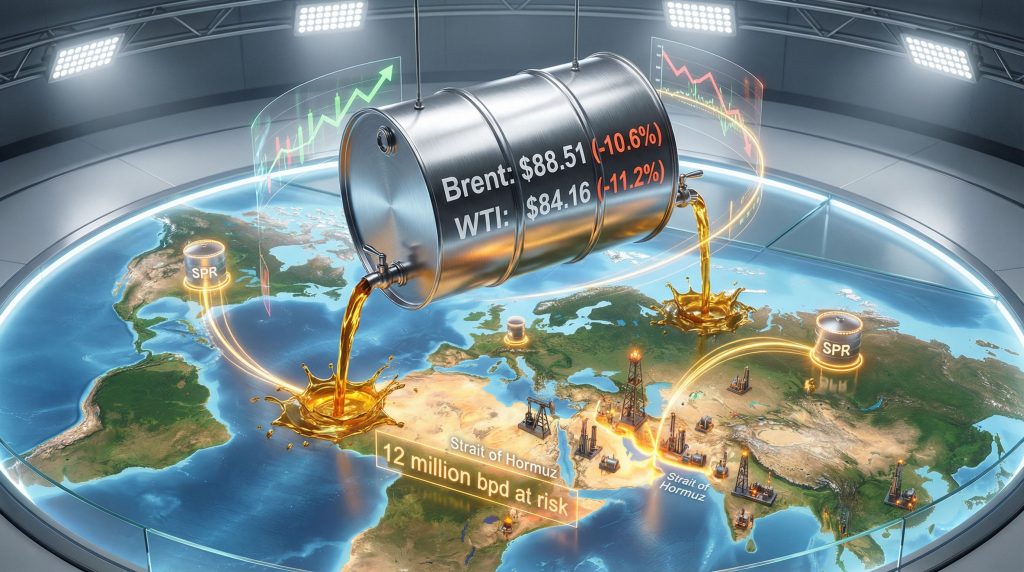
The interconnected nature of global energy markets demonstrates how diplomatic announcements can trigger immediate price adjustments that ripple throughout commodity trading systems. Trump Middle East de-escalation signals during March 2026 created one of the most dramatic oil price corrections in recent memory, with Brent crude plummeting $10.45 per barrel within hours of peace negotiations being announced. Furthermore, understanding these transmission mechanisms becomes critical for investors navigating volatile energy sectors during periods of heightened international tension, as oil rally insights reveal complex market dynamics at play.
When examining market psychology during conflict periods, traditional economic models often fail to capture the rapid sentiment shifts that occur within single trading sessions. Consequently, the algorithmic trading infrastructure that dominates contemporary crude oil futures markets can amplify initial diplomatic signals far beyond their fundamental supply-demand implications.
Market Psychology Behind Energy Price Volatility During Diplomatic Shifts
The mechanics of rapid oil price adjustments reveal sophisticated algorithmic trading systems processing geopolitical information streams in real-time. During March 2026, Brent crude experienced a dramatic decline to $88.51, while WTI crude dropped to $84.16 following diplomatic breakthroughs. However, these movements occurred within hours of Trump Middle East de-escalation announcements, demonstrating the speed at which modern energy markets respond to conflict resolution indicators. In addition, analysis of oil stagnation analysis provides valuable context for understanding these rapid price corrections.
Understanding Trader Sentiment Transmission Systems
High-frequency trading algorithms monitor news wire services, social media sentiment, and official government statements simultaneously. The March 10-11, 2026 sequence illustrates this process: presidential statements from a CBS News interview triggered immediate algorithmic repositioning. Furthermore, Kremlin aide confirmations of Trump-Putin telephonic engagement regarding settlement proposals followed shortly after.
Market participants utilise several key indicators to gauge sentiment shifts:
- Real-time order flow analysis showing buy-sell pressure ratios
- Implied volatility calculations from options markets
- Futures curve contango-backwardation relationships
- Cross-asset correlation patterns between crude oil and safe-haven assets
The $34.84 per barrel range from trough ($84.16) to peak ($119.00) demonstrates how diplomatic signals can create substantial trading opportunities while simultaneously exposing investors to extreme volatility risks.
Historical Context of Peace-Driven Price Corrections
Energy markets have consistently exhibited asymmetric responses to diplomatic developments versus military escalation. Analysis by DBS Bank's Suvro Sarkar indicated that while Trump's conflict timeline comments calmed market sentiment, both the initial upward surge and subsequent correction represented overreactions. Moreover, geopolitics and oil supply patterns historically show similar volatility during diplomatic transitions.
Historical precedents provide valuable context for current price movements:
| Event | Initial Price Response | 1-Month Durability | 6-Month Impact |
|---|---|---|---|
| 1991 Gulf War Ceasefire | -15% within 48 hours | Partial reversal (+8%) | Sustained decline maintained |
| 2015 Iran Nuclear Agreement | -8% within week | Full reversal (+12%) | New equilibrium established |
| 2003 Iraq Invasion Beginning | +12% initial surge | Gradual decline (-18%) | Below pre-invasion levels |
This historical analysis reveals that diplomatic breakthroughs often trigger immediate price relief. However, sustainability depends on verification mechanisms and underlying supply-demand fundamentals.
When big ASX news breaks, our subscribers know first
Supply Chain Infrastructure Vulnerability Assessment
The global energy transportation network contains critical chokepoints where geopolitical tensions create disproportionate market impact. JPMorgan's analysis highlighting 12 million barrels per day at risk through the Strait of Hormuz within a two-week window exemplifies how infrastructure vulnerability calculations drive risk premium assessments.
Critical Transportation Corridor Analysis
Maritime shipping routes face multiple vulnerability factors that sophisticated risk models must incorporate:
Primary Chokepoints and Daily Throughput:
- Strait of Hormuz: 12 million bpd potential disruption
- Suez Canal/SUMED Pipeline: 8.8 million bpd combined capacity
- Strait of Malacca: 15.6 million bpd total petroleum liquids
- Bab el-Mandeb: 6.2 million bpd crude oil and refined products
Saudi Aramco's warning regarding catastrophic consequences for global oil markets if Iran-related disruptions continue reflects industry understanding. Consequently, localised conflicts can create worldwide supply shortages with remarkable speed.
Refinery Restart Mechanics and Timeline Constraints
Wood Mackenzie's Simon Flowers provided critical insight into the distinction between rapid inventory mobilisation and primary production restart procedures. This analysis addresses a common market misconception that Trump Middle East de-escalation immediately restores full supply capacity.
Rapid Mobilisation Pathway (Days to Weeks):
- Product barrels stored at refineries or port facilities
- Existing inventory transfers via available vessel capacity
- No production restart requirements for stored materials
- Limited by transportation logistics rather than production constraints
Extended Restart Pathway (Weeks to Months):
- Wells maintained in shut-in status require pressure equalisation
- Catalyst bed regeneration for refinery units (48-72 hours minimum)
- Equipment inspection protocols following extended shutdowns
- Workforce mobilisation and security clearance procedures
- Production ramp-up phases to avoid equipment stress damage
The Abu Dhabi National Oil Company shutdown of the Ruwais refinery complex following drone strike damage illustrates real-time infrastructure vulnerability. Furthermore, this facility represents significant regional processing capacity, and its restoration timeline directly impacts regional supply availability.
Sanctions Framework Impact on Global Energy Markets
Policy adjustments regarding Russian oil export restrictions create complex market dynamics that extend beyond simple supply-demand calculations. The Trump administration's consideration of sanctions relief coincides with broader diplomatic initiatives. Consequently, tariffs and investment markets analysis reveals multiple scenarios that energy traders must evaluate simultaneously.
Price Elasticity Modelling for Sanctions Relief
Goldman Sachs maintained Q4 2026 forecasts of $66 per barrel for Brent and $62 per barrel for WTI despite current prices exceeding $84-$88 per barrel. This analyst scepticism regarding sustained price elevation suggests sophisticated modelling of how sanctions adjustments affect long-term market equilibrium.
Key Variables in Sanctions Impact Assessment:
- Baseline Russian Export Capacity: Pre-sanctions production levels and current shut-in capacity
- Market Absorption Rates: Global refining capacity to process incremental Russian crude grades
- Substitution Analysis: Displacement of alternative supply sources (North Sea, West African, OPEC)
- Price Ceiling Enforcement: Mechanisms for maintaining export price controls during relief periods
Strategic Reserve Coordination Mechanisms
G7 energy ministers' consideration of strategic petroleum reserve releases represents coordinated policy response to supply disruption threats. The United States Strategic Petroleum Reserve maintains maximum withdrawal capacity of approximately 4.4 million barrels per day. In addition, other G7 nations possess additional emergency stockpiles totalling roughly 1.4 billion barrels combined.
Coordination Protocol Elements:
- Synchronised release timing to maximise market impact
- Volume allocation based on consumption patterns and reserve levels
- Price trigger mechanisms for automatic deployment
- Replenishment strategies during market normalisation periods
Priyanka Sachdeva from Phillip Nova synthesised how sanctions relief discussions, diplomatic de-escalation signals, and strategic reserve release options converge. However, these factors signal continued crude availability expectations despite geopolitical disruption.
Investment Portfolio Risk Management During Geopolitical Volatility
Energy sector investment strategies require sophisticated hedging mechanisms during periods of heightened geopolitical uncertainty. The $10+ per barrel price swings observed during March 2026 create both opportunity and risk for institutional investors. Furthermore, trade war oil movements demonstrate how geopolitical tensions translate into market volatility.
Hedging Strategy Implementation
Professional portfolio managers employ multiple instruments to manage oil price volatility exposure:
Direct Hedging Instruments:
- Crude oil futures contracts for price discovery and risk transfer
- Options strategies including protective puts and covered calls
- Swap agreements for longer-term price stability
- Exchange-traded funds tracking energy sector indices
Indirect Risk Management:
- Geographic diversification across producing regions
- Value chain diversification (upstream, midstream, downstream assets)
- Currency hedging for international energy investments
- Correlation analysis with broader commodity indices
Long-term Strategic Investment Implications
Geopolitical volatility accelerates certain investment themes while creating obstacles for others. The current Middle East tensions highlight how energy security considerations influence capital allocation decisions across multiple sectors.
Infrastructure Resilience Investment Priorities:
- Renewable energy capacity as geopolitical hedge
- Energy storage technologies for grid stability
- Alternative transportation fuel development
- Pipeline and terminal security upgrade projects
Energy independence strategic planning becomes increasingly relevant for both corporate and national policy frameworks. Consequently, the volatility demonstrated during March 2026 reinforces investor interest in technologies and infrastructure that reduce dependence on geopolitically sensitive supply sources.
Regional Market Adaptation Mechanisms
Asian energy import strategies face particular complexity due to geographic proximity to Middle Eastern supply sources and dependence on maritime transportation routes. Major consuming nations maintain diverse supply source portfolios, but geopolitical disruptions can quickly alter optimal sourcing arrangements.
Supply Source Diversification Planning
Countries like Japan, South Korea, and India continuously evaluate supply source diversification to minimise geopolitical risk exposure:
Diversification Metrics:
- Maximum single-source dependence ratios (typically 30-40% limits)
- Transportation route redundancy requirements
- Strategic partnership agreements with multiple producing nations
- Emergency supply activation protocols during crisis periods
Long-term contract renegotiation opportunities emerge during periods of supply disruption uncertainty. Furthermore, importing nations can leverage market volatility to secure more favourable terms or flexible volume arrangements with established suppliers.
Macroeconomic Transmission Effects
Energy price stabilisation following Trump Middle East de-escalation creates cascading effects throughout global economic systems. Central banks monitor crude oil prices as leading indicators for inflation expectations and monetary policy adjustment requirements.
How Does Energy Price Stability Impact Inflation Expectations?
Energy costs transmit through economic systems via multiple channels:
- Direct consumer impact through petrol and heating fuel prices
- Industrial input cost adjustments affecting manufacturing competitiveness
- Transportation cost variations influencing supply chain economics
- Electricity generation cost changes affecting all economic sectors
Manufacturing sector investment decisions become particularly sensitive to energy price stability expectations. In addition, energy-intensive industries including aluminium production, petrochemicals, and steel manufacturing require predictable input costs for long-term capital planning.
The next major ASX story will hit our subscribers first
Strategic Market Outlook Under Diplomatic Progress Scenarios
The sustainability of diplomatic initiatives depends on multiple verification mechanisms and follow-through by all parties involved. Market participants must evaluate scenarios ranging from complete conflict resolution to temporary truces that may prove fragile over time. However, early indicators suggest that oil prices could fall significantly if peace negotiations continue progressing.
Long-term Price Forecast Adjustments
Investment flow redirections toward development projects become more attractive under reduced geopolitical risk premiums. Furthermore, exploration and production companies can justify capital expenditures more easily when supply disruption probabilities decline.
Market Structure Evolution Factors:
- Reduced volatility premiums in options pricing
- Lower insurance costs for energy infrastructure projects
- Increased foreign direct investment in regional energy projects
- Enhanced international cooperation on emergency response protocols
Policy framework development for sustained stability requires international cooperation mechanisms extending beyond immediate conflict resolution. Consequently, energy diplomacy becomes a tool for conflict prevention through economic interdependence, creating mutual interests in maintaining stable supply relationships.
Disclaimer: This analysis involves forecasts and speculation about future market conditions, geopolitical developments, and policy changes. Energy markets remain subject to rapid changes based on events beyond current visibility. Investors should conduct independent research and consider professional financial advice before making investment decisions. Historical price patterns and analyst forecasts do not guarantee future performance outcomes.
Ready to capitalise on tomorrow's major energy discoveries?
Discovery Alert's proprietary Discovery IQ model delivers real-time alerts on significant ASX mineral discoveries, empowering subscribers to identify actionable opportunities ahead of market movements during volatile energy periods. Gain the market-leading advantage you need by exploring Discovery Alert's dedicated discoveries page and begin your 14-day free trial today.