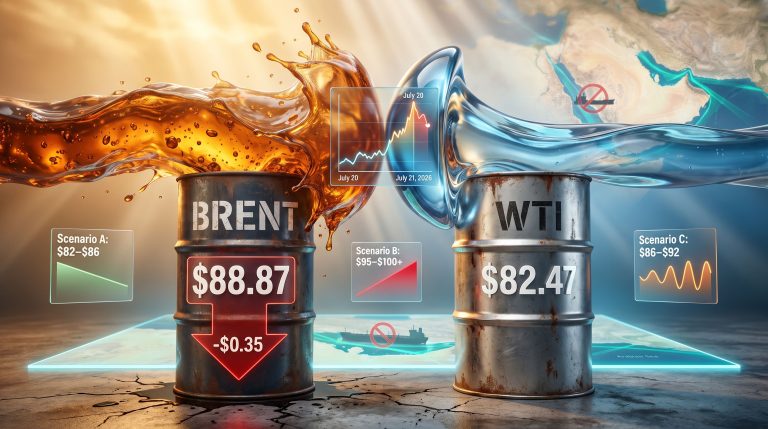
July 21, 2026
Maritime chokepoints have long served as pressure valves for global economic stability, with control over these narrow waterways representing one of the most potent forms of strategic leverage in modern geopolitics. The ability to restrict or monitor vessel transit through critical passages can reshape international trade flows, energy markets, and diplomatic relationships within days. Understanding the complex dynamics surrounding a US Navy blockade on Iranian ports requires examining not only immediate tactical considerations but also the broader framework of economic warfare, regional power projection, and the delicate balance between military pressure and diplomatic resolution.
Economic Disruptions From Strategic Maritime Blockades
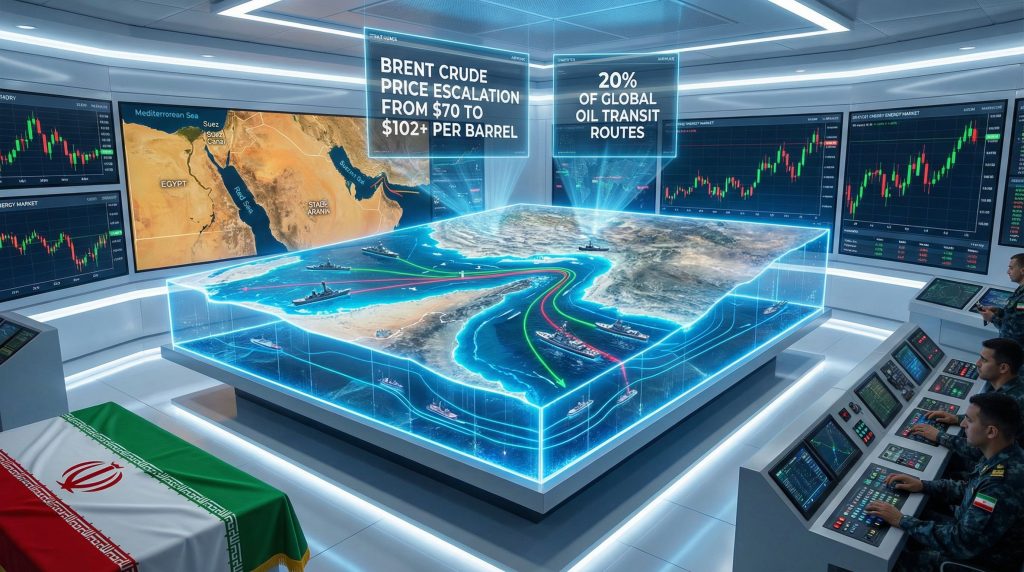
The immediate market response to blockade announcements reveals the interconnected nature of global energy systems and investor psychology. When news of potential Iranian port restrictions emerged in April 2026, crude oil markets experienced significant volatility within hours. US crude oil prices surged to $104.24 per barrel, representing an 8% single-session increase, while Brent crude reached $102.29 per barrel with a 7% daily rise. These oil price movements reflected market concerns about supply chain disruption affecting approximately 20% of global oil transit routes through the Strait of Hormuz.
The baseline comparison demonstrates the cumulative impact of regional tensions on energy pricing. Brent crude had traded at approximately $70 per barrel in late February 2026, establishing that the escalating conflict contributed to a $32 per barrel increase, or roughly 46% price elevation from pre-conflict levels. This dramatic pricing shift illustrates how maritime security concerns can rapidly translate into economic pressures affecting consumers worldwide.
Global Energy Market Volatility Patterns
Historical analysis of energy market responses to maritime conflicts provides context for understanding current disruption patterns. During the 1980s Tanker War between Iran and Iraq, oil prices experienced similar volatility as shipping companies faced insurance premium increases and route diversification requirements. Furthermore, the current situation mirrors those dynamics, with vessel operators forced to evaluate risk assessments for transiting contested waters.
Commercial shipping data indicates partial functionality despite broader military operations. Marine tracking systems documented over 40 commercial vessels crossing the strait during the ceasefire period, though specific timeframes for this transit volume remain unclear. This continued activity suggests that complete maritime closure scenarios may prove economically unsustainable for all parties involved.
Secondary market effects extend beyond crude oil pricing into refined petroleum products and natural gas markets. Regional refineries operating below capacity due to supply disruptions create ripple effects through downstream energy markets, affecting everything from gasoline prices to petrochemical feedstocks. The interconnected nature of energy supply chains means that disruptions in one geographic region can influence pricing structures globally.
Regional Trade Route Reconfiguration
Alternative shipping lanes face immediate capacity constraints when primary routes become contested or restricted. The Red Sea and Suez Canal corridor represents the most viable alternative for energy shipments avoiding the Persian Gulf, but these waterways have finite throughput capacity and existing congestion challenges. Increased traffic volumes through alternative routes can create bottlenecks that compound overall supply chain disruptions.
Port infrastructure in non-Iranian Gulf facilities must absorb redirected cargo volumes, creating potential congestion scenarios in UAE, Kuwait, and Saudi Arabian ports. These facilities operate with established capacity parameters designed for normal traffic patterns rather than surge scenarios requiring accommodation of displaced Iranian port traffic.
Insurance markets respond rapidly to maritime conflict zones, with premium increases for vessels operating in contested waters often exceeding the direct fuel cost impacts. In addition, Lloyd's of London and other major maritime insurance providers typically implement war risk surcharges that can double or triple standard coverage costs, forcing shipping companies to evaluate route economics carefully.
When big ASX news breaks, our subscribers know first
Iran's Strategic Response Framework
Regional conflict dynamics indicate Iran's willingness to escalate tensions through multiple channels when facing maritime pressure. Casualty figures from the broader conflict context reveal the intensity of military engagement preceding blockade announcements. According to documented reports, military operations resulted in at least 3,000 deaths in Iran, 2,055 in Lebanon, 23 in Israel, and more than a dozen fatalities in Gulf Arab states.
Iranian official responses demonstrated coordinated resistance messaging across government channels. Mohammad Bagher Qalibaf, serving as Iranian parliament speaker and lead negotiator, addressed escalation concerns directly by stating that Iran would match any military confrontation with equivalent force. This positioning suggests Iranian leadership views naval blockade actions as acts of war requiring military response rather than diplomatic issues subject to negotiation.
Asymmetric Naval Warfare Capabilities
Iran's maritime defence strategy relies heavily on asymmetric tactics designed to offset conventional naval superiority through unconventional means. The Islamic Revolutionary Guard Corps Navy operates numerous small, fast attack craft capable of swarming tactics against larger vessels. These platforms can deploy mines, conduct hit-and-run attacks, and threaten commercial shipping through harassment operations.
Mine warfare represents a significant component of Iranian naval doctrine, with the capability to deploy both traditional contact mines and sophisticated influence mines activated by magnetic, acoustic, or pressure signatures. Historical precedent from the 1980s demonstrates Iran's willingness to employ mining tactics, requiring extensive counter-mine operations that can take weeks or months to complete effectively.
Proxy network activation across regional theatres provides Iran with escalation options extending far beyond immediate maritime boundaries. Documented connections with Hezbollah in Lebanon, Hamas in Gaza, and Houthi rebels in Yemen create multiple pressure points for Iranian retaliation against naval blockade enforcement.
Economic Countermeasures and Alliance Building
China's Belt and Road Initiative investments in Iranian infrastructure create economic partnerships resilient to Western sanctions pressure. Historical patterns during previous sanctions periods (2010-2015) demonstrate Iran's ability to maintain energy exports through alternative partnerships, primarily with Asian customers willing to navigate sanctions frameworks.
Russia-Iran coordination mechanisms have evolved significantly since 2022, with both nations facing various forms of Western economic pressure. Energy cooperation agreements, currency swap arrangements, and military technology transfers create mutual support systems that may limit blockade effectiveness.
European Union positioning remains complex, balancing energy security concerns against alliance obligations. However, historical European diplomatic initiatives toward Iran, including participation in Joint Comprehensive Plan of Action negotiations, suggest potential for independent diplomatic engagement separate from US military actions.
Military Logistics Requirements for Naval Operations
Sustained naval blockade enforcement requires extensive logistical infrastructure and coordination across multiple operational domains. US Central Command's area of responsibility encompasses the entire Middle East region, requiring asset allocation across diverse mission sets including mine-clearing operations, patrol activities, and maritime interdiction.
Expert analysis suggests significant challenges in blockade implementation and sustainability. Security studies specialists have questioned the operational feasibility of comprehensive strait closure, noting limitations in available military tools for achieving stated policy objectives through naval force alone.
Fleet Deployment and Operational Sustainability
Naval operations in contested waters require specialised vessel types optimised for different mission requirements. Mine-clearing operations demand dedicated minesweeper vessels with sophisticated sonar and robotic systems capable of identifying and neutralising underwater threats. The timeline for effective mine-clearing can extend for weeks, particularly if defensive mining involves sophisticated influence mines rather than simple contact devices.
Coalition partner contributions become essential for sustained operations, given the resource requirements for maintaining continuous patrols across multiple shipping lanes. Historical precedent from Operation Earnest Will during the 1980s demonstrates the importance of international burden-sharing for maritime protection missions.
Supply chain logistics for extended naval operations include fuel, ammunition, spare parts, and crew rotation requirements. Forward bases in friendly Gulf nations provide essential support infrastructure, but these facilities themselves become potential targets for asymmetric retaliation.
Rules of Engagement and Maritime Law
International maritime law frameworks governing blockade enforcement create complex legal constraints on operational activities. Blockade legality under international waters jurisdiction requires careful adherence to established protocols regarding neutral vessel inspection, commercial shipping protection, and proportionality principles.
Neutral vessel inspection protocols must balance security requirements against commercial shipping rights, creating potential friction with allied nations whose flagged vessels require examination. Historical precedent suggests that overly aggressive inspection procedures can undermine international support for blockade objectives.
Escalation thresholds for military engagement with Iranian naval forces require precise definition to avoid unintended conflict expansion. Rules of engagement must account for scenarios involving civilian vessels, proxy forces, and asymmetric tactics designed to blur traditional military-civilian distinctions.
Nuclear Negotiations and Maritime Security Strategy
Iran's nuclear programme serves as both justification for maritime pressure and potential leverage for diplomatic resolution. Current Iranian stockpiles of enriched uranium at 60% purity levels represent a significant technical advancement toward weapons-grade material, though international experts note that weapons development requires additional steps beyond uranium enrichment.
Negotiation dynamics during recent diplomatic efforts revealed fundamental disagreements over nuclear programme scope and verification mechanisms. US negotiation positions included demands for ending uranium enrichment, dismantling major enrichment facilities, and allowing retrieval of highly enriched uranium stockpiles.
What Role Does Uranium Enrichment Play as Strategic Leverage?
Technical assessments of Iran's nuclear capabilities indicate proximity to weapons-grade uranium production, though experts emphasise that weapons development involves complex engineering challenges beyond raw material production. The timeline for theoretical weapons capability remains contested amongst intelligence agencies and nuclear specialists. The current uranium market volatility reflects these geopolitical uncertainties.
International Atomic Energy Agency monitoring and verification challenges have increased significantly since Iran reduced cooperation with inspection protocols. Limited inspector access to key facilities creates uncertainty regarding programme scope and technological advancement rates.
Connection between nuclear concessions and maritime access represents a potential framework for diplomatic resolution. Historical precedent from the 2015 Joint Comprehensive Plan of Action demonstrates Iran's willingness to accept nuclear restrictions in exchange for sanctions relief and normalised commercial relationships.
Regional Nuclear Proliferation Risks
Saudi Arabia's nuclear programme development has accelerated in response to Iranian capabilities, creating regional proliferation dynamics that extend beyond bilateral US-Iran negotiations. UAE nuclear facilities and technology partnerships with Western nations reflect Gulf state concerns about Iranian nuclear advancement.
Israeli military capabilities regarding Iranian nuclear facilities represent an independent escalation risk that could complicate maritime blockade strategies. Historical Israeli strikes against nuclear facilities in Iraq and Syria establish precedent for unilateral military action against perceived nuclear threats.
Pakistan's role as nuclear-armed mediator reflects regional power dynamics, with Islamabad hosting recent negotiation attempts while maintaining relationships with both Iran and Gulf Arab states. Pakistani diplomatic initiatives may provide alternative channels for conflict resolution.
Economic Modelling of Blockade Effectiveness
Comprehensive analysis of Iranian revenue streams reveals significant dependency on energy exports, though sanctions evasion networks have demonstrated resilience during previous isolation periods. Iran developed sophisticated ship-to-ship transfer capabilities and flag-switching mechanisms that enabled continued exports despite sanctions frameworks between 2010 and 2015.
Table: Energy Market Disruption Scenarios
| Scenario | Oil Price Impact | Global GDP Effect | Regional Stability |
|---|---|---|---|
| Limited Blockade | +15-25% | -0.2% to -0.4% | Moderate tension |
| Full Strait Closure | +40-60% | -0.8% to -1.2% | High instability |
| Extended Conflict | +70-100% | -1.5% to -2.0% | Regional war risk |
Iranian Revenue Analysis
Alternative revenue sources beyond oil exports include natural gas shipments, petrochemical products, and non-energy minerals, though these sectors generate significantly lower revenues than crude oil sales. Domestic economic resilience during previous sanctions periods demonstrated Iran's ability to adapt through import substitution, currency controls, and reduced living standards.
Currency devaluation impacts create complex effects on import capacity and social stability. While devaluation reduces purchasing power for imported goods, it can also enhance competitiveness for non-sanctioned exports and encourage domestic production substitutes.
Sanctions evasion networks developed during previous isolation periods include sophisticated financial mechanisms, front companies, and alternative payment systems that may limit blockade economic effectiveness. Historical analysis suggests that determined sanctions evasion can maintain significant trade volumes despite enforcement efforts.
Global Supply Chain Stress Testing
Economic modelling reveals that maritime disruption effects extend far beyond immediate energy price increases. Global GDP impacts vary significantly based on disruption duration and geographic scope, with extended conflicts potentially triggering recession scenarios in import-dependent economies. Moreover, US economic pressures from sustained blockade operations could compound these effects.
Supply chain vulnerabilities affect multiple industrial sectors beyond energy, including petrochemical feedstocks, fertiliser production, and plastic manufacturing. Regional refineries operating below capacity create cascading effects through downstream industries dependent on petroleum-derived inputs.
Alternative supply sources face capacity constraints and transportation bottlenecks that limit rapid substitution capabilities. Strategic petroleum reserve releases can provide temporary supply stability, but sustained disruptions require fundamental supply chain reorientation that takes months or years to implement effectively.
Historical Blockade Precedents
Cold War maritime confrontations provide essential lessons for contemporary blockade strategy and escalation management. The Cuban Missile Crisis blockade implementation demonstrates the importance of precise legal frameworks, clear communication channels, and graduated escalation procedures for avoiding unintended conflict expansion.
Operation Earnest Will during the 1980s Tanker War established precedent for international maritime protection missions in the Persian Gulf. Coalition naval operations successfully protected commercial shipping while managing escalation risks with both Iran and Iraq, though the operation required extensive international coordination and resource commitment.
Cold War Naval Confrontation Lessons
Legal and operational precedents from historical maritime interdiction operations emphasise the importance of international law compliance and allied support for legitimacy. Unilateral blockade actions often face greater resistance and reduced effectiveness compared to multilateral enforcement mechanisms.
Falklands War maritime exclusion zone enforcement demonstrated both the effectiveness and limitations of naval blockade tactics. While successful in supporting broader military objectives, the operation required extensive naval resources and created ongoing escalation risks throughout the conflict period.
Communication protocols between opposing naval forces become critical for avoiding unintended escalation during tense maritime operations. Historical precedent suggests that regular communication channels and clear rules of engagement can prevent minor incidents from triggering broader conflicts.
Economic Warfare Effectiveness Assessment
Comprehensive sanctions impact on Iran between 2010 and 2015 provides direct precedent for current economic pressure strategies. During this period, Iranian oil exports declined by approximately 60%, though complete export elimination proved impossible despite extensive international cooperation.
North Korea maritime interdiction experiences reveal both successes and limitations of naval enforcement against determined sanctions evasion efforts. Technical capabilities for detecting and intercepting illicit transfers have improved significantly, but asymmetric evasion tactics continue evolving in response.
Russian energy export restrictions since 2022 demonstrate market adaptation capabilities and alternative partnership development. Despite extensive sanctions frameworks, Russian energy exports continued through alternative channels and customer relationships, suggesting limits to economic isolation effectiveness.
The next major ASX story will hit our subscribers first
Regional Power Dynamics Shaping Outcomes
Gulf Cooperation Council strategic positioning creates complex regional dynamics affecting a US Navy blockade on Iranian ports implementation and effectiveness. Saudi Arabia and UAE possess significant spare production capacity that could offset Iranian export restrictions, though political considerations may limit willingness to increase production during conflict periods.
Qatar's liquefied natural gas export capabilities provide opportunities for energy market share expansion during regional supply disruptions. Historical diplomatic independence during the 2017 Gulf crisis suggests potential for Qatari neutrality or limited cooperation with blockade enforcement.
Gulf Cooperation Council Strategic Positioning
Bahrain and Kuwait host significant US naval infrastructure that supports maritime operations, though domestic political pressures may limit operational flexibility during extended conflict scenarios. Popular opposition to perceived aggression against fellow Muslim nations could constrain host nation cooperation.
Oman's traditional neutrality and geographic position on the Strait of Hormuz create unique diplomatic opportunities for mediation efforts. Historical Omani facilitation of US-Iran communication during previous crises establishes precedent for neutral venue negotiations.
Regional burden-sharing arrangements for maritime security operations require careful balance between operational effectiveness and political sustainability. Extended military operations typically face declining public support over time, affecting host nation cooperation and resource availability.
Great Power Competition Implications
China's Belt and Road Initiative investments in Iranian infrastructure represent long-term strategic commitments that may limit Chinese cooperation with blockade enforcement. Historical Chinese energy import dependency creates strong incentives for maintaining Iranian supply relationships despite Western pressure.
Russia's strategic partnership with Iran has strengthened significantly since both nations face Western sanctions pressure. Military cooperation agreements and technology transfers create mutual support mechanisms that may enhance Iranian resistance capabilities.
European Union energy diversification efforts accelerated following Russian supply disruptions in 2022, reducing European dependency on Middle Eastern energy imports. This reduced dependency may limit European concern about Iranian supply disruptions while creating diplomatic space for independent positions.
India's energy import vulnerability creates complex diplomatic balancing requirements between Western alliance relationships and energy security needs. Historical Indian participation in Iranian energy trade during sanctions periods suggests potential for continued commercial relationships despite blockade enforcement.
Strategic Risk-Benefit Analysis
Short-term tactical advantages of maritime blockade strategies include immediate economic pressure on Iranian government revenues and demonstration of US naval supremacy in critical waterways. Successful enforcement can create leverage for renewed nuclear negotiations while deterring Iranian proxy operations across regional theatres.
However, long-term strategic consequences require careful evaluation of escalation risks and alliance relationship impacts. Regional conflict expansion beyond controllable parameters could destabilise energy markets affecting allied economies while strengthening alternative partnership networks opposed to Western interests. Furthermore, broader US-China trade war effects could complicate international coalition building for sustained operations.
Short-term Tactical Advantages
Immediate economic pressure through revenue reduction can influence Iranian government calculations regarding negotiation positions and regional activities. Successful blockade implementation demonstrates international resolve and coordination capabilities to both adversaries and allies.
Regional deterrent effects against Iranian proxy operations may reduce security threats to allied nations while establishing precedent for future maritime enforcement actions. Clear demonstration of enforcement capabilities can influence behaviour across multiple theatres beyond immediate blockade zones.
Leverage creation for diplomatic engagement often proves most effective when combined with clear pathways for sanctions relief and normalisation. Historical precedent suggests that pressure tactics require corresponding incentive structures for achieving sustainable resolution.
Long-term Strategic Consequences
Potential regional conflict escalation beyond maritime boundaries could destabilise multiple theatres simultaneously, overwhelming diplomatic and military resources. Complex proxy network activation creates risks of conflict expansion into Lebanon, Yemen, and other regional flashpoints.
Global energy market destabilisation affects allied economies through increased costs and supply chain disruptions. Extended market volatility can trigger recession scenarios that undermine domestic political support for continued pressure strategies. The relationship between tariffs and market impact provides relevant context for understanding how economic warfare affects broader financial stability.
Alternative alliance strengthening between China, Iran, and Russia may accelerate in response to maritime pressure tactics. Historical precedent suggests that economic warfare can drive adversaries toward closer cooperation and alternative institutional frameworks.
Precedent-setting implications for future maritime chokepoint disputes, particularly regarding South China Sea scenarios, require careful consideration of legal and operational frameworks. Actions taken in the Persian Gulf may influence Chinese calculations regarding Taiwan Strait and South China Sea enforcement scenarios.
What Are the Key Operational Challenges?
Implementation of a US Navy blockade on Iranian ports faces numerous operational complexities that extend beyond traditional naval warfare considerations. Intelligence gathering requirements for effective blockade enforcement include real-time tracking of vessel movements, identification of sanctions evasion networks, and coordination with allied surveillance systems.
Technical challenges involve distinguishing between legitimate neutral shipping and Iranian-flagged or controlled vessels attempting to evade restrictions. Modern shipping practices utilise complex ownership structures, flag switching, and ship-to-ship transfers that complicate identification and interdiction efforts.
Humanitarian considerations create legal and political constraints on blockade enforcement, particularly regarding medical supplies, food shipments, and civilian transportation. International humanitarian law requires provision for essential civilian needs, creating potential loopholes for sanctions evasion while maintaining moral legitimacy.
Weather and environmental factors in the Persian Gulf region affect operational capabilities year-round, with extreme temperatures, sandstorms, and seasonal weather patterns influencing vessel performance and crew endurance. Extended operations require adaptation to challenging environmental conditions that may favour local Iranian forces familiar with regional conditions.
Technological Requirements and Limitations
Advanced surveillance systems including satellite monitoring, underwater sensors, and aerial reconnaissance platforms provide essential intelligence for blockade enforcement. However, technological superiority must overcome Iranian countermeasures including electronic warfare capabilities, decoy operations, and communication disruption tactics.
Cybersecurity vulnerabilities in naval communication systems create potential attack vectors for Iranian asymmetric response. Historical precedent from various conflict zones demonstrates the importance of securing digital infrastructure supporting maritime operations against sophisticated cyber warfare capabilities.
Logistics coordination between multiple naval platforms, allied forces, and shore-based support requires robust communication networks resistant to jamming and interference. The complexity of multi-national operations increases vulnerability to communication breakdowns that could compromise operational effectiveness or create friendly fire incidents.
Diplomatic Resolution Pathways
Alternative diplomatic frameworks for addressing underlying tensions may provide more sustainable solutions than sustained maritime pressure. Historical analysis of successful conflict resolution suggests that face-saving mechanisms for all parties often prove essential for achieving lasting agreements.
Third-party mediation efforts through regional organisations or neutral nations could provide venues for productive negotiations without direct US-Iran confrontation. Qatar, Oman, and Turkey have historically served mediating roles in Middle Eastern disputes and may offer diplomatic alternatives to military pressure.
Economic incentive structures that provide clear pathways for sanctions relief and normalised relations could encourage Iranian cooperation more effectively than pure pressure tactics. The 2015 Joint Comprehensive Plan of Action provides a template for comprehensive agreements addressing nuclear concerns while offering economic benefits.
Multilateral approaches involving European allies, regional partners, and international organisations may enhance legitimacy and effectiveness compared to unilateral US actions. Historical precedent suggests that broad international consensus strengthens both economic pressure and diplomatic alternatives.
"The effectiveness of maritime blockades ultimately depends not on naval capabilities alone, but on the political will to sustain operations and the availability of diplomatic alternatives that provide face-saving exits for all parties involved," according to maritime security analysts familiar with Persian Gulf operations.
Disclaimer: This analysis contains speculative assessments regarding military operations, diplomatic negotiations, and economic projections that involve significant uncertainties. Market conditions, political developments, and operational realities may differ substantially from modelled scenarios. Readers should consult multiple sources and expert analysis when evaluating geopolitical risk factors.
Naval blockade strategies ultimately require precise calibration between immediate tactical objectives and long-term strategic stability. Success depends on coordinated diplomatic, economic, and military components rather than purely maritime enforcement mechanisms, with effectiveness determined by international cooperation levels and target nation adaptation capabilities. The implementation of a US Navy blockade on Iranian ports represents just one tool in a complex array of policy options requiring careful consideration of costs, benefits, and unintended consequences across multiple domains.
Ready to Navigate Commodity Market Volatility During Geopolitical Uncertainty?
Discovery Alert's proprietary Discovery IQ model delivers real-time alerts on significant mineral discoveries across the ASX, helping investors identify actionable opportunities even during periods of energy market disruption and global uncertainty. With geopolitical tensions affecting traditional energy investments, diversifying into Australia's mineral discovery sector could provide strategic portfolio balance and growth potential beyond conventional commodity exposure.