
July 20, 2026
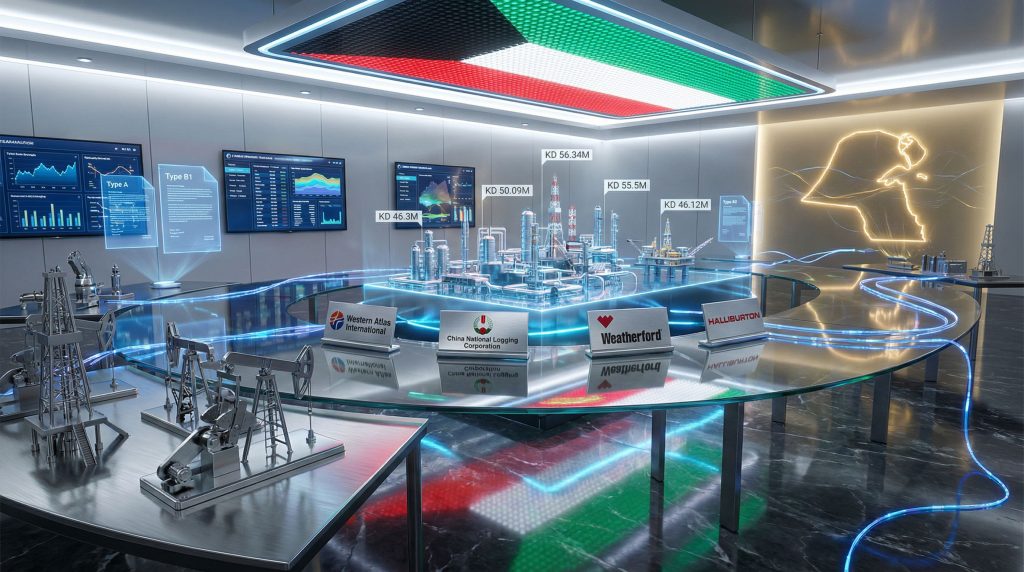
Advanced Procurement Architecture in National Oil Company Operations
Modern national oil companies employ sophisticated contract classification systems designed to optimise risk allocation while maximising operational flexibility. These frameworks typically incorporate multiple authorisation levels based on contract complexity, technological requirements, and strategic importance to production objectives. Furthermore, the US oil production decline has prompted increased focus on procurement efficiency.
Hierarchical Contract Authorisation Frameworks
Large-scale oil and gas operations require structured procurement hierarchies that can accommodate both routine operational needs and specialised technical requirements. The most effective systems establish clear value thresholds that trigger different approval processes, ensuring appropriate oversight without creating operational bottlenecks.
Contract Classification Structure:
| Contract Type | Value Range | Authorisation Level | Typical Services |
|---|---|---|---|
| Strategic Projects | >$150 million | Board-level approval | Major field development |
| Complex Operations | $30-150 million | Executive committee | Specialised logging/completion |
| Standard Services | $1-30 million | Departmental approval | Routine maintenance |
| Operational Support | <$1 million | Local management | Equipment rental |
These authorisation matrices reflect the reality that different service categories require varying levels of technical expertise evaluation and risk assessment. High-value specialised contracts often involve advanced technology transfer requirements and multi-year performance commitments that necessitate comprehensive evaluation processes.
Risk Distribution Models Across Service Categories
Effective contract structuring requires careful consideration of risk allocation between service providers and oil companies. The choice between fixed-price arrangements and cost-plus structures depends heavily on the technical complexity and predictability of required services.
Advanced logging and perforation operations represent critical technological capabilities where performance risk often outweighs cost predictability considerations in contractor selection processes.
Fixed-price contracts work effectively for well-defined technical services with established performance parameters. However, complex reservoir evaluation projects may require cost-plus arrangements that allow for technical adjustments based on geological conditions discovered during operations. Moreover, oil price movements significantly influence contract structuring decisions.
Performance-based incentive structures increasingly feature in major service agreements, linking contractor compensation to measurable outcomes such as drilling efficiency improvements, safety performance metrics, and technology transfer achievement. These mechanisms align contractor interests with operational objectives while maintaining cost control frameworks.
When big ASX news breaks, our subscribers know first
Strategic Service Contract Architecture for Complex Oilfield Operations
The technical scope of major oilfield service agreements extends well beyond simple vendor-client relationships, incorporating technology transfer requirements, capacity building mandates, and performance optimisation frameworks that support long-term production sustainability.
Specialised Technical Service Categories
Modern upstream operations require integration across multiple specialised service domains, each with distinct technical requirements and performance metrics:
Core Operational Service Areas:
- Reservoir Characterisation Services: Advanced logging technologies including nuclear magnetic resonance and formation pressure testing
- Well Completion Operations: Perforation design optimisation and completion fluid management
- Production Enhancement: Artificial lift systems and workover service coordination
- Safety and Environmental Compliance: H2S management protocols and emissions monitoring
Each service category requires specific technical qualifications that extend beyond traditional bidding criteria. Reservoir evaluation services, for example, demand demonstrated expertise in local geological conditions and proven track records in similar operational environments.
Procurement Methodology for Advanced Technical Services
The evaluation process for specialised oilfield services typically follows a structured approach that prioritises technical capability assessment alongside commercial considerations:
Technical Qualification Process:
- Pre-qualification Assessment: Verification of technical certifications and safety records
- Capability Demonstration: Evidence of successful completion of similar projects
- Technology Evaluation: Assessment of proposed equipment and methodologies
- Local Content Compliance: Documentation of workforce development and training programs
- Commercial Evaluation: Cost analysis within qualified technical submissions
This methodology ensures that contract awards balance technical excellence with commercial viability, supporting operational objectives while maintaining competitive market dynamics. Additionally, recent OPEC meeting insights have influenced procurement timing decisions.
Modern procurement frameworks increasingly emphasise technology transfer requirements, recognising that sustainable operations depend on building local technical capabilities alongside accessing international expertise.
Financial Framework Analysis: Understanding $677 Million Contract Distribution
The financial architecture underlying major oilfield service contracts reflects strategic decisions about risk allocation, performance management, and operational efficiency optimisation. Recent contract awards provide insight into how national oil companies balance cost considerations with technical capability requirements.
Contract Value Distribution and Market Dynamics
Analysis of recent contract awards reveals strategic distribution patterns that suggest deliberate risk management through vendor diversification:
2026 Contract Award Distribution:
| Service Provider | Contract Value (USD) | Market Share | Geographic Base |
|---|---|---|---|
| Western Atlas International | $183 million | 27% | International |
| Weatherford | $180 million | 27% | United States |
| China National Logging | $163 million | 24% | China |
| Halliburton Overseas | $150 million | 22% | United States |
This relatively balanced distribution pattern indicates strategic risk management through multi-vendor approaches rather than concentration with single providers. The geographic diversity of selected contractors suggests consideration of technology access, supply chain resilience, and geopolitical risk factors in selection decisions.
Performance-Based Financial Frameworks
Modern service contracts increasingly incorporate sophisticated performance measurement systems that link financial payments to operational achievements:
Key Performance Indicators in Service Contracts:
- Technical Performance Metrics: Logging data accuracy and completion timeline adherence
- Safety Achievement Targets: Incident reduction rates and environmental compliance
- Operational Efficiency Measures: Equipment uptime and service delivery consistency
- Technology Transfer Objectives: Training program completion and knowledge transfer documentation
These performance frameworks create financial incentives for continuous improvement while providing mechanisms for contract adjustment based on operational results. Successful implementation requires clear baseline establishment and objective measurement methodologies.
The total contract value of $677 million represents significant capital allocation toward specialised technical services, reflecting the critical importance of advanced logging and perforation capabilities in optimising hydrocarbon recovery operations. According to industry reports, these Kuwait Oil Company contracts demonstrate commitment to operational excellence.
Global Service Provider Competitive Landscape in Middle Eastern Markets
The selection of international service providers for major upstream operations reflects complex market dynamics involving technological capability, regional expertise, and strategic relationship considerations that extend beyond simple commercial evaluation.
Market Share Analysis Among Leading Contractors
The competitive landscape for specialised oilfield services demonstrates the continued dominance of established international providers while highlighting the emergence of regional competitors with specific technological capabilities:
Provider Capability Assessment:
- Western Atlas International brings advanced logging technology expertise with proven track record in complex reservoir environments
- Weatherford offers integrated completion services with emphasis on production optimisation
- China National Logging Corporation provides competitive pricing with expanding technological capabilities
- Halliburton Overseas delivers comprehensive technical services with extensive Middle Eastern operational experience
The balanced distribution of contract awards suggests strategic preferences for maintaining competitive dynamics rather than establishing preferred provider relationships that might reduce innovation incentives or increase dependency risks. Furthermore, the US–China trade-war impact influences contractor selection strategies.
Technology Transfer and Capacity Building Requirements
Modern service contracts increasingly emphasise knowledge transfer components that support long-term operational capability development:
International service providers must demonstrate not only technical excellence but also commitment to local workforce development and technology transfer programs that enhance domestic capabilities.
These requirements reflect national energy security considerations and economic diversification objectives that extend beyond immediate operational needs. Successful contractors must balance proprietary technology protection with meaningful knowledge sharing that builds local technical competencies.
Regional market dynamics also influence contractor selection, with geopolitical considerations affecting technology access and supply chain reliability assessments that factor into long-term operational planning.
Critical Role of Specialised Services in Production Optimisation Strategy
Advanced logging and perforation services represent fundamental technological capabilities that directly impact production efficiency and reservoir development success. Understanding these technical requirements illuminates why service provider selection carries strategic importance beyond simple cost considerations.
Technical Requirements for Advanced Reservoir Optimisation
Modern reservoir management demands sophisticated data collection and analysis capabilities that inform production strategy development:
Advanced Logging Technology Applications:
- Nuclear Magnetic Resonance Logging: Provides detailed porosity and permeability measurements for reservoir characterisation
- Formation Pressure Testing: Enables real-time assessment of reservoir pressure dynamics during drilling operations
- Resistivity Imaging: Delivers high-resolution formation evaluation for completion design optimisation
- Acoustic Logging: Supports fracture identification and mechanical property assessment for stimulation planning
These technological capabilities enable precise reservoir characterisation that supports optimised completion design and enhanced recovery program development. The quality and accuracy of logging data directly impacts long-term production performance and field development decision-making.
Integration with Enhanced Recovery Operations
Specialised service contracts must support broader production optimisation strategies that may include enhanced oil recovery implementations and production sustainability programs:
Operational Integration Requirements:
- Completion Design Optimisation: Perforation patterns that maximise reservoir contact and production efficiency
- Stimulation Support: Technical data collection that enables effective fracturing program design
- Production Monitoring: Ongoing evaluation services that support reservoir management decisions
- Technology Advancement: Continuous improvement in service delivery through innovation adoption
The integration of specialised services with overall production strategy requires contractors who understand both immediate operational requirements and long-term field development objectives. Additionally, comprehensive oil price rally analysis informs strategic planning decisions.
Strategic Alignment with National Energy Security Objectives
Service contract decisions within national oil companies must balance operational efficiency requirements with broader energy security considerations that influence long-term strategic planning and resource allocation decisions.
Production Capacity Enhancement Through Technology Access
Access to advanced oilfield services directly supports production capacity maintenance and enhancement objectives that underpin national energy security:
Strategic Production Objectives:
- Capacity Maintenance: Ensuring existing field productivity through optimised completion and workover services
- Recovery Enhancement: Implementing advanced techniques to maximise hydrocarbon extraction from existing reserves
- Technology Advancement: Building domestic capabilities through international technology transfer programs
- Operational Resilience: Maintaining production stability through diversified service provider relationships
These objectives require service contracts that balance immediate operational needs with long-term capability development goals that support sustainable energy production.
Supply Chain Resilience Through Vendor Diversification
Strategic risk management requires careful consideration of supply chain vulnerabilities and dependency risks that could impact operational continuity:
Diversified contractor selection reduces operational risk by ensuring alternative service providers remain available during market disruptions or geopolitical challenges that might affect individual vendor capabilities.
Geographic diversification among service providers creates operational redundancy that supports business continuity planning while maintaining competitive market dynamics that encourage innovation and cost optimisation.
The balance between cost optimisation and risk management requires sophisticated evaluation frameworks that consider both immediate commercial benefits and long-term strategic implications of vendor selection decisions.
The next major ASX story will hit our subscribers first
Digital Transformation and Future Procurement Innovation
The evolution of oilfield services procurement increasingly incorporates digital technologies and data-driven decision-making processes that enhance transparency, efficiency, and performance management capabilities.
Digital Platform Integration for Contract Management
Modern procurement systems leverage digital technologies to streamline evaluation processes and enhance ongoing contract performance monitoring:
Digital Procurement Capabilities:
- Vendor Management Platforms: Centralised systems for contractor qualification and performance tracking
- Real-time Performance Monitoring: Digital dashboards that provide continuous visibility into contract deliverables
- Predictive Analytics: Data-driven insights that support proactive maintenance and optimisation decisions
- Automated Compliance Tracking: Systems that ensure regulatory and contractual requirement adherence
These technological capabilities enable more sophisticated vendor relationship management while reducing administrative overhead and improving decision-making quality through enhanced data availability.
Sustainability Integration in Modern Service Contracts
Environmental performance requirements increasingly influence service contract structures and contractor evaluation criteria:
Environmental Performance Standards:
| Performance Area | Measurement Criteria | Target Objectives |
|---|---|---|
| Emissions Reduction | Carbon footprint per operation | 15% reduction annually |
| Waste Management | Recycling and disposal efficiency | Zero harmful discharge |
| Energy Efficiency | Power consumption optimisation | 10% improvement yearly |
| Local Development | Workforce training programs | 100% compliance |
These requirements reflect growing emphasis on sustainable operations that balance production objectives with environmental responsibility and social impact considerations.
Understanding Kuwait Oil Company Contracts: Operational Excellence Framework
The comprehensive analysis of modern oil and gas service contracting reveals sophisticated frameworks that balance multiple objectives including technical excellence, cost optimisation, risk management, and strategic capability development. Success in this environment requires understanding that Kuwait Oil Company contracts and similar arrangements represent far more than simple vendor-client relationships.
Contract Performance Evaluation and Management
Effective contract management requires ongoing performance monitoring systems that provide objective assessment of service delivery against established criteria:
Performance Assessment Framework:
- Technical Achievement Metrics: Quantitative measures of service delivery quality and accuracy
- Schedule Performance: Adherence to project timelines and milestone achievement
- Safety and Compliance: Environmental and regulatory requirement fulfillment
- Innovation and Improvement: Continuous enhancement in service delivery capabilities
These evaluation systems support contract modification decisions and inform future procurement planning while ensuring accountability for performance commitments made during the bidding process. Furthermore, detailed contract analysis reveals industry best practices.
Strategic Vendor Relationship Development
Long-term operational success depends on building strategic relationships with service providers that extend beyond individual contract periods:
Relationship Management Considerations:
- Technology Partnership Development: Collaborative advancement of technical capabilities
- Capacity Building Programs: Workforce development and knowledge transfer initiatives
- Performance Optimisation: Continuous improvement in service delivery efficiency
- Market Intelligence Sharing: Collaborative assessment of industry trends and opportunities
These strategic relationships support sustainable operational excellence while fostering innovation and capability advancement that benefits all parties involved in the upstream value chain. Consequently, Kuwait Oil Company contracts continue to set industry standards for procurement excellence.
Note: This analysis is based on publicly available information and industry best practices. Specific contract terms and performance metrics may vary based on individual agreements and operational requirements. Readers should consult qualified professionals for specific technical or commercial advice related to oilfield services contracting.
Could Advanced Oil Tech Discoveries Reshape Your Portfolio?
Discovery Alert's proprietary Discovery IQ model instantly identifies significant ASX mineral discoveries, including those related to energy sector investments and critical minerals essential for oil and gas operations. While major oil service contracts worth hundreds of millions demonstrate the scale of opportunity in energy markets, savvy investors can position themselves ahead of market movements by accessing real-time discovery alerts that reveal emerging opportunities before they gain widespread attention.