
May 15, 2026
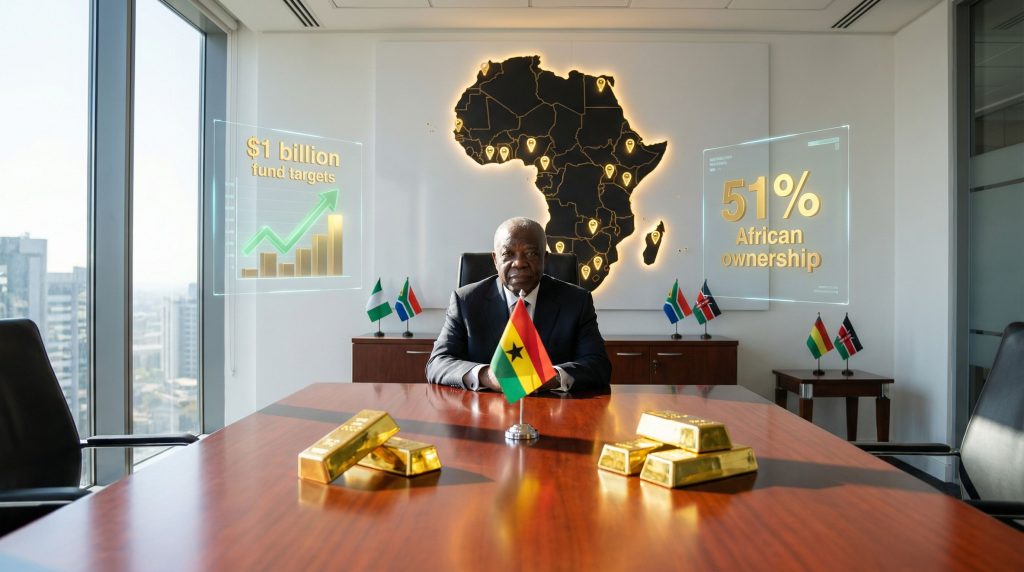
Continental mining investment strategies are experiencing a fundamental transformation as African leaders recognise the strategic importance of retaining mineral wealth within indigenous capital frameworks. Sir Sam Jonah appointed Chairman of Africans for Africa Initiative Advisory Board represents a significant milestone in this evolution, as experienced mining executives increasingly take advisory positions across African resource initiatives. This signals a broader shift toward self-directed development models that prioritise local value creation over traditional extraction-focused partnerships.
This evolution in resource governance reflects decades of accumulated expertise within African mining leadership, where proven track records in multinational operations provide the foundation for continental-scale investment strategies. Furthermore, the integration of seasoned executives into advisory roles demonstrates how established mining professionals are leveraging their international experience to support indigenous capital mobilisation efforts across multiple African jurisdictions.
Strategic Leadership Frameworks in African Mining Governance
The architecture of pan-African mining governance relies heavily on advisory board compositions that combine diverse professional backgrounds with deep continental market knowledge. When examining recent appointments across African resource initiatives, a clear pattern emerges of selecting leaders who possess both international capital markets experience and demonstrated success in scaling mining operations from regional to global levels.
However, understanding these industry evolution trends becomes crucial for identifying potential investment red flags that might affect continental resource development programmes. Consequently, effective governance frameworks must incorporate sophisticated risk assessment methodologies that address both technical mining challenges and broader economic development objectives.
Multi-Stakeholder Governance Models
Advisory board structures in African mining funds typically incorporate expertise from multiple sectors to ensure comprehensive oversight of investment decisions. The most effective governance frameworks combine:
- Former government officials who understand regulatory environments across multiple African nations
- Mining operations executives with experience in multinational project development
- Capital markets specialists familiar with both African and international investment flows
- Gender representation advocates ensuring inclusive participation in resource development decisions
- Legal and compliance experts managing cross-border regulatory requirements
The integration of these diverse perspectives creates governance structures capable of navigating the complex regulatory landscape that characterises mining operations spanning multiple African jurisdictions. This multi-stakeholder approach addresses both operational challenges and strategic planning requirements for continental-scale resource development.
Capital Mobilisation Through Indigenous Investment Models
African mining funds pursuing indigenous capital formation follow distinct patterns compared to traditional foreign investment approaches. Rather than relying primarily on external financing sources, these initiatives prioritise African investor participation and local capital market development.
In addition, understanding various capital raising methods becomes essential for fund managers developing comprehensive financing strategies. The strategic importance of this approach extends beyond simple capital raising to encompass broader economic sovereignty objectives.
Key Performance Indicators for African Mining Independence:
| Metric Category | Target Range | Implementation Timeline |
|---|---|---|
| Indigenous Capital Mobilisation | $500M – $1.5B+ | 3-7 year cycles |
| Project Portfolio Development | 25-75 mining ventures | Multi-phase rollouts |
| Local Ownership Requirements | 51-75% African control | Per-project basis |
| Regional Market Coverage | 15-25 African nations | Continental expansion |
When big ASX news breaks, our subscribers know first
Executive Leadership Experience in Continental Resource Development
The transformation of single-mine operations into multinational mining entities provides critical insights into the executive competencies required for managing continental-scale resource initiatives. Historical precedents demonstrate how individual mining companies have successfully navigated the complex transition from regional operators to international market participants.
Case Study Analysis: Multinational Mining Development Models
The evolution of major African mining companies reveals consistent patterns in executive leadership approaches that have successfully scaled operations across international markets. When Ashanti Goldfields transitioned from a Ghana-based operation to become the first African mining company listed on the New York Stock Exchange in 1996, this achievement established important precedents for African mining companies accessing global capital markets.
This NYSE listing represented a significant milestone in African mining history, demonstrating that African-managed companies could meet the rigorous financial reporting and corporate governance standards required by major international exchanges. The listing provided access to substantially larger pools of investment capital while maintaining African executive leadership and operational control.
The subsequent 2004 merger with AngloGold created AngloGold Ashanti, which became the world's second-largest gold producer at that time. This combination illustrated how African mining leadership could successfully navigate complex international mergers while preserving significant operational influence within the merged entity.
Technical Competencies in African Mining Leadership
Successful continental resource development requires executive leadership with specific technical competencies that extend beyond traditional mining operations management. For instance, the strategic transformation processes seen in major mining companies provide valuable insights for African resource development initiatives.
These include:
- Multi-jurisdictional regulatory navigation across diverse African legal frameworks
- International capital markets expertise for accessing global investment flows
- Cross-cultural stakeholder management spanning government, community, and investor relations
- Environmental and social governance implementation meeting international standards
- Currency risk management for operations spanning multiple monetary systems
The complexity of managing mining operations across different African nations requires executives who understand both technical mining challenges and the diplomatic skills necessary for successful government relations in multiple countries simultaneously.
Value Retention Strategies in African Mineral Beneficiation
The concept of mineral beneficiation represents a fundamental shift from raw material extraction toward value-added processing within African nations. This approach aims to capture additional economic value through local processing, refining, and manufacturing activities that traditionally occurred in destination markets outside Africa.
Regional Variations in Beneficiation Policy Implementation
Different African regions have implemented varying approaches to mineral beneficiation requirements, reflecting diverse economic development priorities and existing industrial capacity. West African nations have generally focused on gold processing and jewellery manufacturing, while Southern African countries emphasise platinum group metals beneficiation and steel production capabilities.
Central African nations rich in cobalt and copper reserves are developing strategies for battery manufacturing and electrical component production, aligning with global demand for electric vehicle components and renewable energy storage systems. These regional specialisations create opportunities for inter-African trade in processed mineral products rather than competing solely in raw material markets.
The effectiveness of beneficiation policies depends heavily on complementary infrastructure investments in power generation, transportation networks, and skilled workforce development. Nations that have successfully implemented beneficiation programmes typically coordinate mineral processing requirements with broader industrial development strategies.
Local Content Requirements and Implementation Challenges
The enforcement of local content requirements across African mining operations presents both opportunities and challenges for indigenous business development. Successful implementation requires:
- Graduated compliance timelines allowing international operators to develop local supplier relationships
- Skills development programmes ensuring adequate technical expertise for specialised services
- Technology transfer agreements facilitating knowledge sharing between international and local partners
- Quality assurance frameworks maintaining operational standards while supporting local business growth
The strategic importance of local content extends beyond immediate economic benefits to encompass long-term industrial capacity building that supports sustainable mining sector development.
Advisory Board Dynamics in African Mining Investment
The effectiveness of advisory boards in African mining funds depends significantly on the complementary expertise of individual members and their ability to function as cohesive decision-making bodies. Recent appointments across major African resource initiatives demonstrate sophisticated approaches to board composition that balance technical expertise with strategic vision.
Multi-National Advisory Board Composition
Effective African mining fund advisory boards typically include members with diverse geographic and professional backgrounds who collectively provide comprehensive oversight capabilities. The Sir Sam Jonah appointed Chairman of Africans for Africa Initiative Advisory Board exemplifies this approach through its inclusion of:
- Sir Sam Jonah as Chairman, bringing multinational mining operations expertise
- Rt. Hon. Kwasi Kwarteng, Former UK Chancellor and Business Secretary, providing government relations and policy expertise
- Segun Lawson, CEO of Thor Explorations Plc, contributing active mining operations experience
- Osam Iyahen, Senior Director of Investments at Africa Finance Corporation, offering continental finance expertise
- Zenzi Awases, President of Women in Mining Africa, ensuring gender representation and community engagement perspectives
This composition demonstrates how effective advisory boards combine established mining industry leadership with government policy experience, active operations management, continental finance expertise, and gender representation to create comprehensive governance oversight.
Due Diligence Frameworks for Indigenous Mining Projects
African mining funds operating across multiple jurisdictions require sophisticated due diligence frameworks that address both traditional mining project evaluation criteria and additional considerations specific to indigenous investment models. These frameworks typically encompass:
Technical Due Diligence Components:
- Geological resource verification and reserve estimation
- Mining engineering feasibility and production optimisation
- Environmental impact assessment and remediation planning
- Infrastructure requirements and development costs
- Regulatory compliance across multiple jurisdictions
Strategic Due Diligence Elements:
- Local community engagement and benefit-sharing agreements
- Government relations and political risk assessment
- Local content compliance and supplier development opportunities
- Value chain integration potential for beneficiation activities
- Exit strategy planning for investor liquidity requirements
The integration of these technical and strategic elements requires advisory board expertise spanning both traditional mining evaluation methods and the specialised considerations that characterise African indigenous investment approaches.
Global Mining Investment Flow Implications
The emergence of well-capitalised African mining funds with experienced leadership creates potential shifts in global mining investment patterns. Traditional models of foreign direct investment in African mining may face increased competition from indigenous capital sources that offer different value propositions to mining project developers.
Furthermore, understanding tariffs' investment impact becomes crucial as African mining funds navigate international trade relationships and market access considerations for processed mineral products.
Comparative Investment Model Analysis
African-led mining investment differs from traditional foreign investment in several key aspects that may influence project developer preferences:
African Indigenous Investment Characteristics:
- Higher tolerance for longer development timelines aligned with community engagement requirements
- Greater emphasis on local content development and skills transfer
- Integrated approach to beneficiation and value chain development
- Political risk mitigation through local ownership and government relationships
- Commitment to reinvestment of profits within African economic systems
Traditional Foreign Investment Characteristics:
- Emphasis on rapid project development and early production targets
- Focus on operational efficiency and cost minimisation
- Limited commitment to local content beyond regulatory requirements
- Risk management through international arbitration and insurance mechanisms
- Profit repatriation to international markets
These contrasting approaches create different risk-return profiles that may appeal to different types of mining projects and development scenarios. Projects requiring extensive community engagement or complex government approvals may find African indigenous investment more suitable, while projects prioritising rapid development timelines might prefer traditional foreign investment approaches.
Strategic Implications for Critical Minerals Supply Chains
The growth of African-led mining investment coincides with increasing global demand for critical minerals essential to renewable energy technologies and electric vehicle manufacturing. This timing creates strategic opportunities for African mining funds to participate in supply chain diversification initiatives while maintaining greater control over mineral resource development.
Critical minerals including cobalt, lithium, graphite, and rare earth elements are increasingly concentrated in African deposits, creating leverage opportunities for indigenous investment funds that can offer stable, long-term supply relationships to international manufacturers. The integration of beneficiation capabilities within African mining operations could further enhance this strategic positioning by providing processed materials rather than raw ore concentrates.
Future Leadership Development in African Mining
The success of current African mining leadership initiatives depends partly on the development of next-generation executives who can sustain and expand continental resource development programmes. This requires systematic approaches to executive development that combine technical mining expertise with the specialised skills needed for multi-national African operations.
Knowledge Transfer Mechanisms
Effective knowledge transfer from established African mining leaders to emerging executives requires structured mentorship programmes that address both technical competencies and strategic leadership skills. The Sir Sam Jonah appointed Chairman of Africans for Africa Initiative Advisory Board creates opportunities for systematic knowledge sharing across multiple mining projects and investment initiatives.
Key knowledge transfer areas include:
- International capital markets navigation and investor relations management
- Multi-jurisdictional regulatory compliance across diverse African legal systems
- Cross-cultural stakeholder management with government, community, and international partners
- Strategic planning for continental-scale operations spanning multiple countries and commodities
- Risk management frameworks addressing political, operational, and market uncertainties
Institutional Capacity Building Strategies
The development of sustainable African mining leadership requires institutional frameworks that can systematically develop executive capabilities over time. This includes partnerships with African universities offering mining engineering and business administration programmes, as well as professional development initiatives coordinated through pan-African mining industry associations.
The establishment of formal executive development pathways within African mining companies creates career progression opportunities that can retain talented professionals within continental mining operations rather than losing them to international mining companies. These programmes should emphasise both technical mining competencies and the specialised leadership skills required for successful African mining operations.
The next major ASX story will hit our subscribers first
Investment Performance Metrics and Risk Assessment
The measurement of success in African mining independence initiatives requires sophisticated performance metrics that capture both financial returns and broader economic development objectives. Traditional mining investment metrics focused primarily on internal rates of return and net present value calculations may be insufficient for evaluating the full impact of indigenous African mining investment.
Comprehensive Performance Measurement Frameworks
Effective performance measurement for African mining funds should incorporate multiple categories of success metrics:
Financial Performance Indicators:
- Internal rate of return on invested capital
- Portfolio diversification across commodities and regions
- Capital preservation during market volatility periods
- Distribution yields to African institutional investors
Economic Development Impact Metrics:
- Local employment creation in mining and support industries
- Skills development and technology transfer achievements
- Local supplier development and contract value retention
- Government revenue generation through taxes and royalties
Environmental and Social Performance:
- Community benefit-sharing programme effectiveness
- Environmental rehabilitation and sustainability initiatives
- Gender representation in mining workforce and leadership
- Indigenous community rights protection and engagement
The integration of these diverse performance categories requires sophisticated reporting frameworks that can demonstrate value creation across multiple dimensions simultaneously.
Risk Management in Multi-National African Operations
Operating mining investments across multiple African jurisdictions creates unique risk management challenges that require specialised mitigation strategies. Political risk management becomes particularly complex when operations span countries with different government stability profiles and regulatory approaches to mining investment.
Critical Risk Categories:
- Regulatory Risk: Changes in mining codes, tax regimes, or local content requirements across different jurisdictions
- Political Risk: Government instability, expropriation threats, or shifts in foreign investment policies
- Currency Risk: Exchange rate fluctuations affecting operations in multiple monetary systems
- Infrastructure Risk: Power supply reliability, transportation network capacity, and port access limitations
- Community Risk: Social licence maintenance and community relations management across diverse cultural contexts
Effective risk management requires diversification strategies that balance exposure across different risk categories while maintaining sufficient scale in individual jurisdictions to achieve operational efficiencies.
Frequently Asked Questions About African Mining Investment Leadership
What Qualifications Are Essential for African Mining Fund Leadership?
Successful leadership of continental African mining funds requires a combination of technical mining expertise and specialised skills for managing multi-national operations. Essential qualifications include proven experience in large-scale mining project development, demonstrated success in international capital markets, and deep understanding of African regulatory environments across multiple jurisdictions.
Leadership experience in publicly traded mining companies provides critical exposure to investor relations, financial reporting requirements, and corporate governance standards that are essential for managing institutional investment funds. Additionally, successful African mining fund leaders typically possess strong diplomatic and cultural competencies for managing stakeholder relationships across diverse African political and social contexts.
How Do African Mining Funds Differ from Traditional International Investment?
African indigenous mining funds operate under fundamentally different value propositions compared to traditional international mining investment. These differences encompass investment timelines, local content commitments, community engagement approaches, and profit retention strategies that prioritise long-term continental economic development over short-term extraction maximisation.
Indigenous African mining investment typically emphasises patient capital approaches that allow for extended project development timelines necessary for comprehensive community consultation and local workforce development. This contrasts with traditional international investment that often prioritises rapid project development and early production targets to accelerate investor returns.
The commitment to local content development and beneficiation represents another key differentiator, as African mining funds typically integrate value-added processing capabilities within their investment strategies rather than focusing solely on raw material extraction for export to international markets. The Sir Sam Jonah appointed Chairman of Africans for Africa Initiative Advisory Board exemplifies this strategic approach to continental resource development.
This analysis is based on publicly available information regarding African mining investment developments as of January 2026. Investment performance and risk assessments are subject to market volatility and regulatory changes across multiple African jurisdictions. Prospective investors should conduct independent due diligence and consult with qualified financial advisors before making investment decisions in African mining funds or related securities.
Looking to Capitalise on Major Mineral Discoveries?
Discovery Alert instantly alerts investors to significant ASX mineral discoveries using its proprietary Discovery IQ model, transforming complex mineral data into actionable insights for both short-term traders and long-term investors. Explore how historic discoveries can generate substantial returns and begin your 30-day free trial today to position yourself ahead of the market with real-time intelligence on Australia's most promising mineral announcements.