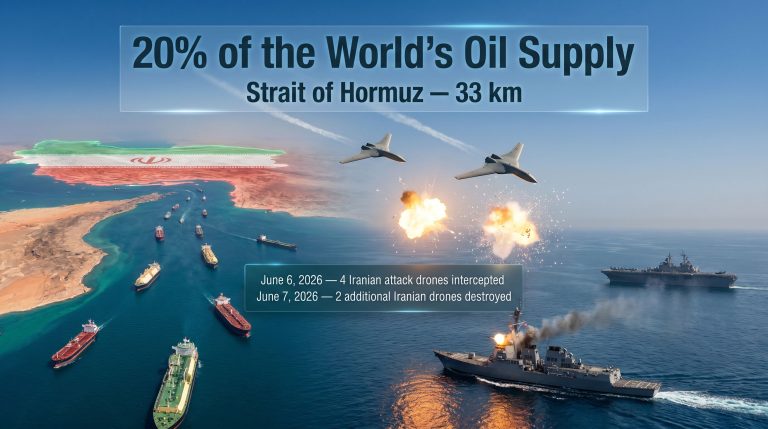
June 7, 2026
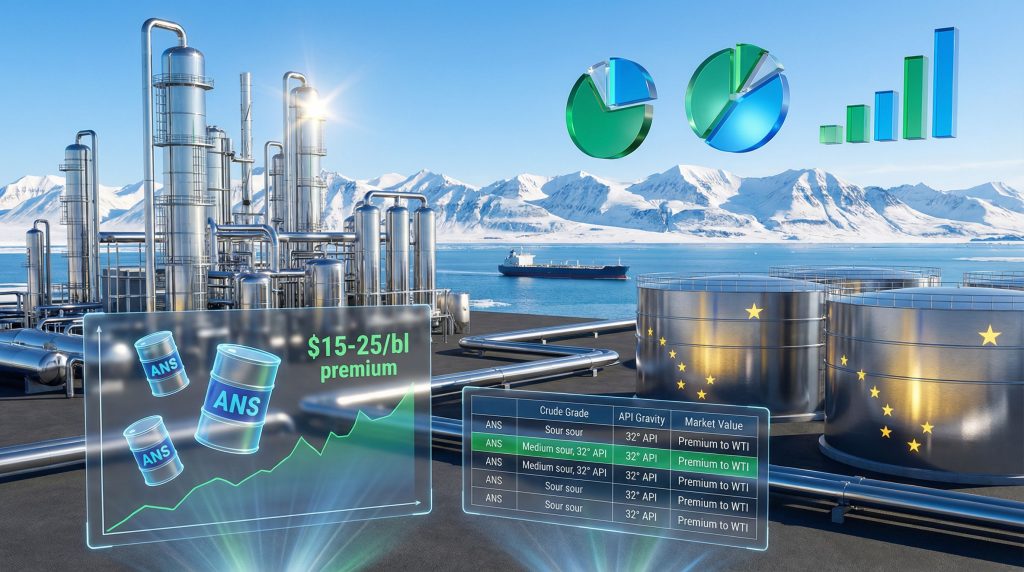
Alaska North Slope crude record high pricing reflects complex interactions between supply disruptions, geopolitical tensions, and regional refinery economics that create premium valuations beyond traditional crude market fundamentals. Furthermore, understanding these dynamics becomes essential as oil price movements analysis demonstrates how regional conflicts can reshape global energy pricing relationships within short timeframes.
Understanding ANS Crude's Strategic Market Position
Alaska North Slope crude represents a distinctive segment within Pacific Basin energy markets, characterized by specific quality attributes and logistical advantages that differentiate it from conventional crude benchmarks. The grade's 32° API gravity and medium-sour specifications position it as compatible with complex refining configurations designed to optimize diesel and jet fuel production.
Geographic positioning creates inherent advantages for ANS within Pacific markets. Unlike Middle Eastern crudes that require extended trans-oceanic transportation, ANS benefits from proximity to major West Coast refining centers and established infrastructure connections. This positioning becomes particularly valuable during periods of supply chain disruption or geopolitical uncertainty affecting traditional crude flow patterns.
The regulatory framework surrounding ANS transportation adds complexity to market dynamics. Jones Act requirements mandate US-flagged vessels for domestic crude movements, creating a specialized fleet dedicated to Alaska-to-California routes. This regulatory constraint simultaneously limits supply flexibility while providing operational predictability for market participants.
Quality Specifications and Refinery Optimization
Medium-sour crude characteristics enable ANS to serve specific refining requirements across Pacific Basin markets. The 32° API gravity specification falls between light and heavy crude categories, making it suitable for refineries configured to process mixed crude slates or those requiring specific yield patterns.
Refinery compatibility extends beyond basic specifications to encompass operational optimization strategies. ANS processing typically generates favorable yields of:
• Diesel fuel – Primary high-value product with strong regional demand
• Jet fuel – Critical aviation fuel meeting West Coast airport requirements
• Gasoline blending components – Supporting regional transportation fuel needs
• Heavy fuel oil – Industrial and marine applications
The integration of ANS within existing refinery configurations provides operational flexibility that becomes particularly valuable during periods of crude supply disruption or changing product demand patterns.
When big ASX news breaks, our subscribers know first
Market Fundamentals Behind Premium Pricing
Economic factors driving ANS crude premiums reflect multiple interconnected variables beyond simple quality differentials. Transportation economics, refinery margins, and supply availability combine to create pricing frameworks that can diverge significantly from standard crude benchmarks during specific market conditions.
Crack spread relationships form the foundation of ANS economic value. During March 2026, market conditions demonstrated this relationship clearly, with diesel and jet fuel margins reaching multi-year highs according to industry assessments. The Argus 3-2-1 crack spread methodology captures the economic value of converting crude into refined products, with ANS benefiting from strong margins on its primary yield components.
Transportation cost architecture creates additional complexity in ANS pricing mechanisms. The specialized US-flagged tanker fleet required for Jones Act compliance operates under different economic parameters than international crude carriers. Freight costs experienced material increases during recent market disruptions, contributing to delivered price premiums at West Coast destinations.
| Cost Component | Impact on ANS Pricing | Market Sensitivity |
|---|---|---|
| Base crude value | Fundamental pricing floor | High |
| Transportation costs | Jones Act premium | Medium-High |
| Quality differential | Refinery compatibility | Medium |
| Supply availability | Scarcity premium | Variable |
Regional Demand Dynamics
West Coast refining capacity utilisation patterns influence ANS demand characteristics throughout seasonal cycles. Summer driving season increases gasoline requirements, while winter heating demand affects distillate consumption patterns. ANS compatibility with both demand cycles provides year-round market support.
Environmental regulatory compliance adds another dimension to regional demand factors. California's Low Carbon Fuel Standard and other environmental regulations create preferences for specific crude grades that can meet refined product specifications while minimising carbon intensity calculations.
How Do Geopolitical Disruptions Reshape ANS Crude Valuations?
Regional conflict scenarios demonstrate how geopolitical risk can transform crude pricing relationships within short timeframes. The March 2026 US-Iran conflict created conditions where Alaska North Slope crude record high premium valuations of $8.30 per barrel above July ICE Brent on a delivered West Coast basis, representing the highest premium since assessment began in January 2018.
Strait of Hormuz closure impacts reverberate throughout global energy markets by disrupting approximately 20% of global crude oil flows. During the seventh day of US-Iran hostilities, most vessel operators avoided transiting the critical chokepoint, effectively severing traditional crude supply routes to major consuming regions.
Market response mechanisms revealed the strategic importance of alternative crude sources. Consequently, WTI vs ICE Brent price differentials widened significantly as WTI futures broke through $90 per barrel, climbing $9.12 in a single trading session and gaining more than $23 per barrel (35%) during the initial week of conflict.
Asia-Pacific Procurement Strategy Shifts
South Korean and Japanese refiners adapted procurement strategies rapidly during Middle East supply disruptions. Industry sources confirmed that at least one South Korean refiner and one Japanese refiner executed ANS purchases during March 2026, representing unusual procurement patterns for grades typically destined for domestic US consumption.
Purchase prices reached approximately $20 per barrel premium to front-month Dubai assessments on a delivered basis, demonstrating buyers' willingness to pay substantial premiums for supply security. With Dubai crude settling at $91.24 per barrel on March 5, 2026, these transactions represented significant departures from normal pricing relationships.
Supply substitution dynamics highlighted ANS positioning as one of the amply available medium spot crudes local in the Pacific region. This availability advantage became critical as Middle Eastern imports were essentially eliminated by regional conflict conditions.
Government Response Mechanisms
Strategic petroleum reserve utilisation emerged as a key policy response tool. South Korea's government engaged in discussions with domestic refiners regarding measures to manage conflict fallout, including potential SPR drawdowns and export restriction considerations.
The scope of government intervention varied by region:
• South Korea – Strategic reserve discussions and export controls evaluation
• Japan – Market-driven procurement adjustments without direct intervention
• United States – Temporary sanctions relief for Russian crude imports to India
• Regional Gulf states – Infrastructure damage assessment and security coordination
What Economic Factors Determine ANS Crude Price Discovery?
Price discovery mechanisms for ANS crude operate through multiple reference frameworks that capture both domestic and international value relationships. ICE Brent futures serve as the primary reference for West Coast delivered prices, while Dubai crude provides alternative Asian market benchmarking for trans-Pacific sales.
Transportation economics create structural pricing components that differentiate ANS from freely traded international crudes. Jones Act compliance requirements limit vessel options to US-flagged tankers, creating a captive transportation market with distinct cost structures compared to international crude carrier rates.
Specialised tanker fleet operations integrate Alaska-to-California routes with potential trans-Pacific deployments. During March 2026 market conditions, some vessels typically employed on domestic ANS routes were diverted to Asian deliveries due to Suezmax tanker shortages, tightening freight availability and supporting price premiums.
Crack Spread Integration and Margin Analysis
Refinery margin calculations provide the fundamental economic driver for ANS crude demand. The 3-2-1 crack spread methodology measures the theoretical refining margin from processing three barrels of crude into two barrels of gasoline and one barrel of heating oil or diesel equivalent.
For ANS specifically, diesel and jet fuel yields generate primary economic value rather than gasoline production emphasis seen in other crude grades. This yield pattern alignment with West Coast demand characteristics creates natural market support during periods of strong distillate margins.
Multi-year high crack spreads during March 2026 provided direct economic incentive for refiners to maximise ANS crude processing, contributing to premium pricing through increased competition for available supplies. Moreover, our comprehensive oil price rally analysis shows how these market dynamics interact with broader geopolitical factors.
| Refinery Economic Factor | ANS Value Impact | Market Timing |
|---|---|---|
| Diesel margin strength | High positive | Seasonal/Geopolitical |
| Jet fuel demand | Medium positive | Consistent |
| Gasoline crack spreads | Medium correlation | Driving season |
| Heavy fuel oil margins | Low correlation | Industrial demand |
How Do Production Dynamics Influence ANS Market Positioning?
Alaska North Slope production infrastructure creates unique supply characteristics that influence market positioning relative to other crude grades. Trans-Alaska Pipeline System (TAPS) throughput capacity provides the primary transportation link between production fields and marine terminals, establishing operational parameters that affect supply availability and timing.
Prudhoe Bay complex operations represent the core production hub, with satellite field development contributing incremental supply volumes. In addition, production data from YCharts shows that production scheduling must accommodate Arctic operational constraints, including weather-related limitations and planned maintenance requirements that can temporarily reduce supply availability.
Seasonal operational factors create predictable supply patterns that market participants incorporate into pricing strategies. Winter weather conditions can limit certain field operations while simultaneously increasing heating fuel demand, creating seasonal supply-demand dynamics specific to ANS crude.
Infrastructure Investment and Capacity Utilisation
Long-term production sustainability requires ongoing infrastructure investment across multiple components of the Alaska crude value chain. Pipeline integrity maintenance represents a critical operational requirement given the harsh Arctic environment and regulatory compliance standards.
Storage capacity at marine terminals provides operational flexibility for supply management and cargo scheduling. Terminal inventory levels influence spot market availability and can create short-term pricing premiums during periods of high demand or transportation constraints.
Enhanced recovery technology adoption extends field productive life and maintains supply levels as mature fields experience natural decline rates. Investment in production optimisation technology supports continued ANS availability for domestic and international markets.
What Role Do Financial Markets Play in ANS Crude Pricing?
Derivatives market development provides risk management tools and price discovery mechanisms for ANS crude transactions. While ANS-specific futures contracts remain limited compared to major benchmarks like WTI or Brent, basis trading strategies enable market participants to manage differential risks between ANS and liquid reference contracts.
Hedge fund participation in crude oil markets influences ANS pricing through position flows and speculative activity. During periods of geopolitical tension or supply disruption, financial market participants may increase positions in alternative crude grades, contributing to price volatility and premium valuations.
Producer hedging strategies utilise available derivatives instruments to manage revenue exposure from ANS production. Alaska crude producers must navigate limited hedging options specific to their grade while utilising correlating instruments to manage price risk.
Investment Flow Implications
Capital allocation decisions across Alaska energy infrastructure reflect financial market assessments of long-term crude demand and pricing relationships. Infrastructure financing requirements for pipeline maintenance, terminal upgrades, and production enhancement compete with alternative investment opportunities.
Exploration economics for new Alaska field development incorporate ANS pricing forecasts and differential relationships to determine project viability thresholds. For instance, recent analysis from Oil Price indicates that investment decisions must account for lengthy development timelines and regulatory approval processes specific to Alaska operations.
Environmental compliance costs represent increasing components of total investment requirements. Regulatory cost incorporation affects project economics and influences production planning decisions across existing and proposed Alaska crude developments.
The next major ASX story will hit our subscribers first
How Do Regulatory Frameworks Shape ANS Crude Markets?
Federal regulatory oversight creates operational parameters that distinguish ANS crude from other domestic production areas. Export licensing requirements established administrative approval processes for international ANS sales, though these restrictions have been modified over time to reflect changing energy policy priorities.
Environmental regulations encompassing production, transportation, and terminal operations create compliance costs and operational constraints specific to Alaska crude operations. Post-Exxon Valdez regulatory frameworks established additional safety and environmental protection requirements that continue to influence operational practices.
Jones Act compliance represents the most significant regulatory factor affecting ANS transportation economics. Requirements for US-flagged vessels, US crews, and US shipyard construction create a protected domestic shipping market with distinct cost structures and capacity limitations.
State-Level Policy Integration
Alaska production tax policies influence producer economics through revenue sharing arrangements and production incentive structures. State tax calculations incorporate crude price levels and production volumes, creating feedback mechanisms between market pricing and fiscal policy outcomes.
Environmental permitting processes at the state level affect operational approvals and development timelines for Alaska crude projects. Permitting requirements must address environmental impact assessments and stakeholder consultation processes specific to Alaska's regulatory environment.
Revenue distribution mechanisms through Alaska's Permanent Fund connect crude oil revenues to state fiscal management and resident dividend payments. This connection creates political economy considerations that influence state policy toward crude oil development and taxation.
What Are the Long-Term Strategic Implications for ANS Crude?
Energy transition scenarios present complex implications for medium-sour crude grades within evolving global energy systems. Demand trajectory analysis must account for transportation electrification, renewable energy adoption, and potential shifts in petrochemical feedstock requirements that could affect ANS market positioning.
Alternative energy competition creates uncertainties around long-term crude oil demand growth, while simultaneously potentially increasing the value of reliable supply sources during transition periods. ANS crude's domestic origin provides energy security advantages that may become more valuable as international energy markets experience increased volatility.
Infrastructure investment priorities require evaluation within multiple scenario frameworks that consider both continued operation under current demand patterns and adaptation strategies for changing market conditions. Investment decisions made today will influence Alaska North Slope crude record high potential for decades.
However, the trade war oil impact analysis reveals how international trade tensions could further enhance ANS strategic value as domestic crude sources become increasingly important for energy security.
| Strategic Factor | Short-term Impact (2026-2030) | Long-term Implications (2030-2040) |
|---|---|---|
| Energy transition | Limited direct impact | Demand uncertainty increase |
| Infrastructure needs | Critical maintenance | Adaptation requirements |
| Geopolitical stability | Supply security premium | Strategic value enhancement |
| Technology advancement | Production optimisation | Enhanced recovery potential |
Competitive Positioning Evolution
Global crude market evolution toward increased supply source diversification may enhance ANS strategic value as buyers seek alternatives to traditional import sources. Supply chain resilience considerations increasingly influence procurement strategies across major consuming regions.
Technology advancement in production efficiency and enhanced recovery methods could extend ANS productive life and maintain competitive cost structures relative to alternative crude sources. Digital optimisation and automated systems reduce operational costs while improving safety and environmental performance.
Environmental standards development creates both challenges and opportunities for ANS crude positioning. Lower carbon intensity production methods and transportation efficiency improvements could provide competitive advantages in markets implementing carbon pricing or environmental regulations.
Nevertheless, the OPEC production impact on global markets demonstrates that Alaska North Slope crude record high pricing scenarios will continue to be influenced by international supply coordination decisions affecting global crude availability.
Market participants evaluating ANS crude within strategic planning frameworks must consider the interplay between traditional economic factors and emerging considerations around supply security, environmental performance, and technological capabilities. The crude grade's unique characteristics position it distinctively within multiple scenario outcomes, requiring sophisticated analysis approaches that incorporate geopolitical risk, regulatory evolution, and long-term energy system transformation dynamics.
Understanding these multifaceted relationships enables more effective trading strategies, risk management approaches, and investment decision-making processes across the complete ANS crude value chain. The integration of quality specifications, transportation economics, regulatory requirements, and competitive positioning creates strategic value propositions that extend beyond conventional crude oil market analysis frameworks.
Looking for Investment Opportunities in Energy Markets?
Discovery Alert's proprietary Discovery IQ model delivers instant notifications on significant ASX mineral discoveries, including energy and critical mineral opportunities that could benefit from global commodity price movements like those affecting Alaska North Slope crude. With real-time alerts and actionable insights, subscribers gain immediate market advantages when major discoveries are announced. Begin your 14-day free trial today to position yourself ahead of the market with Discovery Alert's proven track record.