
August 6, 2026
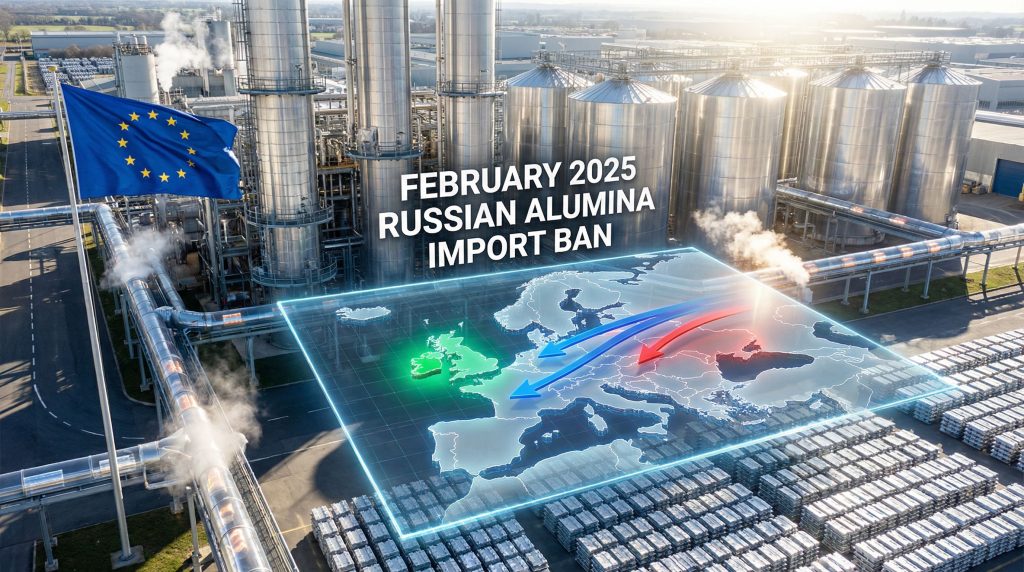
The alumina trade network's complexity has come under intense scrutiny, particularly regarding Ireland's Aughinish plant Russia-bound alumina trade scrutiny that highlights significant vulnerabilities in European defence supply chains. Modern military manufacturing relies on an intricate web of materials whose strategic importance extends far beyond their commercial applications. The intersection of geopolitical tensions and industrial supply chains has created unprecedented vulnerabilities in European defence capabilities, particularly around materials that appear mundane yet prove essential for military readiness.
Understanding Alumina's Strategic Role in Defence Applications
Alumina, or aluminum oxide (Al₂O₃), serves as the fundamental building block for primary aluminum production through the Bayer process. This transformation from bauxite ore to refined alumina creates the feedstock that eventually becomes the lightweight, corrosion-resistant aluminum essential for modern military applications.
The technical properties that make aluminum invaluable to defence manufacturing stem directly from alumina's purity and processing quality. High-strength aluminum alloys used in fighter aircraft structures, naval vessels, and armoured vehicles require alumina feedstock that meets stringent specifications for chemical composition and physical properties.
Military Equipment Manufacturing Requirements
Defence applications demand aluminum with exceptional weight-to-strength ratios and corrosion resistance properties. Fighter aircraft like the F-35 Lightning II incorporate significant aluminum content in their airframes, while naval vessels rely on aluminum superstructures to reduce weight without compromising structural integrity.
The processing stages from bauxite to finished aluminum products involve multiple quality control checkpoints:
• Primary extraction: Bauxite mining with specific aluminum oxide content thresholds
• Refinery processing: Chemical conversion maintaining purity standards above 99.5%
• Smelting operations: Electrolytic reduction requiring consistent alumina quality
• Alloy production: Blending with other metals to achieve military specifications
Military procurement standards often require full supply chain traceability, documenting the origin and processing history of aluminum components used in weapons systems. This creates additional complexity when sourcing alumina from facilities that may serve both civilian and potentially hostile military customers, particularly given the current bauxite project benefits being realised globally.
When big ASX news breaks, our subscribers know first
European Industrial Dependency Analysis
Europe's aluminum production ecosystem faces significant concentration risks, with Ireland's Aughinish facility representing a critical node in the continental supply network. According to available trade data, this facility processes bauxite sourced primarily from Guinea and other West African origins into high-grade alumina for European markets.
Continental Production Landscape
The European alumina production capacity remains limited compared to global demand, creating dependencies on imports and specific facilities. Trade statistics indicate Ireland exported approximately USD 243 million worth of alumina to Russia in 2022, with projections suggesting this figure reached USD 376 million by 2024, representing a 55% increase.
This dependency structure creates several strategic vulnerabilities within the broader European CRM supply framework:
• Geographic concentration: Limited number of processing facilities across Europe
• Supply source diversity: Heavy reliance on Guinea bauxite reserves
• Processing capacity constraints: Insufficient redundancy for demand spikes
• Transportation bottlenecks: Maritime shipping dependencies for raw materials
The Aughinish plant's position as a significant supplier serving up to 30% of continental alumina needs for construction, aviation, and automotive industries demonstrates the scale of potential disruption from facility-specific issues or geopolitical complications.
Regulatory Asymmetries and Trade Flow Distortions
The European Union's sanctions regime implemented in February 2025 created unusual directional restrictions on alumina trade. While the EU established a permanent ban on alumina imports from Russia to prevent financing of military activities, no reciprocal restrictions prevent European alumina exports to Russian facilities.
Sanctions Framework Analysis
This regulatory asymmetry creates several market distortions and enforcement challenges, particularly as the geopolitical mining landscape continues to evolve:
Import Restrictions:
• Russian alumina banned from EU markets
• Enforcement through customs documentation requirements
• Alternative sourcing requirements for European aluminum producers
• Price premium adjustments for non-Russian supplies
Export Permissions:
• European alumina exports to Russia remain legal
• Compliance frameworks rely on end-use certifications
• Supply chain monitoring through corporate self-reporting
• Limited enforcement mechanisms for downstream applications
The Irish Department of Foreign Affairs and Trade confirmed that alumina remains a non-sanctioned good, permitting continued exports to Russia despite recognition of the material's strategic significance in defence applications. Furthermore, this situation mirrors broader challenges seen in the trade war market impact affecting global supply chains.
Supply Chain Mapping and Global Trade Networks
Global alumina trade networks operate through complex relationships between bauxite extraction, refining capacity, and downstream aluminum production. The Aughinish plant linked to Russia-bound alumina trade scrutiny in the defence sector exemplifies this complexity by processing Guinean bauxite into alumina that subsequently supplies both European civilian industries and, through trade relationships, potentially Russian defence manufacturing.
Transportation and Logistics Systems
The alumina supply chain involves multiple transportation modes and geographic handoffs:
- Bauxite extraction from Guinea and other West African sources
- Maritime shipping to European processing facilities
- Refinery processing converting ore to alumina powder
- Distribution networks serving aluminum smelters globally
- Final processing into military-grade aluminum alloys
Trade data indicates that Irish alumina shipments to facilities in Krasnoyarsk and Sayanogorsk exceeded USD 400 million in 2024, representing a substantial portion of the facility's total output directed toward Russian aluminum production.
Defence Manufacturing Vulnerabilities
The intersection of civilian alumina production with military applications creates complex supply chain vulnerabilities that traditional sanctions frameworks struggle to address effectively. European defence manufacturers face potential disruptions from multiple sources within the same supply network serving their requirements.
Military Equipment Dependencies
Modern defence platforms incorporate significant aluminum content across multiple components:
| Platform Type | Aluminum Applications | Criticality Level |
|---|---|---|
| Fighter Aircraft | Airframe, engine components | Critical |
| Naval Vessels | Superstructures, deck equipment | High |
| Armoured Vehicles | Hull construction, components | Medium |
| Missile Systems | Structural elements, guidance | High |
| Communications | Equipment housing, antennas | Medium |
The quality standards for aerospace and naval applications require aluminum with specific fatigue resistance, corrosion protection, and structural integrity properties that depend on high-purity alumina feedstock during the smelting process. Consequently, the current Ireland's Aughinish plant Russia-bound alumina trade scrutiny represents more than a regulatory concern—it highlights fundamental strategic vulnerabilities.
Market Concentration and Systemic Risks
European alumina production exhibits dangerous concentration characteristics that amplify systemic risks across the defence industrial base. The limited number of processing facilities creates potential single points of failure affecting multiple downstream applications simultaneously.
Ownership and Control Structures
Current market structure analysis reveals several risk factors:
• Facility concentration: Few alternative sources within EU territory
• Feedstock dependencies: Limited bauxite source diversification
• Technology constraints: Specialised processing equipment requirements
• Capital intensity: High barriers to entry for new capacity
The alumina trade network also involves intermediary companies such as the Aluminum Sales Company (ASK), which reportedly supplies aluminum to more than 100 companies involved in weapons and military equipment manufacturing, including dozens of EU-sanctioned Russian weapons manufacturers, as detailed in recent investigative reports.
The next major ASX story will hit our subscribers first
Investment and Policy Response Implications
The strategic vulnerabilities identified in European alumina supply chains suggest several potential policy responses and investment opportunities. Market participants face decisions about capacity expansion, supply source diversification, and risk mitigation strategies under uncertain regulatory environments.
Capital Allocation Priorities
Investment considerations span multiple levels of the supply chain:
Infrastructure Development:
• New refining capacity within EU territory
• Port and transportation infrastructure upgrades
• Strategic stockpiling facilities and management systems
• Alternative processing technology development
Supply Source Diversification:
• Bauxite mining partnerships outside current supplier base
• Long-term supply agreements with stable jurisdictions
• Vertical integration strategies for supply security
• Technology transfer arrangements for processing capability
The timeline for developing alternative alumina capacity typically requires 5-7 years for new facility construction and additional time for supply chain integration and quality certification processes. In addition, recent developments in critical minerals order initiatives may influence investment priorities.
Geopolitical Risk Assessment Framework
The alumina supply chain vulnerabilities reflect broader patterns of economic interdependence creating strategic risks during periods of international tension. European policymakers face trade-offs between economic efficiency and strategic autonomy across multiple critical material categories.
Strategic Autonomy Considerations
The alumina case study demonstrates several principles applicable to other strategic materials:
• Economic integration vs. security: Benefits of specialisation against risks of dependency
• Regulatory complexity: Difficulties in implementing targeted restrictions
• Market adaptation: Industry responses to policy changes and their effectiveness
• Allied coordination: Need for multilateral approaches to supply security
Future policy frameworks may need to address the challenge of dual-use materials that serve both civilian and military applications, requiring more sophisticated regulatory approaches than simple import/export restrictions.
Alternative Materials and Technology Pathways
Long-term strategic planning must consider potential substitutes for aluminum in defence applications and alternative sources for alumina production. Emerging technologies may alter the strategic calculus around material dependencies over the coming decades.
Material Innovation Opportunities
Several technological developments could reduce dependence on traditional alumina supply chains:
• Advanced composites: Carbon fibre and polymer alternatives for structural applications
• Additive manufacturing: Reduced material requirements through optimised designs
• Recycling technology: Enhanced aluminum recovery and processing capabilities
• Alternative reduction processes: New methods for converting aluminum ore to metal
The climate transition may also affect alumina supply geography as environmental regulations and carbon pricing change the economics of energy-intensive processing in different regions.
Lessons for Strategic Material Policy
The Ireland-Russia alumina trade scrutiny provides insights applicable across the spectrum of critical materials essential for defence manufacturing. Similar patterns of civilian-military dual use, supply chain concentration, and regulatory complexity appear in rare earth elements, lithium, and other strategic commodities.
Framework Development Principles
Effective strategic material policies require several key components:
- Early warning systems for identifying emerging supply vulnerabilities
- Rapid response mechanisms for addressing critical shortages
- International coordination protocols among allied nations
- Private sector engagement strategies balancing security with commercial interests
- Innovation incentives for developing alternative materials and supply sources
The challenge lies in balancing immediate security concerns with long-term economic competitiveness while maintaining the industrial innovation that drives both military and civilian technological advancement. However, the current Ireland's Aughinish plant Russia-bound alumina trade scrutiny demonstrates the urgent need for comprehensive policy responses that address these multifaceted challenges.
This analysis is provided for educational purposes and does not constitute investment advice. Readers should conduct independent research and consult qualified professionals before making investment decisions. Geopolitical situations and regulatory frameworks are subject to rapid change, and past trade patterns may not predict future developments.
Ready to Capitalise on Strategic Materials Discoveries?
Discovery Alert's proprietary Discovery IQ model delivers real-time alerts on significant ASX mineral discoveries, including strategic materials essential for defence applications and global supply chains. Understand why historic discoveries can generate substantial returns by exploring Discovery Alert's dedicated discoveries page, showcasing exceptional outcomes, then begin your 14-day free trial to position yourself ahead of the market.